Do you want to know more about what SEAPOP is aiming for in the next five years? Our #science plan just got published (in Norwegian only): https://t.co/AzeAn5Uqf8
Bold and shy kittiwakes experience stress at different times - but all kittiwakes in the population experience environmental stress. Read more about our latest study here: https://t.co/vQxlFivuTI
#personality#seabirds#climate
Tracking #seabirds has become increasingly important to collect data about their space use - but how to attach the loggers? Colleagues from @NINAnature Bergen have developed a clamp system, which helps to keep loggers in place for several weeks to months. https://t.co/Kq8I7Lv9X4
Using advanced modelling, we can now better measure the lethal and non-lethal effects of #offshore#wind power plants on #seabirds - read more here: https://t.co/zMDj4FKiM3
@NINAnature
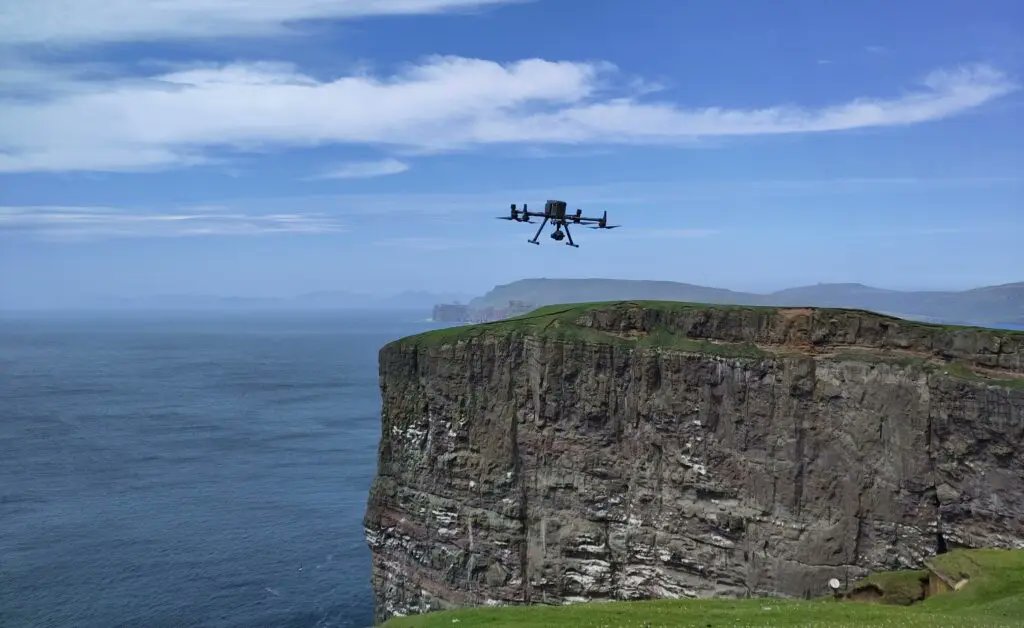
Drones and artificial intelligence - in SEAPOP we have started to monitor #seabird population with drones. Pictures are analyzed using artificial intelligence. Here's the #method to get from drone pictures to numbers of birds per species: https://t.co/KhhjMUcnIX
Marine industries & #seabirds - how can they coexist? Marine spatial planning is the word. Using SEAPOP data, the MARCIS project just launched an MSP-tool for seabirds in the North Atlantic https://t.co/NAtaG2n6pf
How far do black guillemots migrate during winter? Do individuals revisit the same wintering areas in consecutive years? You find the answers to these and more questions in our latest publication @NINAnature#seabird#migration https://t.co/NeJypEgQaV
#biologging#research is booming - but do #loggers actually impact the birds? Yes, they do - depending on the mass and attachment location. If you work with biologging, you should read our latest publication https://t.co/Fp0Awoxe1r
@NINAnature#seabirds#biologging
How does the offshore wind development in Norway affect seabirds and how do SEAPOP and SEATRACK respond to knowledge needs? Have a look at the recordings of our webinar (in Norwegian language) https://t.co/DuZNotoaHH
Going west or going east? Wintering strategies impact population trends in Brünnich’s guillemots from Svalbard - work by the Norwegian Polar Institute #seabirds https://t.co/ZjP2Yb4vrx
#Seabird monitoring used to happen with tally counters, binoculars and telescopes – but times are changing. #Drones and fixed #cameras have been implemented for monitoring in many national programs, also SEAPOP. Our latest publication sums up the advantages and challenges.
SEAPOP launches new data products that show #seabird distribution, environmental value and vulnerability to offshore wind farms. Data can be downloaded free of charge in form of maps (raster or vector format) https://t.co/IhFJMfKljG
Our annual key-site monitoring report is out, with information about breeding success, changes in population numbers etc. per monitored colony. https://t.co/lcGaAl0n6D
@NINAnature & Norsk Polarinstitutt
Our annual pamphlet with a summary of last year's breeding season and updates about survival and other news from the Norwegian colonies is out (in Norwegian only). A shorter version in English is coming soon. https://t.co/b4dY8tcai8 #seabirds
Using 40 years of data from Svalbard, our latest study shows that early break-up of sea ice due to #globalwarming contributes to making some of the islands safer for common eider ducks to breed, as Arctic foxes cannot reach them. @NINAnature@Polarinstitutt
SEATRACK got a new website with better functionality and better access to documents: https://t.co/ipg0v4QSMG Click yourself through and learn more about the non-breeding distribution of north-Atlantic seabirds!
https://t.co/hCS2LGuW93