This week in 1958, after discovering insider conduct detrimental to shareholders, the SEC ordered securities of the Bellanca Aircraft Corporation withdrawn from the ASE. 23 years earlier, trading in Bellanca shares spurred the first test of the 1934 Act. https://t.co/HI2tV9gGjt
This week in 1933, Franklin Roosevelt signed the Securities Act of 1933, the first federal securities law. A product of his legendary “hundred days,” the measure established disclosure as the basis for securities regulation. https://t.co/O9UFsek5DT
This week in 1948, Pres Truman appointed Hanrahan SEC chairman. A NY lawyer with little securities experience, he saw his role as being an “impartial referee.” The appointment began 13 years which the SEC lacked strong leadership and adequate funding. https://t.co/VzJ4eBOuqc
This week in 1960, after a 4-month investigation, the SEC’s Saul charged the ASE with countenancing and cooperating in illegal sales by the specialist firm Re, Re, and Sagarese. The charges led to expulsion of the Res and oversight reforms at the AMEX. https://t.co/iFqgeh8k2B
Today in 1937 the SEC released Part I of its Protective Committee Study. Author William O. Douglas hoped to stop insider control of bankruptcies but achieved only minor legislation. He became SEC Chairman and eventually Supreme Court Justice. https://t.co/KVIsokeZZG
This week in 1975, under pressure from Congress and the SEC, the NYSE unfixed its commission rates. Historically the NYSE had been an uncompetitive club protected by fixed rates, but a succession of transformative reforms followed “Mayday.” https://t.co/tv91nIC3OT
Today in 1987 the Supreme Court issued its CTS v Dynamics decision. Though the public viewed the 1980s takeover wave as exploitative, the SEC issued a concept release but remained neutral as CTS allowed for state anti-takeover measures. https://t.co/QV9jeRHtNv
This week in 1977, Harold Williams became SEC chairman. His tenure was marked by caution despite a congressional directive to foster a national market system. “I just didn’t have confidence that the markets would function as well,” Williams later recalled. https://t.co/hzlMFLRMmT
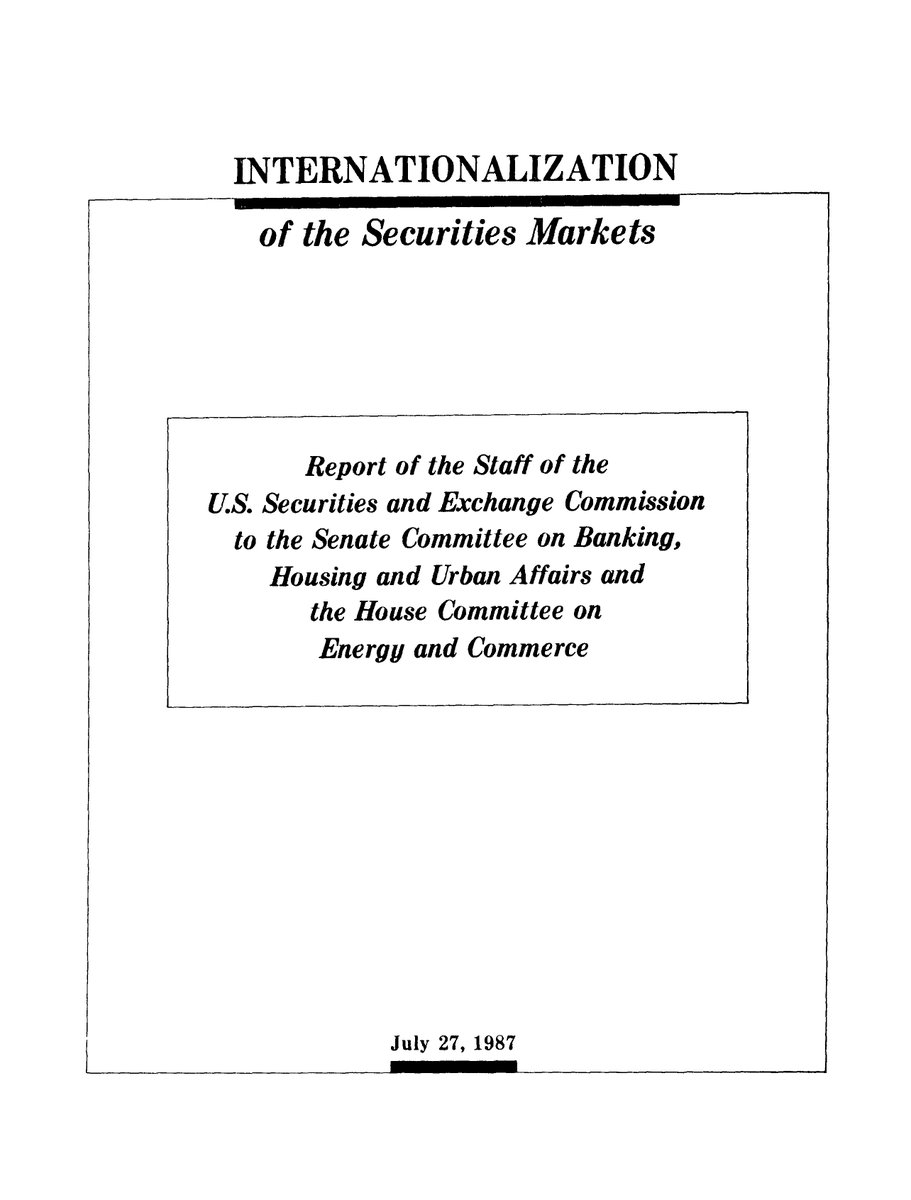
This week in 1990, the SEC adopted Regulation S. Previously, foreign public offerors had to ask for no-action letters. As Sara Hanks noted, the process hindered the internationalization of commerce, providing a safe harbor for offshore securities offers. https://t.co/y9DvWY4rXG
This week in 1963, C. Cary sent the Special Study of the Securities Markets to Congress. Conducted by a team under Milton Cohen, the study revealed flaws in self-regulation, underscored the commission’s fiduciary responsibility, and reinvigorated the SEC. https://t.co/Z4a1CuL3P1
Today in 1938, the Supreme Court decided Electric Bond and Share v SEC. The 1935 Public Utilities Holding Company Act tasked the SEC with regulating these financial pyramids. Benjamin Cohen, architect of the act, persuaded its constitutionality. https://t.co/U7xKk4UQq2
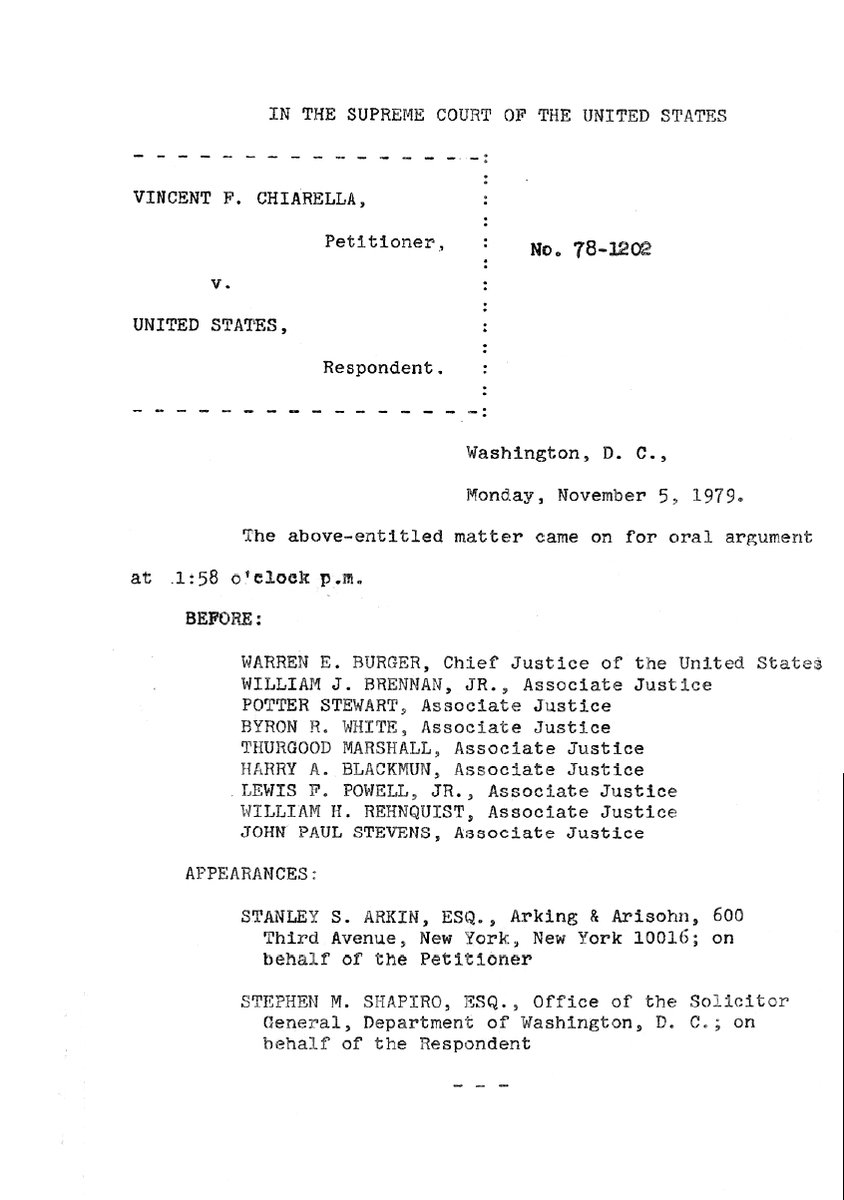
Today in 1980, the Supreme Court decided Chiarella v US. Finding for a printer who obtained inside info without violating “trust or confidence,” reversing 40 years of case law. Only 17 years later, the SEC won an insider trading case in the high court. https://t.co/1Uzmuq0E1u
Today in 1971, the SEC took a step toward restructuring financial markets. Its Institutional Investor Study found that large investors were disadvantaged by high fixed commissions and inefficient markets and called for “a strong central market system.” https://t.co/GWH7iG3Trt
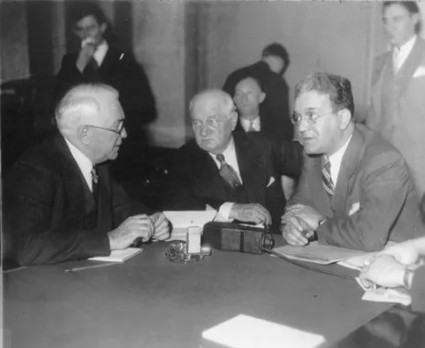
Today in 1932, the Senate Banking and Currency Committee began investigating the NYSE. Legislators were overshadowed by Chief Counsel Pecora, who elicited compelling testimony, widened the investigation, and built public support for securities legislation. https://t.co/gqWRXEc6vF
Today in 1982, the Commission adopted Rule 415. Previously, issuers had to register, then wait for SEC approval. This allowed “shelf registration. It made raising capital much more efficient,” said Corporation Finance Director Ed Greene. https://t.co/6uDAaoViEP
Today in 2003, William Donaldson became Chair of the SEC. The former banker and NYSE chairman’s tenure marked the beginning of a divided Commission. The Republican Chair sided with Democrats to remedy the accounting and trading scandals of the early 2000s. https://t.co/L0yn0WS5LG
This week in 1973, President Nixon nominated former SEC Dir of Market Regulation Cook to be Chairman of the SEC. Cook was obliged to resign due to scandal less than three months later. See Bradford Cook’s Oral History for his account of his term in office. https://t.co/CU7FAnkSIp
This week in 1934, the SSBK began hearings exposing “manipulative activities” on the NYSE. Committee Chairman Fletcher believed that for their public relations and legislative value, the hearings conducted by Ferdinand Pecora were “justified manyfold.” https://t.co/wKhOEXa4xy
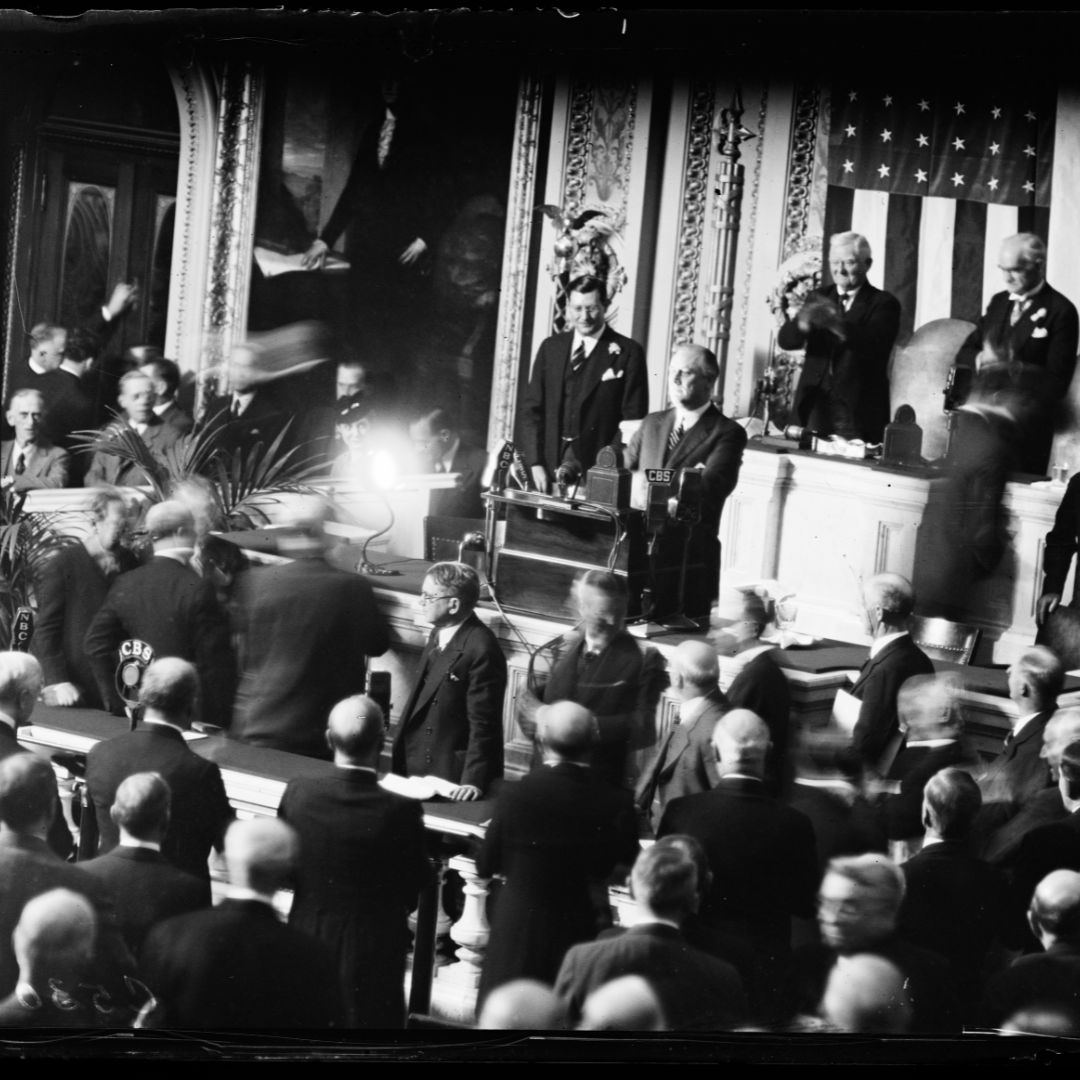
This week in 1934, President Roosevelt recommended Congress enact legislation providing for regulation of securities exchanges. The Fletcher-Rayburn Bill, which became the 1934 Exchange Act, was introduced the next day. Learn more, see 431 Days: https://t.co/p4cVHmeVbs
The Society is pleased to announce the appointment of 22 distinguished members to its Board of Advisors. The newly appointed advisors will serve three-year terms ending in December 2028. https://t.co/TJeIMHhrDd