SEEJ 66.1 (Spring 2022) is published! Featuring a forum on Early Soviet Translation of English Literature and two fascinating articles. Check out the contents here: https://t.co/aWxyyx3Vnj
SEEJ 65.4 is out in the world, featuring a must-read forum on "Racialization and Race Studies in Russian and Eastern European Scholarship" and two more remarkable articles! Check out the details at our site:
https://t.co/6FfijNGkhB
At long last, our Spring 2021 issue, 65.1, has been published!
With fascinating articles on topics ranging from Russian and Soviet literature and culture, to theater and opera, to Czech and Polish prose, this one was definitely worth the wait!
https://t.co/lnHVKuqQro
Looking for ways to take asynchronous teaching to the next level? In our latest SEEB post, OSU's Alisa Ballard Lin shares some ideas about how to make the online learning experience more meaningful for students:
https://t.co/WmiWDEDboD
SEEB is currently accepting blog post ideas and submissions from graduate students and faculty members. Please visit https://t.co/uIPBZV2tF1 to learn more about our submission guidelines. We look forward to working with you!
The Slavic and East European Blog (https://t.co/GLqsASymqK) is back with two great new posts:
1) Benjamin Musachio's interview with Slavic linguist Lawrence Feinberg, and
2) Ania Aizman's promotion of two digital assignments in REEES: Wikipedia editing and film subtitling
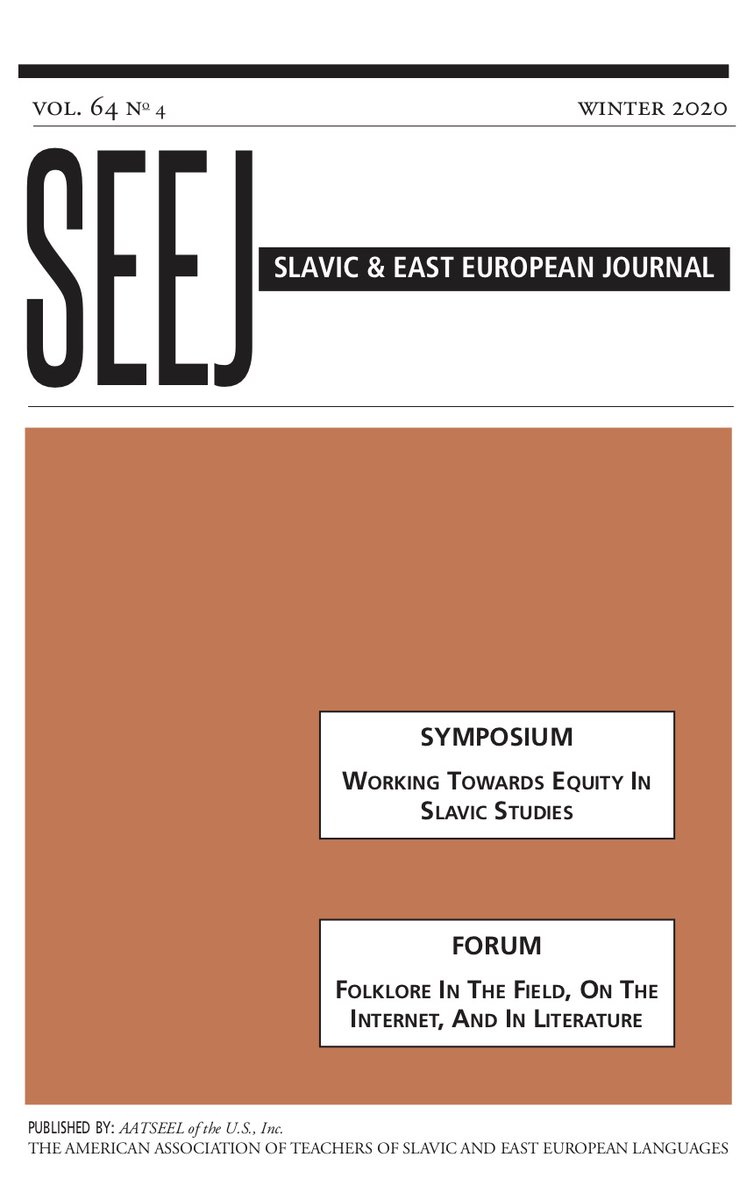
We're happy to announce the publication of SEEJ 64.4 (Winter 2020). This issue features the Symposium "Working Towards Equity in Slavic Language and Literature Programs: Experiences from the Unites States" and the Forum "Folklore in the Field, on the Internet, and in Literature."
In SEEJ 64.2, Laura Janda explores how Michael Ajvaz engineered his artlang, Yggur, to wield power over the protagonist of Lucemburská zahrada (The Garden of Luxembourg), showing the reader that potent messages can be embedded in seemingly random patterns. https://t.co/6f8zqIFwJW
Ivan Wernisch’s “highly idiosyncratic language that seems distantly related to an archaic form of Czech”; and Jan Lukeš’s Išhi language. The other articles in this forum examine Ajvaz's own artificial language, Yggur. See the issue Table of Contents: https://t.co/OHn0FgYQK2 (3/3)
The summer issue of SEEJ (64.2) features a forum that explores the work of celebrated Czech author Michal Ajvaz. Ajvaz traces the history of artificial languages in the Czech context. These include Svatopluk Čech’s “moon language”; Vladimír Holan’s poetic neologisms; (1/3)
Zbyněk Hejda’s “speech of death”; Ptydepe, invented by Ivan Havel and used by his brother Václav in one of his early plays; T. R. Field’s playful Krhút language, which is reminiscent of the language of Lewis Carroll’s “Jabberwocky”; (2/3)
While the introduction of online education might feel unprecedented, a look back at the history of a similarly new technology—instructional television in the 1950s—is revealing, while also highlighting key differences.
Szabolcs László writes for SEEB:
https://t.co/lzUbjmtd5f
We are happy to announce the publication of SEEJ 64.2 (Summer 2020). This issue features the 2020 AATSEEL Keynote speech, the 2020 AATSEEL presidential panel on the state of the field, and a forum entitled "Artificial Languages in Czech Literature." TOC: https://t.co/6f8zqIFwJW
In SEEJ 64.1, Lusia Zaitseva examines the memoirs of Nadezhda Mandel'shtam through the lens of childhood, which both reveals new facets of their complexity and accounts for more of their contradictions than previous modes of analysis. https://t.co/JCh7pJsQNc
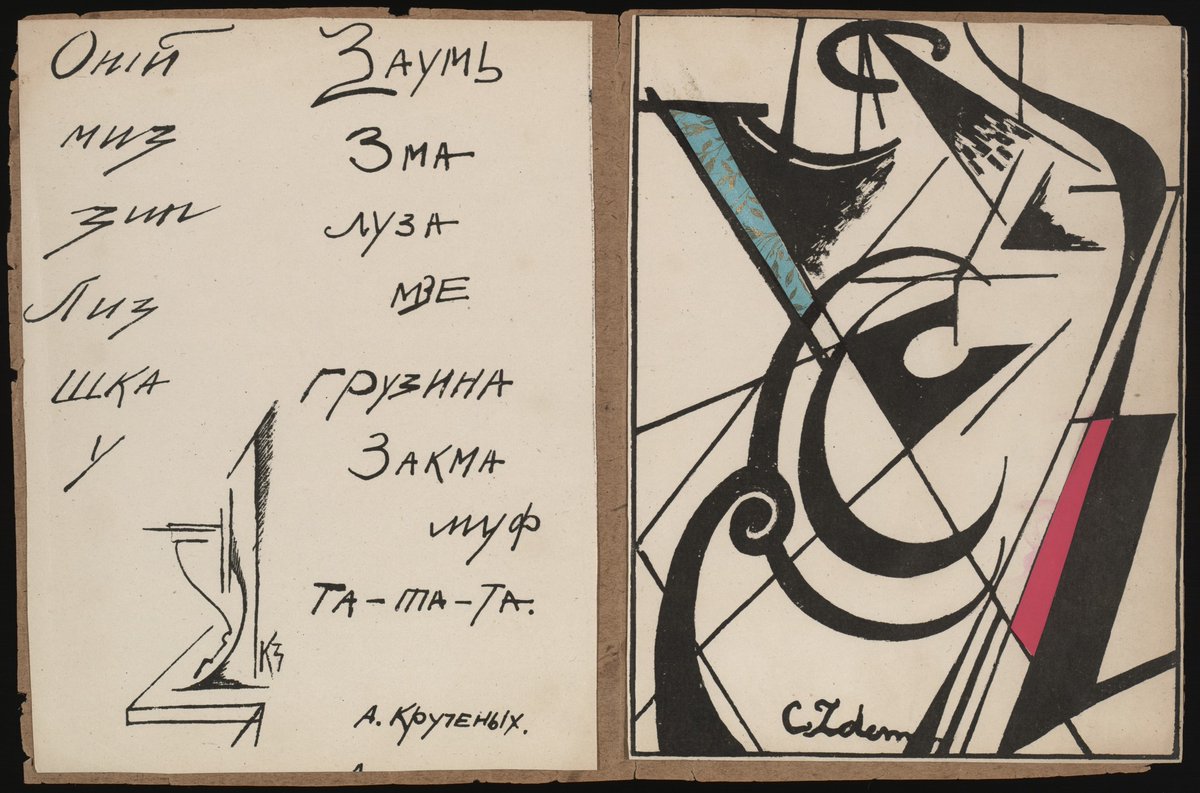
Jason Strudler proposes a new model for interpreting Aleksei Kruchenykh's experimental poetic language "zaum" based on its description as “zero” by the poet in numerous texts from the late 1910s. Abstract and more: https://t.co/JCh7pJsQNc
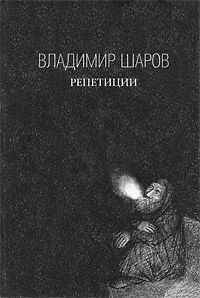
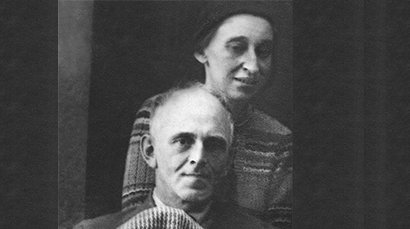
Philip Ross Bullock explores Sharov’s sympathy for, debt to, interest in, and intertextual borrowings from Andrei Platonov, arguing that Sharov’s novel, The Rehearsals (Repetitsii), engages with the legacy of the early Soviet avant-garde. Full abstract: https://t.co/pq7K2FLEZi