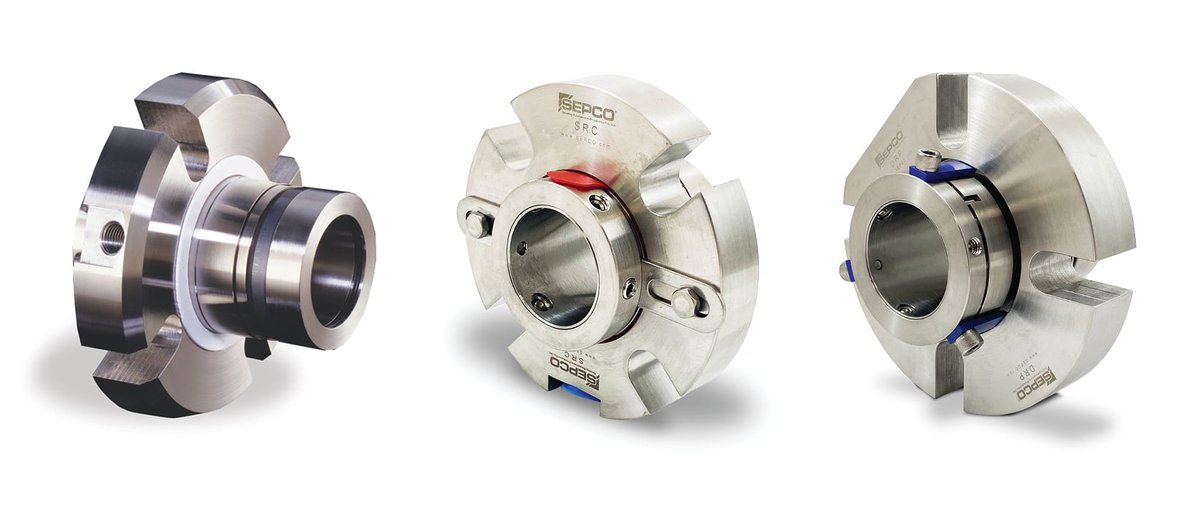
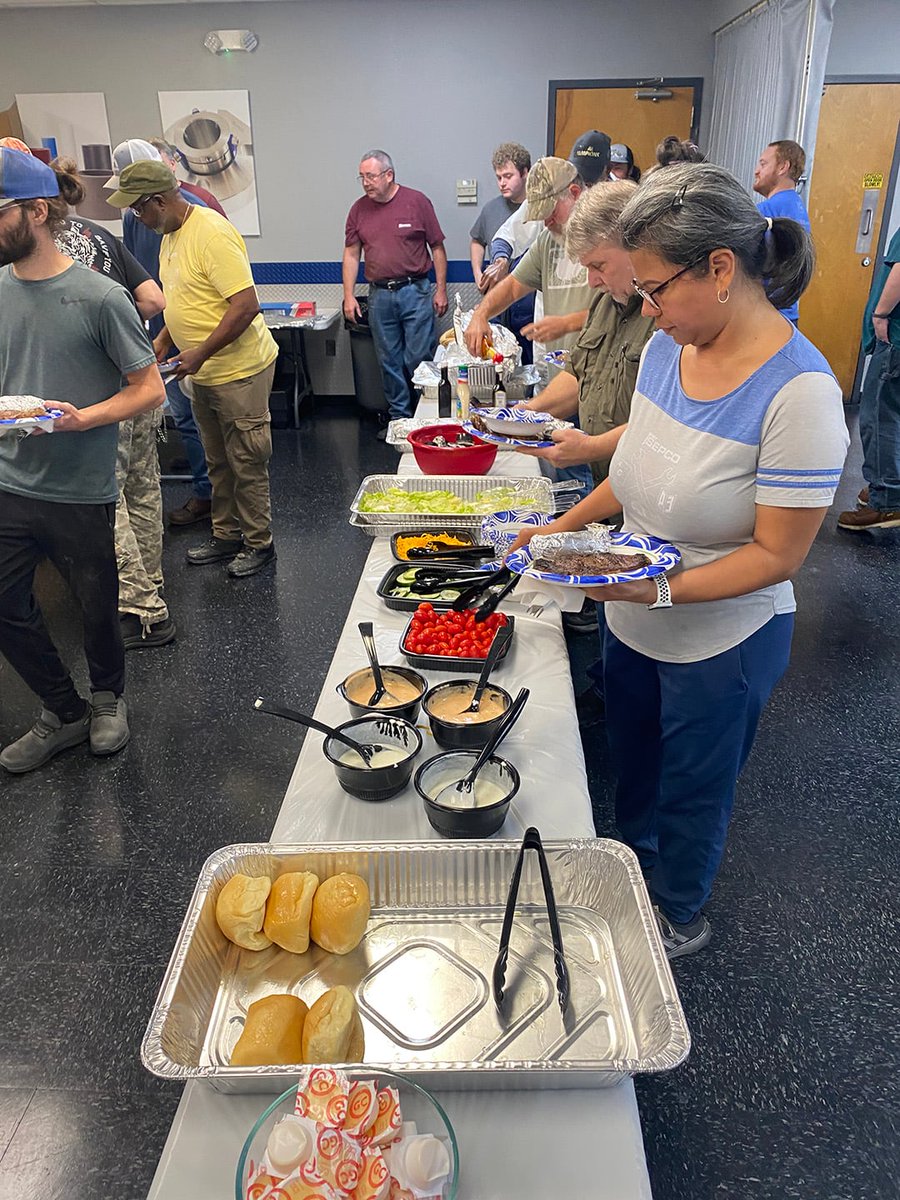
Today we honor every veteran who served, and the families who served alongside them. Plenty of the people who keep America’s plants running learned maintenance, troubleshooting, discipline and teamwork in uniform. To all of you: thank you for your service. #VeteransDay
Read the pump bearing sight glass, not just the level. Milky oil means water got in. Dark oil means heat or an overdue change. A dropping level means oil is getting out. Change the oil, then find the cause, or you’ll be changing it again next month. #Reliability
First hard freeze: turn standby pumps by hand before starting them. Ice in the seal chamber locks the faces together, and bumping the motor cracks carbon faces or shears drive pins. Won’t turn? Thaw it. Check Plan 53A pots and flush lines too. #MechanicalSeals
Friday Featured Product: SEPCO OMS Outside Mixer Seal. Built for mixers, agitators, and augers where a pump seal can’t take the shaft movement. Handles up to 1/4 in. of deflection, 150 psig, and -20 to 250°F. For toxic service, use a double seal.
https://t.co/oNbwjSlgmg
An EXP installed with the expulsion port at 12 o’clock can’t drain what it collects. Mark the port before you press the stator in. It goes at 6.
Our retrofit guide covers the measurements, prep, and first-run checks: https://t.co/C31GiaKc45
#BearingProtection
API doesn’t certify packing. API 622 is a type test: 1,510 strokes, five heat cycles to 500°F, 600 psig methane, 100 ppmv max, no retorque.
Ask for the report: edition, every leak reading, ring count, stem size, gland load.
https://t.co/ylqAKlDJQk
#API622#LDAR
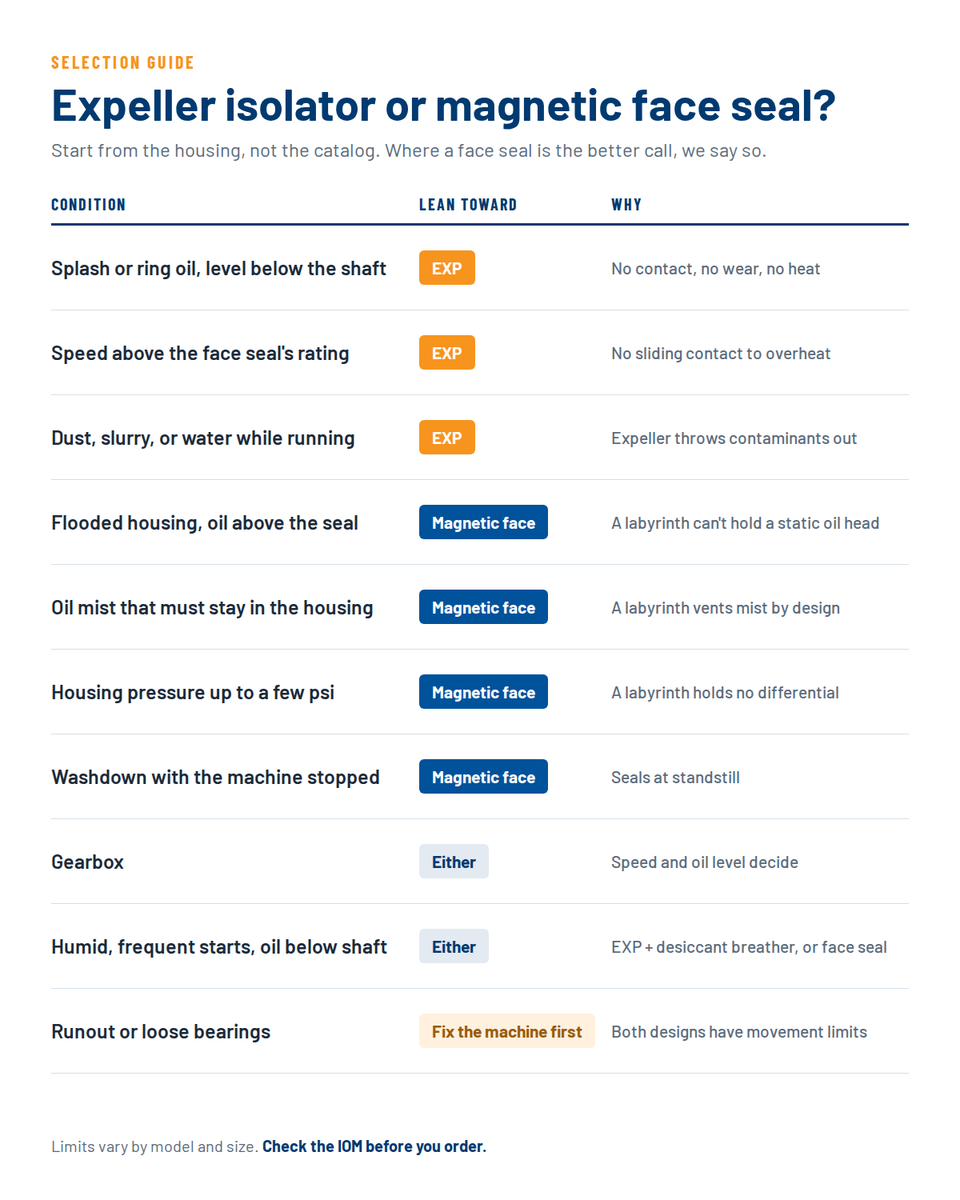
Expeller isolator or magnetic face seal? Oil level, lubrication method, surface speed, housing pressure, and what happens at standstill decide which one lasts. How each design works, how each one fails, and what to measure before you order:
https://t.co/R26CWgokdY
Plan 52 or Plan 53? If no process leakage can be allowed to reach atmosphere, you need pressurized barrier fluid. And watch the Plan 52 reservoir level: a rising level means the inboard seal is leaking. Our field guide to API 682 flush plans: https://t.co/9kp8rwRrvo
Friday Featured Product: SEPCO 500 graphite sheet. 98% pure graphite on a 0.002" 316 SS insert, no binders to cook out, rated to 932°F. Bolt it up in a star pattern, passes at 30/60/100%, then circular passes at 100% until no nut turns. https://t.co/jegA0hRtD8 #Gaskets
Packing needs flush water. Mechanical seals need a liquid film. Dry powder offers neither. An air seal swaps the liquid for clean air above vessel pressure. Losing air mid-batch is what fouls one. What it needs to run, and when not to use one: https://t.co/XJKDHpRvZq
New isolator leaking oil? Check these before you pull it:
1. Expulsion port at 6 o’clock
2. Oil level below the isolator drain
3. Rotor O-ring not cut on a keyway
How the EXP works and where installs go wrong:
https://t.co/rms0l0DMUu
#BearingProtection#Reliability
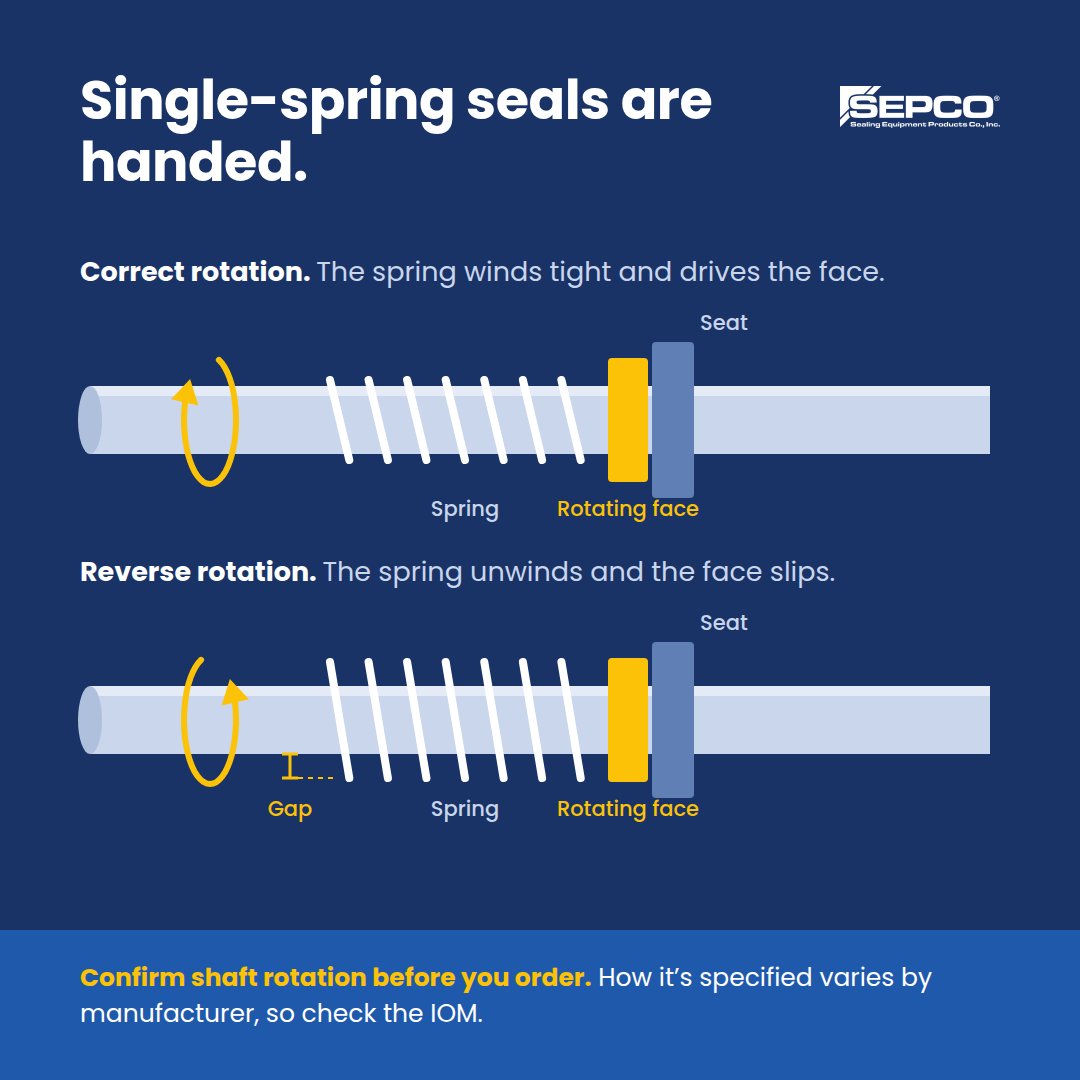
Single-spring seals are handed. With the right rotation, the spring winds tighter on the shaft and drives the face. Run it backward and the spring unwinds, loses grip, and the rotating face slips. Confirm shaft rotation before you order, not after it leaks.
Plenty of seal failures start on the pump curve. Run left of BEP and radial load climbs, the shaft deflects, and the faces see it every revolution. Throttled discharge valves and oversized pumps put you there. Check the operating point before changing seal designs.
Friday Featured Product: SEPCO CGS Cartridge Grease Seal. A single cartridge seal with a grease barrier cavity that keeps product from reaching atmosphere—no flush water, no barrier system. Not a substitute for a dual seal in toxic service. https://t.co/pyew6xrhUf
Wireless vibration sensors catch bearing wear weeks out. Mechanical seals rarely give that warning—they fail when conditions change: dry running, low flow, lost flush. Monitor flush flow, gland temperature, and operating point, not just the pump. #PumpReliability
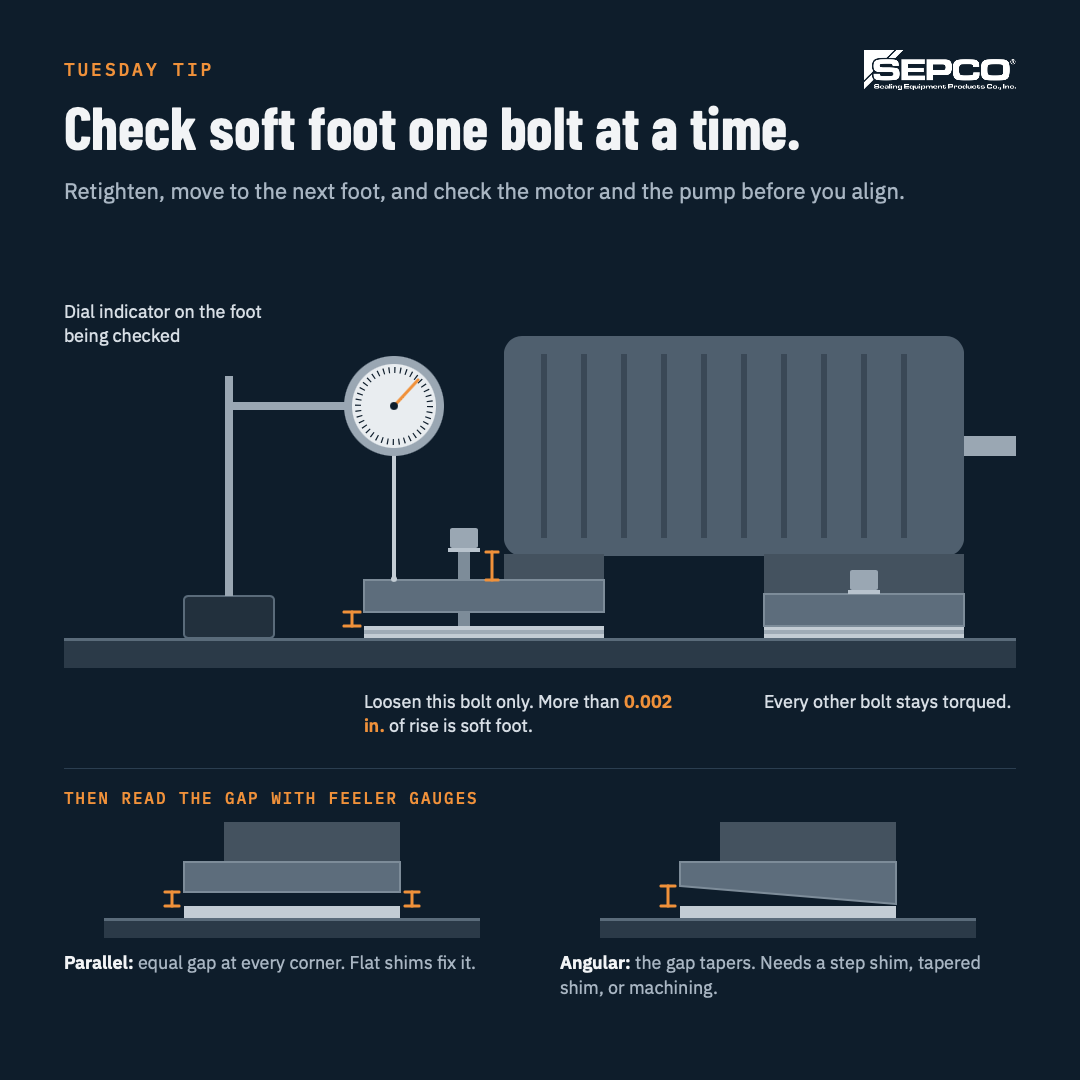
Tuesday Tip: Check soft foot one bolt at a time. Loosen a foot with a dial indicator on it; more than 0.002 in. of rise is soft foot. If it goes away with the pipe disconnected, it’s induced soft foot. Fix the piping, not the shims. Recheck after torque. #Alignment
A seal doesn't set pump pressure. It sees chamber pressure, and balance ratio decides how much reaches the faces. At 150 psi: about 105 psi face load unbalanced, 38 balanced.
Gauge the chamber before you blame the seal.
https://t.co/EO7DYCG3ck
#MechanicalSeals
Friday Featured Product: SEPCO HydraLoad. A bearing-grade bushing in the stuffing box steadies the shaft so packing lasts longer. The lantern ring is separate: if it cracks or clogs, replace the ring, not the assembly.
https://t.co/BiLf8vMsiy
#PumpReliability
Many "seal failures" trace back to how the seal went in: setting clips left on, gland nuts tightened unevenly, faces handled bare-handed.
Checklists catch some of it. Hands-on training and honest failure codes catch more.
https://t.co/3zzBFM3XBY
#MechanicalSeals
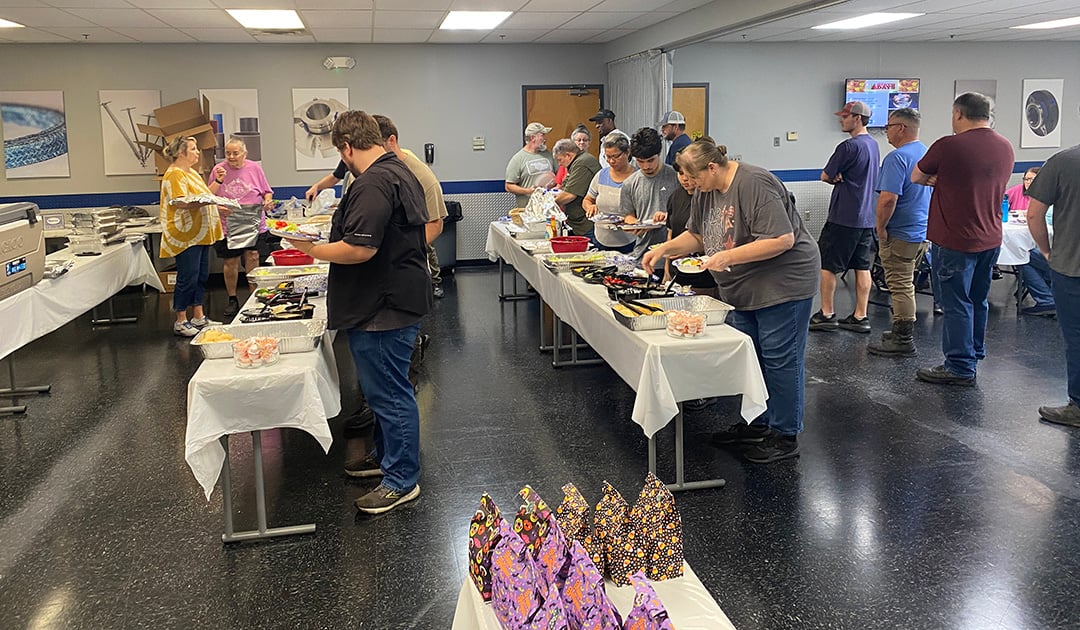
Annual SEPCO steak cookout today: ribeyes, baked potatoes, a full salad bar, and dessert. Thanks to the people who build, test, and ship our seals and packing every day, and to Matt, Jean, and Bobby for making sure everything was perfect.
#SEPCO#Manufacturing