🛫Flight planning is going digital with FF-ICE
It is one of the key building blocks for #TBO, enabling richer flight information exchange, more flexible trajectories, greater predictability and lower controller and operator workload.
Learn more➡️https://t.co/8ihmgxmpbs
🕹️🛬Remote towers are already changing the game in air traffic service provision, improving cost-effectiveness & resource allocation. SESAR is taking the concept further with multiple remote towers.
Learn more about this #SESARdelivers story 👉🏼 https://t.co/ZxGIloacC5 @SESAR_DM
🔐The digital transformation of #EU skies depends on secure & resilient information exchange.
SWIM services harmonise & secure information exchange across the aviation network, while SWIM PKI provides a secure framework for authentication & encryption.
👉🏼https://t.co/Jd0mI0L3a9
👏🏼 🛫Remote towers are changing how air traffic services can be provided at airports.
The first single remote tower deployment took place at Sweden’s Örnsköldsvik Airport in 2014 by @luftfartsverket, paving the way for further applications of the technology.
⬇️ @SESAR_DM
🛫As air traffic grows, airports need smarter ways to manage arriving aircraft and reduce congestion.
Extended Arrival Management (E-AMAN) gives controllers more time to sequence traffic by extending the AMAN horizon further upstream.
Discover more 👇🏼
https://t.co/0fvjwN9RT7
🌀⛅When winds change, the spacing between arriving aircraft needs to adapt too.
TBS-Pairwise enables controllers to determine the minimum safe separation between arriving aircraft, based on tailored values that take into account wind speed & aircraft-specific data
⬇️
🙌🏼 Integrating Airport and Network Operations Plans (AOP–NOP) helps #ATM stakeholders make better, more coordinated decisions and improves predictability across the network.
Learn more about this #SESARdelivers success story: https://t.co/Kfy7Xnbfrq
#DigitalSky@SESAR_JU
🛫 #SESARdelivers is back, highlighting 8️⃣ examples of how SESAR is transforming aviation performance, strengthening resilience and supporting a more competitive Europe, while delivering benefits for passengers and the environment.
https://t.co/EbweZK3uRw
@SESAR_JU@SESAR_DM
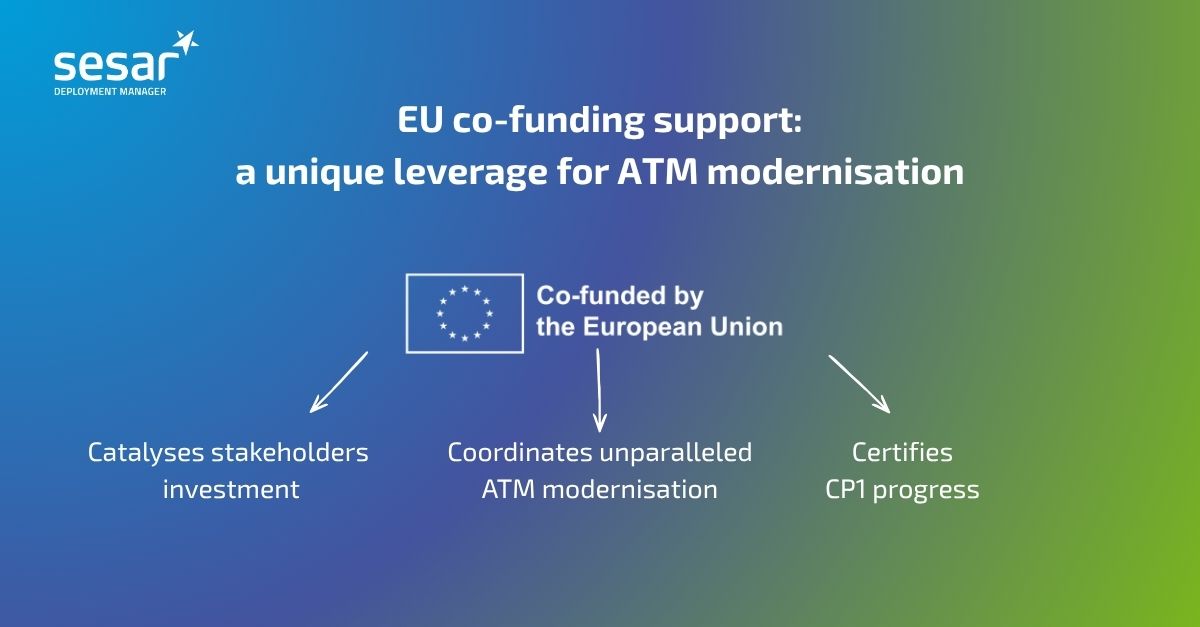
#DYK the combination of a mandate set forth by EU Regulation and industry-led, trusted coordination from SDM enables the synchronisation of an unparalleled amount of investment into #ATM modernisation?
#DYK every smarter flight path delivered by SDM is a step towards #EU’s climate goals?
✈️Flexible Use of Airspace and Network Operations Plan allocate and coordinate airspace traffic demand and capacity to reduce environmental impact of aircraft and critical infrastructure.
#DYK the synchronised deployment activities coordinated by SDM have been helping passengers spend more time where it matters?
✈️Free Route Airspace, Extended AMAN and Airport Collaborative Decision-Making enable shorter flights, fewer holding patterns and runway waiting times.
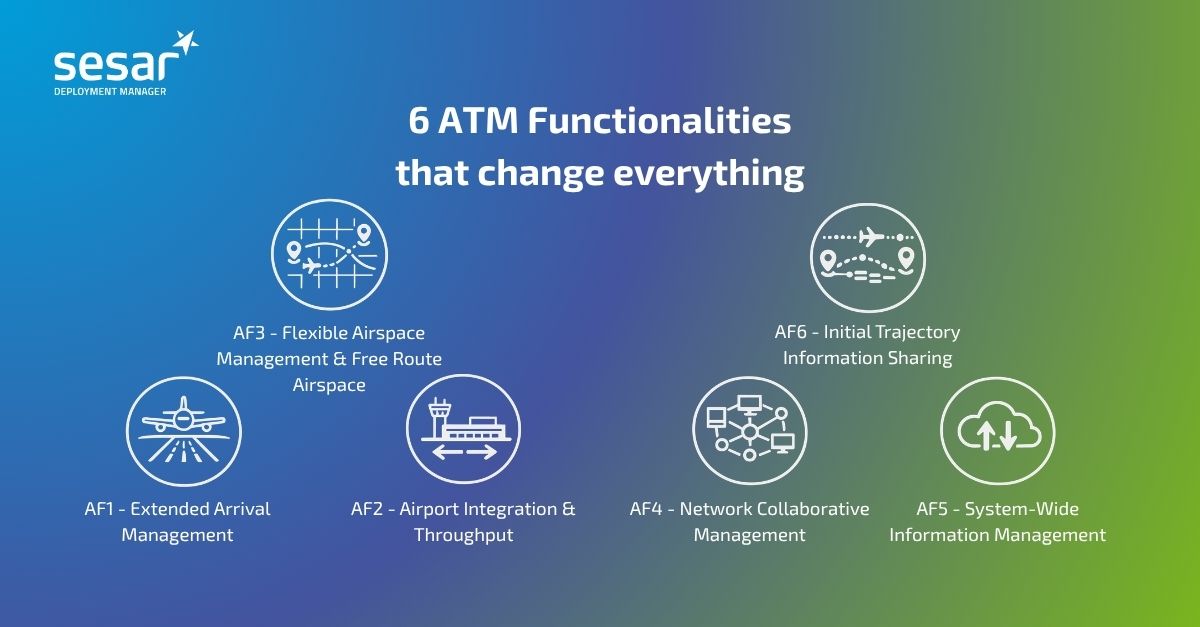
#DYK 6 key #ATM functionalities are eliminating bottlenecks, optimising routes, and enabling seamless data sharing between every actor in the Air Traffic Management network?
@ACI_EUROPE@eurocontrol@EUDefenceAgency#DYK for +10 years now, the synchronised deployment activities coordinated by SDM have delivered substantial benefits to passengers, the environment, and the aviation industry?
✅With 95% of #CP1 projects are already in operations or in progress, the future is even brighter.
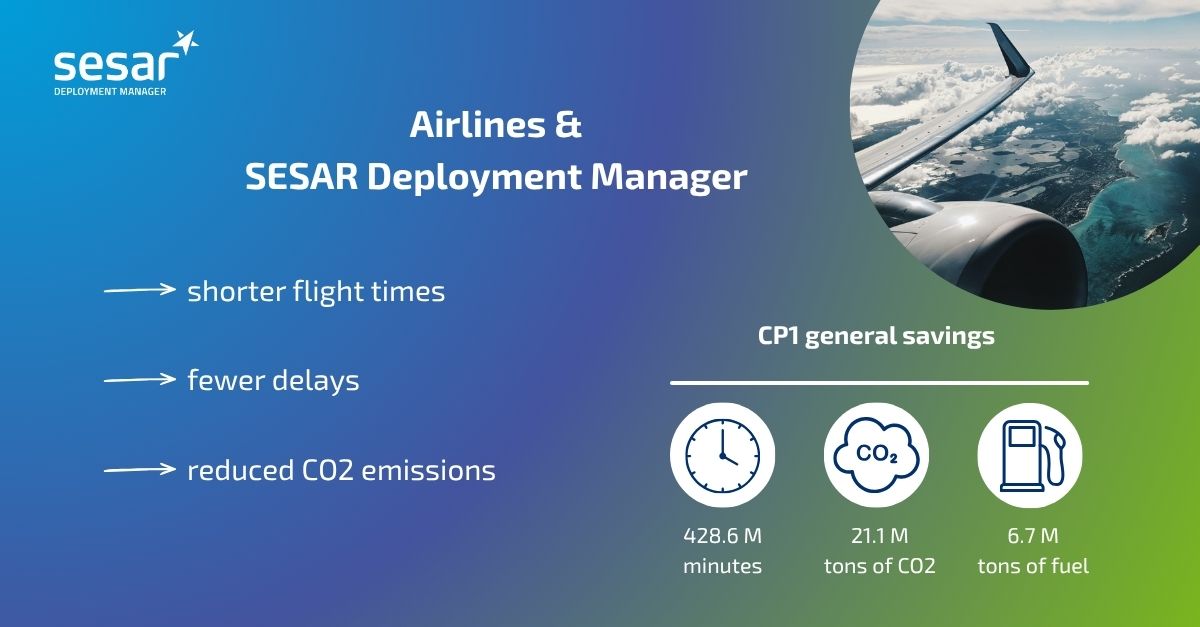
#DYK SDM works with 4 major airline groups operating 3 million flights and carrying approximately 500 million passengers across #EU skies and worldwide?
✈️Through CP1 implementation, airlines contribute to the modernisation of European #ATM while delivering measurable benefits.
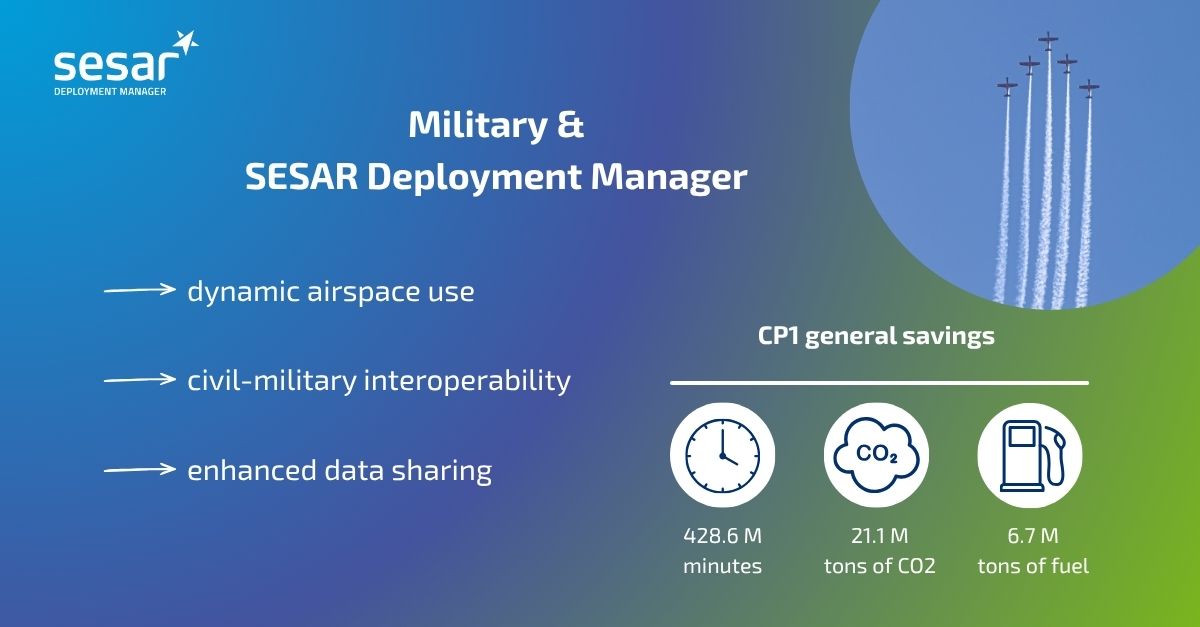
@ACI_EUROPE@eurocontrol#DYK military stakeholders, represented by @EUDefenceAgency, are integral partners in SDM that participate from an agile civil-military cooperation to guarantee all airspace users can access #EU skies in a safe and efficient manner at all times?
As project leader, @ENAIRE presented the progress made in the exchange of digital meteorological information through #SWIM/iWXXM standards, including the integration of volcanic ash information and new capabilities designed to support operational decision-making and enhance air traffic controllers’ situational awareness.