From FB….writer unknown…
“I’ve watched Princess Diana pass away.
I’ve watched Freddie Mercury pass away.
I’ve watched Michael Jackson pass away.
I’ve watched David Bowie pass away.
I’ve watched Prince pass away.
I’ve watched George Michael pass away.
I’ve watched Whitney Houston pass away.
I’ve watched Tina Turner pass away.
I’ve watched Aretha Franklin pass away.
I’ve watched Amy Winehouse pass away.
I’ve watched Olivia Newton-John pass away.
I’ve watched Meat Loaf pass away.
I’ve watched Ozzy Osbourne pass away.
I’ve watched Dolly Parton pass away.
I've watched Elvis Presley pass away.
I’ve watched Robin Williams pass away.
I’ve watched Patrick Swayze pass away.
I’ve watched Alan Rickman pass away.
I’ve watched Paul Walker pass away.
I’ve watched Matthew Perry pass away.
I’ve watched Maggie Smith pass away.
I’ve watched Gene Hackman pass away.
I’ve watched Betty White pass away.
I’ve watched Dame Angela Lansbury pass away.
I’ve watched Queen Elizabeth II pass away.
The List Is Endless
I’ve watched the world say goodbye to legends I genuinely thought would be here forever.
I was alive when the Berlin Wall came down.
I watched Nelson Mandela walk free.
I remember Live Aid.
I remember the death of John Lennon.
I was alive when 9/11 changed the world forever.
I’ve lived through a global pandemic.
I’ve witnessed the rise of the internet and the birth of artificial intelligence.
I’ve watched records become cassettes, cassettes become CDs, and CDs become streaming.
I’ve watched VHS become DVDs, DVDs become Blu-rays, and eventually everything become Netflix.
I’ve watched cinemas go from packed Saturday afternoons to films appearing on our televisions at the touch of a button.
I remember when MTV actually played music videos.
When Top of the Pops was essential viewing.
When the Christmas number one actually mattered.
When we recorded the Top 40 off the radio and prayed the DJ wouldn’t talk over our favourite song!
I remember Michael Jackson’s Thriller.
Madonna’s Material Girl.
Queen at Live Aid.
The rise of Wham!, Duran Duran, Culture Club and the Spice Girls.
I remember when going to Blockbuster was the highlight of a Friday night.
When we waited an entire week for the next episode of our favourite television programme.
When Dallas, Dynasty, EastEnders and Only Fools and Horses brought families together around one television.
Landlines became mobiles.
Mobiles became smartphones.
And somehow our phones became cameras, maps, computers, televisions and practically our entire lives.
I remember life before Google.
Before Facebook.
Before Instagram.
Before TikTok.
Before Amazon delivered something to your doorstep the very next day.
I remember handwritten letters.
Birthday cards through the post.
Disposable cameras.
Photo albums.
Telephone boxes.
Video rental shops.
And knocking on someone’s front door just to see if they were home.
I remember when you could disappear for an entire afternoon and nobody knew where you were.
When photographs were precious because you only had 24 exposures.
When music wasn’t just something you listened to. It was something you owned, held, collected and treasured.
We didn’t just live through a few decades.
WE LIVED THROUGH AN ENTIRE WORLD CHANGING.
We watched icons become legends.
We watched legends become memories.
We watched technology transform everything we knew.
And somewhere along the way, the world we grew up in quietly disappeared.
Yet somehow, the 1980s still feel like they were only ten years ago.
I’d give anything for just one more Saturday afternoon in that world.
No notifications.
No algorithms.
No endless scrolling.
Just great music, wonderful people, simpler pleasures and a whole lifetime still ahead of us.
WE REALLY DID LIVE THROUGH THE BEST OF TIMES.
And my goodness, what a time it was to be alive.
TAKE ME BACK! 🙌🏼❤️”
1. Jättebra text av @iamhenrikm. 2. Det finns ngt rörande med alla dessa konspirationsteorier om att judar, som bara är ca 15 miljoner i hela världen och tillhör en icke missionerande religion, försöker styra och manipulera resten av världen att göra som oss. Kämpa gumman!
Här presenterar @AsfyXi den viktigaste tråden på länge, om man och suicid, vi måste börja prata om mäns psykiska ohälsa. Framförallt måste vi vara öppna för att lyssna och visa att det inte är fel att söka hjälp.
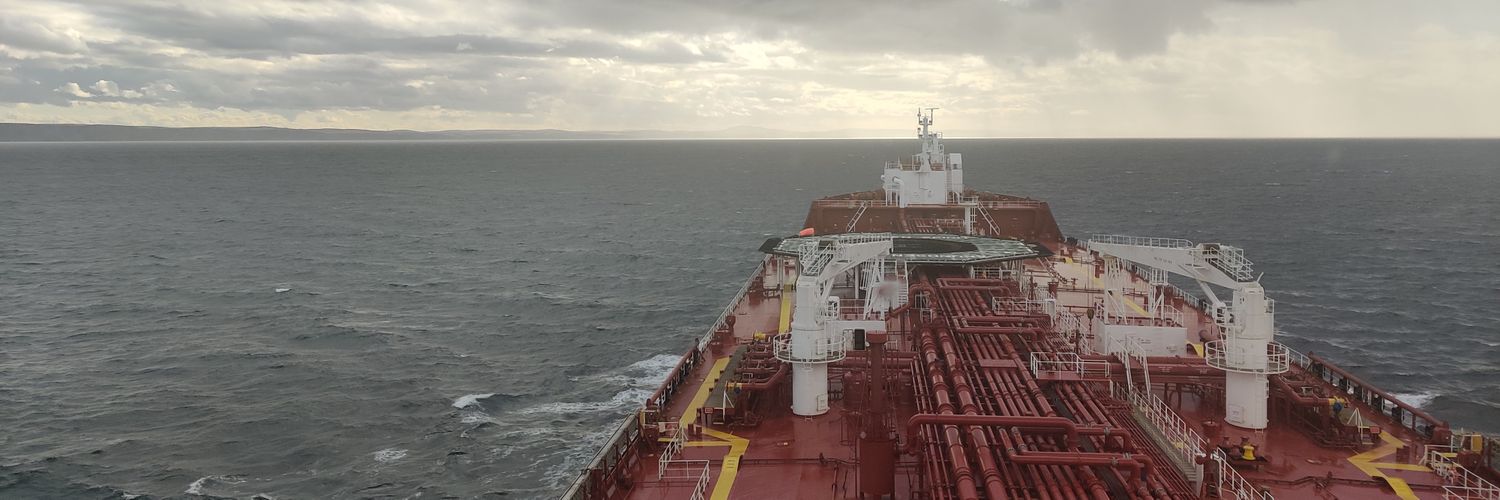
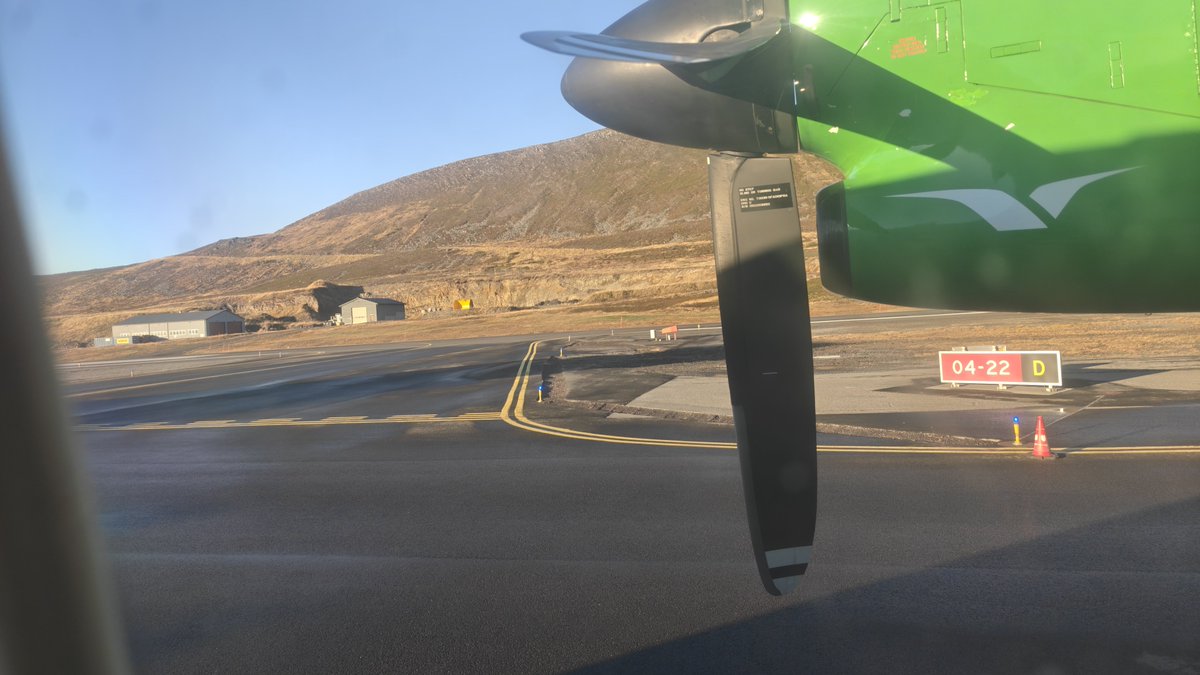
Sitter och väntar på flyg på Arlanda loungen.... Jobba i 4 veckor igen
En lite film om våra två olika typer av bavigationsradar ombord för den som är intresserad.
https://t.co/ahrerlsvgX
In 1940 Britain was losing merchant ships to U-boats faster than it could build new ones. So a Sunderland shipbuilder named Cyril Thompson got on a ship and crossed the Atlantic.
Sunderland was one town on the River Wear in northeast England. During the war its yards launched about a quarter of all the merchant tonnage Britain built. Men riveted hulls by hand under barrage balloons, and the Luftwaffe bombed the town again and again because of what those yards were turning out.
Thompson's family yard, J.L. Thompson & Sons, had a design for a plain, slow, cheap tramp steamer, based on a ship they'd launched in 1939 called Dorington Court. Nothing fancy. It could carry about 10,000 tons of cargo and be built by workers who'd never seen a shipyard before.
He took the plans to America and ordered 60 of them. The Americans had no spare yards, so new ones were built from scratch in Maine and California to fill the order.
Then the US took the design for itself. American engineers swapped the rivets for welding, changed the engines and accommodation, and started building it in yards all over the country.
They built more than 2,700 of them. One, the Robert E. Peary, went from keel to launch in under five days.
They called them Liberty ships. FDR called them "dreadful looking objects." They carried the war to Europe and the Pacific.
All of it went back to a drawing office in Sunderland.
You think you’ve met some tough sailors?
Let me introduce you to one of the most badass sailors ever Commander Bill King, Royal Navy.
This absolute BADASS survived SIX YEARS of submarine warfare during WWII. No significant breaks. As other submarine captains were getting slaughtered by Germans, he kept returning to even the odds.
The he decided the best way to recover from the experience was to sail ALONE around the world in a 42-foot sailboat.
And somehow, that’s not even the craziest part of his story.
King was born in 1910. His father was killed fighting in WWI. At just 12 years old, he entered the Royal Naval College at Dartmouth.
By the outbreak of WWII, he was commanding British submarines.
Think about what that meant.
No nuclear propulsion. No modern sonar. No satellite intelligence. No helicopter rescue waiting overhead.
Just diesel engines, batteries, torpedoes, and a steel pressure hull separating you from a horrible death.
He fought through the Battle of the Atlantic and the Mediterranean campaigns before taking command of HMS Telemachus in the Pacific.
In July 1944, King hunted down and sank the Japanese submarine I-166 in the Strait of Malacca.
He was awarded the Distinguished Service Order TWICE, along with the Distinguished Service Cross.
He was reportedly the ONLY British submarine commander to remain in submarine command from the beginning of WWII to its end.
SIX YEARS.
Imagine the accumulated stress of six years hunting enemy warships while knowing that one depth charge could send you and your entire crew to the bottom.
The war ended, but it never really left him.
King later admitted that the experience had reduced him to a nervous wreck.
So what did he do?
He bought a ruined castle in Ireland, took up farming, and eventually decided he needed to get away from EVERYTHING.
In 1968, at the age of 58, he entered the inaugural Sunday Times Golden Globe Race.
The mission?
Race 9 other competitors to be the first to sail alone, nonstop, around the entire planet.
He built the 42-foot junk-rigged schooner named Galway Blazer II.
No GPS. No Starlink. No weather routing. No EPIRB.
Just celestial navigation, seamanship, and a lifetime of experience surviving in places where mistakes get people killed.
He sailed south into the Atlantic.
Then the Southern Ocean came looking for him.
A monstrous storm capsized his boat, destroying his masts.
King survived, rigged emergency sails, and eventually made it to South Africa.
Race over.
Worse? He lost the race to a young Merchant Navy officer.
You laugh but the other Royal Navy commander whose boat sunk in that race, was so embarrassed by being shamed by other naval officers that he hung himself.
Most men would have called it quits.
Not Bill King.
He tried again.
And again.
On a subsequent attempt, something enormous, possibly a shark or whale, slammed into his boat off Australia, punching a hole in the hull.
He spent DAYS making emergency repairs at sea.
Again, he survived.
Finally, in 1973, at the age of 62, SIXTY TWO, he completed his solo circumnavigation.
He had survived two world wars’ worth of family tragedy, six years of submarine combat, a dismasting, a capsizing, and a terrifying collision at sea.
And he was STILL sailing.
In 1975, the Cruising Club of America awarded him its prestigious Blue Water Medal.
But there’s one more part of his story I find extraordinary.
Decades after King sank the Japanese submarine I-166, the son of one of the Japanese sailors killed aboard that submarine visited him in Ireland.
Instead of hatred, the two families developed a friendship.
They planted trees together as symbols of peace.
Think about that.
A submarine commander who had spent years trying to kill the enemy ultimately found friendship with the family of a man he’d killed in battle.
Bill King lived to be 102 YEARS OLD. He simply refused to die.
Fair winds Commander 🫡