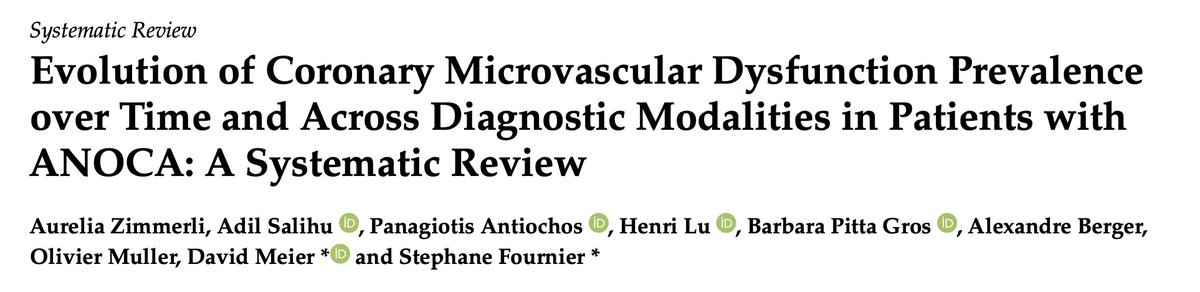
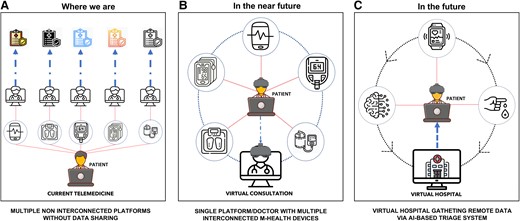
CMD prevalence: not so variable across studies, but across time! With better tools, all converge to ~50%. Brilliant work by Aurelia Zimmerli during her PhD in our unit! 📊🩺https://t.co/xfX8ogJ5cC
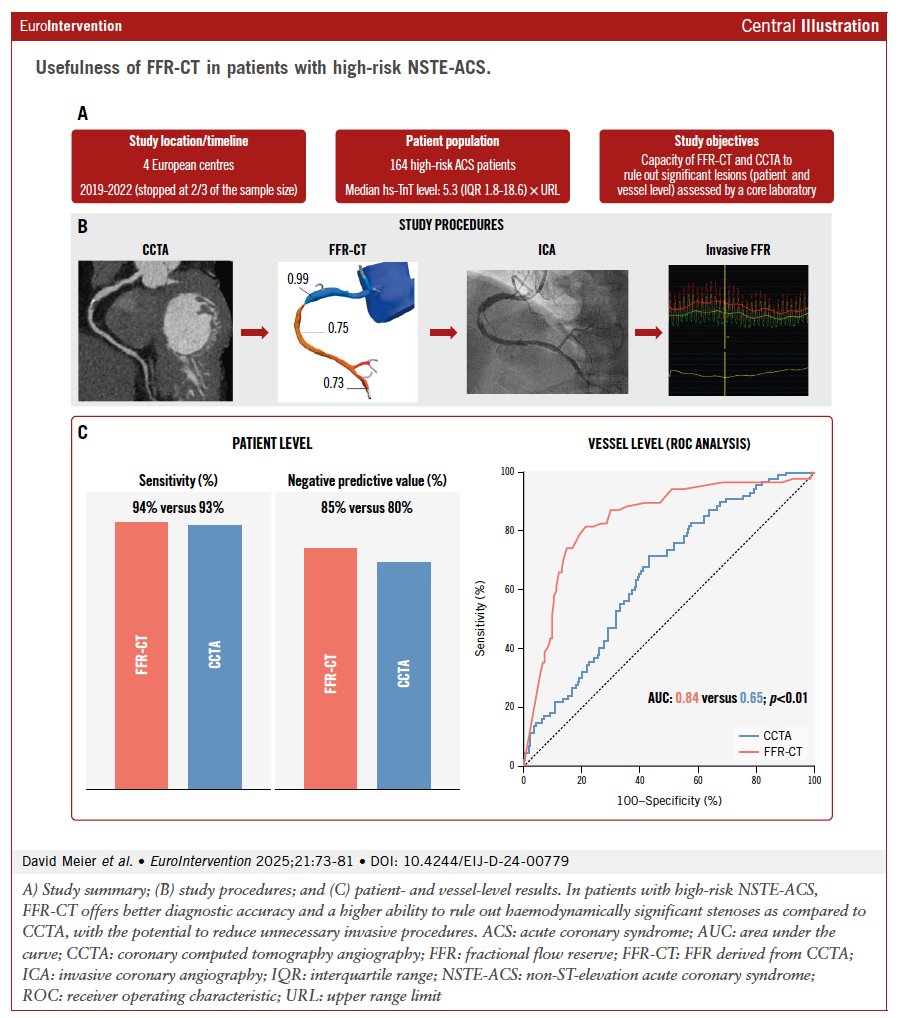
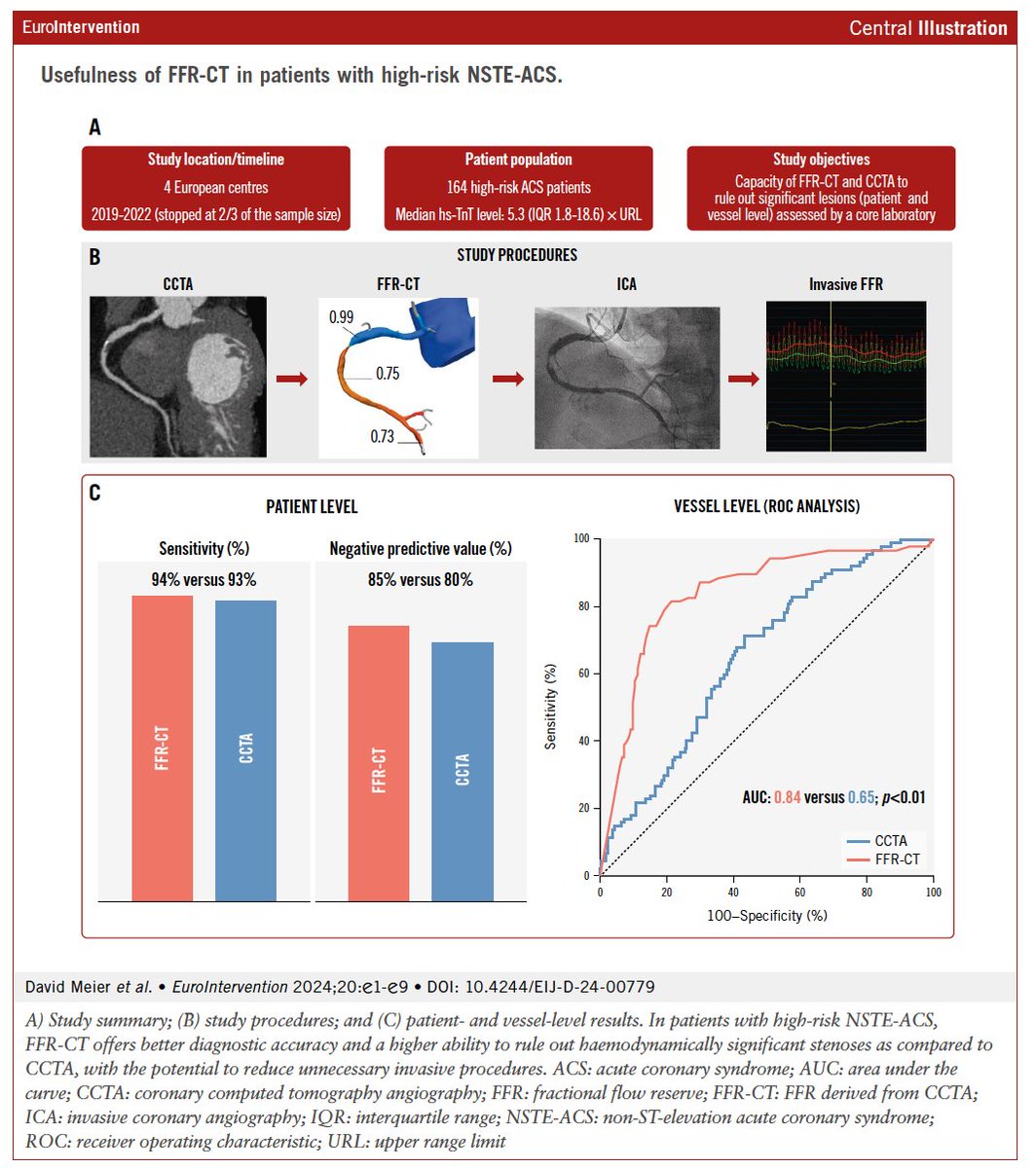
In high-risk NSTE-ACS, FFR-CT improves diagnostic accuracy and specificity over CCTA, better identifying significant lesions and potentially reducing unnecessary invasive procedures. However, confirmation in larger, randomized trials is needed.
https://t.co/4PR5ySFwDD
Proud to share our latest from the Interventional Cardiology Unit at @ServiceCardioCHUV: published in EuroIntervention and presented at TCT! 🌍
Our study shows FFR-CT’s potential to avoid unnecessary procedures in high-risk NSTE-ACS patients. Congrats to the team! 👏
Preliminary multicentre study presented at #TCT2024 suggests FFR-CT may reduce unnecessary angiographies in high-risk ACS patients. Implementing this approach could streamline care, but further confirmation and close collaboration with radiology are essential. #Cardiology #ImagingInnovation #EAPCI #cardiotwitter
https://t.co/M9fxiq33vd
@SFournierMD
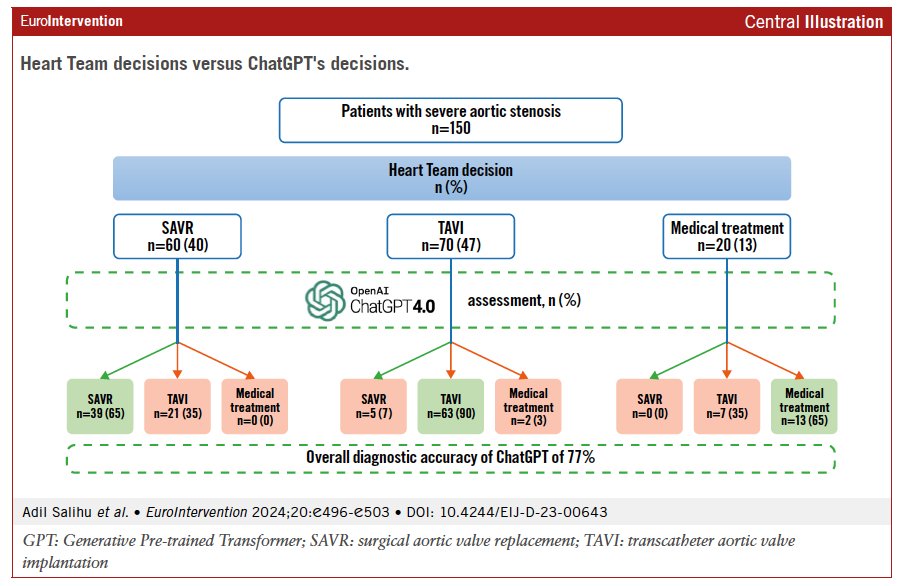
"The use of large language models and particularly ChatGPT showed an interestingly high agreement rate of 77% with the decision of the Heart Team regarding the management of severe aortic stenosis. The integration of artificial intelligence (AI) in routine workflows can enhance efficiency by providing an initial comprehensive evaluation of patient data, allowing the Heart Team to focus on critical aspects of patient care and deliberations. We acknowledge that AI should not replace the healthcare provider’s judgment, but rather serve as a valuable tool to support and expedite decision-making processes. "
https://t.co/0E0Clnz19d
Editorial by @ValentinKoch
https://t.co/y1zU7NweX1
Explore the latest advancements for treating coronary bifurcations in the free webinar “New tools and technologies in the treatment of coronary bifurcations”. With @GoranEBC, @SFournierMD and @MPAOSS
Thursday 22 February | 3:00pm Paris time (UTC+1)
Register for free ⬇️
Towards AI-assisted cardiology: a reflection on the performance and limitations of using large language models in clinical decision-making
https://t.co/bkSorc19CK
A new first for #EACPI
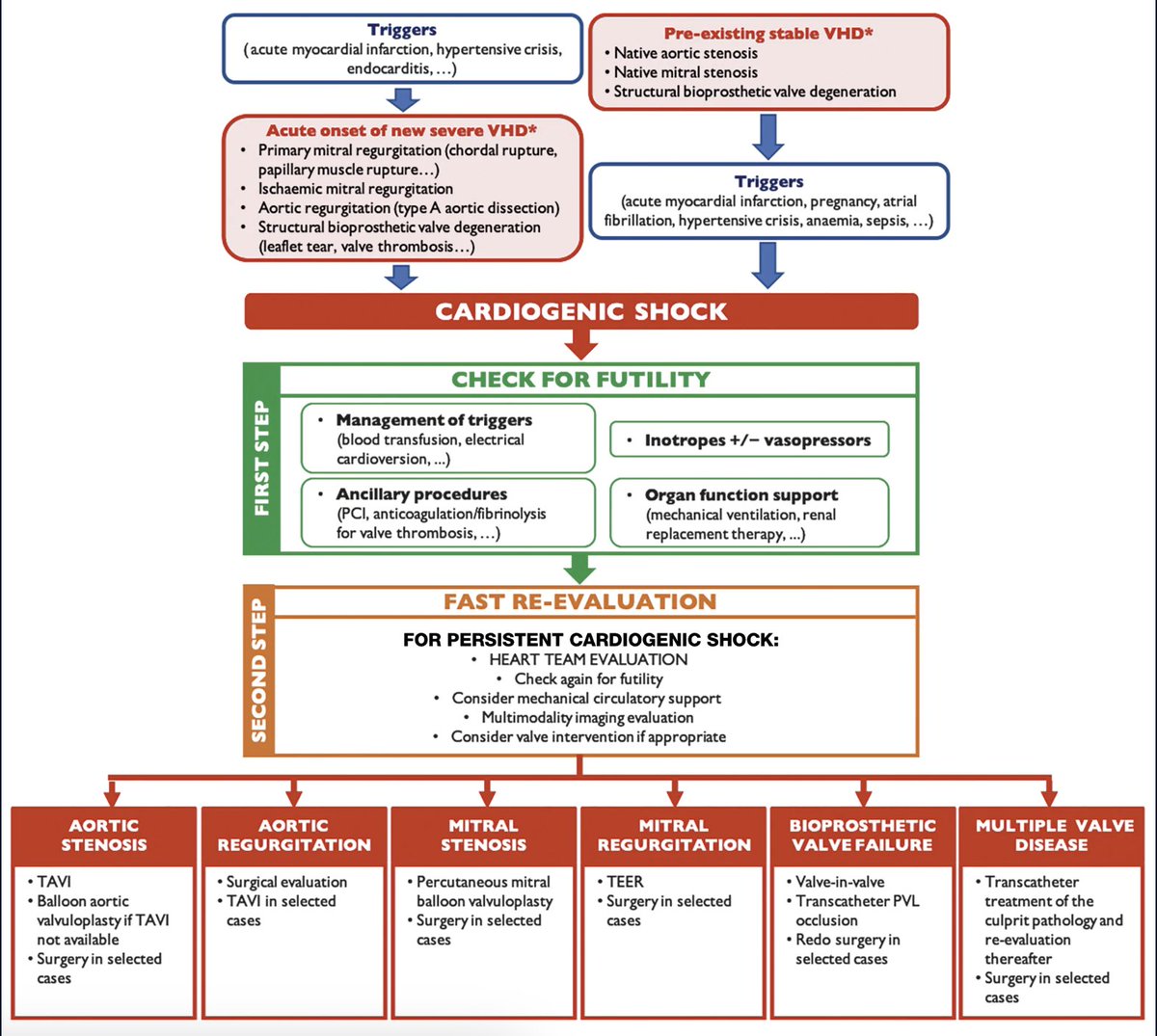
Simultaneous publication of an #EAPCI Consensus statement in @EuroInterventio on the occasion of #ESCCongress
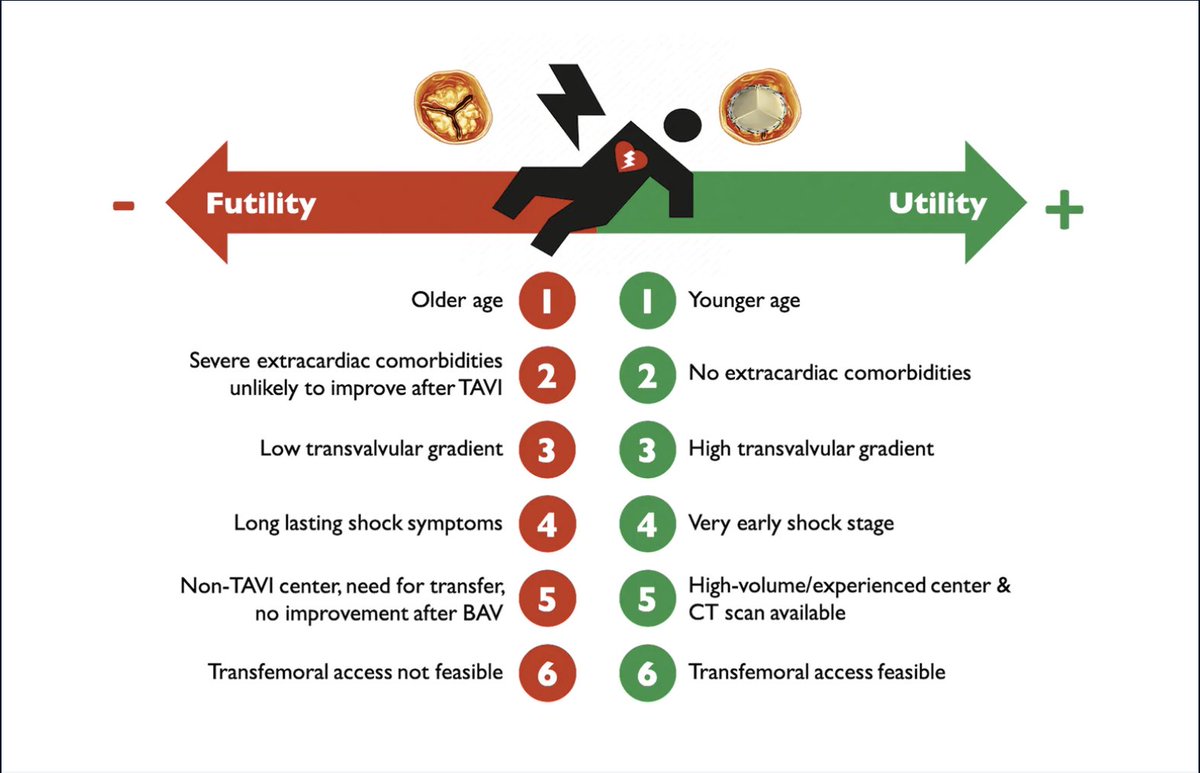
Transcatheter interventions for left-sided valvular heart disease complicated by cardiogenic shock
🔗https://t.co/k18xwrMUjC
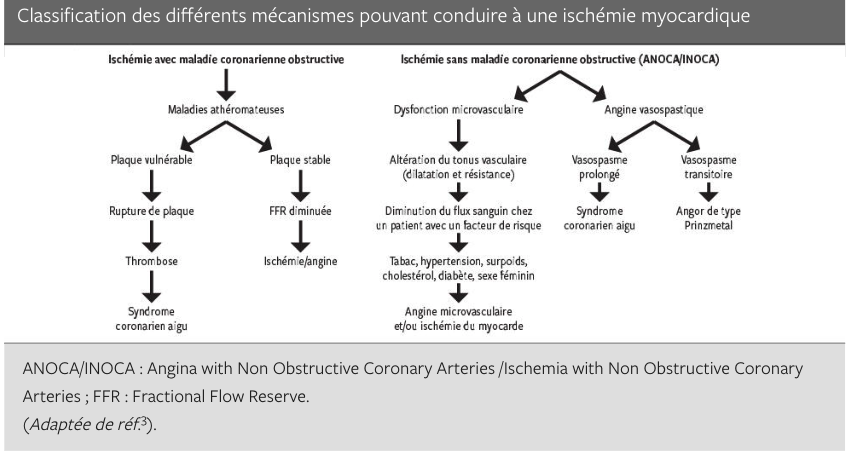
Notre nouveau numéro "Cardiologie" est en ligne. Vous pourrez y retrouver l'article "Prise en charge de l’angine de poitrine et/ou de l’ischémie sans maladie coronarienne obstructive (ANOCA/INOCA)", de @SFournierMD, @IoannisSkalidis : https://t.co/N1VVGGP8we
Just published ! Deep learning-based prediction of future myocardial infarction using invasive coronary angiography: a feasibility study !
https://t.co/ErVqYBbenZ
@cardioCHUV
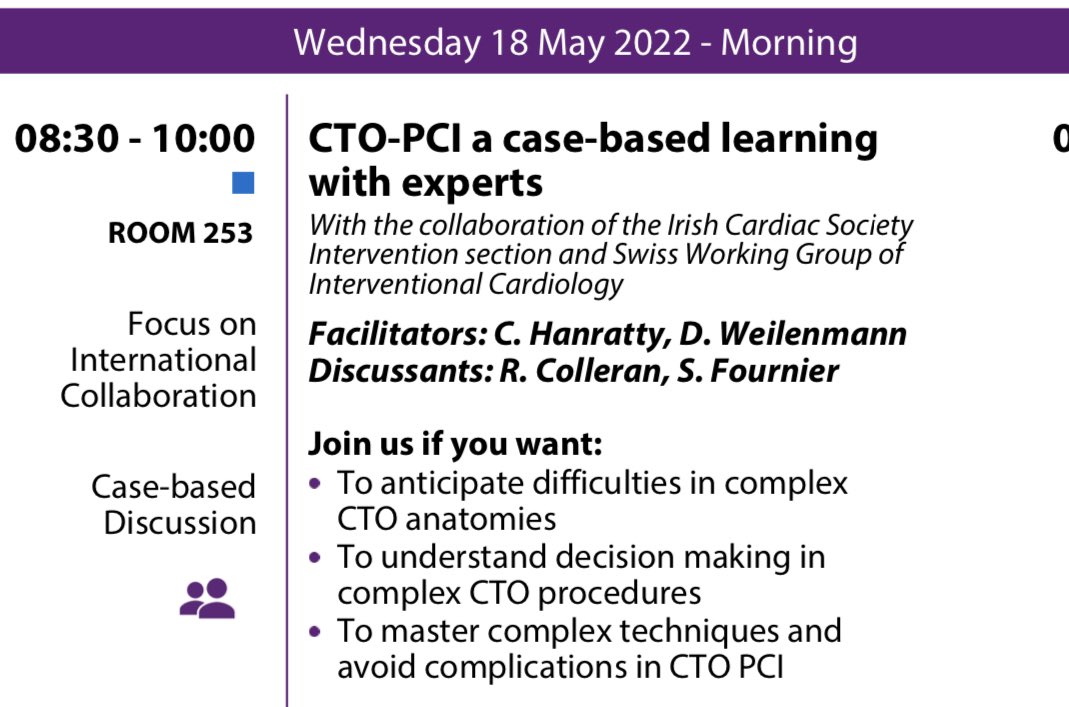
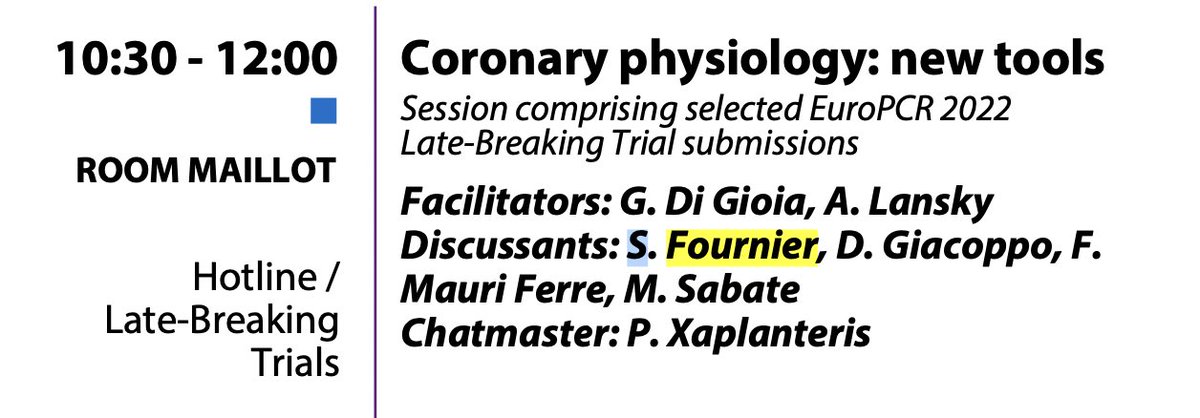
Looking forward to start this session dedicated to coronary physiology comprising selected LBCT submissions in 2 hours and to discuss the results with my friends @GiuseppeDiGioi9 and @panosxap#EuroPCR2022
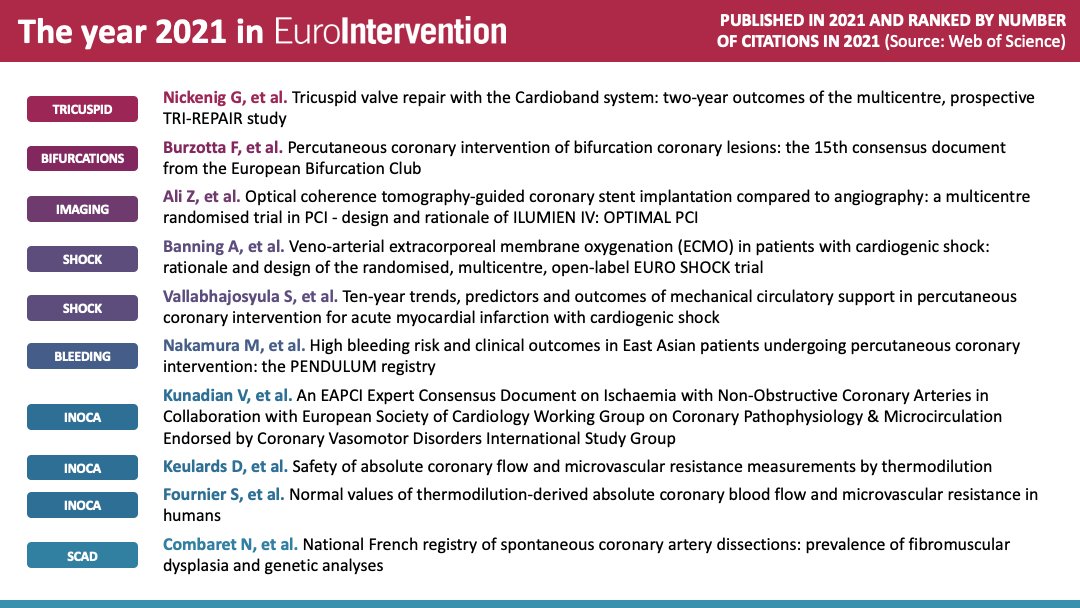
Looking back, 2021 was an important year in the evolution of the Journal, with transition to institutional subscriptions and ePubs ahead-of-print, landing on Instagram, and a better impact factor (6.534). Thank you for your continued support and confidence in EuroIntervention.