🎁FREE GIVEAWAY! Chances to win "Slowly Fading into Data":
🕹1 “Collector’s Edition”
🕹1 “Artist Edition”
How to participate? Like + RT.
Winners will be picked randomly and announced tomorrow Monday 11 July at 21h CEST. Good luck everyone🤞
+ info: https://t.co/j8LeMFeqQE
@MarkLRuffalo I would say in Latam several psychodynamic schools co-exist in a friendly manner, dogmatism has shifted to pragmatism and eclecticism, many practitioners still have faculty positions and even relate to research…(at least in Chile)…
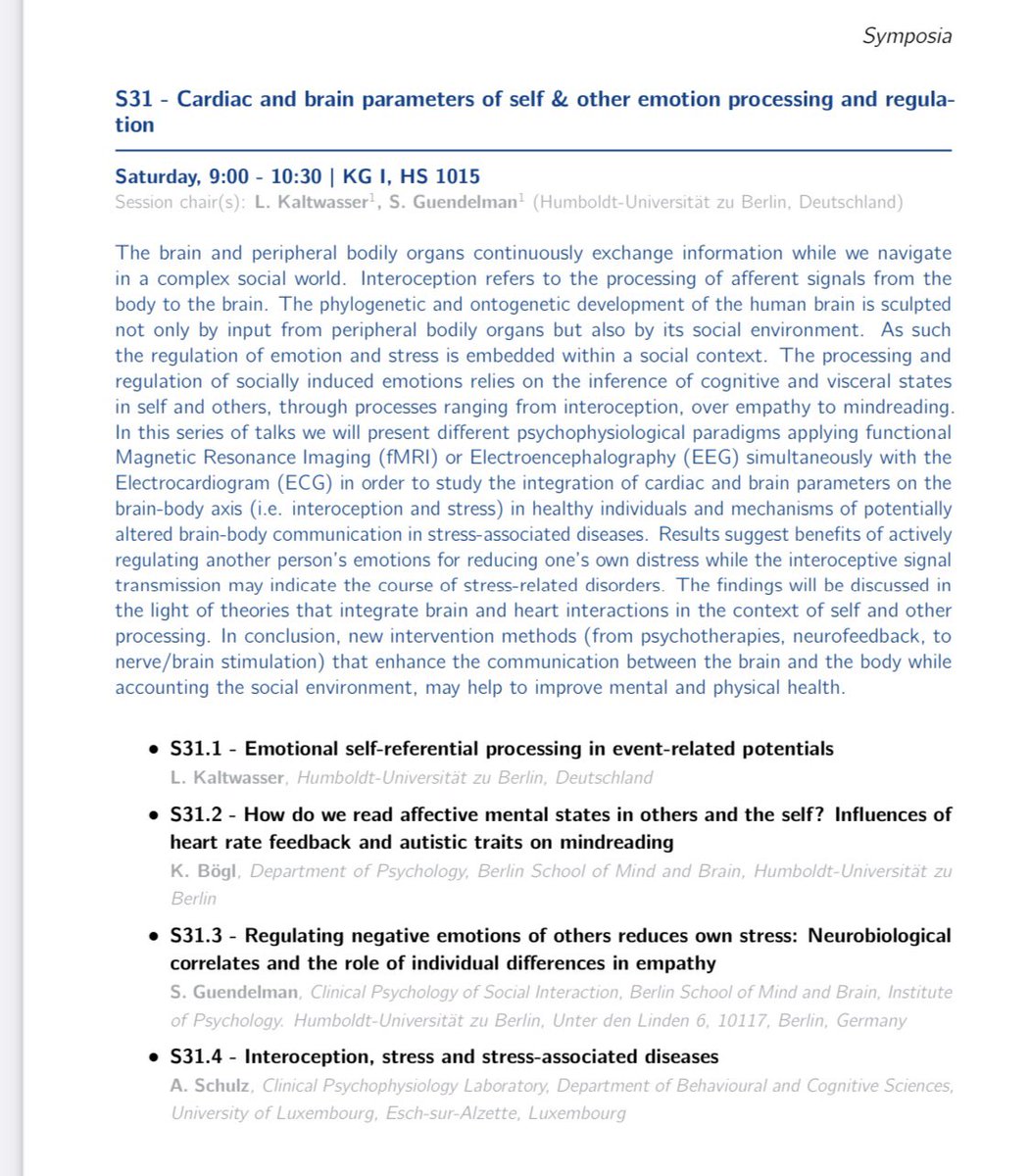
Here the link to the original article, “Regulating negative emotions of others reduces own stress: Neurobiological correlates and the role of individual differences in empathy”…https://t.co/aMOzepmrGN!
Happy to see our work referenced in https://t.co/TZGCIv8I2H magazine! An Unexpected Benefit of Helping a Person in Distress | Psychology Today https://t.co/nwj6RsF3w8
Finally, we show that effects are restricted to the self , we failed to find effects on social ER and empathy (emotional and cognitive), thus MBSR might provide tools for better managing own stress, but not necessarily to > empathy in social settings...
Extremely happy to share our last article on mindfulness and emotion regulation mechanisms, using an RCT - neuroimaging approach!
Big thanks to my great co-authors: @BayerMareike @ KristinPrehn and @Isabel_Potsdam
https://t.co/C4RokqmMzl
We also show that both cognitive reappraisal and acceptance are active ER strategies trained in MBSR, thus suggesting that not only acceptance-based, but also cognitive skills are part of the “mindfulness curriculum”
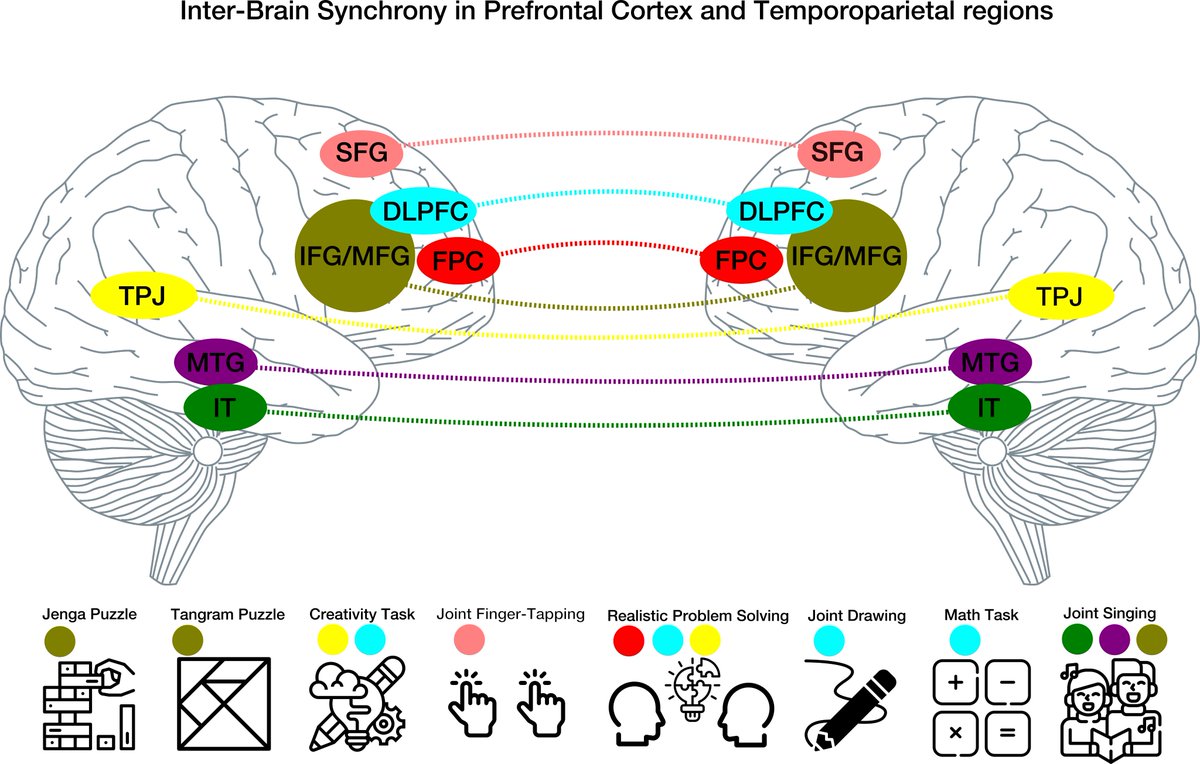
Cooperative behavior evokes inter-brain synchrony in the prefrontal and temporoparietal cortex: A systematic review and meta-analysis of fNIRS hyperscanning studies.
https://t.co/RWBqLUgU30
@SuzanneDikker@SLKoole@konigpeter