https://t.co/ey8LX1BvhX
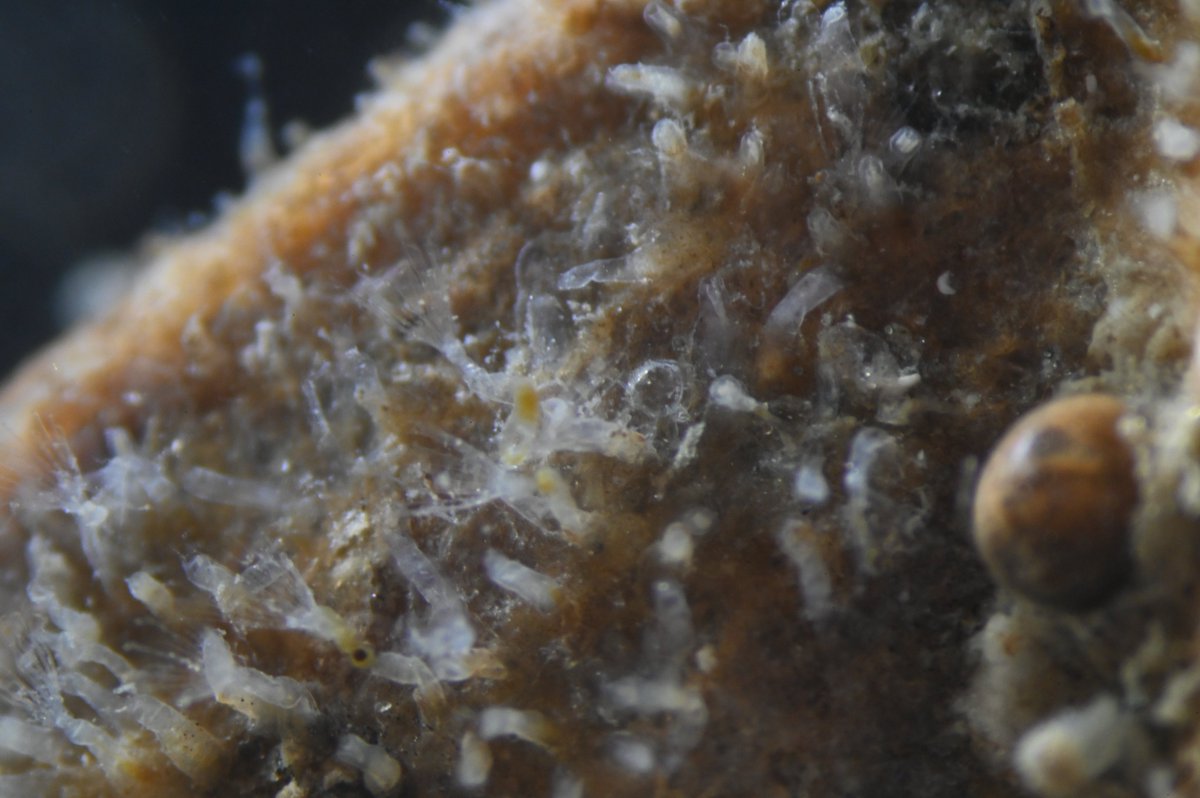
Finally out. Two years ago we rediscovered Monobryozoon ambulans from its type locality, Helgoland. Read more about its morphology and phylogenetic position here. with @SH_Decker @ahmedjoudahnass and Christian Baranyi
@AntoniettaRoss2 I was not taking any samples just images in the field while diving. Need to get permits for indonesia tho ;) But it would be very interesting for sure
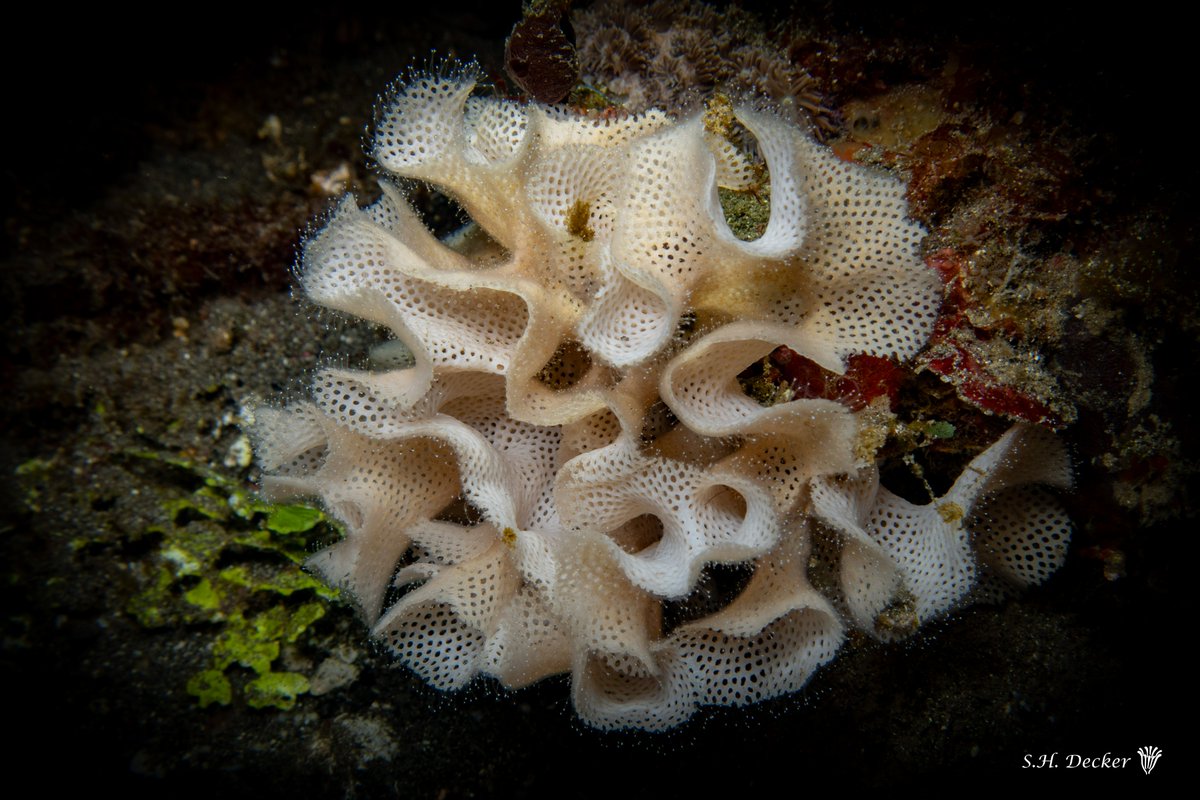
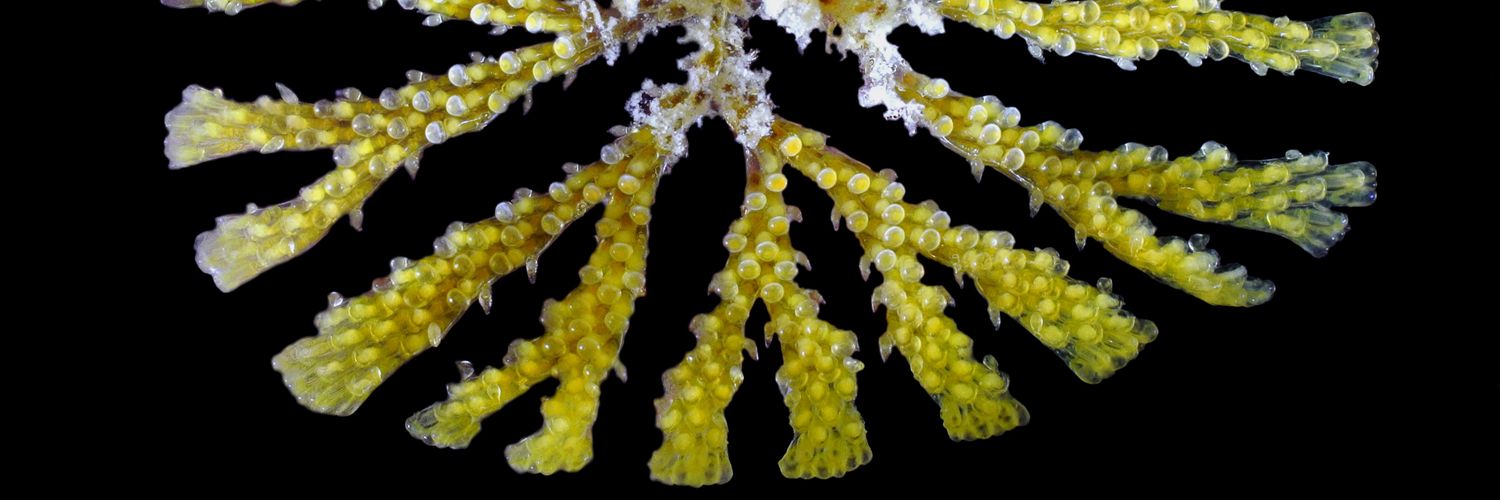
This beautiful bryozoan colony belongs to the genus Triphyllozoon (probably to the species trifoliatum). It seem to be widespread throughout the Indo-Pacific region as I encountered it in the Philippines, Malaysia and Indonesia and always co-occurs with a hydrozoan
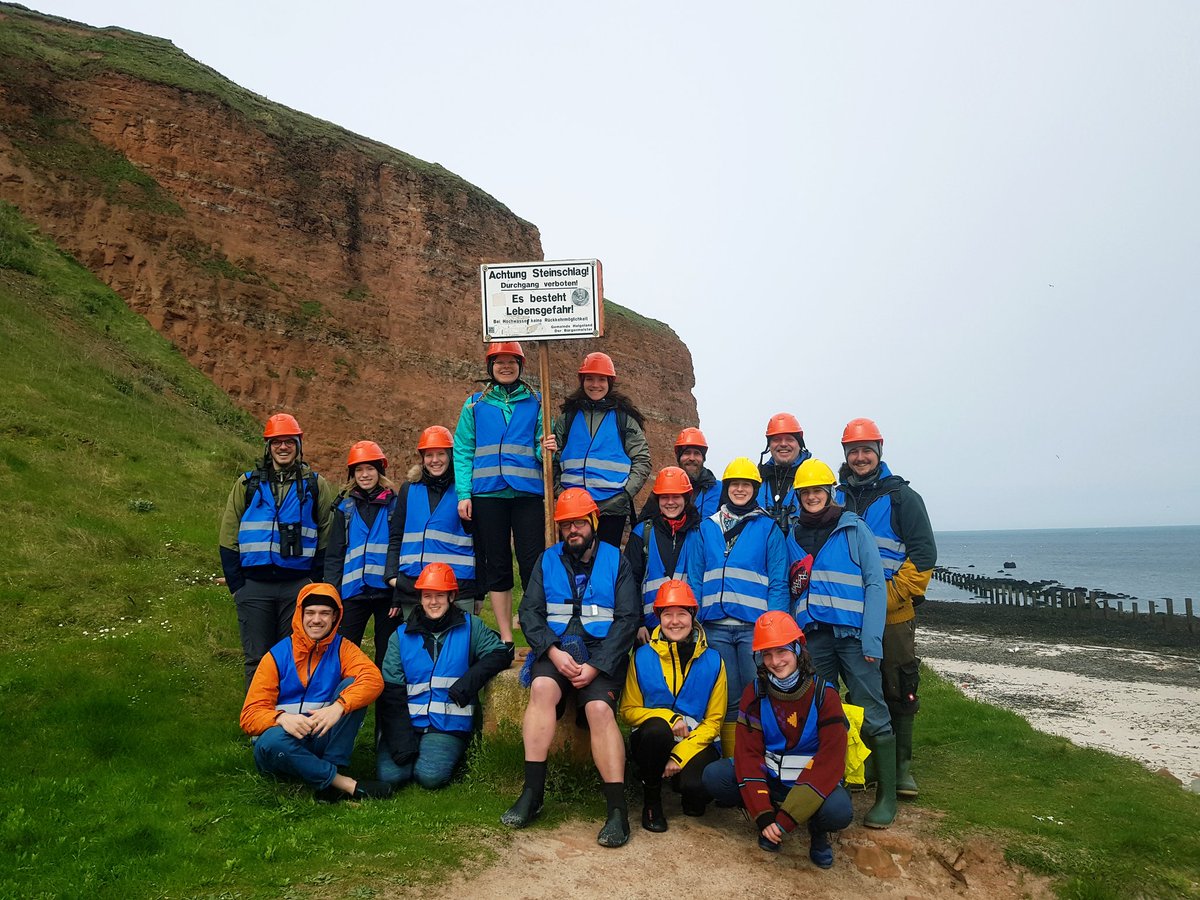
One month of fieldwork on Guam comes to an end and it has been a blast. Found plenty of bryozoans and watched my Penetrantia grow, while other amazing reef creatures watched me.
Thanks to @Sarah_TheSea#I
The bryodiversity of Dahab, Egypt still holds many surprises. I encountered more than 30 different bryozoan species over the years. Here a small collection @Dahab#Bryodiversity
🫶 fully funded PhD available in my lab👇
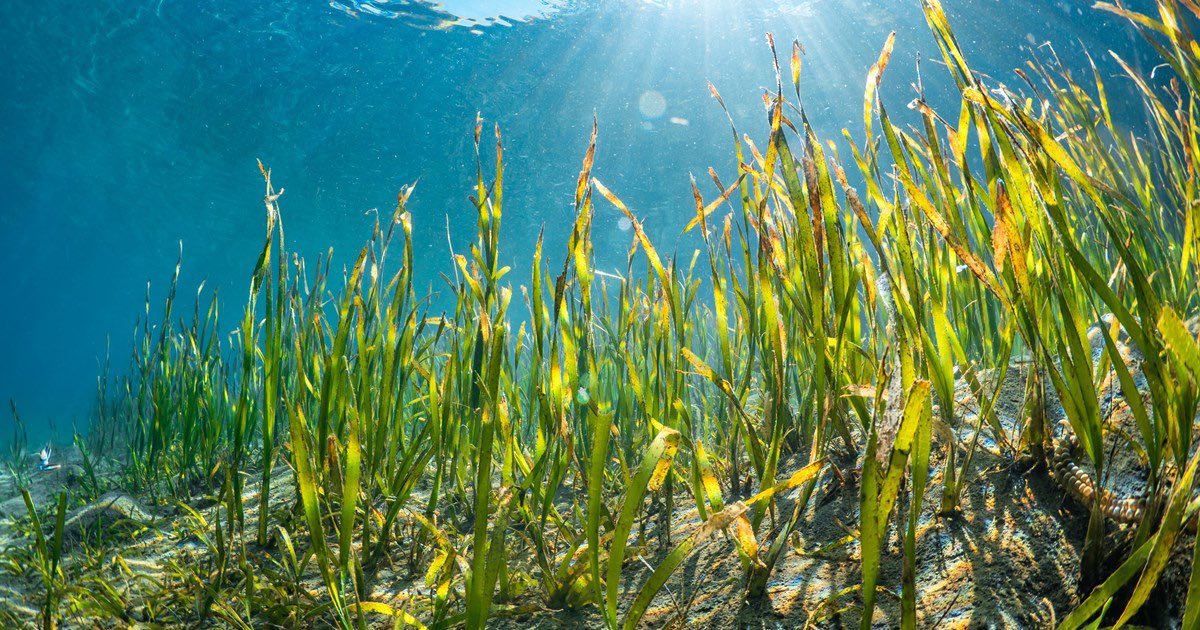
EXPLORING SEAGRASS MICROBIOME STEWARDSHIP TO PROMOTE HEALTHY ECOSYSTEMS UNDER VARIABLE CLIMATE CHANGE SCENARIOS
applications close midday, Friday 21 April 2023
For full details see https://t.co/DP0IBj3Rz2
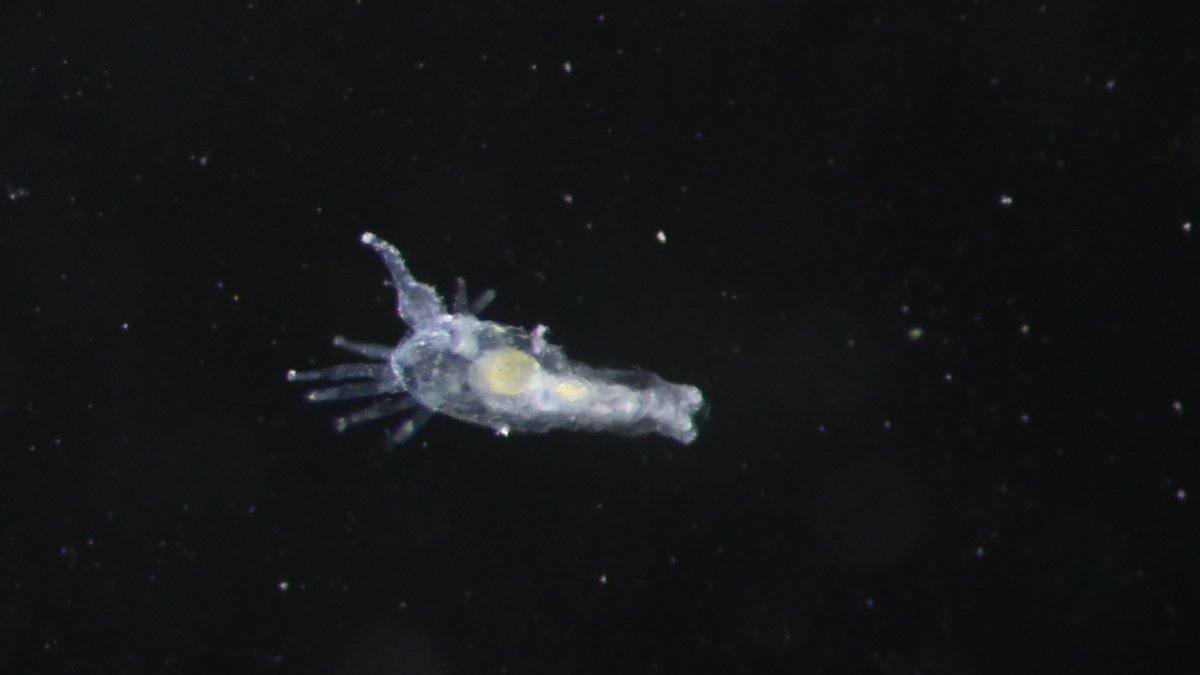
The unique pseudocyphonautes of Flustrellidra hispida is approximately 1 mm in width and one of largest bryozoan larva. This peculiar larval type is only present in two relatively unknown ctenostome bryozoan families and a rather rare sighting.
@SBRoscoff#Bryozoans#Bryozoology
Are the earliest bryozoans... actually seaweeds?
Our new material finds a new place for dasyclad algae in the Cambrian explosion.
https://t.co/9Ex2LMAF8O