by @secondmuse. Accelerating innovation for sustainable seafood in Indonesia. Our 2019 accelerator program has ended. Follow our #IDwomeninfisheries campaign.
Through the inspiring stories of women that we shared in the past few weeks, we hope to inform you about the role of women in the fisheries sector, and the importance of having a gender lens in the industry. Read all #IDwomeninfisheries stories at https://t.co/fJTSwz1bvl
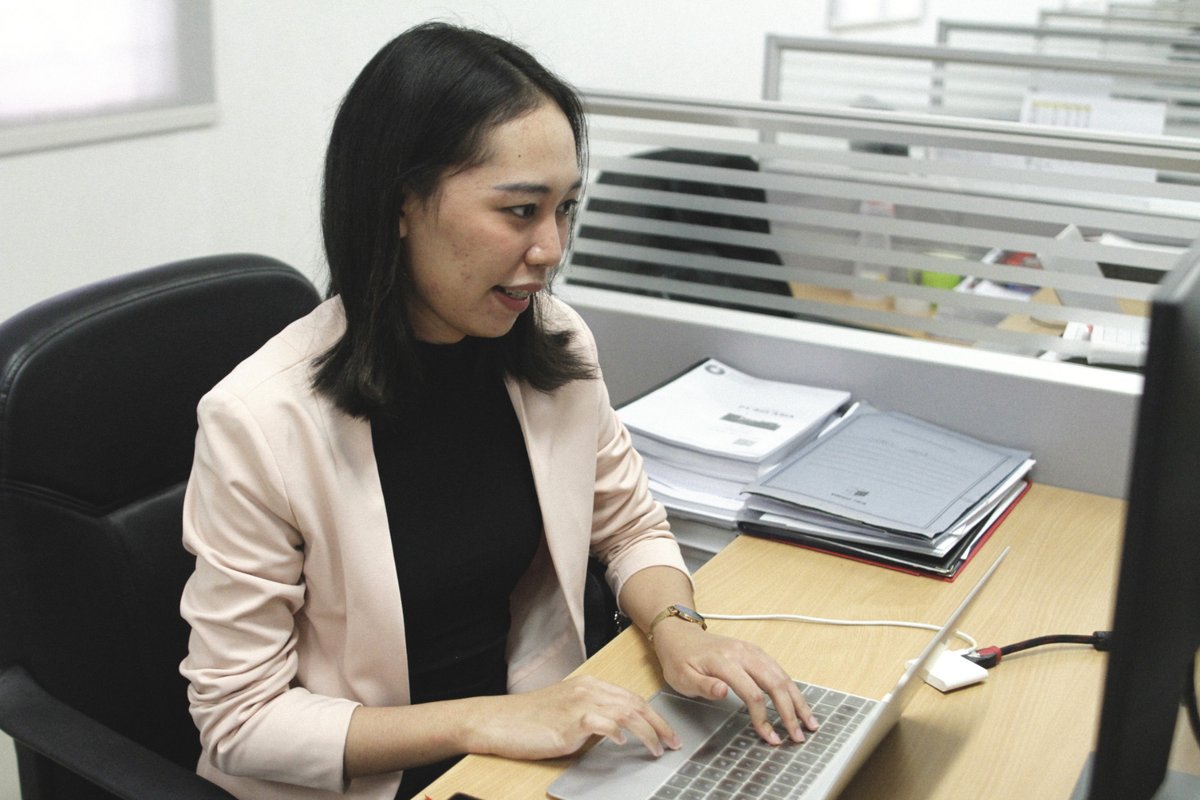
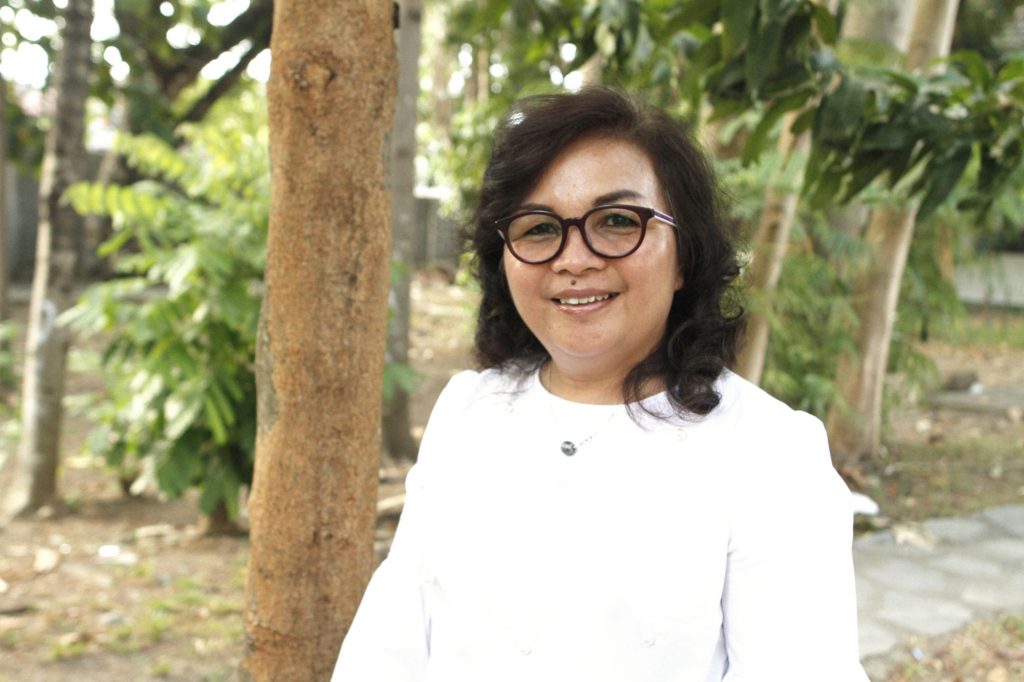
At PT SIG Asia, a premium tuna processing company, Via is a Gender Champion. Working for a few years, she's experienced challenges as a woman in a male-dominated industry. Now, she wants to show that woman can have a successful career in this sector too: https://t.co/tvLSgfx8xz
Gender Champions are leaders who prioritize gender equality through their commitment to women empowerment and male engagement. With support from Gender Champions, both women and men can become aware of women’s value and contributions to the fisheries sector. #IDwomeninfisheries
We would like to invite you to share inspiring stories about women in the fisheries sector. Tweet your stories and photos with the hashtag #IDwomeninfisheries and we will re-tweet your stories!
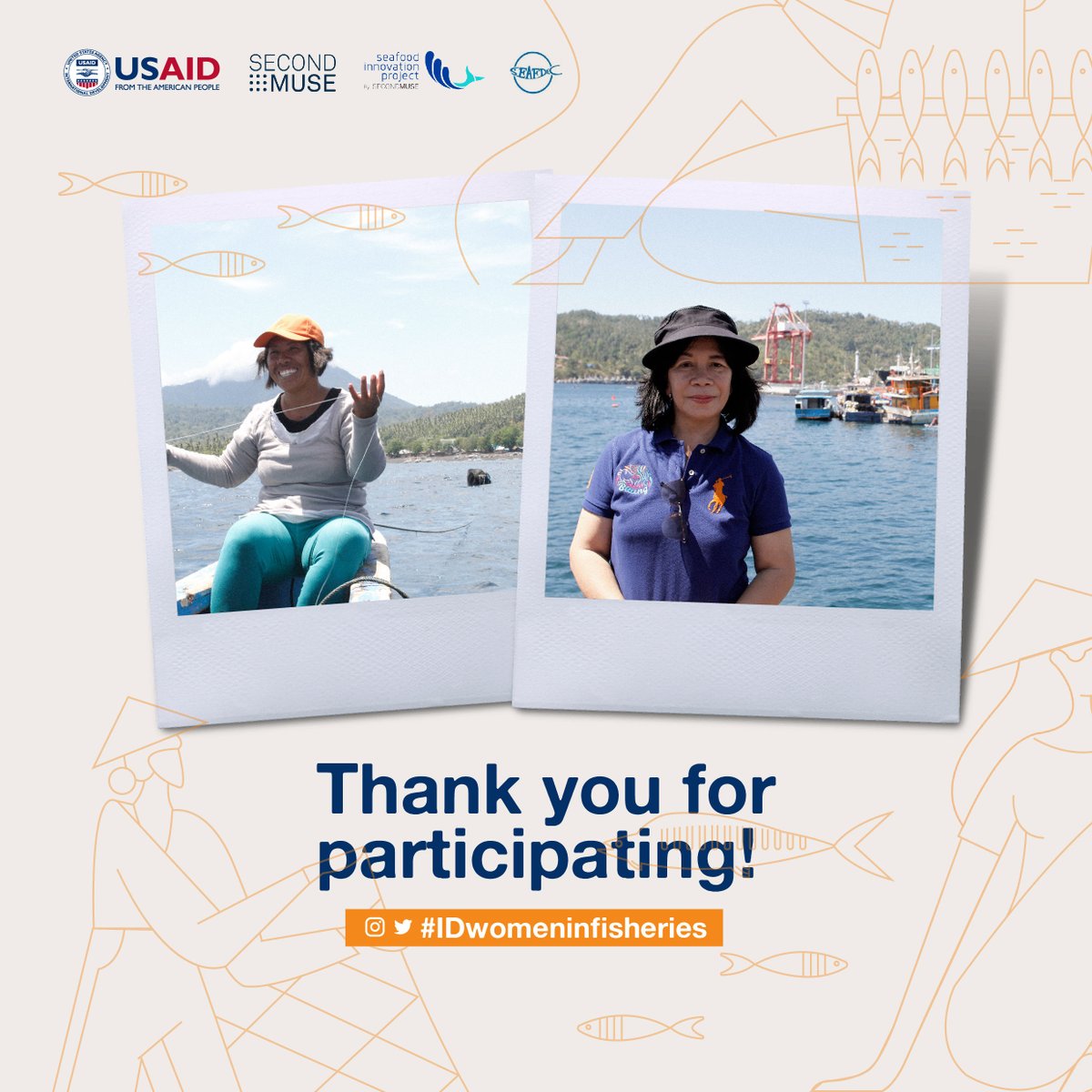
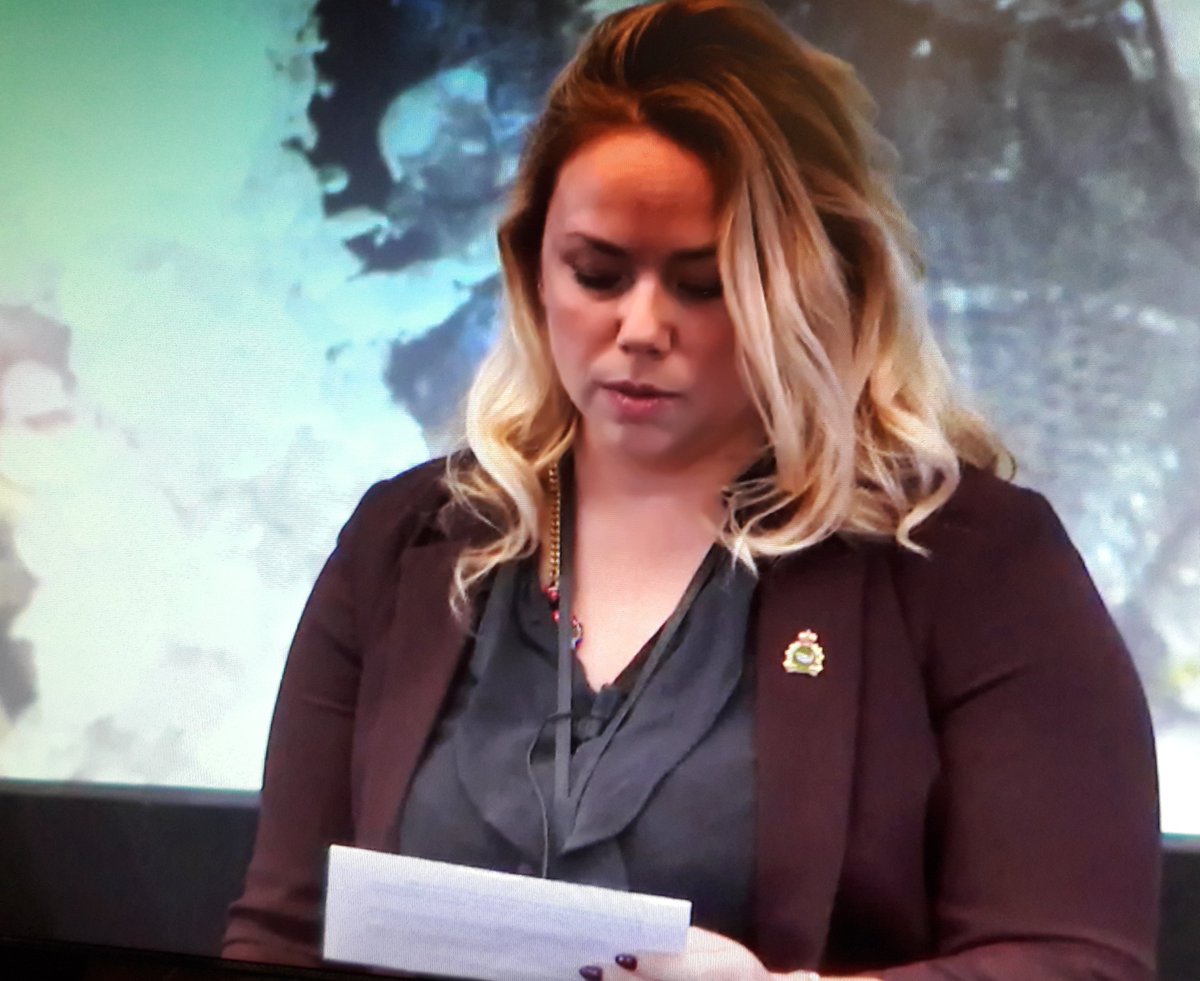
Liesje Macawalang has been the Head of the Marine and Fisheries Office of Bitung City since 2014. Although a lot of women have been involved in fisheries, she sees fishing activity is still very much a male-dominated area. Read more: https://t.co/O5XRNN0xli #IDwomeninfisheries
Haidy Malingkas has been working at Marine and Fisheries Office in North Sulawesi Province for 28 years. Haidy has observed that the number of women involved in the fisheries sector has increased significantly: https://t.co/AzeQhEq2tw #IDwomeninfisheries
The #IDwomeninfisheries campaign invites you to share inspiring stories about women in the fisheries sector. Upload your photos and stories through the hashtag #IDwomeninfisheries and we will re-tweet your stories!
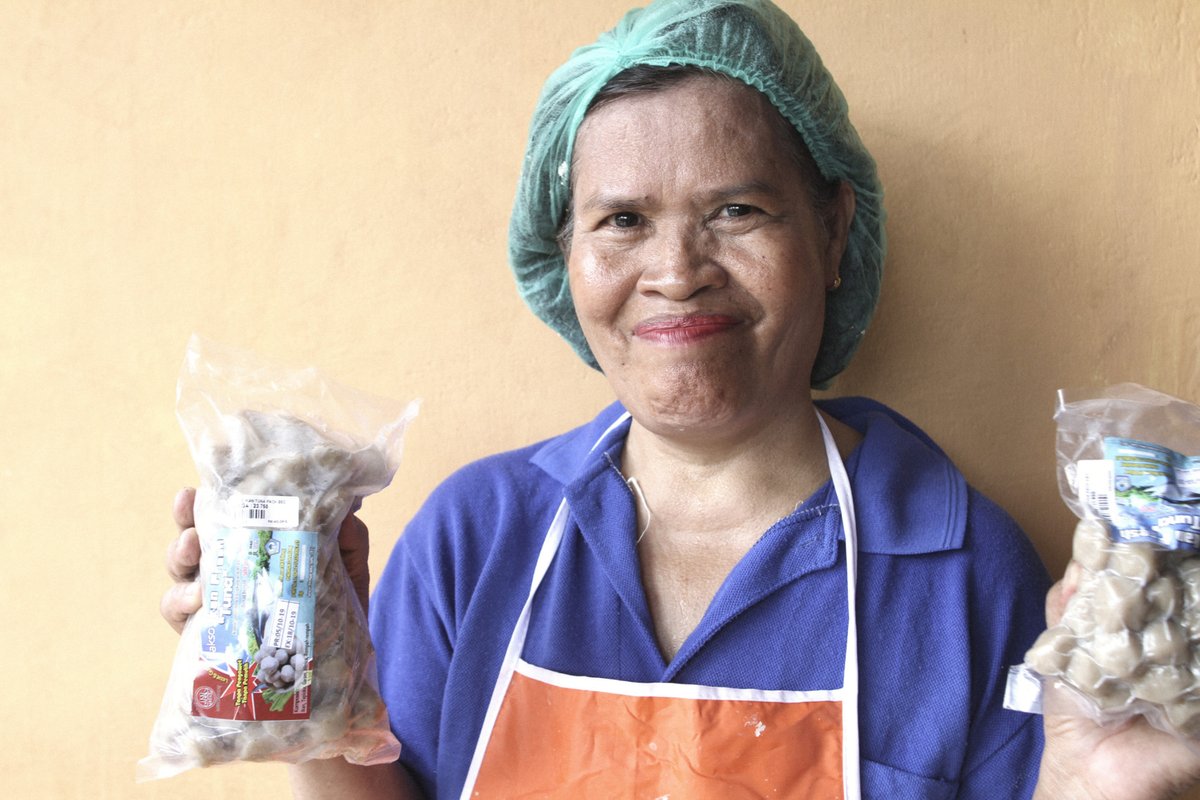
Living in Bitung, a tuna hotspot in Indonesia, Asri saw an opportunity to create a tuna meatball business. Now, Asri is able to produce around 150 kilos of meatball/week. Her next goal is to open an SME center for women entrepreneurs: https://t.co/yB8yMK2UXZ #IDwomeninfisheries
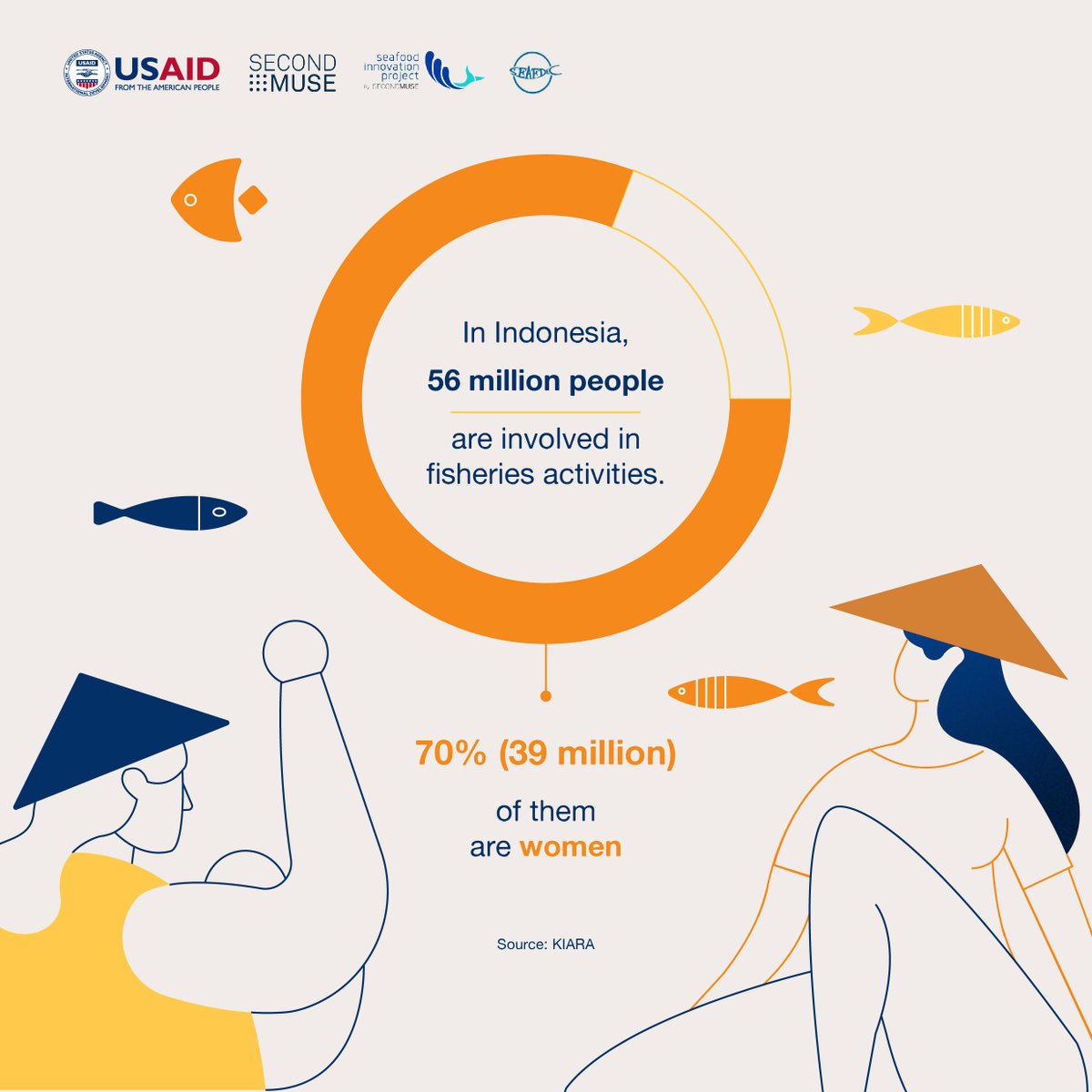
In Indonesia, 56 million people are involved in fishing activities that range from fishing and processing, to marketing. Of these, 70% or around 39 million are women. Learn more about role of women in fisheries through #IDwomeninfisheries campaign: https://t.co/fJTSwz1bvl
As a fish seller for 30 years, Astina has seen many changes related to the sector. She felt the biggest change was when the moratorium for foreign fishing license was issued. She felt that local fishers were able to get more fish: https://t.co/AocGnoBYTx #IDwomeninfisheries
.@SeafoodWomen at @FAOfish
"Gender equality is a complex issue, but not more so than marine stock management. It should be treated as seriously.
The “blue economy” can only mean positive progress if SDG 5 -gender equality -is seriously tackled." @Genderaquafish@PipCohen
"Without post-harvest activities, the captured fish will not create any value," said Reiny Tumbol. Her research actually shown positive signs for gender equality in North Sulawesi seeing from the high number of female leaders: https://t.co/DxjSVBVL3k #IDwomeninfisheries
What would happen if women were not involved at all in the fisheries sector? Perhaps, no fish on your sushi! Post-harvest work in fisheries is mostly done by women. So, think again before you eat your sushi, without the women, it's not gonna be on your plate. #IDwomeninfisheries
@Fkruijssen77 @ade_yuliani@sutarto99@rare_indonesia@hkushardanto thank you! We're looking for women stories from other places in Indonesia that other organisations are supporting as well. We will reach out to Rare!
Elsje is the head of the Gorara fisherwomen’s group, a group consisted of housewives, teachers, and even university students. They have become a huge influence for other women in Batu Putih to be #fisherwomen. Read more about Elsje: https://t.co/xcYr0PWDbV #IDwomeninfisheries
How many #fisherwomen are there in the world? FAO estimates that 15% of the world's fishers are women. However, the number of female workers in the post-capture or post-harvest sector is even higher, with the percentage reaching up to 90%. #IDwomeninfisheries
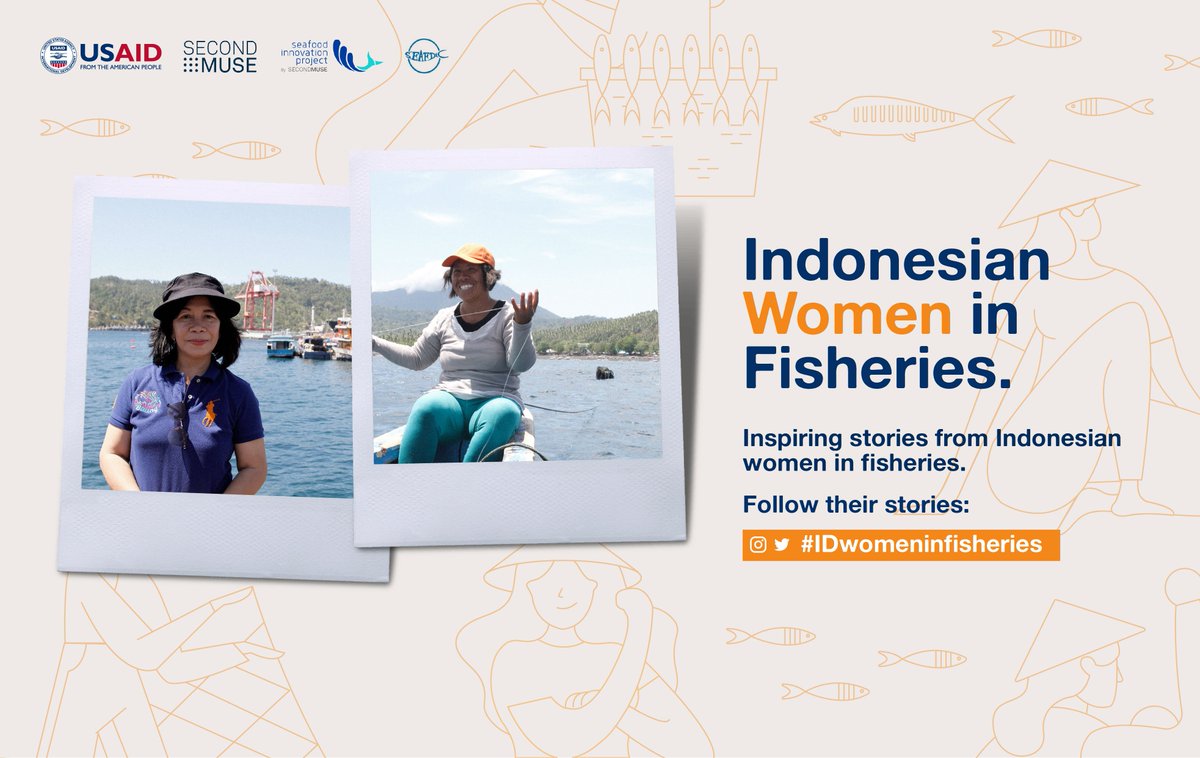
Through the hashtag #IDwomeninfisheries, we will introduce seven women from Bitung and Manado, North Sulawesi, Indonesia, who have been working in the sector and creating impact to their community.
Today, together with @USAID Oceans, we are launching the Indonesian Women in Fisheries campaign to raise public awareness about the role of women in the sector. We'll share inspiring stories about women who bring impact through their work. Read more: https://t.co/fJTSwz1bvl
Marine ecosystems around the world are collapsing, threatening the seafood industry and those who rely on it. The SIP was established to identify the opportunities in this industry and promote a sustainable seafood economy. https://t.co/wabKsRVPsv via @secondmuse#sustainable
Today, we reached the end of SIP accelerator program. The six innovators have increased their capacity & expanding impact in various aspects. We’ve been humbled by the support from all of you to improve the sector through innovation. See you all again! https://t.co/VU0u4w0gy9