Prunus spinosa: The Blackthorn Tree of British and Irish Folklore. The first of a series of blog posts spotlighting digitised species from the RBGE herbarium British Isles collection. https://t.co/2LdSfFiZOW
#herbarium#digitisation#Prunus#folklore#samhainn#BritishFlora
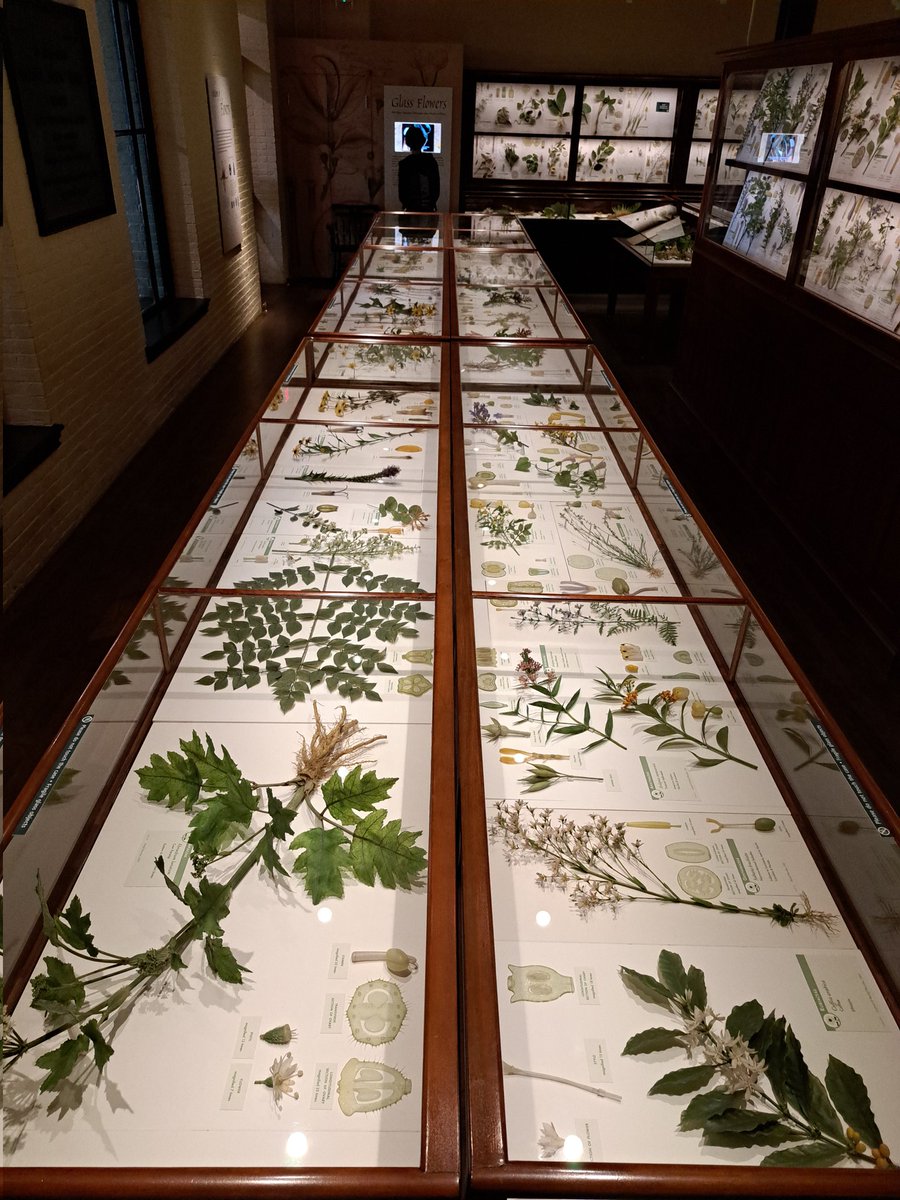
OK here we go. Conceivably the greatest, most technical accomplishment in the history of natural history art: nearly 4000 glass models of flowers created by Rudolph and Leopold #Blaschka for @HarvardMuseum. None of the objects in here look like glass.
Readers, they're all glass.
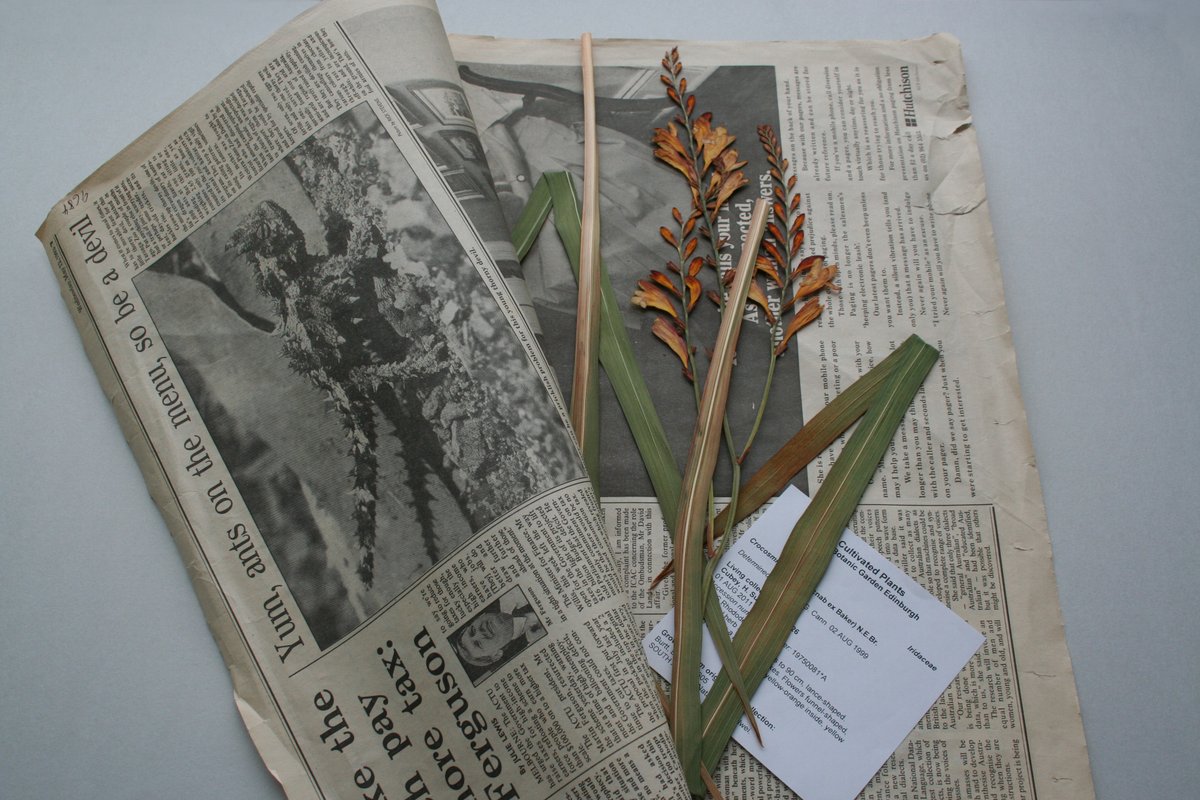
While participating in #WeDigBio I transcribed botanical specimen labels from plants sourced from Nepal for the @RBGE_Herbarium. While doing so I came across a signature I just couldn't work out. So I left a message on the @AMDigiVol forum. And quickly received an answer!
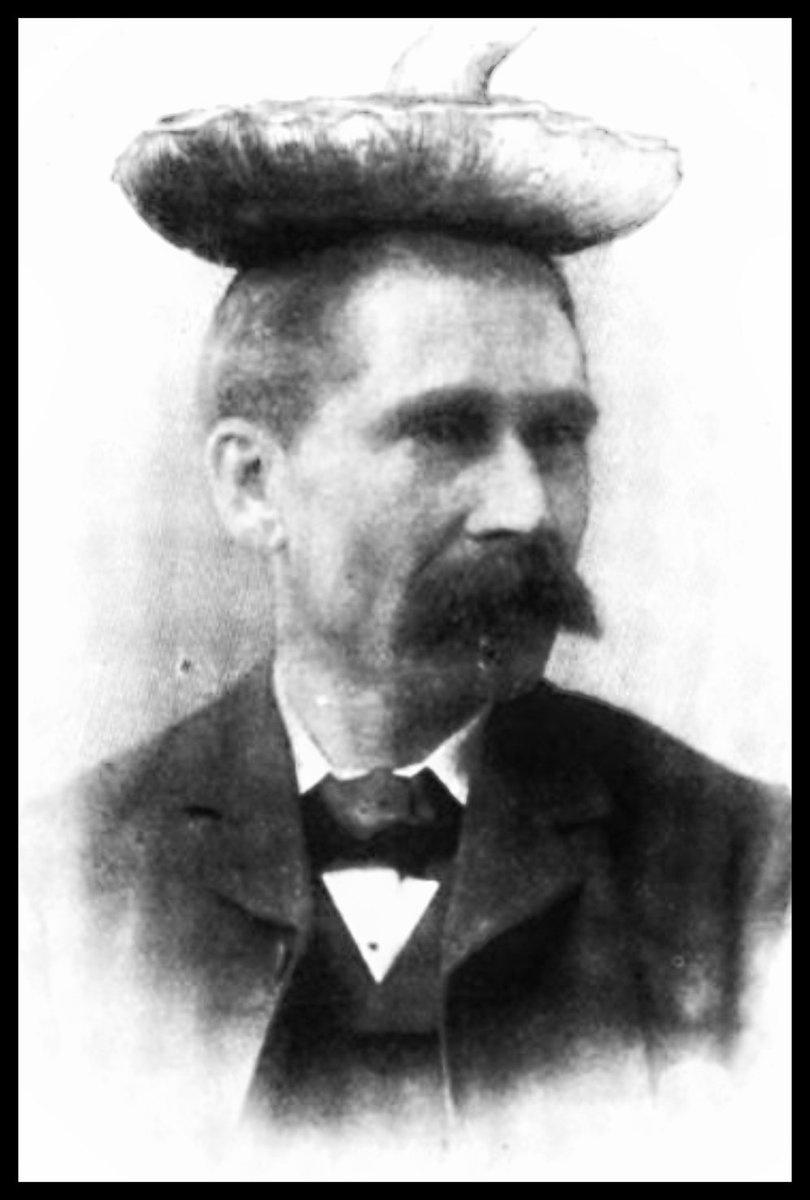
Between 1887 and 1902, over 2000kg of mushrooms were grown under the streets of Edinburgh every month.
In a disused railway tunnel, the Scottish Mushroom Co. tended 800 beds of inoculated manure
The SMC effectively ended the reliance on French-grown mushrooms
#OldWeirdScotland
Exciting oppurtunity!
We are currently recruiting for 2 permanent, part time positions in the herbarium:
Herbarium Technician – Plant Specimen Preparation
Assistant Curator
for more information on both posts https://t.co/8dpgUUDiYE
#herbarium
Pleased to say that #spnhc2022 is a hotbed of natural science fashion.
Let's see your natural history themed sartorial statements - share what you wear with the #natscifashion hashtag