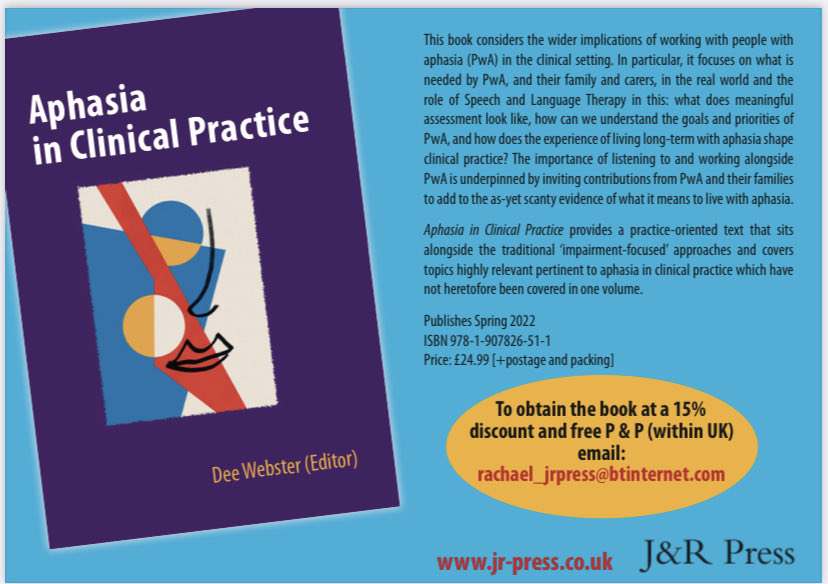
Our book Aphasia in Clinical Practice is here! We are so pleased to have worked together - clinicians, people with aphasia and their families, and researchers - to share best practice in #aphasia - please share
This is exciting! An opportunity to make our co-designed international aphasia awareness campaign a reality! Please join us and #MatchtheMomentum for #AphasiaAwareness!
HOT OFF THE PRESS‼️Delighted to share our brand new ESO Guideline on Aphasia Rehabilitation. Over two years in the making and a team effort from across Europe 🇬🇧🇮🇪🇳🇱🇮🇹🇳🇴🇸🇪🇨🇭🇩🇰🇫🇷🇵🇹🇩🇪🇨🇾https://t.co/sJNMYknNDt
👀 This opportunity is open to a wide range of NHS services across England. Interested in developing more personalised approaches to care in the team where you work? Make it happen - take a look at the info and get in touch with @WASP_Pers_Care via the links below.
Job Alert! Join us on this Stroke Association funded project looking at the implementation of tele-rehabilitation interventions https://t.co/rKJ9BgHd22
Announcing the launch of the 1st ever Primary Progressive Aphasia (PPA) awareness day 4th April 2025!
Webinar sign up: https://t.co/Nd2Uwmas12
Follow us for weekly updates, podcasts & collaborations:
@volkmer_anna@RosemaryTowns15#PPAawareness
Closing this week:
CAHPR’s Mapping the UK AHP Practitioner-Academic Workforce Survey.
Are you a UK AHP who has dedicated research time as part of your role?https://t.co/Ol2KUkB7oQ
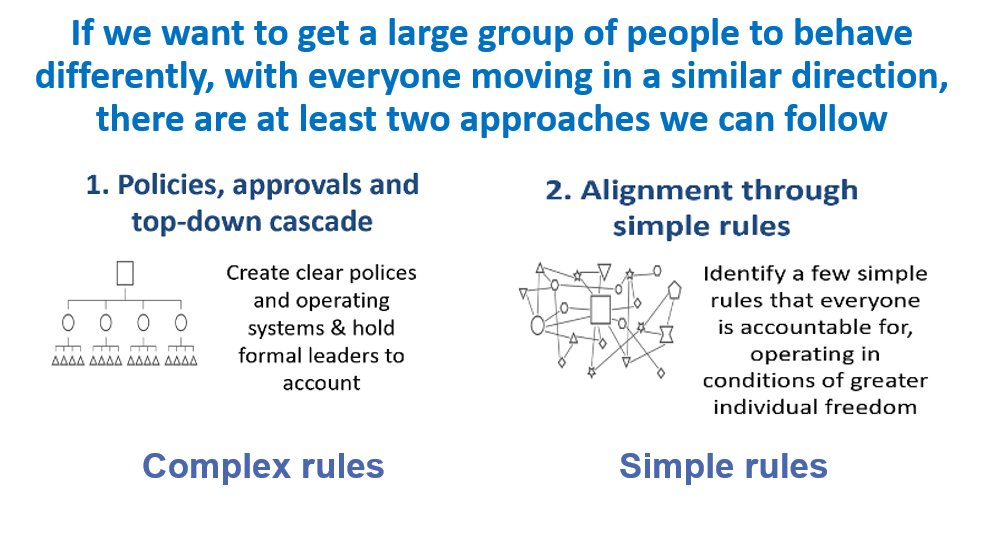
Using "simple rules" in system change. People sometimes get confused over the nature of "simple rules". Because they have the label "rules", people think they are absolutist or prescriptive which is not the case. Simple rules can be one of the most powerful ways to move forward with change in a complex system. They're a set of principles that everyone agrees to and which help us move forward together in a consistent/shared direction.
The concept of simple rules from @GlendaEoyang: https://t.co/It803YHhQu.
Some simple rules for leaders who want to create tomorrow today that I wrote with @goranhenriks: https://t.co/IhqszoRfFS
This post was inspired by @noelito.
Helping others can boost your own sense of wellbeing. That means volunteering with us could literally make you happier - and happiness is infectious!
Do you live locally to West Yorkshire, Harrogate or Barnsley? Help us provide home-based support: https://t.co/U4FPniWWel
Views of people with aphasia (PWA) on Intensive Comprehensive Aphasia Programmes (ICAPs). Seeking 4 PWA (not NHS active) for ethically approved focus groups at City St George’s University of London. Vouchers given. Email [email protected] for information sheet. Share pls.
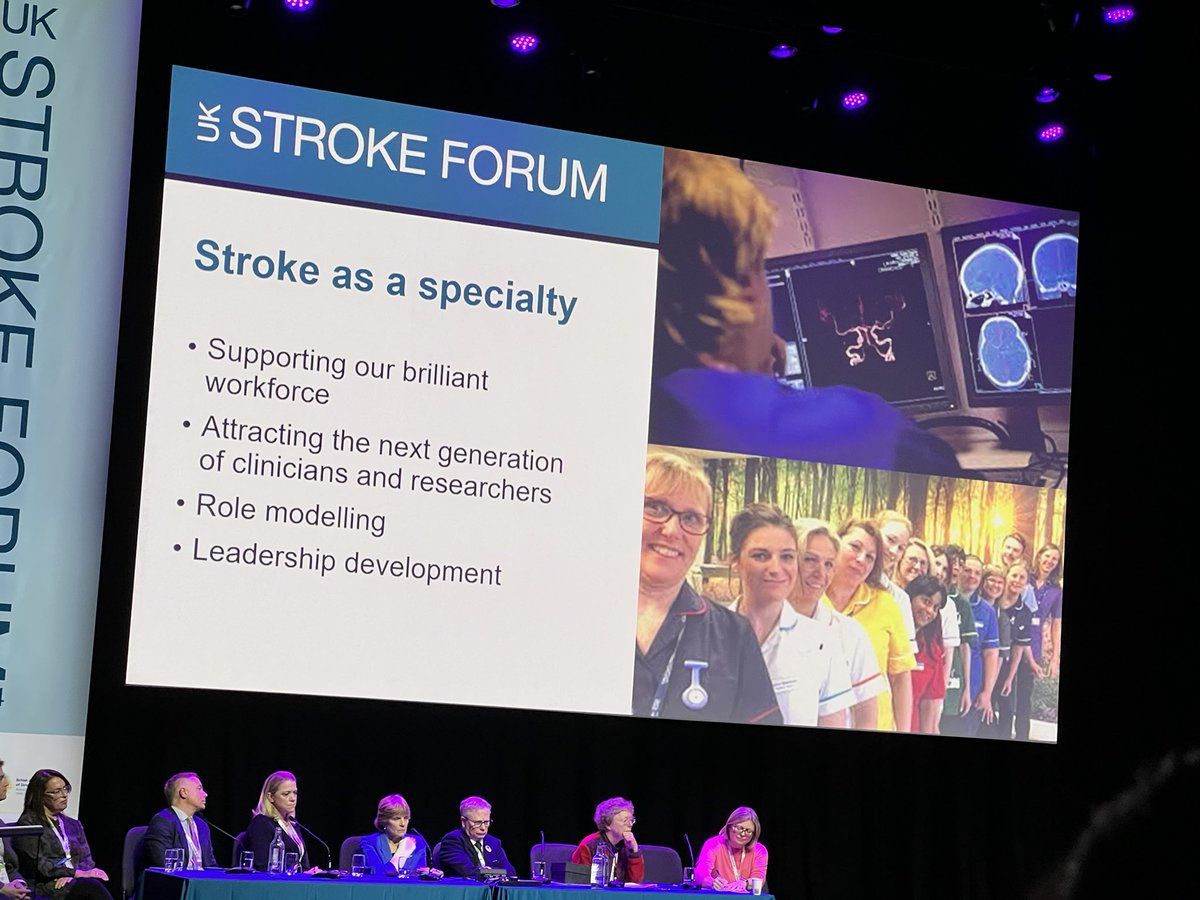
Closing plenary and I could listen to @Deborah71247971 all day! How do we grow our future stroke clinicians, leaders and researchers? How do we fill your cup? How do we raise our voices to shout about what we do and what we need? @UKStrokeForum@ukstrokenursing
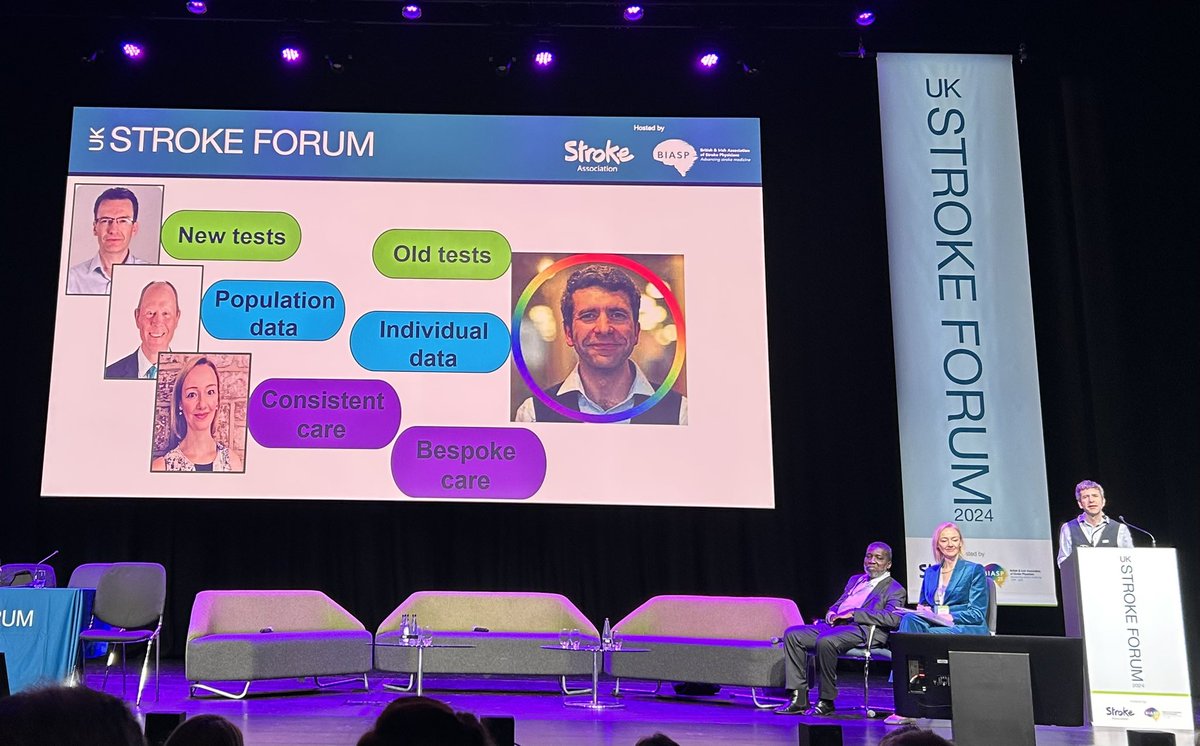
Excellent day2 #UKSF2024 Highlight for me was @DrTerryQuinn plenary on Priorities in Stroke Care -from the microscopic to wide angle lens. #NHS needs investment, belief, support. ‘NHS is broken’ not helpful, not good for morale @StrokeImperial@RCOT_NP
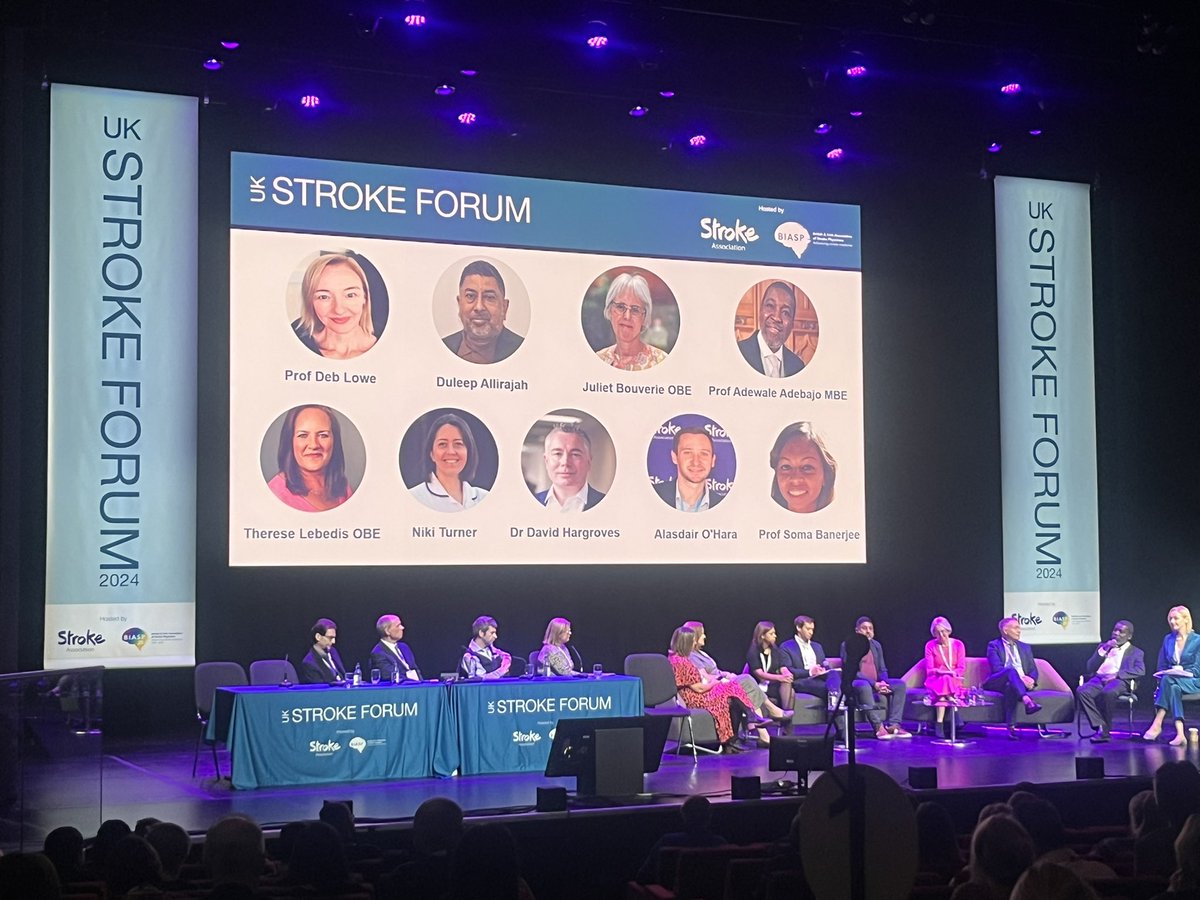
Such inspiring, eloquent and witty speakers at the opening plenary at #UKSF2024 & insights from experts and people with lived experience. Amazing start to day 2 - thanks to all involved.
SLT academics across the UK and Ireland, please complete short survey below exploring dysphagia education across universities. Thanks and please share with your colleagues!! https://t.co/913hTQERd5
As leaders, we want to build learning systems & learning organisations. That means we need to role model being continuous learners. It can be hard to make space for personal learning when our roles are so full on. Here are five ways to keep learning, even when we feel depleted:
1) Challenge our beliefs about our capacity to learn;
2) Start with topics that solve urgent problems;
3) Don’t limit ourselves to learning via formal programmes;
4) Make an emotional connection to learning - in line with what matters to us rather than the expectations of others;
5) Work with our brains, not against them - evidence-based approaches that increase retention.
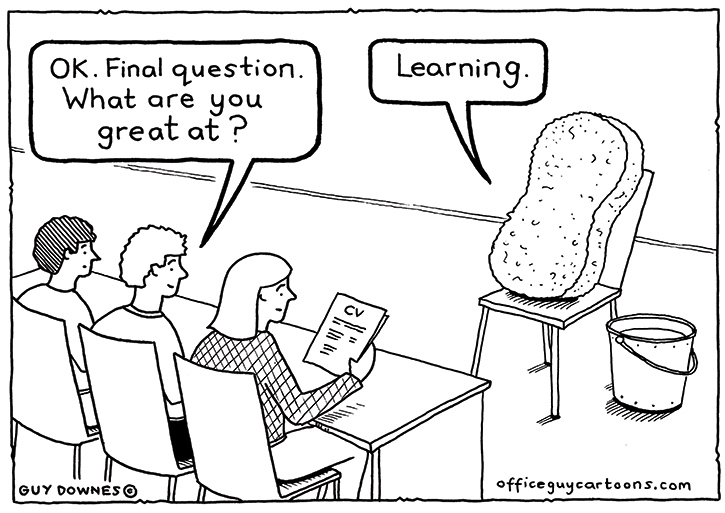
https://t.co/DUbckiAkDG. By Nihar Chhaya in @HarvardBiz. I've paired this with a cartoon from @OfficeGuyToons that makes me smile. Always keep learning! Be a sponge!
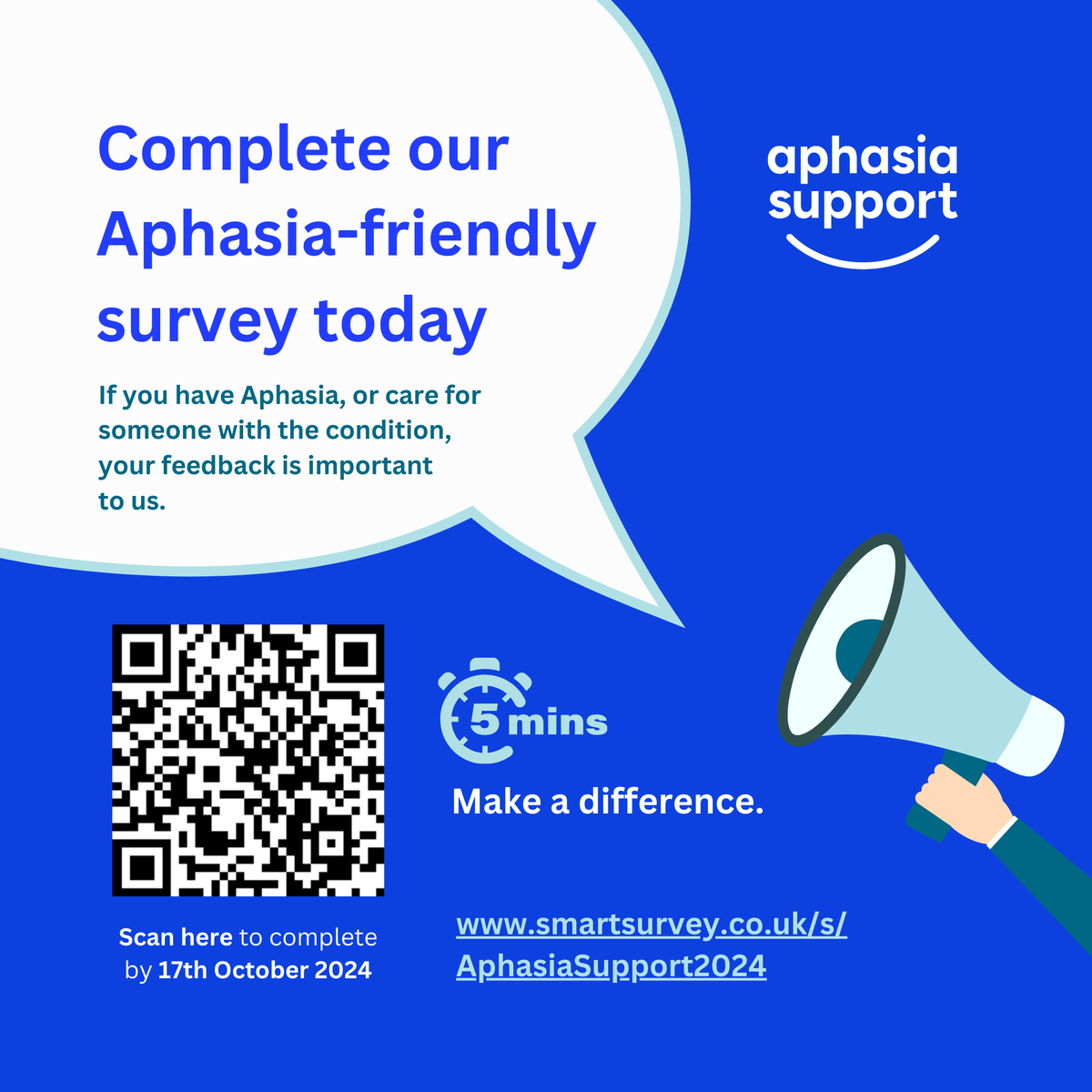
Do you have Aphasia, or care for someone with the condition?
Just 5 minutes of your time will make a difference.
Complete our Aphasia-friendly survey today: https://t.co/EQmHTeKJ1t
"Mattering" is the belief that we’re significant to the world around us. When people feel they matter, they feel seen, important & needed through how others treat them. Scholars have deemed mattering to be a core instinct that drives all human behaviour. That’s why, when someone doesn’t believe they matter at work they:
- won’t share their voice if they don’t believe their voice is significant
- won’t use their strengths if they don’t believe they have strengths
- won’t contribute if they don’t believe they have something to contribute
- won’t care as much as if they feel cared for
Actions that leaders/ teams can take: see some excellent articles by @ZachMercurio - "How to Create Mattering at Work": https://t.co/vlxLnrqGWF and "The Cost of Not Mattering at Work": https://t.co/AocAKNMhxm.
We are delighted to announce that the
2024 updated Australian Aphasia Rehabilitation Pathway (AARP) Best Practice Statements (BPS) are now available to download as PDF's.
All website updates will be completed in Nov 2024
Information available here -
https://t.co/gG00x3xA6t