@Michaelfagwrfra@mendipfarmer It would be well worth you considering burying sandbags of grass within the clamp at ensiling. Weighing and DM sampling each bag at start and when retrieved to calculate the invisible loss as well as visible loss
https://t.co/Jctl4fRE0I
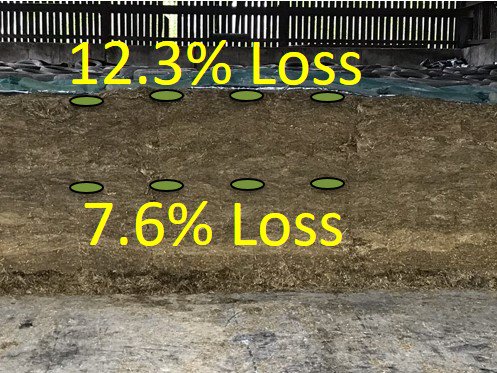
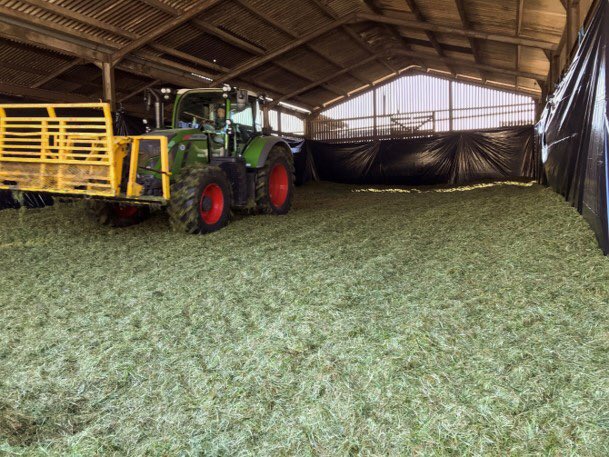
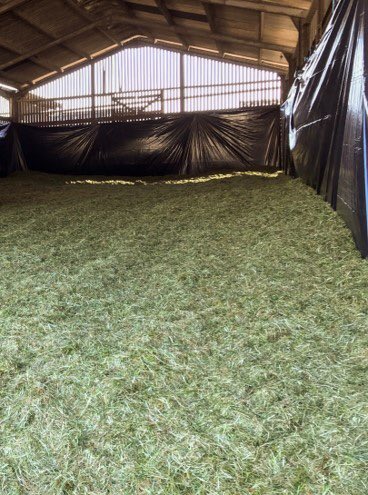
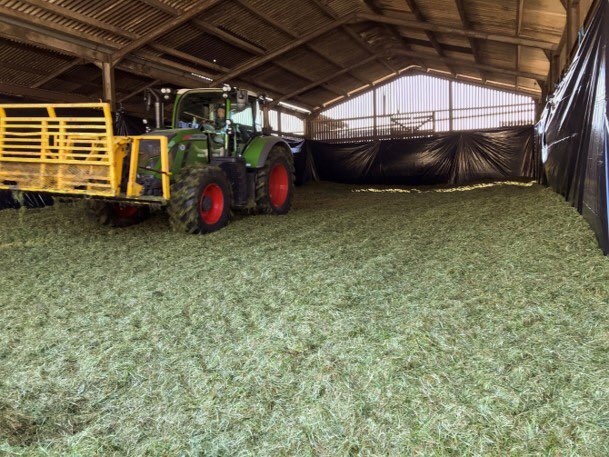
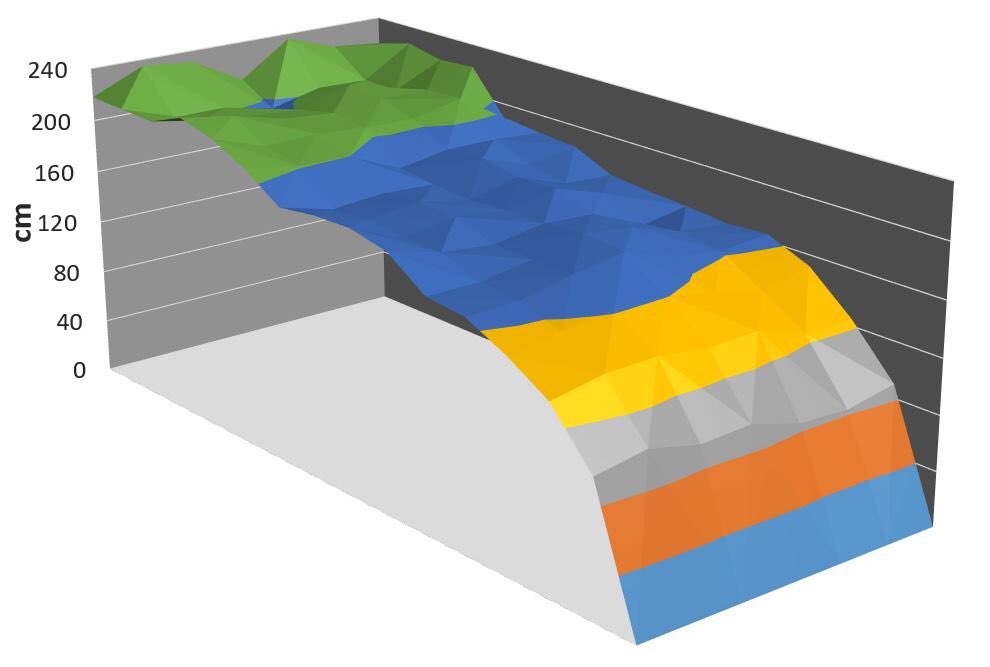
Ensiled sandbags were retrieved to calculate losses. Even though our clamps were well sealed with NO VISIBLE WASTE on surface, this INVISIBLE respiration and fermentation loss caused 12.3% in the top layers. This loss value DOES NOT include field or feedout losses
@mendipfarmer@HefinR@Michaelfagwrfra We did this by weighing sandbags in and out of clamp. We need to be aware of invisible loss as well as the visible wastage. Bags of perfectly good silage loosing 10% of their weight!
https://t.co/dq6SUdwS0J
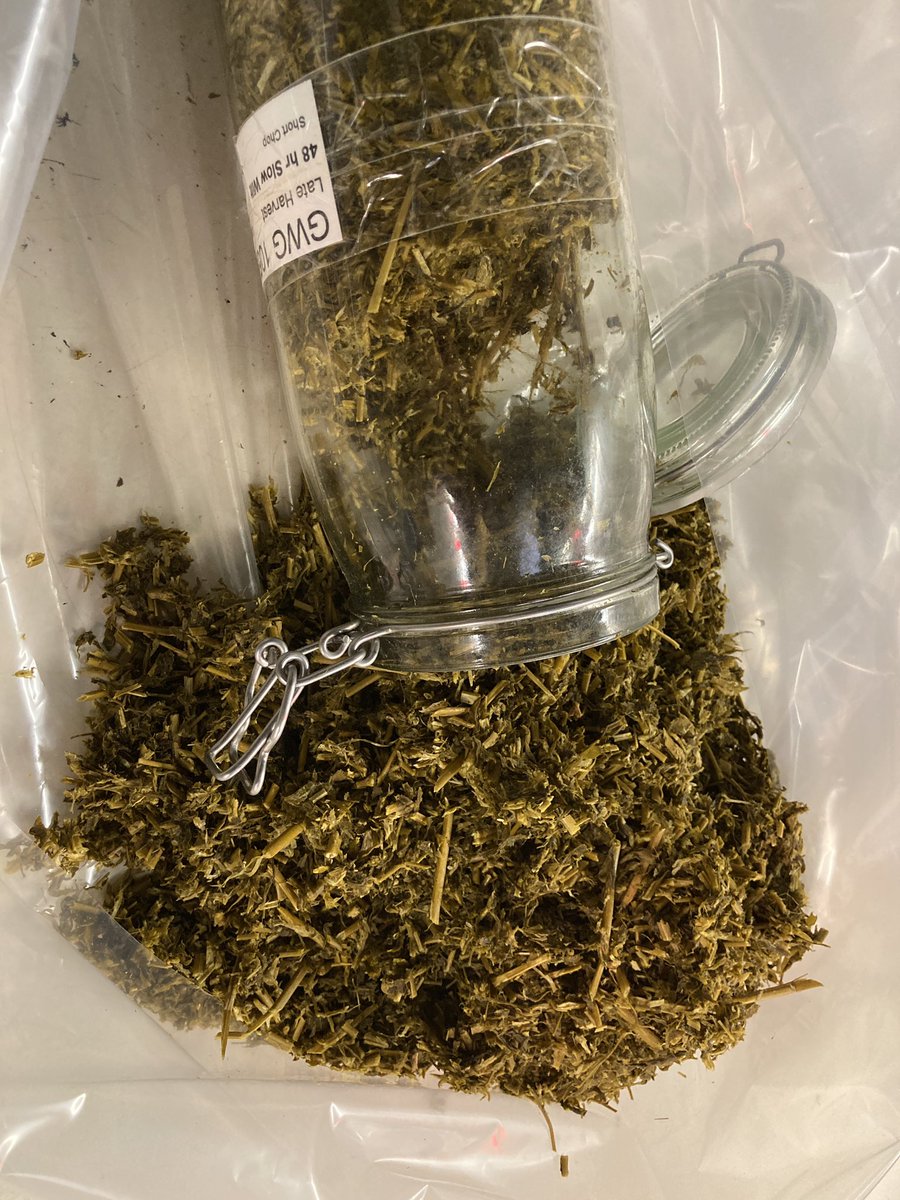
How did we calculate DM losses in our studies? Sandbags of grass ensiled within clamps. Retrieved, reweighed & DM analysed. eg bag 10 - 4.9kg in, 4.5kg out. Good silage BUT loss due to respiration & fermentation https://t.co/RDTaDOSdg1 will help you reduce these invisible losses
BGS Research Conference
Poster 7 - Effect of two ensiling systems on efficiency and silage quality
Rhun Fychan, IBERS
@rhunfychan@ibers_aber
https://t.co/xhU2GM72xR
You can reduce in silo losses by:
• Using a proven silage inoculant that applies large numbers of efficient lactic acid bacteria
• Minimising soil/slurry contamination
• Rapidly filling the clamp, rolling it well and sealing it quickly
#ConsistentlyBetterSilage#Farm365
Aim for a HIGH SILAGE DENSITY to REDUCE LOSSES. What silage density does your current system achieve? Go to https://t.co/vGoJpRPZjR to calculate. Modify variables eg tractor no. or wt. to evaluate ways of increasing density if current system underperforming
Anelwch at ddwysedd silwair uchel i leihau colledion. Pa ddwysedd mae eich system bresennol yn ei gyflawni? Ewch i https://t.co/TBH5hxi9Qs i weld. Gallwch addasu gwahanol ffactorau ee rhif neu bwysau tractorau i weld sut i gynyddu dwysedd os yw'r system bresennol yn tanberfformio
Key Messages 5. Reduce losses with good clamp seal. Side sheets, oxygen barrier & lots of top weight are ESSENTIAL. Good seal along clamp front is critical or CO2, essential for preservation, will flow out leading to losses.
Neges Allweddol 5. Lleihau colledion drwy Selio Effeithlon. Mae shît ochr, ffilm atal ocsigen a pwysau digonol yn hanfodol. Mae sêl dda ar hyd blaen y clamp yn hanfodol neu bydd CO2 yn llifo allan gan arwain at golledion.
Key Message 4. Maximise silage density to reduce losses. Expel air during clamp filling. Weight of tractors on clamp must be sufficient for tonnage arriving. If not, layer thickness will increase & rolling becomes ineffective = low density & high loss
Neges Allweddol 4. Anelwch am dwysedd silwair uchel i waredu aer wrth lenwi’r clamp. Rhaid i bwysau tractorau ar y clamp fod yn ddigonol ar gyfer pwysau’r borfa sy’n cyrraedd. Os na, bydd trwch yr haenau yn cynyddu a bydd y rolio yn aneffeithiol = dwysedd isel a cholledion uchel
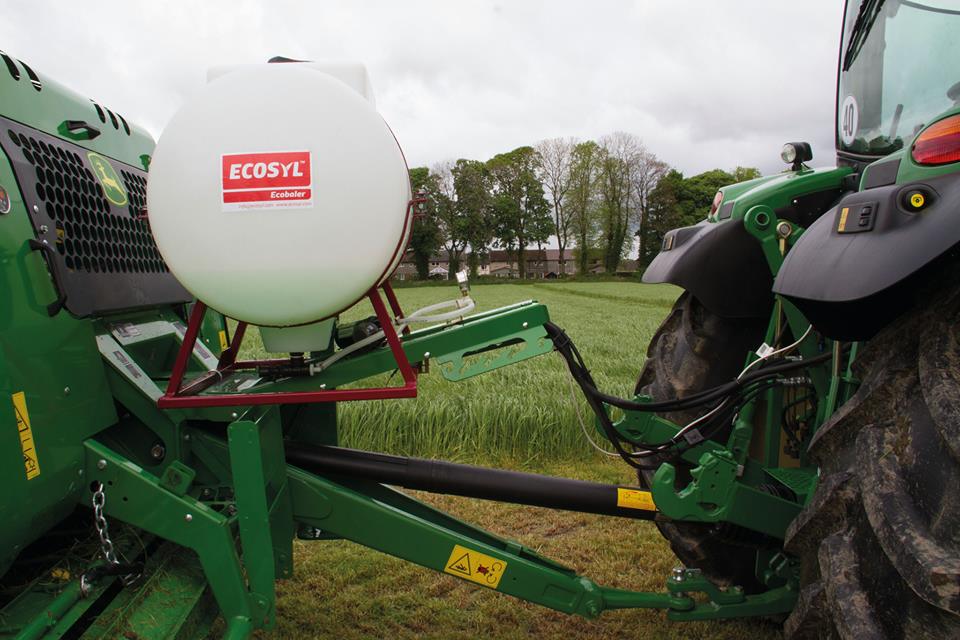
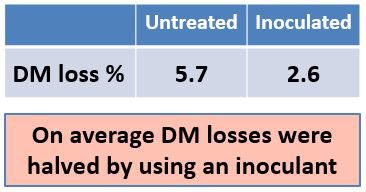
Key Message 3. Use an inoculant containing 1 million homofermentative L. plantarum - rapid and efficient fermentation. In our studies inoculation consistently reduced DM losses & improved fermentation regardless of the system or cutting date
Neges Allweddol 3. Defnyddiwch frechlyn ag 1 miliwn o L. plantarum homofermentative - eplesiad cyflym ac effeithlon. Yn ein hastudiaethau, roedd brechu yn lleihau colledion a rhoi gwell eplesiad waeth beth fo'r system neu'r dyddiad torri
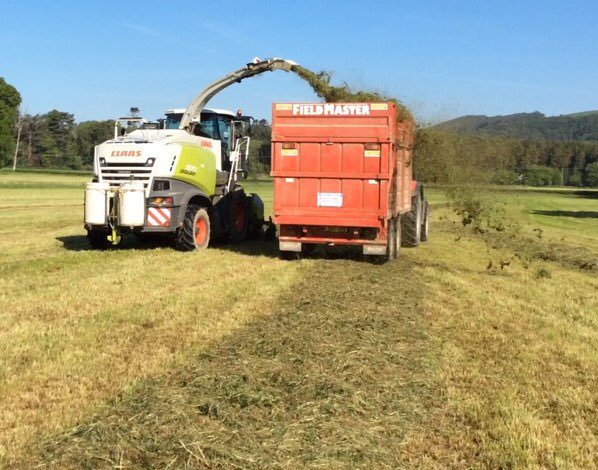
Key Message 2. Correct Machinery Setup. Wilt rapidly BUT also collect and ensile ALL forage. If not, lower yields -grass smothered & killed. Rotten material will contaminate subsequent cuts = lower quantity & quality & will affect animal health @PottingerUK@cuttoclamp@GenusABS
Neges Allweddol 2. Trefn Peiriannau Cywir. Rhaid gwywo’n gyflym OND casglwch a silweiriwch y borfa i GYD, neu bydd y borfa’n cael ei fygu a’i ladd. Bydd deunydd wedi pydru yn halogi toriadau dilynol = cynnyrch ac ansawdd silwair is a bydd yn effeithio ar iechyd anifeiliaid