Behind the scenes with the conservation team at the Science Museum Group. We tweet about caring for our world-renowned collection, both in store and on display.
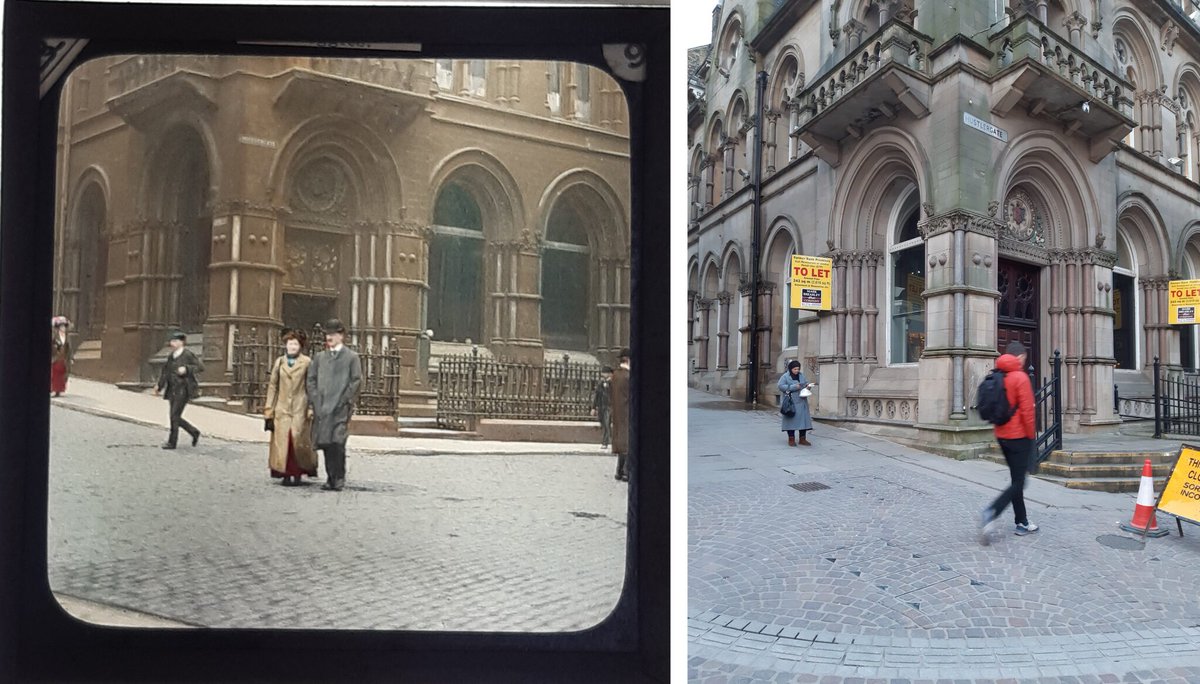
A magic lantern is an early type of projector developed in the 17th century. Hear from conservator Vanessa Torres about the work it took to make magic lantern slides part of our fascinating collection at the National Science and Media Museum.
https://t.co/HdOF3qSDIO
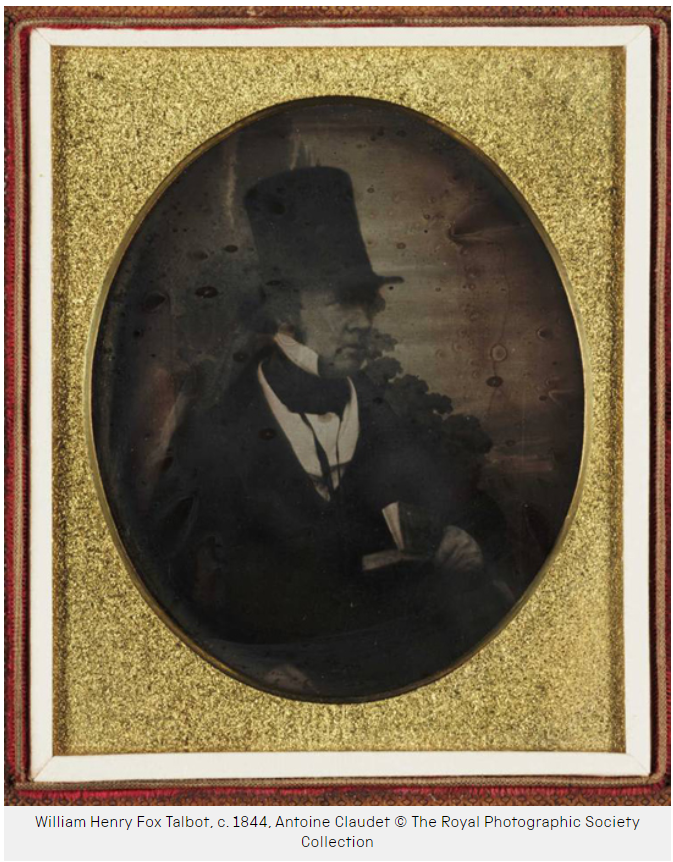
"I remember my goosebumps when I saw the very first paper negative in the history of photography, which is part of our collection!"
Read more from an interview with Vanessa Torres, Conservator at the Science and Media Museum, here:
https://t.co/mcQIxxevLQ
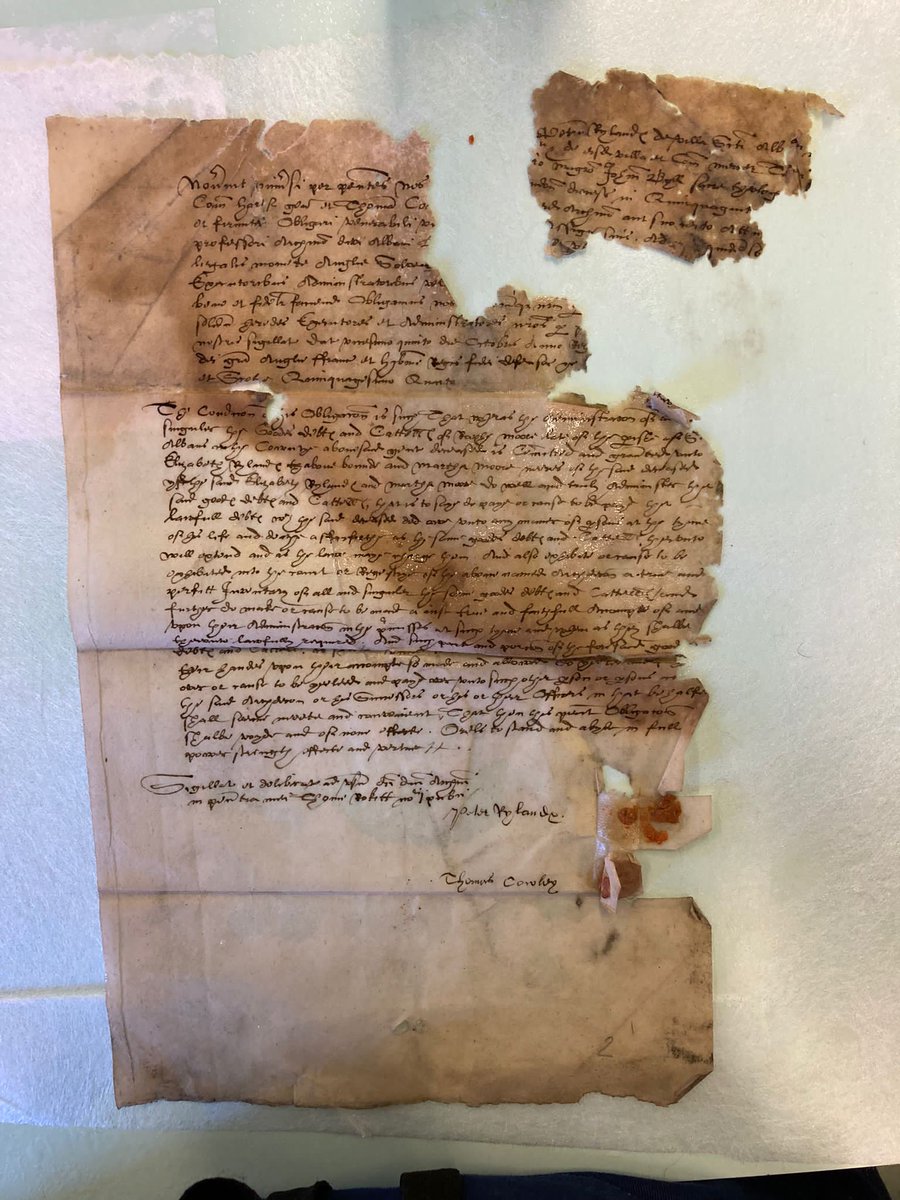
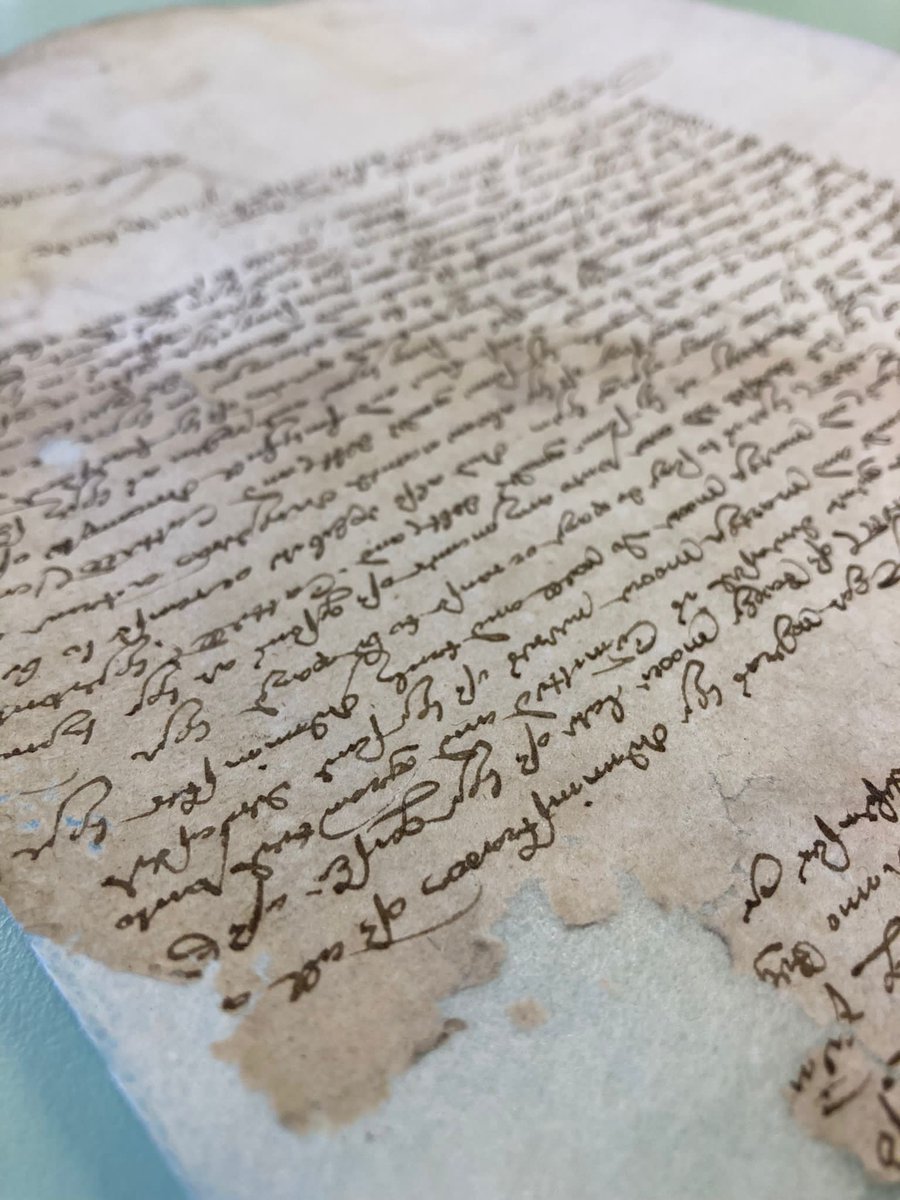
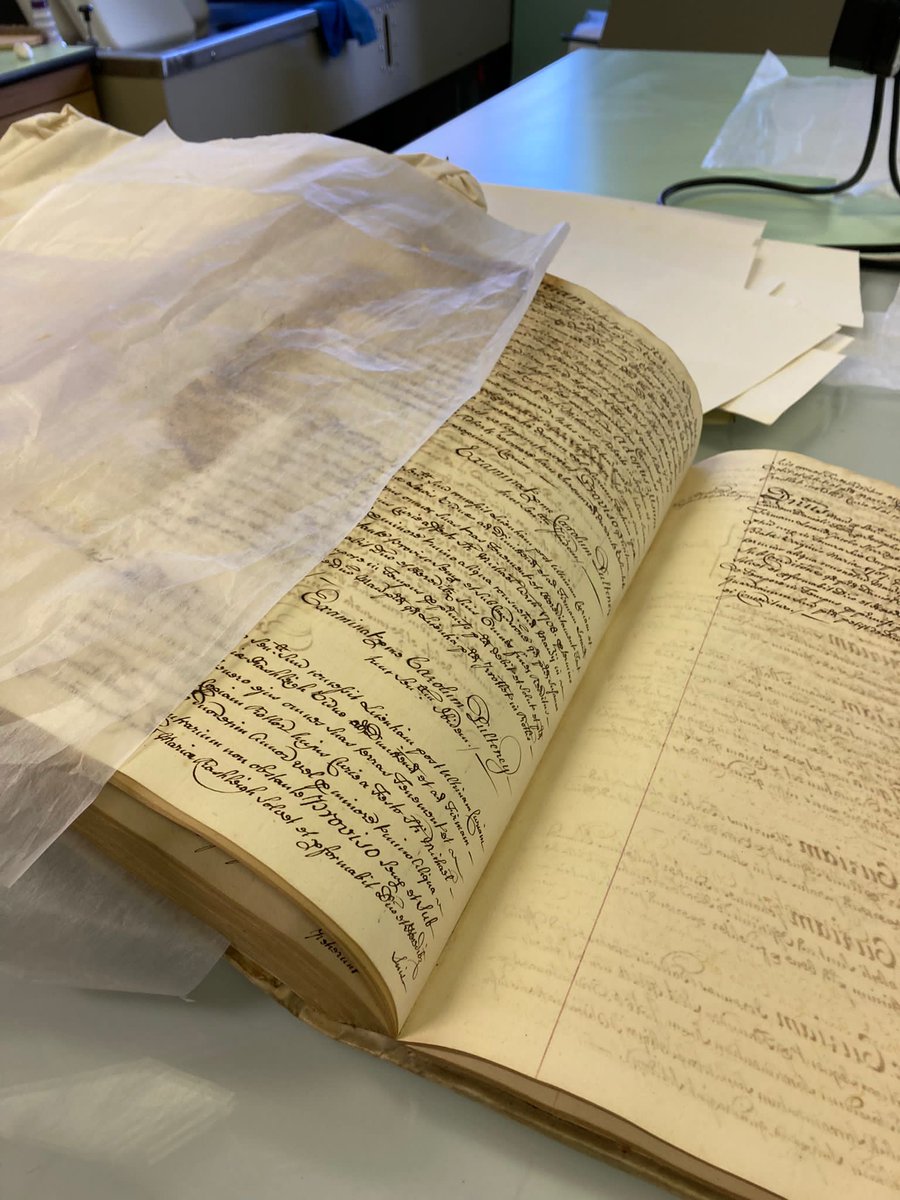
@sciencemuseum Check out these attendees drawing with their very own ink and feather quill! Many important manuscripts dating back to the fourth century have been written with a similar recipe. Paper conservators have the job of preserving them.
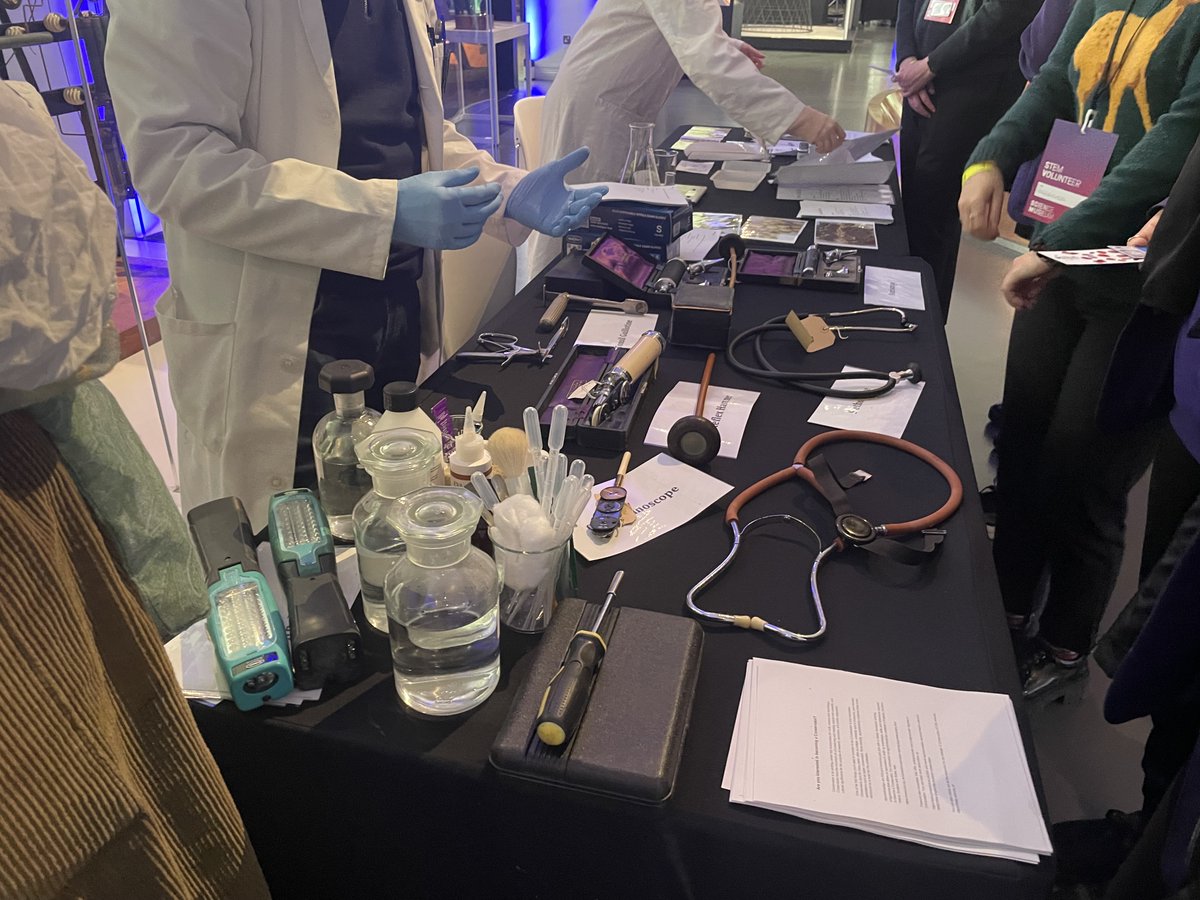
Earlier this month, our team came together to champion #Conservation at the @sciencemuseum Skills Fair. Attendees examined objects, made medieval ink and identified creepy crawlies using different methods and equipment to learn about the science and art of preserving history.
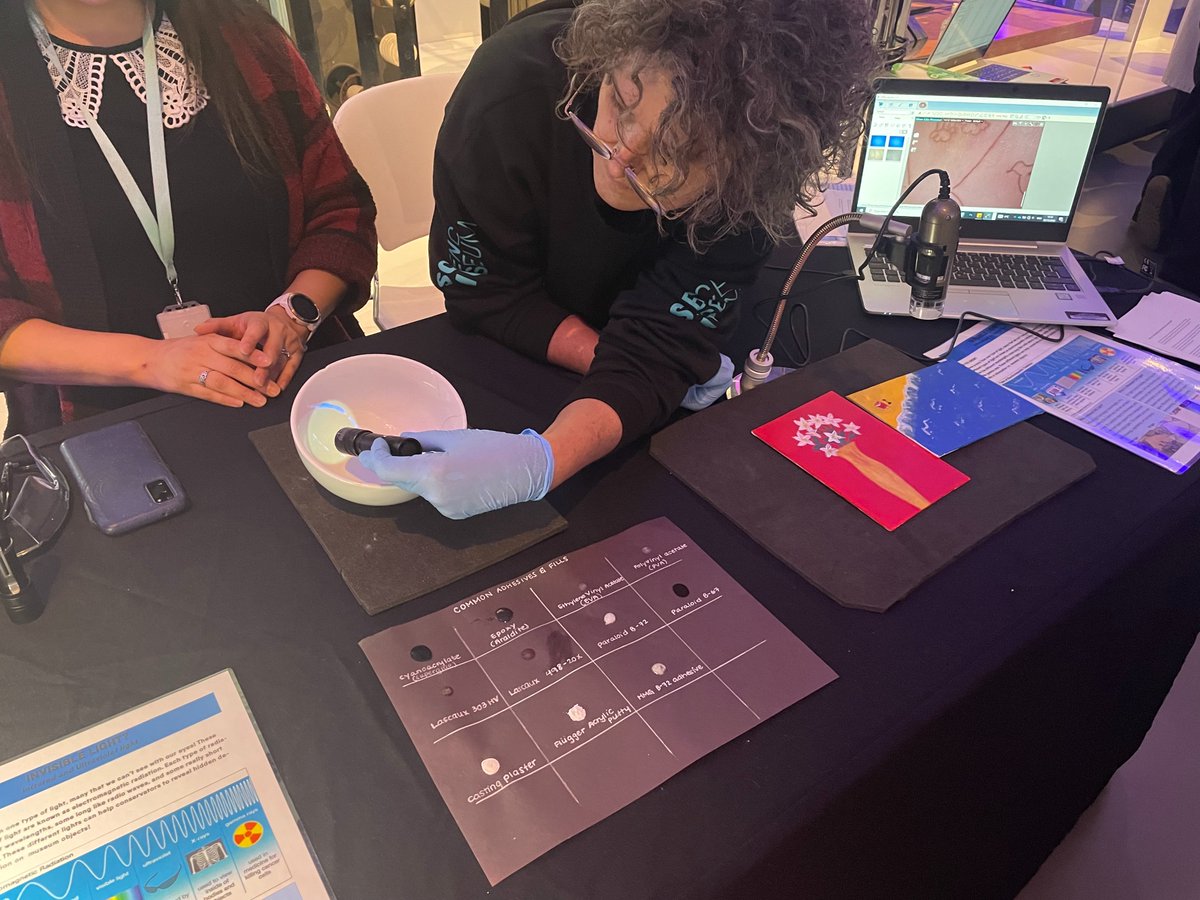
@sciencemuseum They also used a UV torch to detect modern fills and previous repairs of ceramics, and an infrared digital microscope to detect images below layers of paint on canvas. This activity introduced attendees to some of the analytical techniques used by conservators.
🎥 ...and here's how they did it!
Timelapse footage shows the final stages of the restoration - when they signal was raised back onto the platform, ready to be redisplayed.
🚄 Don't forget to look out for it the next time you're travelling north from York station!
Wow! The Great Northern somersault signal, National Railway Museum, was refurbished to its former glory thanks to work from Network Rail and our talented Conservation team.
🤝 The museum would like to thank James Fordyce and his team from Network Rail who showed such care and enthusiasm to restore the signal in the way they have.
Working with our Conservation team, the project was completed quickly and to a wonderful standard.
What's red and festive? It's this photo of a Conservator working on one of the larger objects from our collection, a hydrogen fuel cell bus of course! Read more about this object here https://t.co/dBoUJLPXXd
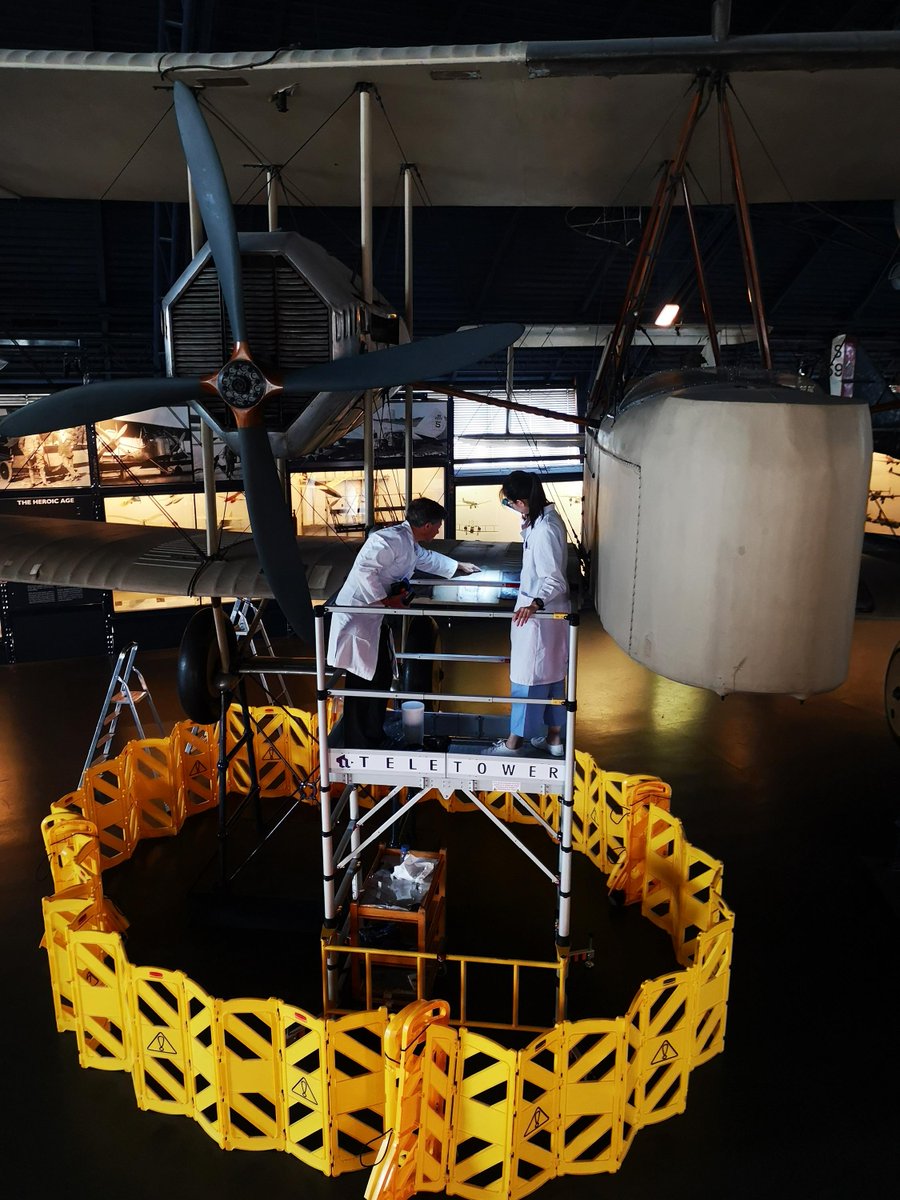
Today in 1919, the plane which completed the first non-stop transatlantic flight came to the Science Museum. The Vickers Vimy is still on display in our Flight gallery today, and is cared for by our team, using scaffolding towers when they have to clean/conserve it.
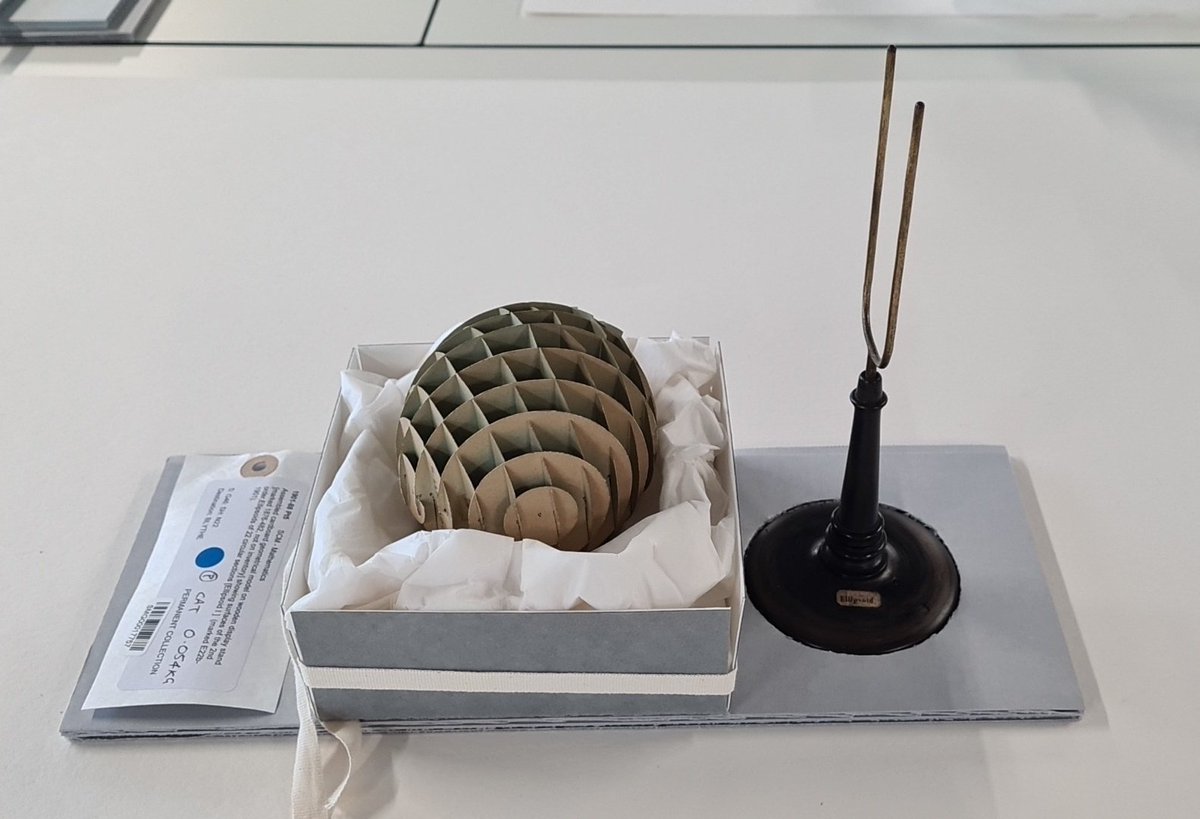
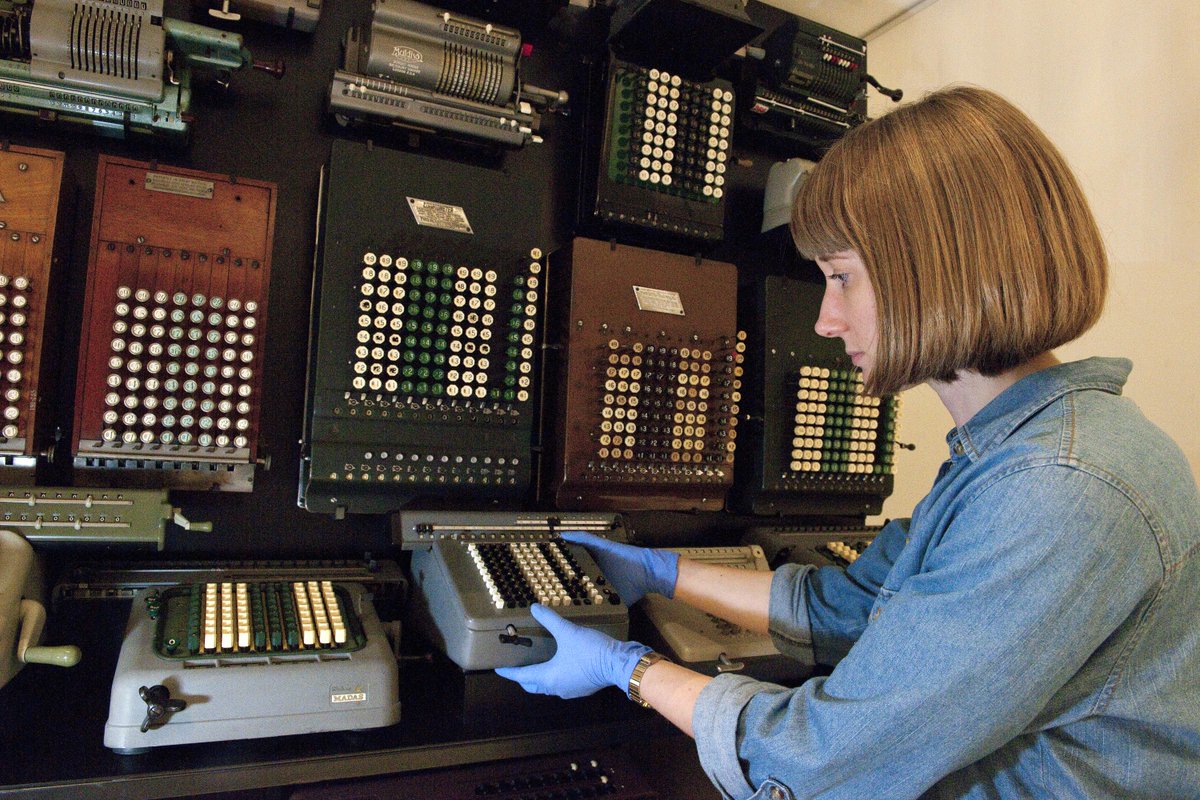
It doesn't feel like five minutes, but it's actually been 5 years since our Mathematics Gallery opened @sciencemuseum . Throwback to our team installing this beautiful gallery back in 2016.
#OTD in 1909, the patent for Bakelite granted. Our collection contains lots of this manmade material, which you can read more about in this fab blog https://t.co/o4sTuUIk0J
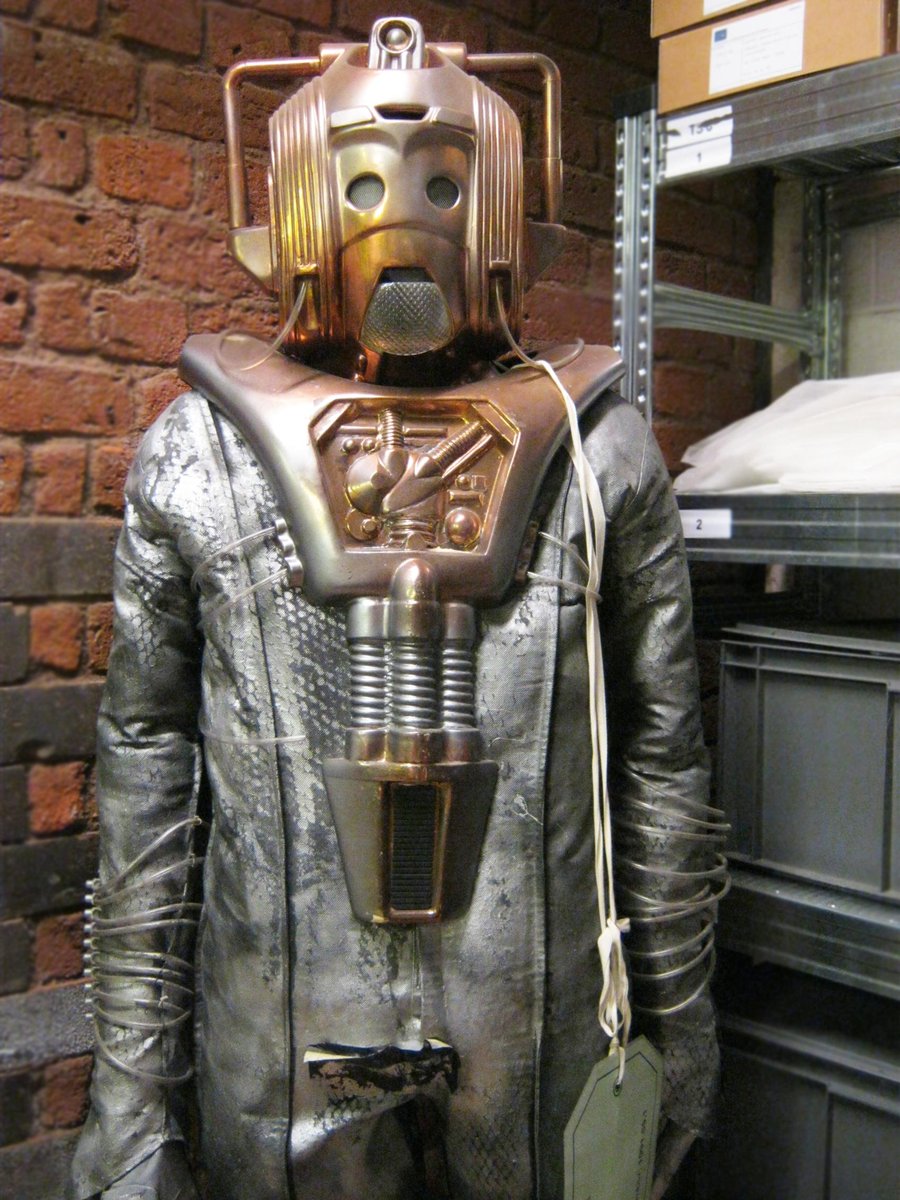
#OTD in 1963, the first episode of Doctor Who was broadcast. Did you know that we have some objects relating to the series in our collection? This Cyberman costume often gives our team a fright in the stores @sim_manchester . See more here https://t.co/CLhWDG9LQx
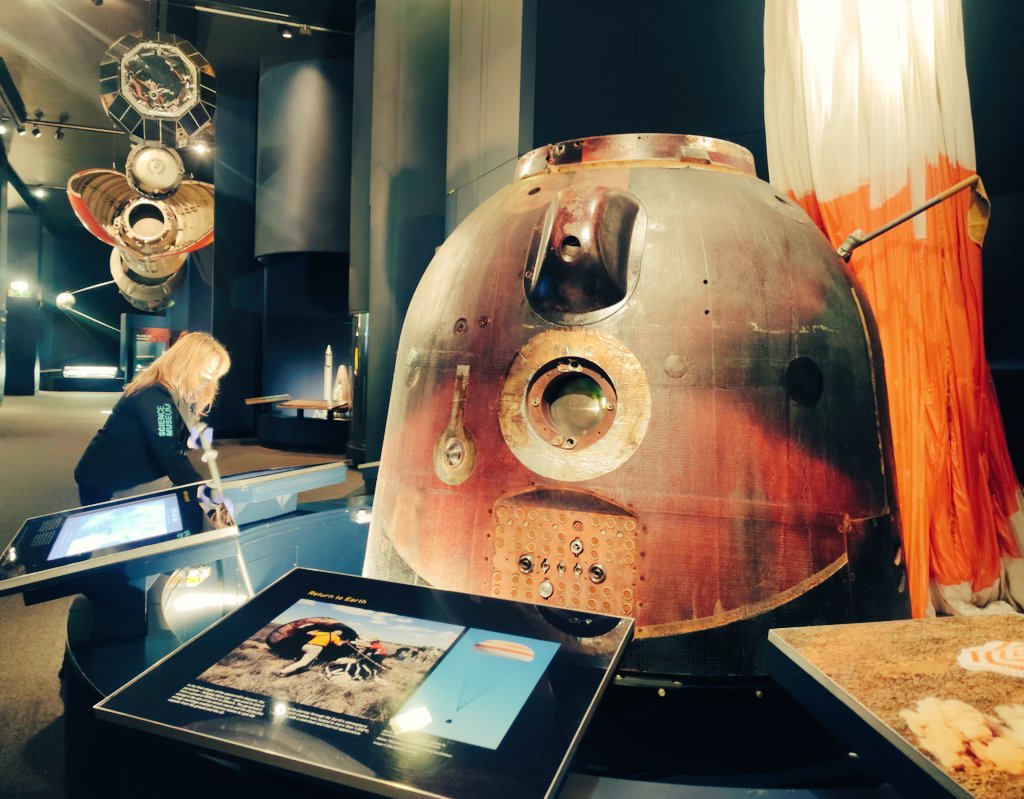
What are your Friday jobs? Laura, our Conservation Assistant, has been getting the Space Gallery in 'Peake' condition today by cleaning the Soyuz capsule which carried @astro_timpeake and other astronauts in 2015.
#DKY that #AskAConservatorDay is held today as a remembrance of the devastating flood of Florence on 4 November 1966.
Today we celebrate the developments in the field of conservation & encourage social media engagement with conservators - so please ask away!
@Conservators_uk
@lomecreu@ICONSci@UCL_ISH@seahaCDT For objects conservators, heritage science informs desicions on the types of treatments we use. It helps us understand more about materials present in objects and how best to preserve them
@TeaWithCaramel1 There's not a specific item we can think of. All offers get considered by our curatorial colleagues. The most common reason we have to decline something is that it's a duplicate of something already in our collection.