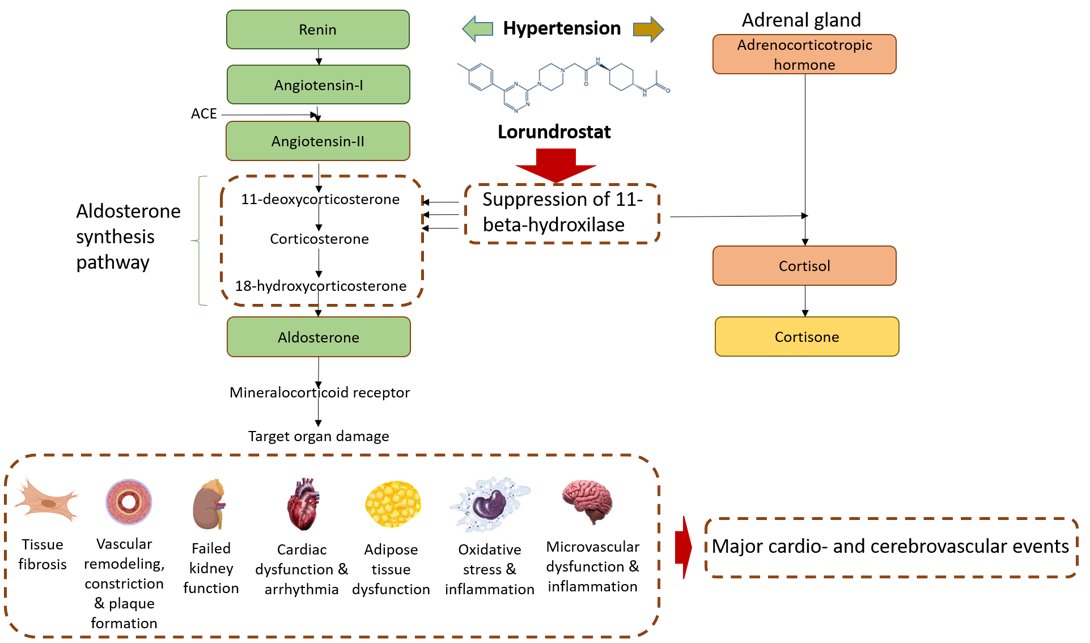
Could selectively targeting aldosterone synthesis offer a new approach to uncontrolled hypertension?
Lorundrostat, a selective aldosterone synthase inhibitor, is emerging as a promising therapeutic option. A meta-analysis of three randomized trials involving 1,568 patients found significant reductions in 24-hour systolic and diastolic blood pressure. However, the increased risk of hyperkalemia highlights the importance of careful patient selection and monitoring.
Can aldosterone synthase inhibition change the future of hypertension management?
Read the editorial and share your thoughts!
#Cardiology #CardioTwitter #Hypertension #Lorundrostat #CardiovascularPharmacology
https://t.co/rTQYEPDrJm
Join us for the next EAPC Journal Club on Friday, 20 November 2026, for an engaging discussion on the clinical implications of baseline anaemia and short dual antiplatelet therapy in patients at high bleeding risk undergoing PCI.
Featuring expert insights from Prof. Sebastiano Sciaretta (Senior Commentator), Dr Luigi Spadafora (Speaker), and Dr Francesca Maria di Muro and Dr Gal Tsaban (Discussants).
Moderated by Dr Svetlana Moșteoru.
📷 Friday, 20 November 2026
📷 17:00–18:00 CET
Don't miss this opportunity to explore the evidence, challenge clinical perspectives and discuss what it means for everyday cardiovascular practice.
Event open for everyone! Register now! https://t.co/LrB738rmjK
@EAPCPresident
✅Lp(a) at the #AHA congress: no 💊 pharma yet on the HORIZON. So should we still screen it ? Does Knowing Lp(a) Change What We Do? See the debate in #EJPC ⤵️ https://t.co/IwXr0uxw6n
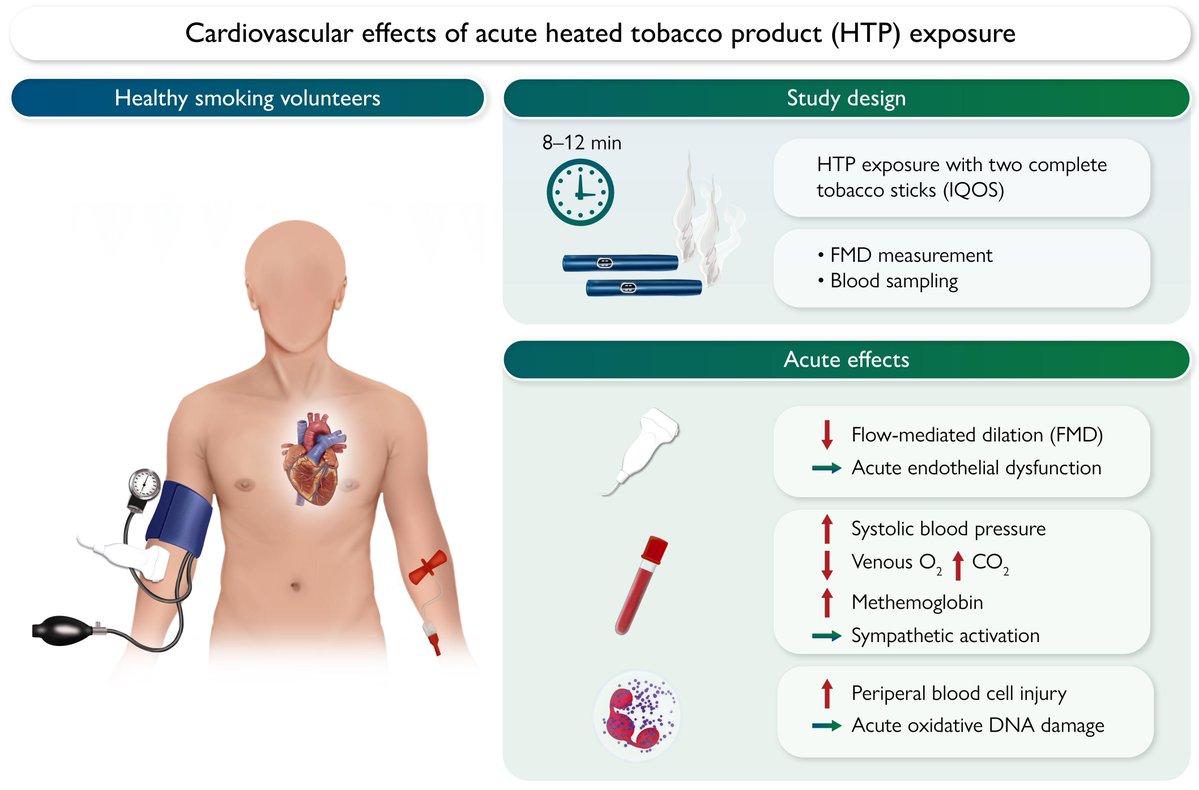
Acute exposure to 🚬 promotes vascular dysfunction, ⬆️ venous CO2, and acute 🧬 damages in healthy 🧑🦱👩🦱 adults.
Explore more insights in the recent #EJPC paper ⤵️
🔗https://t.co/b6AYoKd3TV
In patients with coronary heart disease, 150 min/wk of moderate-intensity physical activity was associated with 38% lower all-cause mortality.
A dose–response meta-analysis of 176,862 patients highlights the benefits of low-to-moderate activity levels.
🔗 https://t.co/m5Gpj1Dt3J
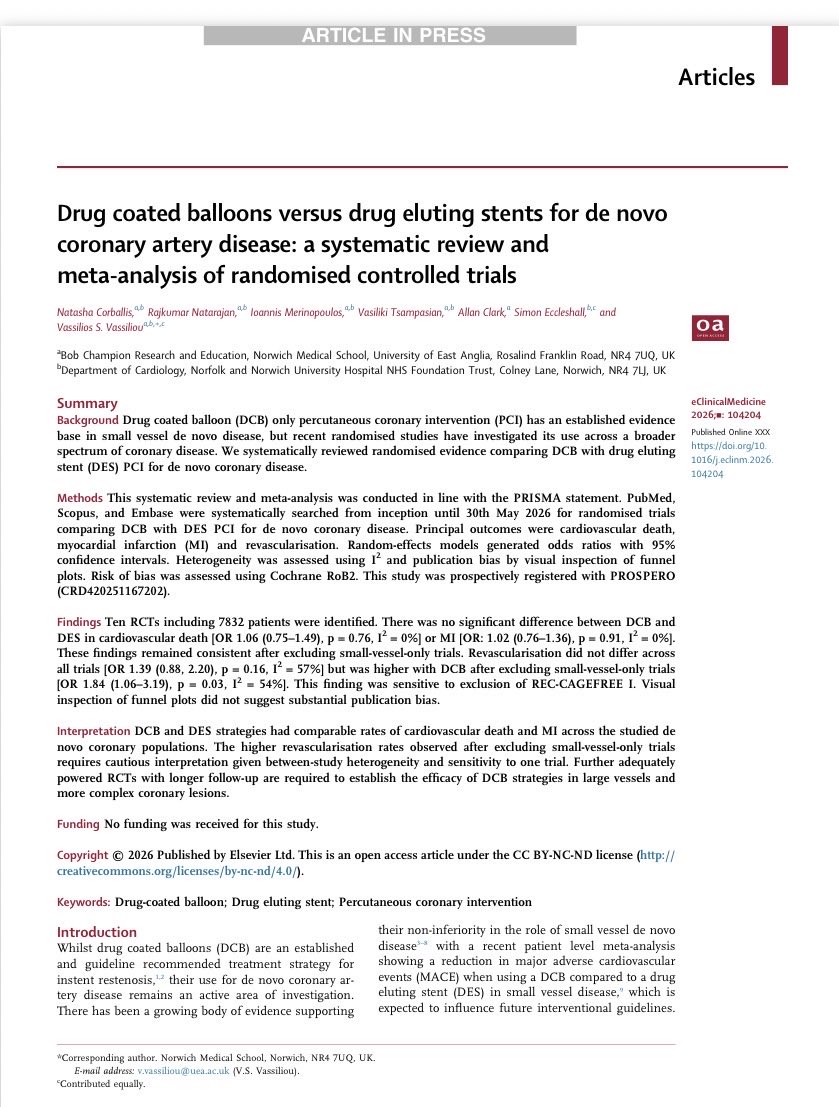
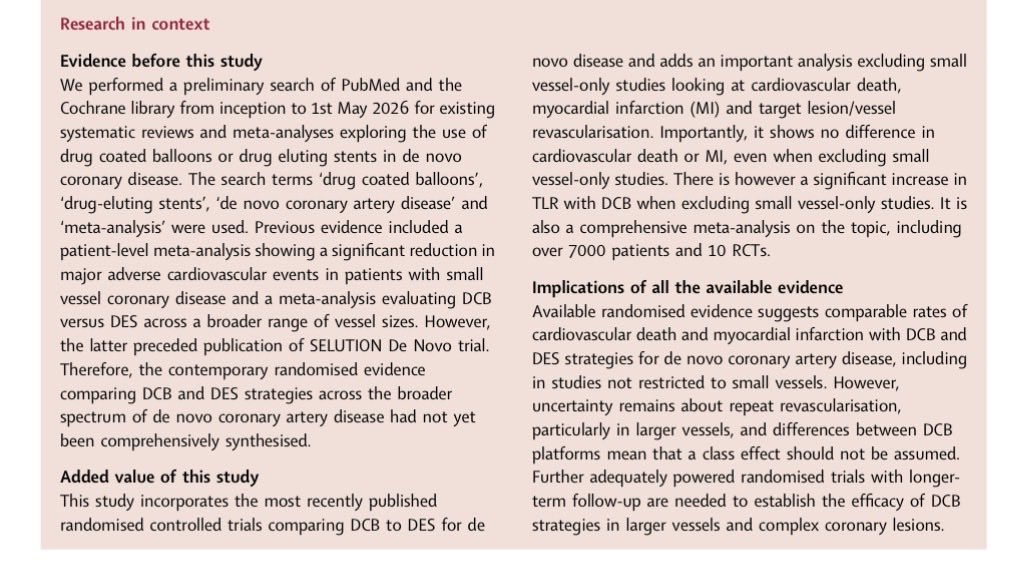
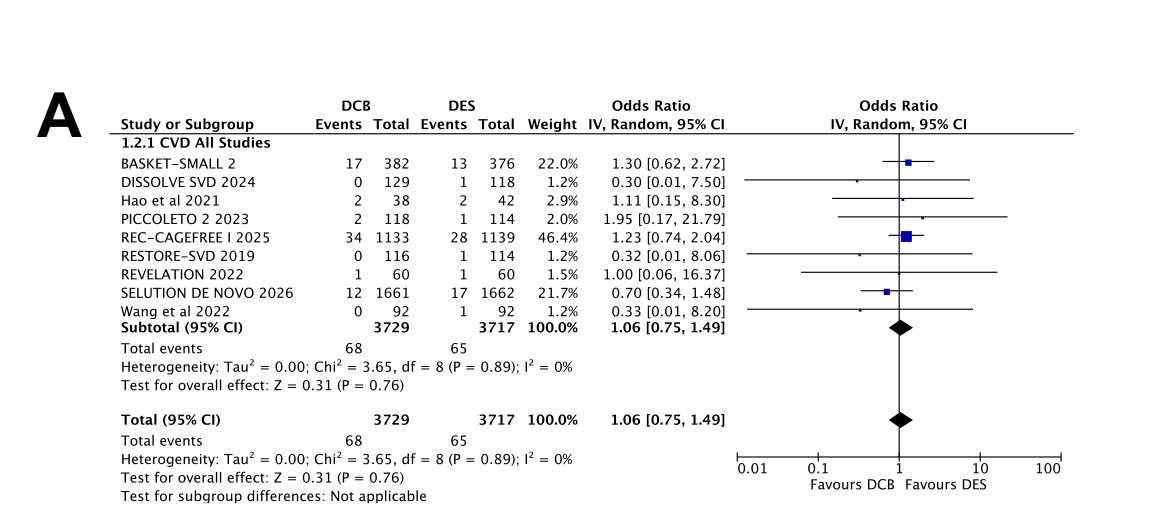
Drug-Coated Balloons vs Drug-Eluting Stents: What Does the Evidence Show?
Our new meta-analysis of 10 RCTs (7,832 patients) led by @CorballisTash@TheLancet@eClinicalMed
No difference in cardiovascular death or MI. But revasc may be higher.
https://t.co/wb3SZ5NOgh
@NNUH
🫀Fear of cardiac symptoms may become a barrier to recovery. A systematic review of 26 studies (n=9,628) found heart-focused anxiety in 15–49% of patients with CVD, linked to exercise avoidance and poorer outcomes. 🔗 https://t.co/nRoPWINOdw
🤰🫀 Hyperlipidaemia in pregnancy: physiology or cardiovascular risk?
A timely review of peripartum lipid changes, maternal & fetal outcomes, treatment options, and key evidence gaps.
🔗 https://t.co/b9MGFeOcEN
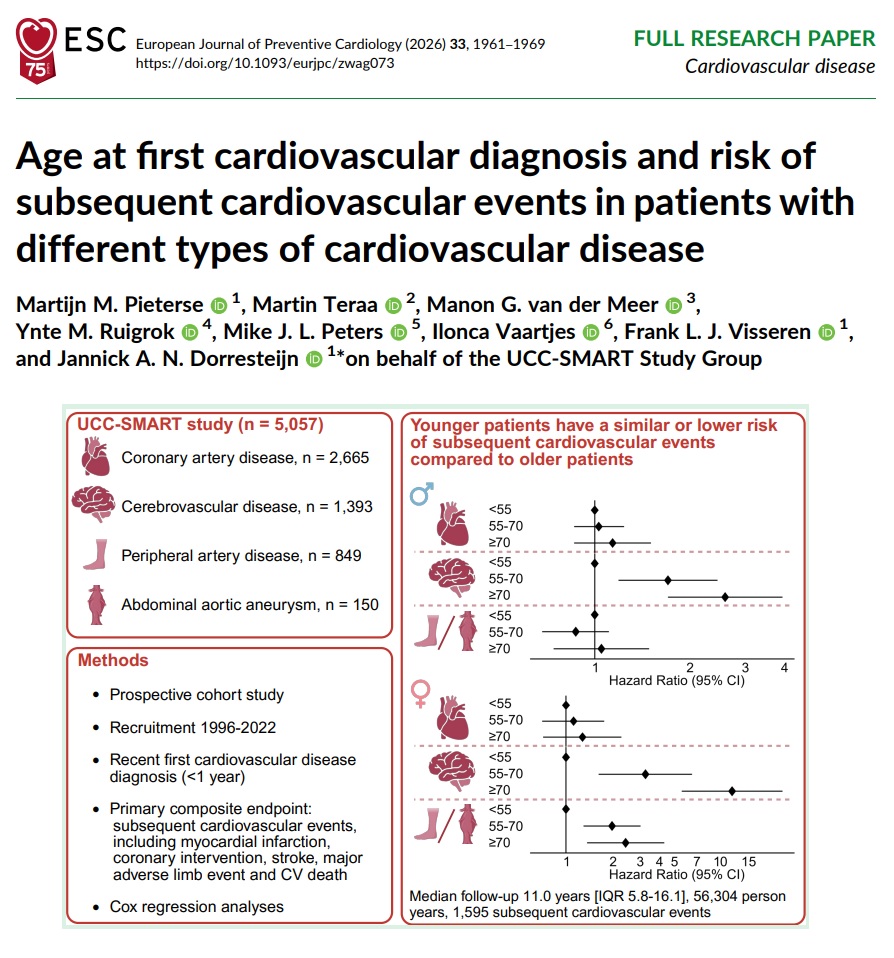
Younger age at first diagnosis is strongly associated with lower risk of subsequent events in patients with cerebrovascular disease (stroke) and in women with peripheral artery disease or abdominal aortic aneurysm
📖 https://t.co/ERbD3fGQ0s
@escardio@AboyansV@SilCastelletti
Our second event in this year’s EAS Advanced Courses on non-classical risk factors series will take place in Prague, Czech Republic. The application process is now open.
Join us to learn about the potential role of non-classical factors including chronic inflammation, metabolic disturbances, gut microbiota, psychosocial stress, and environmental influences in cardiovascular disease risk and progression.
Register here: https://t.co/2Tqftf2J4h
Our EAS Advanced Courses on non-classical risk factors are back!
While traditional risk factors such as high blood pressure, elevated cholesterol, smoking, and diabetes are well recognised, emerging evidence highlights the potential role of non-classical factors - including chronic inflammation, metabolic disturbances, gut microbiota, psychosocial stress, and environmental influences - in cardiovascular disease risk and progression.
Join us in Athens, Greece, for the first event in the 2026 series, and register now: https://t.co/45Ig9fkBse
An interesting session on the final morning of #ESCCongress 2026 🫀
Residual risk beyond LDL-C: achieving LDL-C targets is only part of the story. Lp(a), persistent inflammation and cardiometabolic risk may help identify the patients who remain at risk — and increasingly provide targets for intervention.
Great perspectives on Lp(a), colchicine and GLP-1 therapies presented by great faculty.
@escardio@TokgozogluLale@KoKoMaung_@GalTsaban@SMosteoru #preventivecardiology
A landmark moment for preventive cardiology during the #ESCCongress 2026: the first-ever ESC Guidelines dedicated to Cardiac Rehabilitation.
A comprehensive, multidisciplinary and patient-centred rehabilitation takes centre stage — with individualized exercise, risk-factor management, shared decision-making and new approaches to delivery.
@escardio@KoKoMaung_@GalTsaban@SMosteoru #preventivecardiology
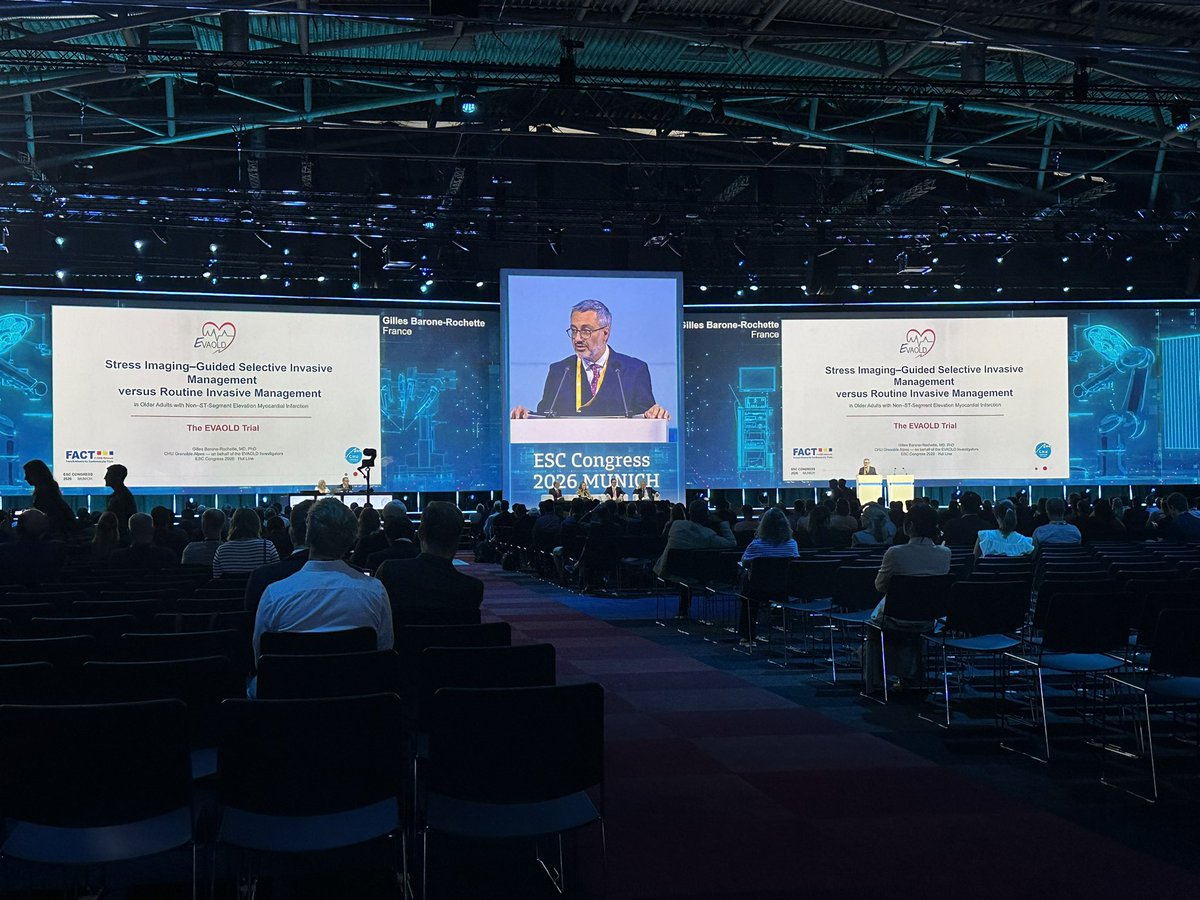
🔥 Hot Line 11 at #ESCCongress 🫀
An important question in our oldest NSTEMI patients: does everyone ≥80 years need routine invasive management?
EVAOLD challenges the “one-size-fits-all” approach, evaluating a selective invasive strategy guided by ischemia testing versus systematic coronary angiography.
A highly relevant trial for everyday clinical decision-making.
@escardio@KoKoMaung_@GalTsaban@SMosteoru
Thirty years of #EUROASPIRE!
This evening in Munich, @escardio and NIPC mark the 30th anniversary of EUROASPIRE with researchers, national coordinators and clinical teams who have contributed to the programme over three decades.
EUROASPIRE video⬇️
https://t.co/OBRFavrCKZ