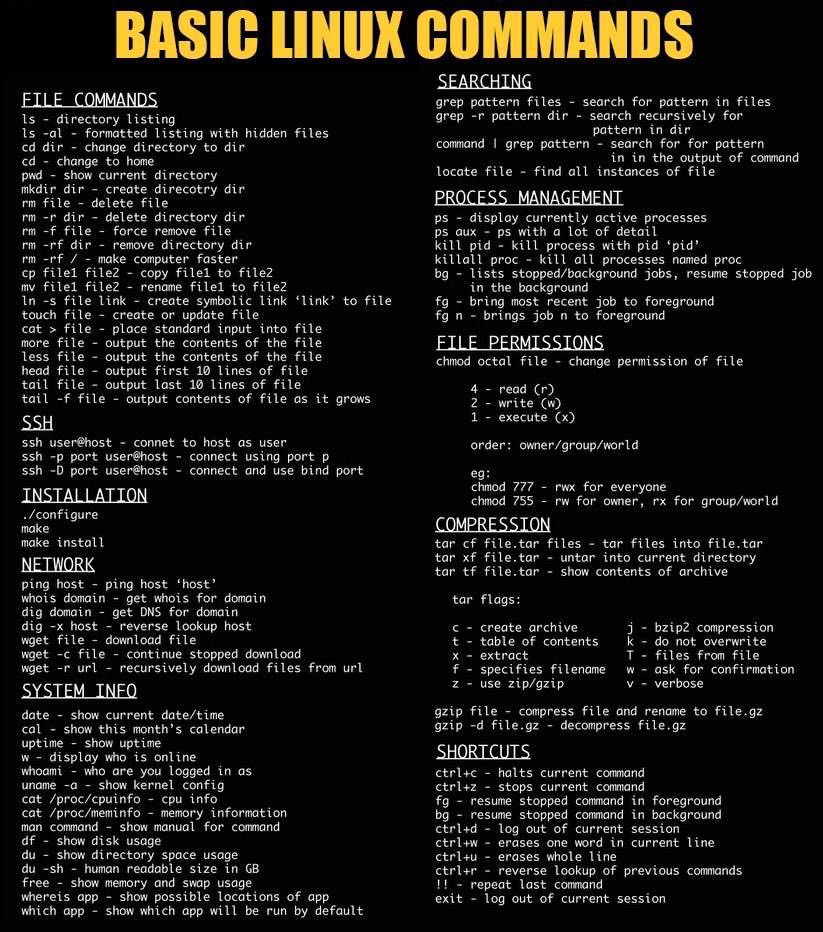
Hands- on Linux Resources 👇🏽
Introduction to Linux : https://t.co/6rc2eBW8ET
Linux Command line: https://t.co/534RvmtBM5
Managing Users and Groups : https://t.co/534RvmtBM5
Editing files in Linux: https://t.co/s8xJSQh9ym
Retweets, ❤️ and bookmark for future.
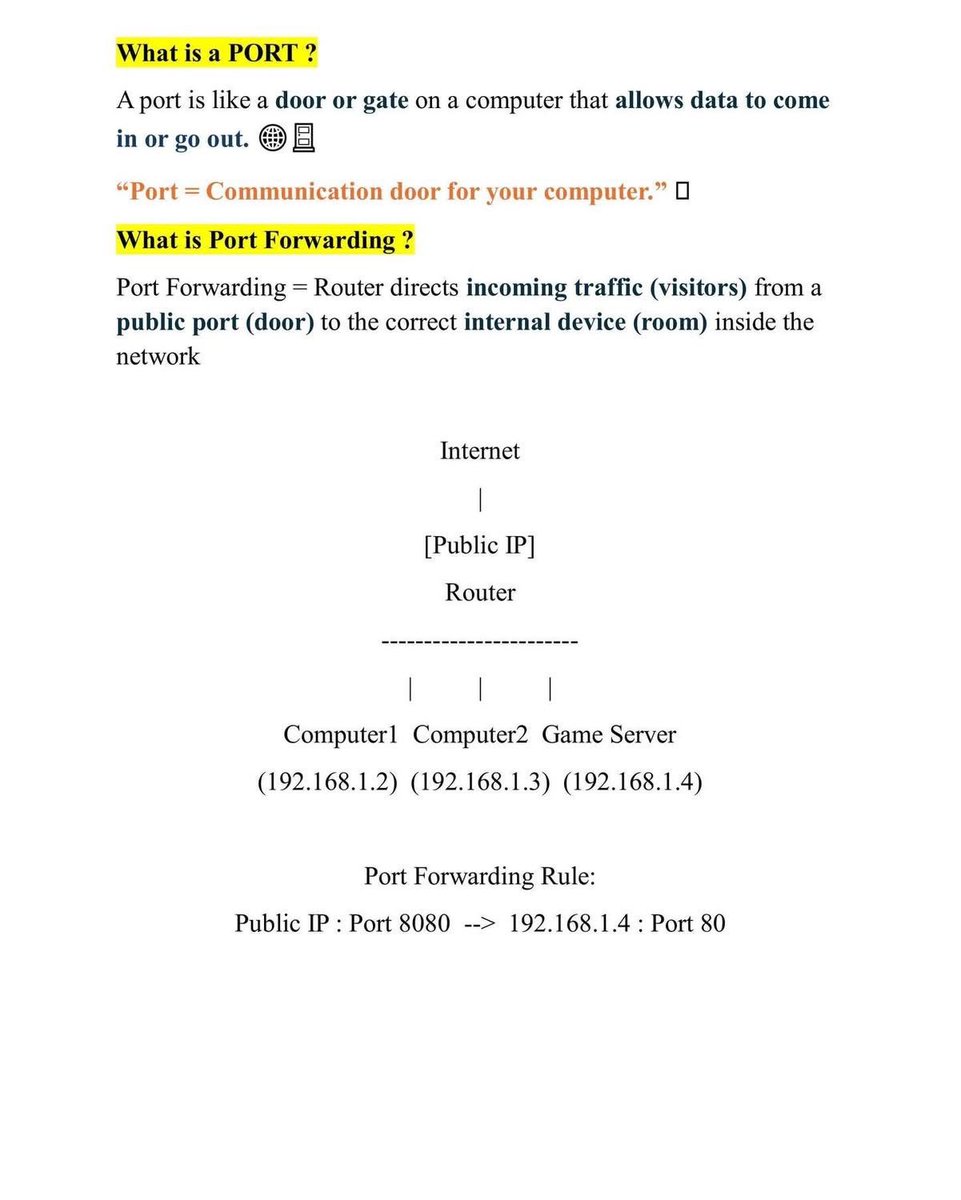
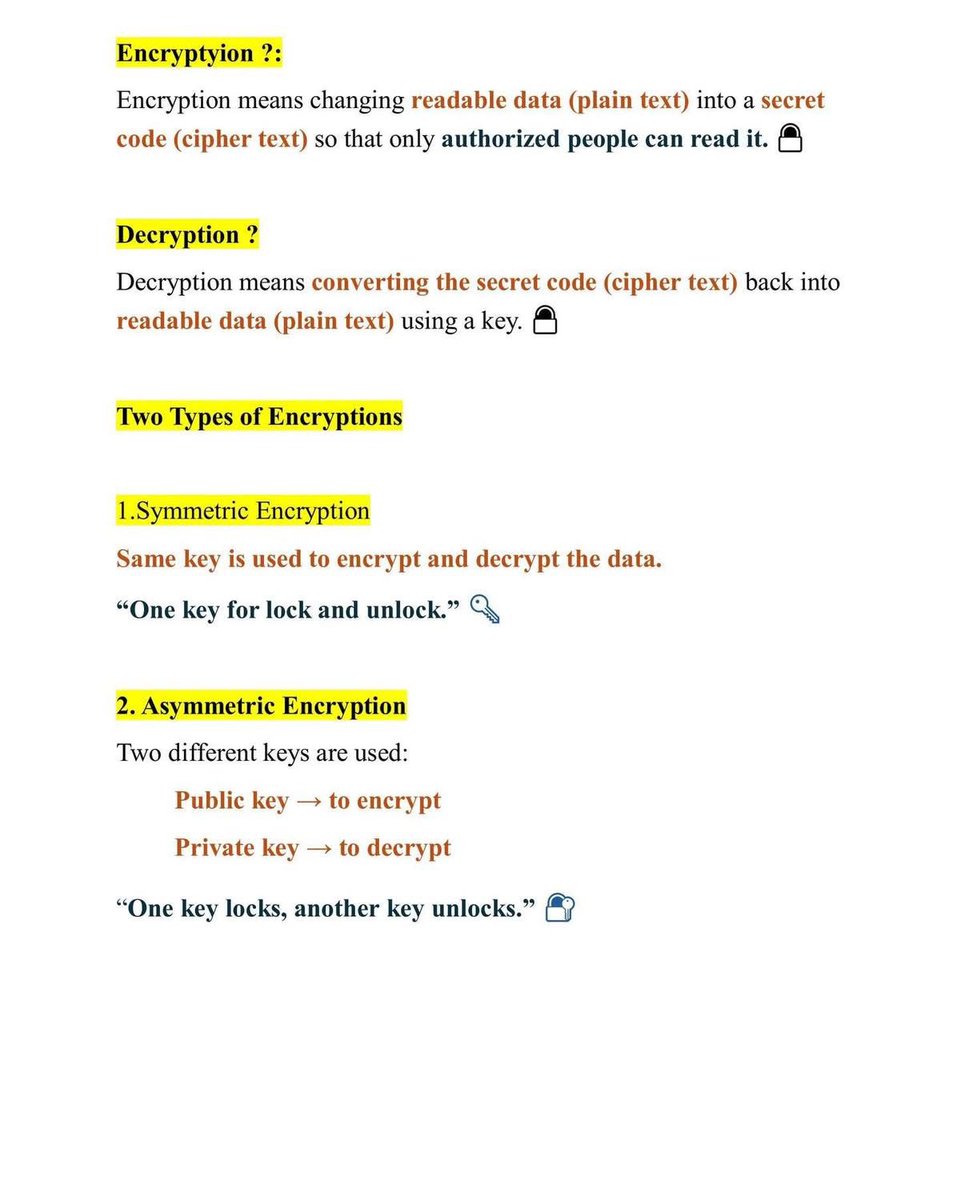
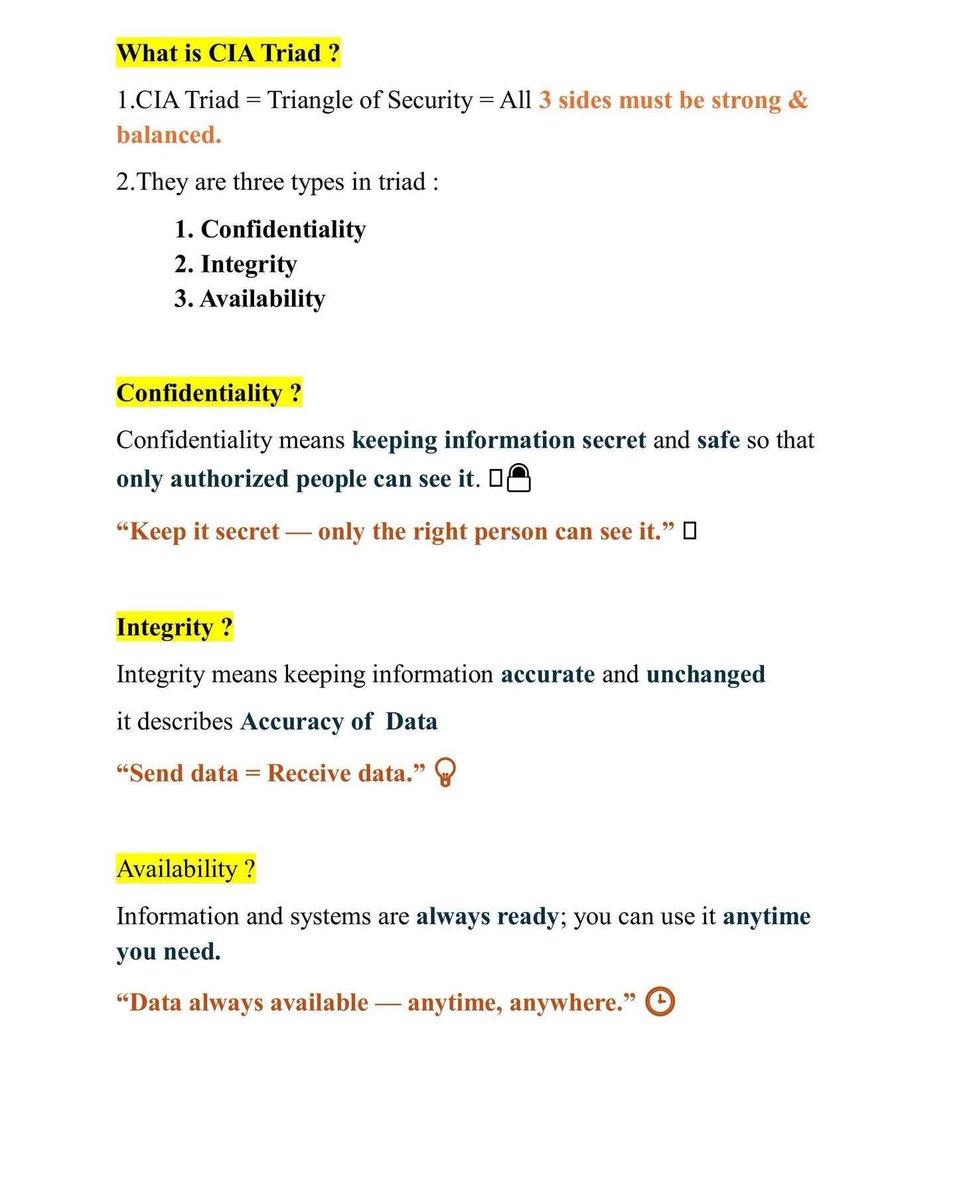
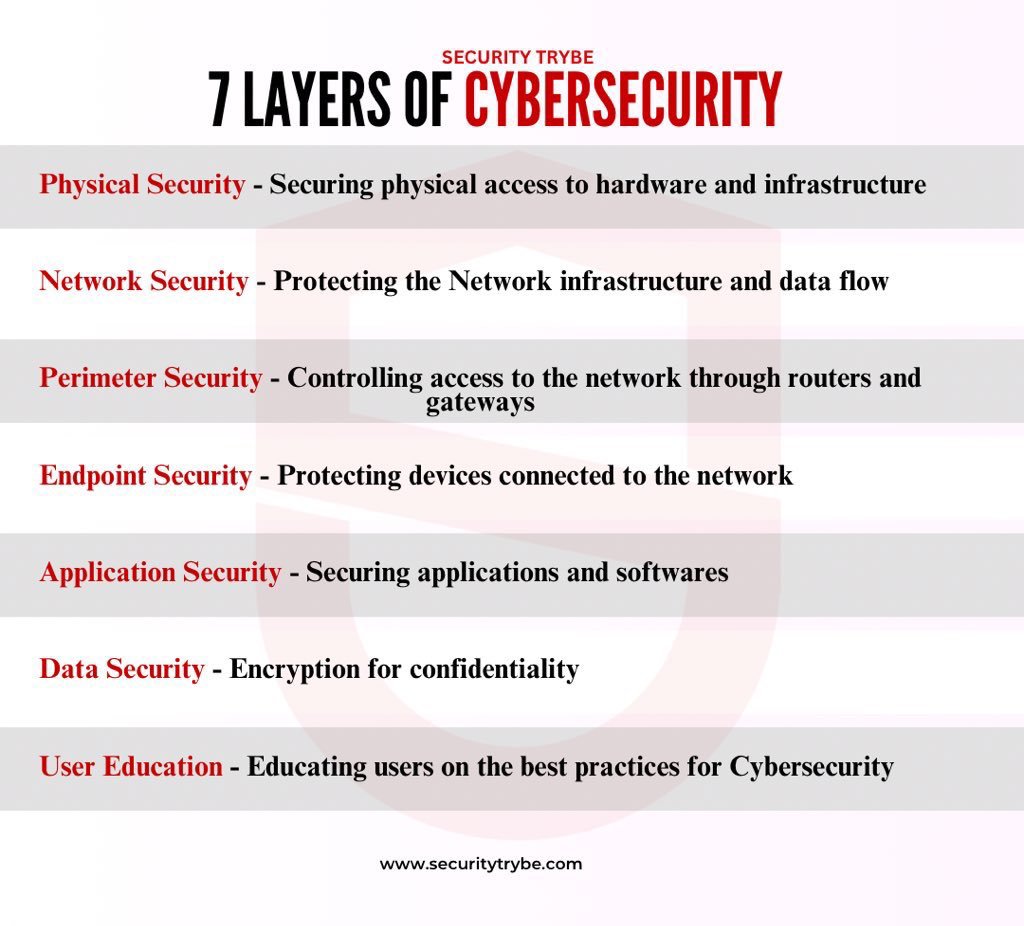
🔐 Sharing My Cybersecurity Fundamentals Notes
I’ve put together a clear and detailed set of notes that break down the essential concepts every beginner should understand when stepping into the world of cybersecurity. 🚀
FREE GRC Courses!
Looking to level up your skills in Cybersecurity and GRC?
Here are 10 completely FREE YouTube courses packed with expert insights, practical guidance, and valuable frameworks — ideal for both beginners and seasoned professionals! 💡
📌 Top 10 Free Courses You Shouldn’t Miss:
SOC 2 Explained – https://t.co/MpLjDGkVFI
ISO 27001 Overview – https://t.co/8lRR8VagW4
ISO 27001 Framework Deep Dive – https://t.co/696a12nYWv
ISO 42001 Introduction – https://t.co/9PBYzaTnQR
ISO 42001 Framework Deep Dive – https://t.co/tJBzdMSbEp
PCI DSS Essentials – https://t.co/AlwkCOAoh3
AI Security Principles – https://t.co/u3FCgINpDL
HITRUST Certification Guide – https://t.co/oREEbjSUWE
Privacy & Data Protection – https://t.co/pZXkeapcui
Offensive Security Fundamentals – https://t.co/ejapKUO1cu
Follow: Sanjay Singh on LinkedIn, for daily Cybersecurity insights.
Attackers exploited message editing to inject AI-modified illegal content into older posts, reducing visibility and delaying reports. Moderation systems should continuously re-scan edited content, not just new uploads, enabling faster detection and removal.
Last night Apple briefly removed Telegram from the AppStore because a user had planted illegal porn in a public chat.
Telegram was restored within hours. But I want to explain what happened — to warn other app developers and help protect online communities from similar attacks.
Because Telegram quickly removes illegal content from public groups using all kinds of moderation tools, the attacker had to resort to a technical trick. He inserted AI-modified illegal content by editing an old message in an active group chat. As a result the content was effectively hidden from the group’s members, preventing them from seeing/reporting it.
The attacker was a takedown extortionist: someone who demands ransom from group owners in exchange for not targeting their communities. These extortionists use automated accounts to plant illegal content in public groups and then report it directly to Apple, attempting to trigger the removal of legitimate communities whose owners refused to pay them.
From a practical standpoint, illegal pornographic content in Telegram’s public groups is not a systemic problem. Our moderation is effective. The fact that attackers must resort to backdated, effectively invisible content and other technical tricks proves this.
⚠️ However, there are two important lessons here for app developers and online communities:
— Extortionists have found a way to manipulate Apple into overreacting. Apple removed Telegram from the App Store before contacting us. This creates a potential systemic risk for every mobile app that hosts user-generated content. If an app used by more than a billion people can be removed from the App Store without prior warning, any app can be.
— The tactics used by takedown extortionists are evolving, putting communities across social platforms at risk. Telegram has extensive experience identifying the tricks used by coordinated reporting gangs and protecting legitimate communities (even when doing so risks our own app being temporarily removed from the App Store). Other platforms may not be equally prepared.
Stay vigilant! ☝️
CVE-2019-0708 (BlueKeep)
A wormable Remote Desktop Services vulnerability that allowed unauthenticated remote code execution on older Windows systems.
Lesson: Internet-facing services must be patched immediately.
#CVE#BlueKeep#CyberSecurity#InfoSec
Linux & Server Management (FREE)
Most servers run on Linux.
Learn command line, shell scripting, and system management.
Important for backend and DevOps roles.
Start FREE 👇
🔗 https://t.co/KXXnjNM4du
🔗 https://t.co/2JX7SEsb5u
Repost for others 🔁
Building my cybersecurity network. 🚀
If you're into SOC, Blue Team, DFIR, Linux, or InfoSec, let's connect, learn, and grow together.
#CyberSecurity#InfoSec#Networking
First, I would verify.
Correlate before optimizing: check the process consuming CPU, systemd timers/K8s CronJobs, DB maintenance, backups, logrotate, AV/security agents, cloud scheduled tasks, then capture CPU profiles and thread dumps at 3:15 AM to find the exact hot path.
Senior backend interview question:
CPU usage jumps to 100%
every night at 3:15 AM.
No cron jobs.
No deployments.
No traffic spike.
What are you checking first?
Which one is your best ?
🐧 Linux From Scratch – ultimate control (experts)
⚙️ Gentoo – highly customizable
🏹 Arch – minimal, powerful, rolling
🦎 openSUSE / Fedora – stable + modern features
🟠 Ubuntu – easy & widely supported
🍃 Linux Mint – best for beginners
My pick: Arch
🕳️☄️CVE-2014-0160 (Heartbleed)
A critical flaw in OpenSSL that allowed attackers to steal sensitive data directly from server memory, including passwords and encryption keys.
Lesson: Encryption is only as strong as its implementation.
#CVE#Heartbleed#CyberSecurity#InfoSec
CVE-2017-0144 (EternalBlue)
One of the most devastating Windows vulnerabilities. It enabled remote code execution via SMB and fueled the WannaCry ransomware outbreak across the globe.
Lesson: Unpatched systems become easy targets.
#CVE#EternalBlue#CyberSecurity#InfoSec
Answer: B. Investigate logs
• Verify failed & successful login events
• Check source IP & geolocation
• Review MFA status
• Compare with user's normal behavior
• Look for suspicious activity after login
• Contain (disable/reset) only if compromise is confirmed
You are a SOC Analyst.
You receive an alert:
• Multiple failed logins
• Followed by a successful login
• New geographic location
• Privileged account
What do you do first?
A. Reset password
B. Investigate logs
C. Disable account
D. Ignore alert
Drop your answer in comments ↓