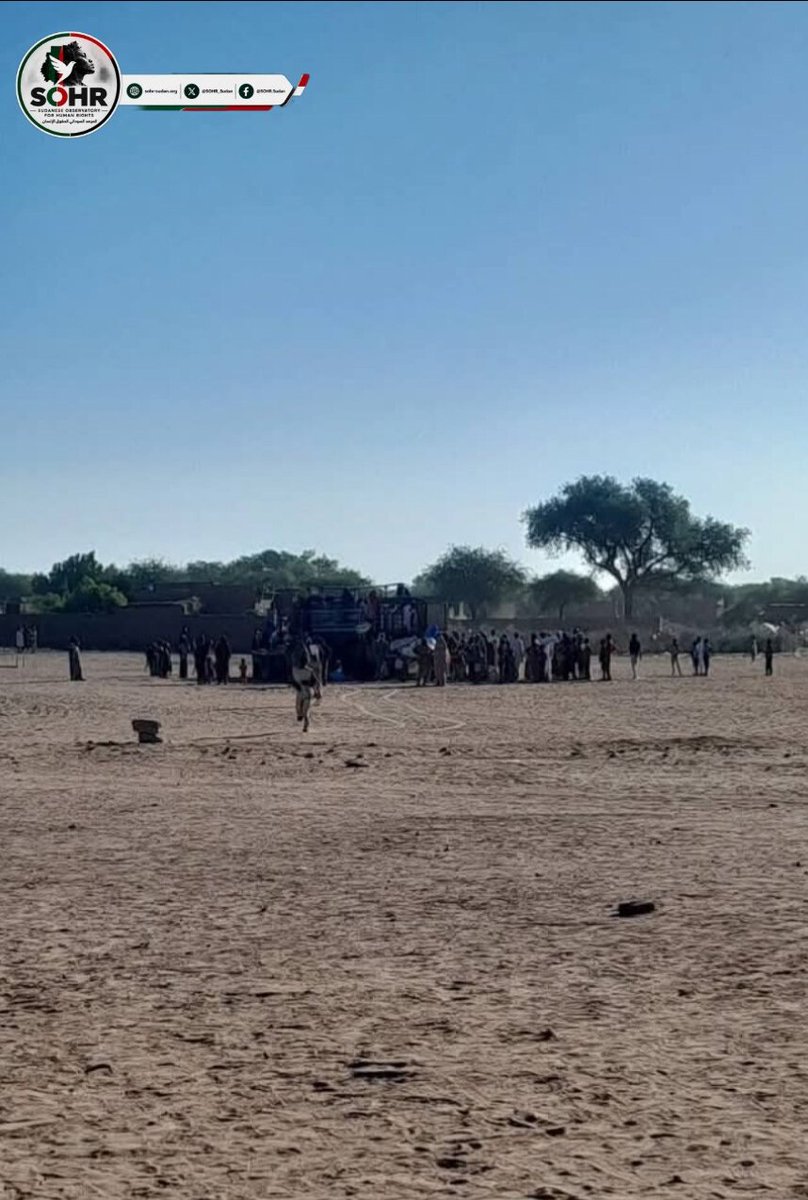
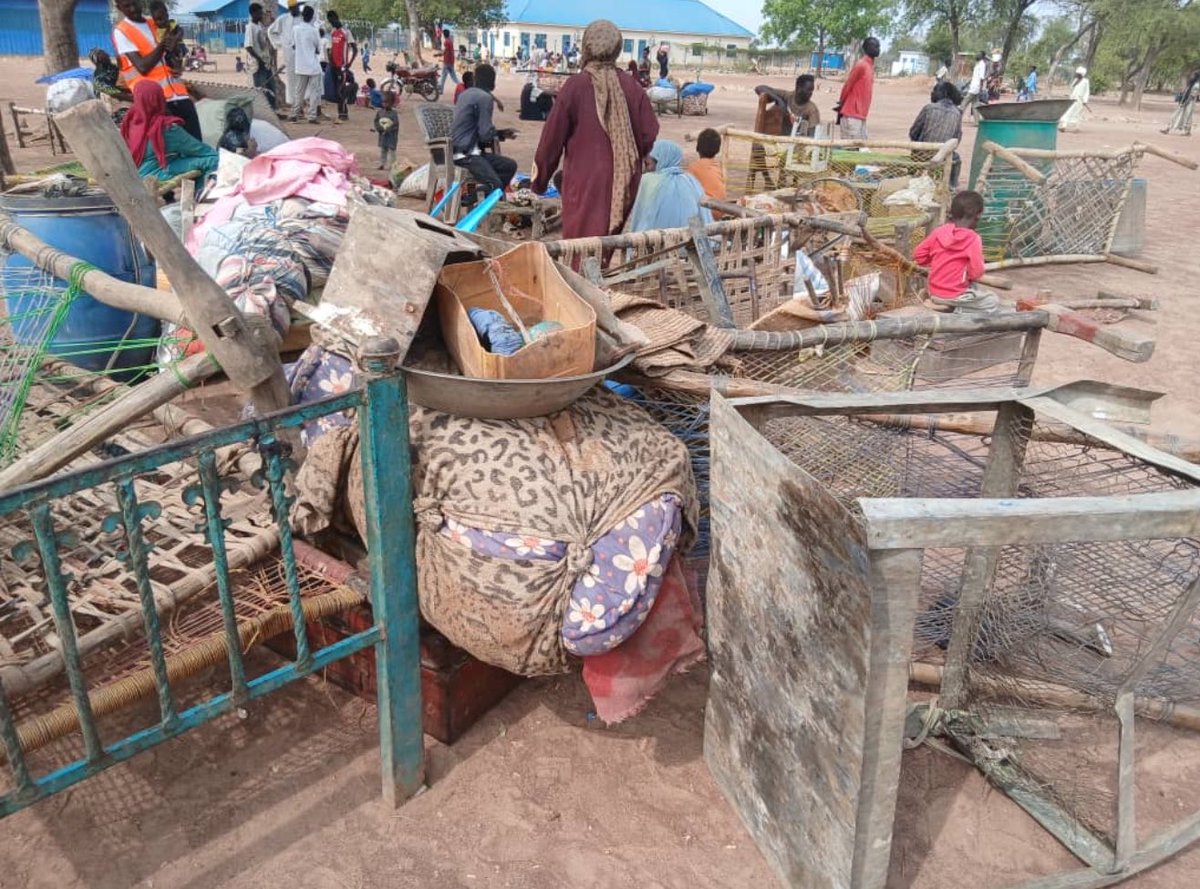
🚨 On the second anniversary of the Al-Hilaliya massacre, the Sudanese Human Rights Observatory (SHRO) releases findings from an 18-month investigation into the deliberate poisoning of water sources using toxic pesticides in eastern Al-Jazirah State.
🚨 The investigation found that the RSF poisoned water sources in Al-Hilaliya and neighbouring villages following a siege on civilians and the seizure of food and essential supplies.
🚨 The pesticides were allegedly looted from chemical warehouses and markets in Khartoum State, particularly Bahri Market and the Central Market.
🚨 More than 1,900 people reportedly died from poisoning and were buried in mass graves in Al-Hilaliya, Wad Abu Saleh and Um Dawan Ban.
🚨 Laboratory analysis of water samples from a well detected changes in water properties and chemical indicators, including ammonium and arsenic.
🚨 SHRO confirms that samples were collected and preserved under internationally recognised protocols and chain-of-custody standards. Original samples remain available for independent international verification.
🚨 RSF field commanders Al-Obeid Suleiman (Abu Shotal) and Ahmed Adam (Qajja) were identified by the investigation among those allegedly responsible for overseeing the operation. The RSF medical unit was also implicated in supervising the looting of pesticide warehouses and markets.
🚨 Testimonies indicate that most households in Al-Hilaliya lost at least one family member. SHRO believes the poisoning was intended to forcibly displace the local population in retaliation for a military commander’s defection.
🚨 The European Union Agency for Asylum (EUAA), in February 2025, cited at least 500 deaths and allegations of poisoned food supplies. The Committee for Justice also documented deaths, poisoning cases and deteriorating humanitarian conditions in November 2024.
🚨 SHRO considers these acts potentially constitutive of war crimes and crimes against humanity, as well as violations of international prohibitions concerning chemical weapons. The alleged use of pesticides in this context requires independent legal and scientific investigation.
🚨 SHRO holds Sudanese authorities responsible for serious failures and negligence in documenting victims, collecting and preserving evidence, and establishing an independent investigative committee. Such failures have contributed to the loss and possible concealment of evidence, undermining the pursuit of truth and justice.
🚨 SHRO strongly condemns the poisoning of water sources and the killing of civilians and calls for an independent international investigation, specialised forensic teams, examination of samples, documentation of mass graves, prosecution of all those responsible, and justice and reparations for survivors and victims’ families.
🚨 Local, regional and international justice institutions must stand together to ensure accountability and bring all those responsible to justice.
Sudanese Human Rights Observatory (SHRO)
🚨 في الذكرى الثانية لمجزرة الهلالية ، المرصد السوداني لحقوق الإنسان ينشر نتائج تحقيق استمر قرابة عام ونصف بشأن استخدام المبيدات السامة في تسميم مصادر المياه بشرق ولاية الجزيرة.
🚨 بدأت أعمال التحقيق في 2 مارس، وتوصل فريق المرصد إلى أن قوات الدعم السريع قامت بتسميم مصادر المياه في الهلالية والقرى المجاورة، عقب فرض حصار على المدنيين والسيطرة على وسائل الإمداد والغذاء.
🚨 استخدمت قوات الدعم السريع مبيدات شديدة السمية جرى نهبها من مخازن وأسواق المبيدات الكيميائية بولاية الخرطوم، وتحديداً سوق بحري والسوق المركزي.
🚨 بلغ إجمالي ضحايا التسمم أكثر من 1900 شخص، دُفنوا في مقابر جماعية بمناطق الهلالية وود أبو صالح بشرق ولاية الجزيرة، وأم ضواً بان جنوب شرق ولاية الخرطوم.
🚨 أظهرت نتائج الفحوصات المخبرية لعينات المياه المأخوذة من أحد الآبار تغيراً في خواص المياه ووجود مؤشرات لعناصر ومركبات كيميائية شملت الأمونيوم والزرنيخ.
🚨 يؤكد المرصد أنه أجرى عمليات جمع العينات وحفظها وتوثيقها وفقاً للبروتوكولات والمعايير المعترف بها دولياً في جمع العينات وسلاسل حيازتها وتداولها (Chain of Custody)، ويحتفظ بالعينات الأصلية، وهو على استعداد لتقديمها إلى أي جهة دولية أو مختبر مختص يطلب فحصها والتحقق منها.
🚨 القائدين الميدانيين بقوات الدعم السريع، العبيد سليمان المعروف ب"أبو شوتال " والقائد احمد ادم المعروف ب" قجة" ، ضمن المسؤولين عن الإشراف والتنفيذ، كما ان الوحدة الطبية التابعة للدعم السريع اشرفت بشكل مباشر على نهب أسواق ومخازن المبيدات الكيميائية.
🚨 تعرضت الهلالية لحصار إنساني قاسٍ، وتشير إفادات التحقيق إلى أن غالبية منازل المدينة فقدت أحد أفرادها نتيجة التسميم المتعمد للمياه.
🚨 نؤكد أن استخدام المبيدات السامة في الهلالية استهدف تهجير السكان الأصليين قسرياً انتقاماً لانشقاق احد القادة من المنطقة، وأن هذه الوقائع ترقى إلى جرائم حرب وجرائم ضد الإنسانية، فضلاً عن الانتهاكات المرتبطة باستخدام المواد الكيميائية
المحظورة بموجب القانون الدولي.
🚨 أشار تقرير وكالة الاتحاد الأوروبي للجوء (EUAA) الصادر في فبراير 2025 إلى مقتل ما لا يقل عن 500 شخص في مدينة الهلالية، وأورد اتهامات بتسميم الإمدادات الغذائية التي دخلت المدينة، باعتبارها أحد الأسباب المحتملة لارتفاع أعداد الوفيات.
🚨 وثقت لجنة العدالة (Committee for Justice) في تقريرها الصادر في نوفمبر 2024 سقوط ضحايا جراء الحصار المفروض على مدينة الهلالية، وأشارت إلى حالات تسمم ووفاة وسط المدنيين، في ظل تدهور الأوضاع الصحية ونقص المياه والغذاء والرعاية الطبية.
🚨استخدام الدعم السريع للمبيدات الكيميائية لقتل المدنيين في الهلالية هو سياق غير تقليدي لاستخدام الاسلحة الكيميائية والبيلوجية المحرمة دولياً بحسب القانون الدولي .
🚨 نحمل السلطات السودانية مسؤولية التقصير والاهمال في جمع الأدلة وحصر الضحايا، وعدم تشكيل لجنة مستقلة للوقوف على حجم الكارثة واتخاذ الإجراءات اللازمة لضمان العدالة وحفظ حقوق الضحايا .
🚨 تتحمل السلطات السودانية مسؤولية جسيمة عن الإخفاق في حماية الأدلة وصونها، إذ أسهمت ممارساتها، سواء بفعل متعمد أو نتيجة الإهمال والتقصير، في طمس معالم الجريمة وإضعاف فرص الوصول إلى الحقيقة، فيما لم يرتقِ تحرك مؤسسات الدولة إلى مستوى المأساة الإنسانية وحجم الانتهاكات التي تعرض لها الضحايا، بما يهدد فرص تحقيق العدالة وإنصاف ذويهم.
🚨 ندين بأشد العبارات جريمة تسميم مصادر المياه وقتل المدنيين، ونطالب بفتح تحقيق دولي مستقل، وإرسال فرق متخصصة لفحص الأدلة والعينات، وحصر الضحايا وتوثيق المقابر الجماعية، وملاحقة جميع المسؤولين عن التخطيط والتنفيذ، وضمان حقوق الناجين وأسر الضحايا في العدالة وجبر الضرر.
🚨يجب على كل مؤسسات العدالة المحلية والاقليمية والدولية ان تقف كتفاً بكتف من اجل محاسبة مرتكبي هذه الجريمة وضمان تقديم المتورطين والجناة للعدالة .
المرصد السوداني لحقوق الإنسان
#السودان
#تسميم_المدنيين
#تسميم_مصادر_المياه
#المبيدات_الكيميائية
#المبيدات_السامة
#الأسلحة_الكيميائية
#استخدام_المواد_السامة
#جرائم_ضد_المدنيين
#تلوث_مصادر_المياه
#ضحايا_التسميم
#العدالة_لضحايا_الهلالية
#Sudan
#CivilianPoisoning
#ChemicalPesticides
#ToxicPesticides
#WaterContamination
#PoisonedWater
#ChemicalWeapons
#ToxicSubstances
#AttacksOnCivilians
#JusticeForAlHilaliya
#SudanChemicalWeapons
Sudanese Observatory for Human Rights
🚨 2,325 Displaced People Left to Hunger and Disease in Al-Laeit Jar Al-Nabi: A Slow Death in North Darfur
10 November 2026
Adam Rajal, Official Spokesperson of the General Coordination of Displaced Persons and Refugee Camps in Darfur, has warned that 571 displaced families, comprising 2,325 people, are facing catastrophic humanitarian conditions in Al-Laeit Jar Al-Nabi, North Darfur.
The crisis is driven by the complete absence of humanitarian aid and the failure of the agricultural season due to low rainfall and climate changes linked to El Niño. Residents have lost their main livelihoods, which depend on millet and groundnut cultivation.
Field data reveal the scale of the disaster: 941 children under the age of fifteen, 26 children suffering from severe acute malnutrition, 133 pregnant and breastfeeding women without health care, and about 200 malaria cases, in addition to the spread of other diseases.
These are not mere numbers. They are children starving, mothers without care, and sick people without medicine, in an area abandoned to hunger and disease.
The Sudanese Observatory for Human Rights demands international condemnation of the violations committed by the Rapid Support Forces against civilians, and an immediate halt to all cross-border supplies that enable it to commit massacres and violations. We demand urgent protection for unarmed civilians and displaced persons, and immediate delivery of food, medicine, and health care to Al-Laeit Jar Al-Nabi. We strongly condemn the continued suffering of civilians in North Darfur.
---
المرصد السوداني لحقوق الإنسان
2,325 نازحاً تُركوا للجوع والمرض في اللعيت جار النبي: موت بطيء في شمال دارفور
10 نوفمبر 2026
حذّر آدم رجال، المتحدث الرسمي باسم المنسقية العامة لمخيمات النازحين واللاجئين في دارفور، من أن 571 أسرة نازحة، تضم 2,325 شخصاً، تواجه أوضاعاً إنسانية كارثية في منطقة اللعيت جار النبي بولاية شمال دارفور.
وتعود الأزمة إلى الغياب الكامل للمساعدات الإنسانية وفشل الموسم الزراعي نتيجة شح الأمطار والتغيرات المناخية المرتبطة بظاهرة النينيو. فقد السكان مصادر رزقهم الأساسية، التي تعتمد على زراعة الدخن والفول السوداني.
وتكشف البيانات الميدانية حجم الكارثة: 941 طفلاً دون سن الخامسة عشرة، و26 طفلاً يعانون سوء تغذية حاداً، و133 امرأة حامل ومرضعة دون رعاية صحية، ونحو 200 مصاب بالملاريا، فضلاً عن انتشار أمراض أخرى.
هذه ليست مجرد أرقام. إنهم أطفال يتضورون جوعاً، وأمهات بلا رعاية، ومرضى بلا دواء، في منطقة تُركت للجوع والمرض.
يطالب المرصد السوداني لحقوق الإنسان بإدانة دولية لانتهاكات قوات الدعم السريع بحق المدنيين، ووقف فوري لجميع الإمدادات العابرة للحدود التي تعينها على ارتكاب المجازر والانتهاكات. ونطالب بحماية عاجلة للمدنيين العزّل والنازحين، وإيصال فوري للغذاء والدواء والرعاية الصحية إلى اللعيت جار النبي. وندين بأشد العبارات استمرار معاناة المدنيين في شمال دارفور.
🚨 Sudanese Observatory for Human Rights
West Kordofan: RSF Murders a Young Man Under Torture in Al-Saata Al-Zarqa — Revenge Killings Against Civilians Continue
10 November 2026
The Rapid Support Forces assassinated the young man Ahmed Taj Al-Din Al-Safi after subjecting him to torture and severe beating in Al-Saata Al-Zarqa area, Abu Zabad Locality, West Kordofan.
The crime came after a number of fighters in the area were killed days ago in a Sudanese Armed Forces air strike. The forces accused the residents of cooperating against them, and turned their revenge against unarmed civilians.
The forces are continuing their retaliatory and criminal approach against unarmed civilians in Abu Zabad Locality. Over the last two days, they committed widespread looting and destruction of property and shops.
Local sources also told the Observatory that kidnapping crimes are still continuing in a number of villages. Two young men from Jawal village, north of Al-Nuhud, were kidnapped following the events in Al-Kubra village, Foga Administrative Unit, and surrounding villages in recent days.
This is not an isolated crime. It is torture, murder, looting, destruction, and kidnapping — a systematic campaign of revenge against civilians who have no weapons and no protection.
The Sudanese Observatory for Human Rights demands international condemnation of the violations committed by the Rapid Support Forces against civilians, and an immediate halt to all cross-border supplies that enable it to commit massacres and violations. We demand immediate protection for unarmed civilians in Abu Zabad and West Kordofan, an immediate end to torture, killing, kidnapping, looting, and destruction, and accountability for those responsible. We strongly condemn the murder of Ahmed Taj Al-Din Al-Safi and all crimes against civilians.
---
المرصد السوداني لحقوق الإنسان
غرب كردفان: الدعم السريع يغتال شاباً تحت التعذيب في السعاتة الزرقاء ــ عمليات انتقامية متواصلة بحق المدنيين
10 نوفمبر 2026
اغتالت قوات الدعم السريع الشاب أحمد تاج الدين الصافي، بعد تعريضه للتعذيب والضرب المبرح في منطقة السعاتة الزرقاء بمحلية أبوزبد، في ولاية غرب كردفان.
وجاءت الجريمة عقب مقتل عدد من المقاتلين بالمنطقة قبل أيام في غارة جوية للجيش السوداني. فاتهمت القوات الأهالي بالتعاون ضدها، وصبّت انتقامها على المدنيين العزّل.
وتواصل القوات نهجها الانتقامي والإجرامي بحق المدنيين العزّل في محلية أبوزبد، حيث أقدمت خلال اليومين الأخيرين على ارتكاب عمليات نهب وتخريب واسعة للممتلكات والمحال التجارية.
كما أفادت مصادر محلية للمرصد بأن جرائم الخطف لا تزال مستمرة في عدد من القرى، حيث تم اختطاف شابين من أهالي قرية جوال شمالي النهود، عقب أحداث قرية الكبرة وإدارية فوجا والقرى المحيطة بها في الأيام الأخيرة.
هذه ليست جريمة معزولة. إنها تعذيب وقتل ونهب وتخريب وخطف ــ حملة انتقامية ممنهجة ضد مدنيين لا يحملون سلاحاً ولا يجدون حماية.
يطالب المرصد السوداني لحقوق الإنسان بإدانة دولية لانتهاكات قوات الدعم السريع بحق المدنيين، ووقف فوري لجميع الإمدادات العابرة للحدود التي تعينها على ارتكاب المجازر والانتهاكات. ونطالب بحماية فورية للمدنيين العزّل في أبوزبد وغرب كردفان، ووقف فوري للتعذيب والقتل والخطف والنهب والتخريب، ومحاسبة المسؤولين عنها. وندين بأشد العبارات اغتيال أحمد تاج الدين الصافي وجميع الجرائم بحق المدنيين.
رحلة إلى السوق. يوم دراسي. بالنسبة للأطفال في السودان، حتى أكثر اللحظات اعتيادية قد تعرض حياتهم للخطر.
التقى جيمس إلدر، المتحدث باسم اليونيسف، بأطفالٍ دُمِّرت حياتهم بسبب النزاع المستمر.
يجب أن يتوقف العنف الآن.
🚨 Sudanese Observatory for Human Rights
Kabkabiya: Drone Strike Hits Gharra Al-Zawiya Market
10 November 2026
At least two people were killed and others injured on 7 November in a Sudanese Armed Forces drone strike on Gharra Al-Zawiya market, west of Kabkabiya. A number of Rapid Support Forces elements were also killed, as they have a checkpoint in the targeted market area. On 2 August, a strike on the Native Court in session in the same area killed more than 31 civilians, including women and children.
The Observatory condemns targeting civilians and markets, and demands an immediate end to targeting civilians and their protection under international humanitarian law.
---
المرصد السوداني لحقوق الإنسان
كبكابية: قصف مسيّرة يستهدف سوق غرة الزاوية
10نوفمبر 2026
قُتل شخصان على الأقل وأُصيب آخرون في 7 نوفمبر بقصف مسيّرة للجيش السوداني استهدف سوق غرة الزاوية غرب كبكابية. كما قُتل عدد من عناصر قوات الدعم السريع، حيث يوجد ارتكاز لهم بمنطقة السوق التي استُهدفت. وكانت المنطقة قد تعرضت في 2 أغسطس لقصف استهدف المحكمة الأهلية أثناء انعقادها، ما أدى لمقتل أكثر من 31 مدنياً بينهم نساء وأطفال.
يدين المرصد استهداف المدنيين والأسواق، ويطالب بالوقف الفوري لاستهداف المدنيين وحمايتهم وفق القانون الدولي الإنساني.
🚨 Sudanese Observatory for Human Rights
RSF Drones Attack Bani Shako Village in Al-Kurmuk Locality, Leaving Civilian Casualties
10 November 2026
Drones belonging to the Rapid Support Forces attacked at dawn today the village of "Bani Shako" in Al-Keili Administrative Unit, Al-Kurmuk Locality. The Commissioner of Al-Kurmuk, Abdel Aati Mohamed Al-Faki, stated that the attack left 9 dead and a number of wounded, all of them unarmed civilians.
The Sudanese Observatory for Human Rights condemns in the strongest terms this attack on unarmed civilians in Bani Shako village, and demands an immediate end to the targeting of civilians, villages, and civilian areas, and the protection of civilians in accordance with international humanitarian law.
---
المرصد السوداني لحقوق الإنسان
مسيرات الدعم السريع تهاجم قرية بني شكو بمحافظة الكرمك وتخلف ضحايا وسط المدنيين
10 نوفمبر 2026
هاجمت مسيرات تتبع لقوات الدعم السريع فجر اليوم قرية "بني شكو" التابعة لإدارية الكيلي في محافظة الكرمك. وأوضح محافظ الكرمك عبد العاطي محمد الفكي أن الهجوم خلف 9 قتلى وعدداً من الجرحى، جميعهم من المدنيين العزّل.
يدين المرصد السوداني لحقوق الإنسان بأشد العبارات هذا الهجوم على المدنيين العزّل في قرية بني شكو، ويطالب بالوقف الفوري لاستهداف المدنيين والقرى والمناطق المدنية، وحماية المدنيين وفقاً للقانون الدولي الإنساني.
🚨 North Darfur: They Destroyed the Hospitals, Then Chased the Wounded — A Systematic War on Life Itself
Sudanese Observatory for Human Rights - Report
North Darfur - 9 November 2026
The Rapid Support Forces have deprived tens of thousands of people of health care in a number of localities in North Darfur, at a time when epidemics are spreading and the health system is already on the verge of total collapse.
The forces vandalized the hospital of Ambro Locality in North Darfur, in a continuation of the destruction that has hit health facilities, civilian installations, and humanitarian facilities in the region. The destruction did not stop at Ambro Hospital. Health centres in the localities of Karnoi, Ambro, and Al-Tina were destroyed and vandalized, depriving thousands of citizens of the most basic medical services and leaving patients and the wounded without health care.
It is worth noting that the Rapid Support Forces have followed the same path since the beginning of the war, with the aim of completely stripping areas of services and forcing civilians to abandon their areas. They even pursued them after displacement through ground attacks and drone strikes, which resulted in hundreds of victims. Since the beginning of the war, they have also targeted United Nations relief convoys and trucks, sometimes by looting and sometimes by destruction and burning, causing a massive humanitarian catastrophe in the Darfur region.
This is not random destruction. It is a deliberate policy of drying up life: destroying a hospital, destroying a health centre, destroying a water source, then attacking the displaced, then looting or burning the aid truck that was coming to save them. When health care is destroyed in the midst of epidemics, the crime does not end with the destruction of a building. It continues in every child who dies of a preventable disease, every woman who dies in childbirth without care, and every wounded person who bleeds to death because there is no hospital left.
This picture is confirmed by Doctors Without Borders (MSF). MSF has warned that the health system in conflict-affected areas of Sudan has almost entirely collapsed, with 70 to 80 per cent of health facilities non-functional, leaving millions without even basic health care. In North Darfur, MSF has documented catastrophic malnutrition, with famine confirmed in several areas, and the spread of cholera, measles, malaria, and dengue, fuelled by unsafe water, overcrowded camps, and deteriorating sanitation. MSF has also documented that health services themselves are under attack, and that in Tawila in North Darfur, displaced people survive on an average of just three litres of water per day, less than half the emergency minimum. In its November 2026 report, MSF recorded more than 28,000 measles patients in its supported facilities in the four Darfur states, 75 per cent of them unvaccinated and 69 per cent under the age of five, and warned that administrative barriers are preventing vaccines from reaching children. 26e8fcb8f88c
The Sudanese Observatory for Human Rights condemns in the strongest and harshest terms these systematic crimes committed by the Rapid Support Forces against unarmed civilians and against the health system in North Darfur. Destroying hospitals and health centres, depriving tens of thousands of people of treatment, pursuing the displaced, and targeting UN relief convoys are grave violations of international humanitarian law and international human rights law, and constitute war crimes that must not go unpunished.
We call upon the international community, the United Nations Security Council, and all relevant international and regional mechanisms to document these crimes accurately and fully, to establish independent investigation mechanisms, to preserve evidence, and to hold those responsible accountable, including commanders and perpetrators, through fair and independent judicial processes. We demand a firm and deterrent stance that puts an end to impunity, including targeted sanctions against those responsible, the protection of hospitals, health workers, and humanitarian convoys, and guaranteed, safe, and unhindered humanitarian access to all affected areas in North Darfur.
We demand the immediate protection of unarmed civilians, the immediate cessation of all attacks on civilians, hospitals, health centres, water sources, and humanitarian aid, and the full preservation of civilians’ rights to life, health, water, food, shelter, and dignity. Silence in the face of the destruction of hospitals in the midst of epidemics is complicity. Protecting life in North Darfur now is a legal duty and a moral test that the international community cannot fail.
---
🚨 شمال دارفور: دمّروا المستشفيات ثم طاردوا الجرحى ــ حرب ممنهجة على الحياة نفسها
المرصد السوداني لحقوق الإنسان - تقرير
شمال دارفور - 9 نوفمبر 2026
حرمت قوات الدعم السريع عشرات الآلاف من الرعاية الصحية في عدد من محليات شمال دارفور، في وقت تتفشى فيه الأوبئة وينهار فيه النظام الصحي بالكامل تقريباً.
فقد قامت القوات بتخريب مستشفى محلية أمبرو بولاية شمال دارفور، في امتداد لعمليات التخريب التي طالت المرافق الصحية والمنشآت المدنية والإنسانية بالمنطقة. ولم يتوقف الأمر عند مستشفى أمبرو، إذ تعرضت المراكز الصحية في محليات كرنوي وأمبرو والطينة للتدمير والتخريب، ما حرم آلاف المواطنين من أبسط الخدمات الطبية، وترك المرضى والجرحى دون رعاية صحية.
والجدير بالذكر أن قوات الدعم السريع تنتهج ذات المسار منذ بداية الحرب، بهدف تجفيف المناطق تماماً من الخدمات وإجبار المدنيين على هجر مناطقهم، بل ولاحقتهم حتى عند النزوح عبر الهجمات البرية والطائرات المسيّرة، الأمر الذي نجم عنه مئات الضحايا. كما شرعت منذ بداية الحرب في استهداف القوافل والشاحنات الإغاثية التابعة للأمم المتحدة، تارةً بالنهب وتارةً أخرى بالتدمير والحرق، ما تسبب في خلق كارثة إنسانية عظمى بإقليم دارفور.
إن هذا ليس تدميراً عشوائياً. إنه سياسة متعمدة لتجفيف الحياة: تدمير مستشفى، وتدمير مركز صحي، وتدمير مورد مياه، ثم مهاجمة النازحين، ثم نهب أو حرق شاحنة الإغاثة التي كانت قادمة لإنقاذهم. فحين تُدمَّر الرعاية الصحية في خضم الأوبئة، لا تنتهي الجريمة بتدمير مبنى، بل تستمر في كل طفل يموت بمرض يمكن الوقاية منه، وكل امرأة تموت أثناء الولادة بلا رعاية، وكل جريح ينزف حتى الموت لأنه لم يعد هناك مستشفى.
وتؤكد هذه الصورة منظمة أطباء بلا حدود. فقد حذرت المنظمة من أن النظام الصحي في المناطق المتأثرة بالنزاع في السودان قد انهار بالكامل تقريباً، حيث أصبح ما بين 70 إلى 80% من المرافق الصحية غير عاملة، مما ترك الملايين دون أبسط الرعاية الصحية. وفي شمال دارفور، وثقت المنظمة سوء تغذية كارثياً، مع تأكيد المجاعة في عدة مناطق، وانتشار الكوليرا والحصبة والملاريا وحمى الضنك، بفعل المياه غير الآمنة والمخيمات المكتظة وتدهور الصرف الصحي. كما وثقت المنظمة أن الخدمات الصحية نفسها تتعرض للهجوم، وأن النازحين في طويلة بشمال دارفور يعيشون بمتوسط ثلاثة لترات فقط من المياه يومياً، أي أقل من نصف الحد الأدنى الطارئ. وفي تقريرها في نوفمبر 2026، سجلت المنظمة أكثر من 28 ألف مريض بالحصبة في مرافقها المدعومة في ولايات دارفور الأربع، 75% منهم غير مطعمين و69% دون سن الخامسة، وحذرت من أن العوائق الإدارية تمنع وصول اللقاحات إلى الأطفال.
يدين المرصد السوداني لحقوق الإنسان بأشد العبارات وأقواها هذه الجرائم الممنهجة التي ترتكبها قوات الدعم السريع بحق المدنيين العزّل وبحق النظام الصحي في شمال دارفور. إن تدمير المستشفيات والمراكز الصحية، وحرمان عشرات الآلاف من العلاج، ومطاردة النازحين، واستهداف قوافل الإغاثة التابعة للأمم المتحدة، هي انتهاكات جسيمة للقانون الدولي الإنساني والقانون الدولي لحقوق الإنسان، وتشكل جرائم حرب يجب ألا تمر دون عقاب.
ونطالب المجتمع الدولي ومجلس الأمن التابع للأمم المتحدة وجميع الآليات الدولية والإقليمية المعنية بتوثيق هذه الجرائم بدقة وكاملة، وإنشاء آليات تحقيق مستقلة، وحفظ الأدلة، ومحاسبة المسؤولين عنها، بمن فيهم القادة والمنفذون، عبر عمليات قضائية عادلة ومستقلة. ونطالب بموقف حازم ورادع يضع حداً للإفلات من العقاب، بما في ذلك فرض عقوبات محددة على المسؤولين، وحماية المستشفيات والكوادر الصحية والقوافل الإنسانية، وضمان وصول إنساني آمن ودون عوائق إلى جميع المناطق المتضررة في شمال دارفور.
ونطالب بالحماية الفورية للمدنيين العزّل، والوقف الفوري لجميع الهجمات على المدنيين والمستشفيات والمراكز الصحية وموارد المياه والمساعدات الإنسانية، والحفظ الكامل لحقوق المدنيين في الحياة والصحة والماء والغذاء والمأوى والكرامة. إن الصمت أمام تدمير المستشفيات في خضم الأوبئة هو تواطؤ. إن حماية الحياة في شمال دارفور الآن واجب قانوني واختبار أخلاقي لا يمكن للمجتمع الدولي أن يفشل فيه.
🚨شمال دارفور | بالتزامن مع الهجمات البرية وعمليات النهب والتهجير التي تشهدها قرى محلية كرنوي، تعرضت قرى (شرتبا - قدير - توقي) على مدار يومي 28 و 29 أكتوبر الجاري لقصف بطائرات مسيّرة تتبع لقوات الدعم السريع، أسفر عن مقتل 5 مدنيين بينهم سيدتان وطفل.
North Darfur | Coinciding with ground attacks involving looting and displacement in Karnoy locality, the villages of (Shartaba - Qadeer - Tawqi) were subjected to drone strikes by the Rapid Support Forces (RSF) over October 28-29, resulting in the death of 5 civilians, including two women and a child.
🚨 West Kordofan Bleeds: RSF Turns Hospitals into Barracks, Civilians into Human Shields, and Graves into Mass Burial Sites
Sudanese Observatory for Human Rights - Investigative Report
Al-Nuhud Locality, West Kordofan - 9 November 2026
Eyewitnesses and local sources told the Sudanese Observatory for Human Rights that the Rapid Support Forces have intensified their violence and violations against unarmed civilians in a number of localities in West Kordofan, following the events in Al-Kubra village yesterday. The sources said the forces seized numbers of young men and men in Al-Kubra village and other areas and took them away by force, amid growing fears that they are seeking to throw them into battle and use them as human shields.
The Dar Hamar Emergency Room documented widespread violations committed by the Rapid Support Forces in West Kordofan, where the forces expelled patients from several hospitals to empty them for treating their wounded who were withdrawn from the battles in Ayal Bakhit area yesterday. The forced evacuation included Al-Kubra Hospital, Al-Nuhud Referral Hospital, Al-Nuhud Teaching Hospital, Al-Fula Hospital, the Chinese Hospital in Al-Fula, and Gubeish Hospital. Field monitoring recorded the arrival of more than 350 wounded elements of the militia to those facilities, while about 150 citizens, including patients and critical cases, were prevented from receiving treatment and medical care.
Eyewitnesses also confirmed that the militia forced citizens at gunpoint to go to cemeteries in the mentioned areas to dig graves and bury its dead, where these areas recorded the burial of a very large number of militia dead in the Kordofan region, on a scale not seen before.
Local sources also clarified that the battles that took place yesterday between the Sudanese Armed Forces and the Rapid Support Forces in the Ayal Bakhit administrative unit and its surroundings resulted in the killing of a woman and the injury of a number of unarmed civilians, most of them herders.
This investigation finds that what is happening in West Kordofan is not a series of isolated incidents, but a systematic pattern of violations against unarmed civilians: forced recruitment, use of civilians as human shields, expulsion of patients from hospitals, denial of medical care, forced labour in digging graves, and killing and injuring civilians during fighting. Turning hospitals into military treatment centres and denying patients their right to treatment is a grave violation of international humanitarian law, which requires the protection of hospitals, patients, and medical personnel at all times, and prohibits using civilians for military purposes.
The Sudanese Observatory for Human Rights condemns in the strongest terms these crimes and violations committed by the Rapid Support Forces against unarmed civilians in Al-Nuhud and West Kordofan, and demands an immediate halt to all attacks on civilians, an immediate end to the forced recruitment of civilians and their use as human shields, an immediate end to the expulsion of patients from hospitals and the denial of medical care, and an immediate end to forcing civilians to dig graves and bury the dead under threat of weapons. We demand full protection for unarmed civilians, the preservation of all their rights to life, safety, dignity, freedom, and health care, and an immediate end to all violations and crimes against them, with accountability for those responsible.
---
🚨 غرب كردفان تنزف: الدعم السريع يحوّل المستشفيات إلى ثكنات، والمدنيين إلى دروع بشرية، والمقابر إلى مدافن جماعية
المرصد السوداني لحقوق الإنسان - تقرير استقصائي
محلية النهود، غرب كردفان - 9 نوفمبر 2026
أفاد شهود عيان ومصادر محلية للمرصد السوداني لحقوق الإنسان بأن قوات الدعم السريع ضاعفت من عنفها وانتهاكاتها بحق المدنيين العزّل في عدد من محليات ولاية غرب كردفان، عقب أحداث قرية الكبرة بالأمس. وقالت المصادر إن القوات اقتادت أعداداً من الشباب والرجال في قرية الكبرة ومناطق أخرى بالقوة، وسط مخاوف متزايدة من أنها تسعى للزج بهم في المعارك واتخاذهم دروعاً بشرية.
ووثقت غرفة طوارئ دار حمر ارتكاب قوات الدعم السريع انتهاكات واسعة في ولاية غرب كردفان، حيث أقدمت على طرد المرضى من عدة مستشفيات لإخلائها لمداواة جرحاها الذين تم سحبهم من معارك منطقة عيال بخيت يوم أمس. وشمل الإخلاء القسري مستشفى الكبرة ومستشفى النهود المرجعي ومستشفى النهود التعليمي ومستشفى الفولة والمستشفى الصيني بالفولة ومستشفى غبيش. وقد رصدت المتابعات الميدانية وصول أكثر من 350 جريحاً من عناصر المليشيا إلى تلك المرافق، مقابل منع نحو 150 مواطناً من المرضى والحالات الحرجة من تلقي العلاج والرعاية الطبية.
كما أكد شهود عيان أن المليشيا اقتادت مواطنين بقوة السلاح إلى المقابر في المناطق المذكورة لحفر القبور ودفن قتلاها، حيث سجلت هذه المناطق دفن أعداد كبيرة جداً من قتلى المليشيا في إقليم كردفان لم تشهدها من قبل.
وأوضحت مصادرنا المحلية بأن المعارك التي دارت بين الجيش السوداني وقوات الدعم السريع يوم أمس بإدارية عيال بخيت ومحيطها أسفرت عن مقتل امرأة وإصابة عدد من المدنيين العزّل، معظمهم من الرعاة.
ويخلص هذا التحقيق إلى أن ما يجري في غرب كردفان ليس سلسلة حوادث معزولة، بل نمط منهجي من الانتهاكات بحق المدنيين العزّل: التجنيد القسري، واستخدام المدنيين دروعاً بشرية، وطرد المرضى من المستشفيات، والحرمان من الرعاية الطبية، والسخرة في حفر القبور، وقتل وإصابة المدنيين أثناء القتال. إن تحويل المستشفيات إلى مراكز لعلاج العسكريين وحرمان المرضى من حقهم في العلاج انتهاك جسيم للقانون الدولي الإنساني، الذي يوجب حماية المستشفيات والمرضى والكوادر الطبية في جميع الأوقات، ويحظر استخدام المدنيين لأغراض عسكرية.
يدين المرصد السوداني لحقوق الإنسان بأشد العبارات هذه الجرائم والانتهاكات التي ترتكبها قوات الدعم السريع بحق المدنيين العزّل في النهود وغرب كردفان، ويطالب بالوقف الفوري لجميع الاعتداءات على المدنيين، والوقف الفوري للتجنيد القسري للمدنيين واستخدامهم دروعاً بشرية، والوقف الفوري لطرد المرضى من المستشفيات والحرمان من الرعاية الطبية، والوقف الفوري لإجبار المدنيين على حفر القبور ودفن الموتى تحت تهديد السلاح. ونطالب بحماية كاملة للمدنيين العزّل، وحفظ جميع حقوقهم في الحياة والأمان والكرامة والحرية والرعاية الصحية، ووقف جميع الانتهاكات والجرائم بحقهم فوراً، مع محاسبة المسؤولين عنها.
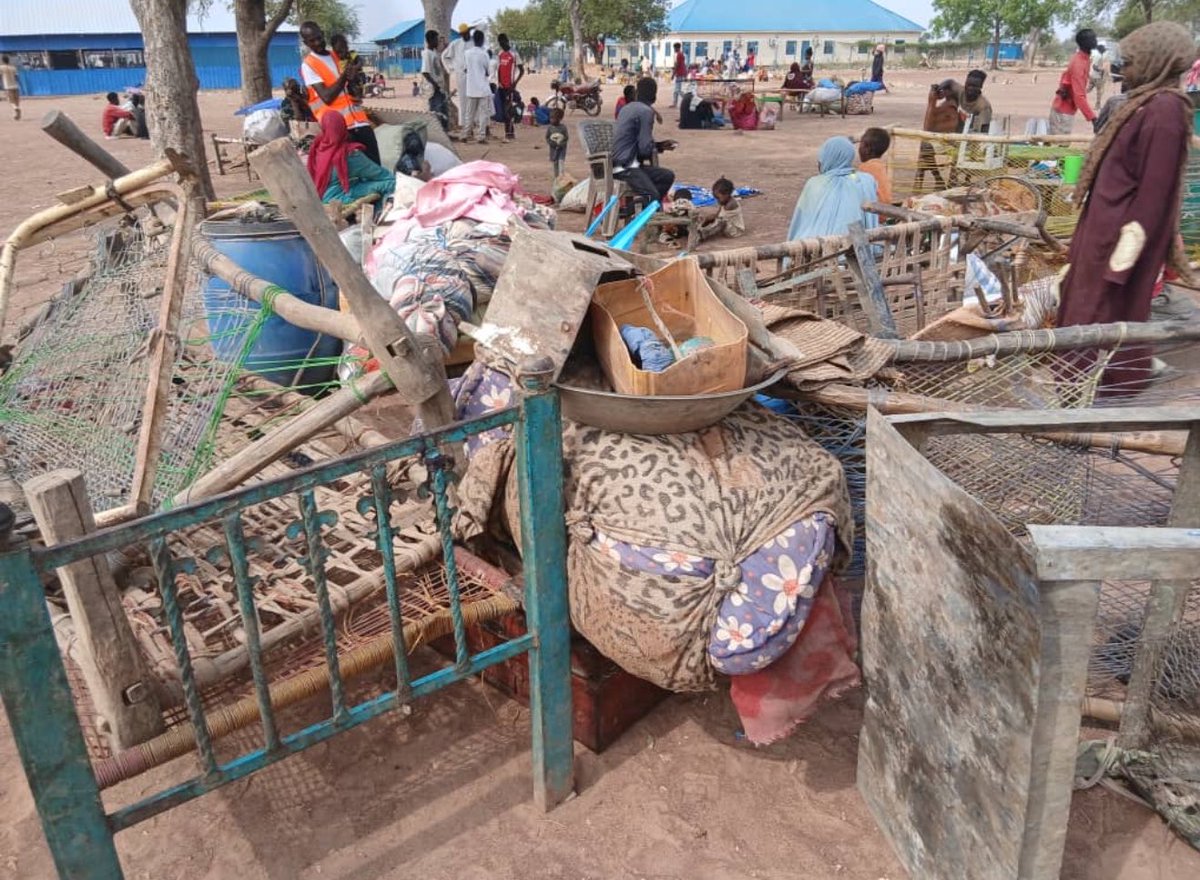
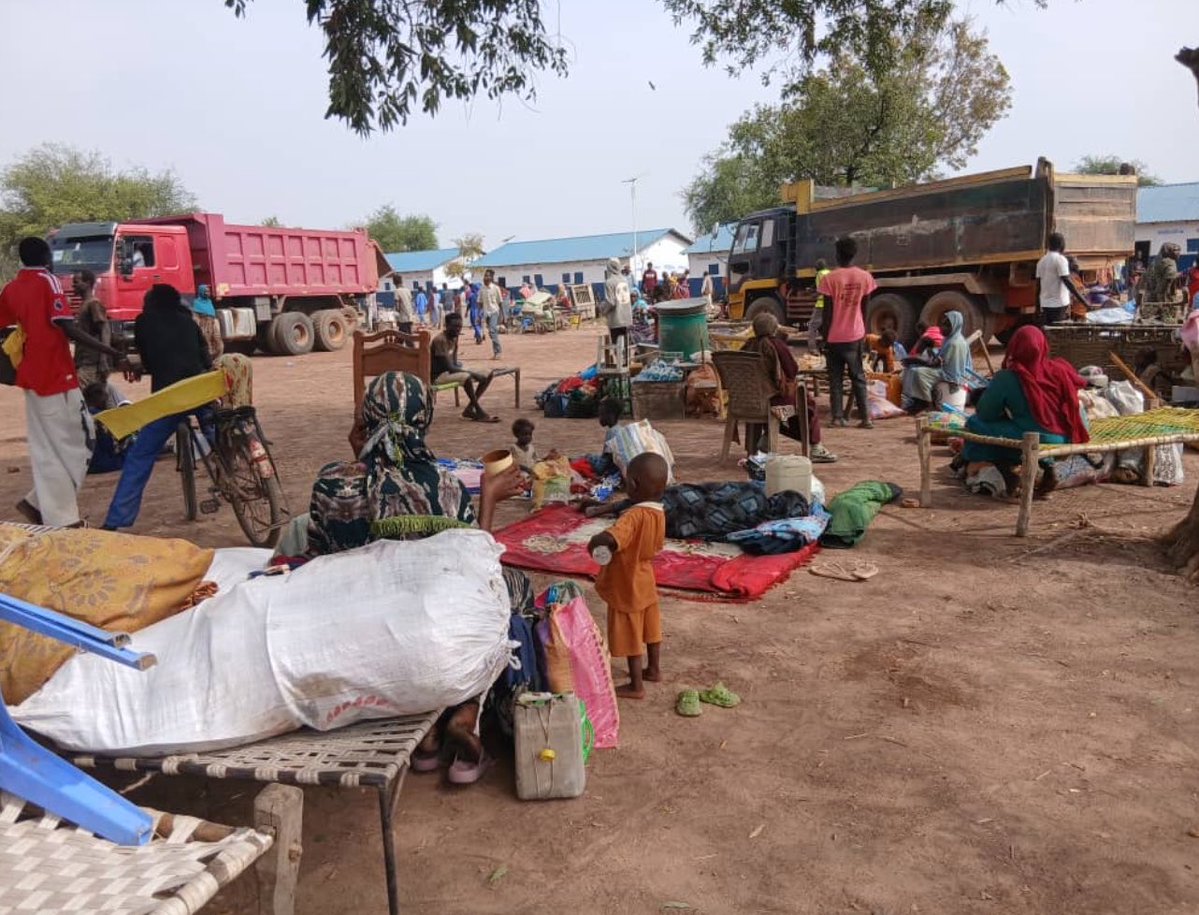
🚨320 Sudanese Refugees Arrive in South Sudan Amid Deteriorating Humanitarian and Health Conditions.
@DNforHR
A total of 147 Sudanese families, comprising 320 individuals, have arrived at Wedweil Refugee Settlement in Northern Bahr el Ghazal State, South Sudan, after fleeing areas across Kordofan and Darfur, including Abu Zabad, Al-Nuhud, El Obeid and Nyala.
DNHR monitors reported that the new arrivals are in extremely poor health conditions. Some women reported being raped, while several men said they had been detained before fleeing.
The Sudanese Observatory for Human Rights condemned the violations committed by the Rapid Support Forces (RSF) against civilians, calling for urgent protection, medical care and humanitarian assistance for refugees, as well as accountability for those responsible.
🚨 Violations in Al-Kubra Area, Al-Nuhud Locality, West Kordofan
8 November 2026
The Rapid Support Forces committed a series of violations against civilians in Al-Kubra area in Al-Nuhud Locality, West Kordofan, in a pattern that reflects the systematic targeting of unarmed civilians and their livelihoods and their isolation from the outside world. According to field information, the forces attacked Al-Kubra market, broke down the doors of all the shops, and brought their military vehicles inside the market, causing destruction to property and terror among shop owners and residents. At the same time, the forces shut down all Starlink networks to isolate the area, conceal their violations, and cut off communication for the population, leaving residents unable to seek help or inform the outside world of what was happening to them. The forces also forcibly mobilized civilians under threat of weapons to take them towards the area of Ayal Bakhit in rural Al-Khoei, in a grave act of forced recruitment that exposes civilians to serious danger and violates their most basic rights to life, freedom, and security. Meanwhile, the forces are currently moving towards the southeastern direction of Al-Kubra area, in a military movement that increases fear among residents and threatens the safety of the population in neighbouring villages. What happened in Al-Kubra is a repeated pattern of storming the market, destroying property, cutting off communications, and then forcibly recruiting civilians under threat of weapons, amid a continuing military movement that endangers the lives of residents. The Sudanese Observatory for Human Rights condemns in the strongest terms these violations and crimes committed against unarmed civilians in Al-Kubra, and demands an immediate end to all attacks on civilians and their property, an immediate end to the isolation of the area and the restoration of communications, and an immediate end to the forced mobilization and recruitment of civilians under threat of weapons. We demand that civilians not be subjected to any form of assault, intimidation, detention, or forced recruitment, that their lives, dignity, property, and livelihoods be fully protected, and that all violations and crimes against them be stopped immediately, with full respect for their rights to life, safety, dignity, and freedom under international humanitarian law and international human rights law.
---
انتهاكات في منطقة الكبرة، محلية النهود، بولاية غرب كردفان
8 نوفمبر 2026
ارتكبت قوات الدعم السريع سلسلة من الانتهاكات بحق المدنيين في منطقة الكبرة التابعة لمحلية النهود بولاية غرب كردفان، في نمط يعكس استهدافاً منهجياً للمدنيين العزّل ومعايشهم وعزلهم عن العالم الخارجي. وبحسب معلومات ميدانية، هاجمت القوات سوق الكبرة، وكسرت أبواب جميع الدكاكين، وأدخلت مركباتها العسكرية إلى داخل السوق، مما تسبب في تدمير الممتلكات وبث الرعب بين أصحاب المحال والسكان. وفي الوقت نفسه، أغلقت القوات جميع شبكات الإستارلينك لعزل المنطقة والتكتم على انتهاكاتها وقطع التواصل عن السكان، مما ترك الأهالي غير قادرين على طلب المساعدة أو إبلاغ العالم الخارجي بما يجري لهم. كما قامت القوات باستنفار المواطنين بالقوة وتحت تهديد السلاح لاقتيادهم نحو منطقة عيال بخيت بريفي الخوي، في فعل خطير من التجنيد القسري يعرّض المدنيين لخطر جسيم وينتهك أبسط حقوقهم في الحياة والحرية والأمان. وفي هذه الأثناء، تتجه القوات حالياً نحو الاتجاه الشرقي الجنوبي من منطقة الكبرة، في تحرك عسكري يزيد من مخاوف السكان ويهدد سلامة الأهالي في القرى المجاورة. إن ما حدث في الكبرة هو نمط متكرر من اقتحام السوق وتدمير الممتلكات وقطع الاتصالات، ثم التجنيد القسري للمدنيين تحت تهديد السلاح، وسط تحرك عسكري مستمر يعرّض حياة السكان للخطر. يدين المرصد السوداني لحقوق الإنسان بأشد العبارات هذه الانتهاكات والجرائم المرتكبة بحق المدنيين العزّل في الكبرة، ويطالب بالوقف الفوري لجميع الاعتداءات على المدنيين وممتلكاتهم، والوقف الفوري لعزل المنطقة وإعادة الاتصالات، والوقف الفوري للاستنفار والتجنيد القسري للمدنيين تحت تهديد السلاح. ونطالب بعدم التعرض للمدنيين بأي شكل من أشكال الاعتداء أو الترهيب أو الاحتجاز أو التجنيد القسري، وحماية حياتهم وكرامتهم وممتلكاتهم ومعايشهم حماية كاملة، ووقف جميع الانتهاكات والجرائم بحقهم فوراً، مع الاحترام الكامل لحقوقهم في الحياة والأمان والكرامة والحرية بموجب القانون الدولي الإنساني والقانون الدولي لحقوق الإنسان.
🚨 IOM: 9,000 Children Separated from Their Families Arrived from Sudan in North Africa
8 November 2026
_Quoted from UN News_
---
The International Organization for Migration (IOM) has recorded the arrival of nearly 9,000 unaccompanied or separated children from Sudan in North Africa over the past three years, amid warnings of the multiple risks children face during their migration journey and after their arrival.
Rawa Ahmed, Protection Programmes Officer at the IOM Regional Office for the Middle East and North Africa, said the Organization has registered an increase in the number of children arriving from Sudan, noting that the group it monitored includes both unaccompanied children and children separated from their families.
Ahmed explained, in remarks quoted by UN News, that these children face risks including extortion, violence, child trafficking, and child labour, in addition to gender-based violence, forced marriage of girls, and sexual exploitation.
She said the risks are not limited to violence and exploitation, but also include forced return, which may lead to children being separated from their families and aggravate the risks they face.
She added that the armed conflict in Sudan has caused deaths that have separated children from their families, in addition to displacement. She noted a marked increase in 2025 and 2026 in the number of unaccompanied or separated migrant children, amid the economic pressures facing the Middle East and North Africa region, and the crises and displacement caused by wars and conflicts.
She said that funding shortages make child protection difficult, and that it can be said that all programmes are life-saving for children by enabling access to them.
●Libya: Thousands of Children Outside Family Protection
The situation of Sudanese children in Libya reveals one aspect of these risks. The Global Initiative against Transnational Organized Crime estimated that there were about 10,000 unaccompanied or separated Sudanese children in Libya by the end of 2025.
A report issued by the Initiative in March 2026 indicated that some children rely on smuggling networks to reach Libya, where they face the risks of kidnapping for ransom, forced labour, begging, and sexual exploitation, as well as detention.
The estimate was based on information gathered by the Initiative from representatives of the Sudanese community, humanitarian workers, and local activists, in the absence of accurate official statistics on their numbers.
●A Journey Across the Desert: The Story of Eloise
The experiences of Sudanese children in North African countries reveal that risks continue after crossing borders. A joint report by IOM and UNICEF documented the story of a 15-year-old Sudanese girl who arrived in Cairo alone in 2024, after a journey lasting more than two weeks across the desert, before facing pressure to find work and finding herself without shelter after her relatives left the home where she had been staying.
In another account published by UN News, a girl named Eloise fled Sudan alone at the age of 15, undertaking a perilous journey across the desert before reaching Egypt. There, she stayed with her aunt and cousins, who pressured her to find work, even though her father was sending money to her aunt.
●The Broader Regional Context
This comes in a broader context, in which in 2025 alone, more than 31,000 children arrived in European countries via mixed land and sea migration routes, according to a report prepared by the Organization in cooperation with the United Nations High Commissioner for Refugees (UNHCR) and UNICEF.
Of these, 20,000 arrived in countries such as Bulgaria, Cyprus, Greece, Italy, Malta, and Spain, coming from countries in the Middle East and North Africa and other countries, unaccompanied or separated from their families during their migration journey.
----
الهجرة الدولية: 9 آلاف طفل منفصلين عن ذويهم وصلوا من السودان إلى شمال أفريقيا
8 نوفمبر 2026
نقلاً عن أخبار الأمم المتحدة
---
رصدت المنظمة الدولية للهجرة وصول نحو 9 آلاف طفل غير مصحوبين بذويهم أو منفصلين عنهم من السودان إلى شمال أفريقيا خلال السنوات الثلاث الأخيرة، وسط تحذيرات من مخاطر متعددة يتعرض لها الأطفال خلال رحلة الهجرة وبعد وصولهم.
وقالت مسؤولة برامج الحماية في المكتب الإقليمي للمنظمة الدولية للهجرة في الشرق الأوسط وشمال أفريقيا، رواء أحمد، إن المنظمة سجلت زيادة في أعداد الأطفال القادمين من السودان، مشيرةً إلى أن الفئة التي رصدتها تشمل الأطفال غير المصحوبين بذويهم والأطفال المنفصلين عنهم.
وأوضحت أحمد، في تصريحات نقلتها منصة أخبار الأمم المتحدة، أن هؤلاء الأطفال يواجهون مخاطر تشمل الابتزاز والعنف والاتجار بالأطفال وعمالة الأطفال، إلى جانب العنف القائم على النوع الاجتماعي، والتزويج القسري للفتيات، والاستغلال الجنسي.
وقالت أحمد إن المخاطر لا تقتصر على العنف والاستغلال، إذ تشمل أيضاً الإعادة القسرية، التي قد تؤدي إلى انفصال الأطفال عن أسرهم وتفاقم المخاطر التي يتعرضون لها.
وأضافت أن النزاع المسلح في السودان أفرز حالات وفيات تسببت في انفصال الأطفال عن عائلاتهم، إلى جانب قضايا النزوح. وأشارت إلى أن هناك زيادة ملحوظة في عامي 2025 و2026 في أعداد الأطفال المهاجرين غير المصحوبين بذويهم أو المنفصلين عنهم، في ظل الضغوط الاقتصادية التي يعاني منها إقليم الشرق الأوسط وشمال أفريقيا، وما تتسبب فيه الحروب والصراعات من أزمات ونزوح.
وقالت إن نقص التمويل يجعل حماية الأطفال أمراً صعباً، ويمكن القول إن جميع البرامج منقذة لحياة الأطفال من خلال تمكين الوصول إليهم.
● ليبيا.. آلاف الأطفال خارج حماية أسرهم
وتكشف أوضاع الأطفال السودانيين في ليبيا جانباً من هذه المخاطر. فقد قدّرت المبادرة العالمية لمكافحة الجريمة المنظمة العابرة للحدود وجود نحو 10 آلاف طفل سوداني غير مصحوب أو منفصل عن ذويه في ليبيا بنهاية عام 2025.
وأشار تقرير أصدرته المبادرة في مارس 2026 إلى أن بعض الأطفال يعتمدون على شبكات التهريب للوصول إلى ليبيا، حيث يواجهون مخاطر الخطف مقابل الفدية والعمل القسري والتسول والاستغلال الجنسي، فضلاً عن الاحتجاز.
واستند التقدير إلى معلومات جمعتها المبادرة من ممثلين للجالية السودانية وعاملين في المجال الإنساني ونشطاء محليين، في ظل غياب إحصاء رسمي دقيق لأعدادهم.
●رحلة عبر الصحراء - قصة إلويز
وتكشف تجارب الأطفال السودانيين في دول شمال أفريقيا عن استمرار المخاطر بعد عبور الحدود. فقد وثّق تقرير مشترك للمنظمة الدولية للهجرة واليونيسف قصة فتاة سودانية تبلغ من العمر 15 عاماً، وصلت إلى القاهرة بمفردها عام 2024، بعد رحلة استمرت أكثر من أسبوعين عبر الصحراء، قبل أن تواجه ضغوطاً للبحث عن عمل، وتجد نفسها دون مأوى عقب مغادرة أقاربها المسكن الذي كانت تقيم فيه.
وفي رواية أخرى نشرتها أخبار الأمم المتحدة، فرت الطفلة إلويز بمفردها من السودان وعمرها 15 عاماً، لتقطع رحلة محفوفة بالمخاطر عبر الصحراء قبل أن تصل إلى مصر، وهناك أقامت مع عمتها وأبناء عمومتها، الذين ضغطوا عليها للبحث عن عمل رغم أن والدها كان يرسل مالاً لعمتها.
● السياق الإقليمي الأوسع
يأتي ذلك في سياق أوسع، حيث وصل في عام 2025 وحده أكثر من 31,000 طفل إلى دول أوروبية عبر مسارات الهجرة المختلطة البرية والبحرية، وفقاً لتقرير أعدته المنظمة بالتعاون مع المفوضية السامية للأمم المتحدة لشؤون اللاجئين، ومنظمة اليونيسف.
20 ألفاً من هؤلاء وصلوا إلى دول مثل بلغاريا وقبرص واليونان وإيطاليا ومالطة وإسبانيا قادمين من دول في الشرق الأوسط وشمال أفريقيا ودول أخرى، غير مصحوبين بذويهم أو انفصلوا عنهم خلال رحلة الهجرة.
🚨المرصد السوداني لحقوق الإنسان
تقرير حقوقي
انهيار المنظومة الصحية وتفشي الأوبئة في دارفور وكردفان وسط تدهور الأوضاع الإنسانية
التاريخ: 6 نوفمبر 2026
يرصد المرصد السوداني لحقوق الإنسان تفاقماً خطيراً للأوضاع الصحية في إقليمي دارفور وكردفان، مع انتشار الكوليرا والحصبة والسعال الديكي، بالتزامن مع انهيار واسع للمنظومة الصحية وتعطل الخدمات الطبية ونقص الأدوية واللقاحات ومياه الشرب الآمنة.
مؤشرات تفشي الأوبئة
* دارفور: كشفت منظمة أطباء بلا حدود في تقريرها الصادر في 4 نوفمبر 2026 عن تسجيل 28,481 حالة حصبة و1,913 حالة سعال ديكي في المرافق التي تدعمها المنظمة بين يناير 2024 وأبريل 2026.
* أفادت المنظمة بأن 75% من المصابين بالحصبة لم يتلقوا التطعيم، وأن الأطفال دون الخامسة يمثلون 69% من الحالات.
* سجلت جنوب دارفور وحدها أكثر من 10,600 حالة اشتباه بالحصبة خلال الأشهر الأربعة الأولى من 2026.
* غرب كردفان: انطلقت موجة جديدة من الكوليرا في مايو 2026، وتركزت الإصابات في محلية النهود ومناطق فوجا وحميّر وحلة حسين، قبل امتدادها إلى مناطق أخرى.
* وفق بيانات منظمة الصحة العالمية حتى 30 أغسطس 2026، سجل السودان 2,887 إصابة بالكوليرا و247 وفاة، بمعدل فتك بلغ 8.6%.
* شمال كردفان: امتدت العدوى إلى مناطق جديدة، وسط مخاطر متزايدة مرتبطة بالنزوح وتلوث المياه وضعف الخدمات الصحية.
انهيار المنظومة الصحية
* تؤكد منظمة الصحة العالمية أن 37% من المرافق الصحية في السودان خارج الخدمة.
* تشير تقديرات منظمة أطباء بلا حدود إلى أن نحو 21 مليون شخص لا يستطيعون الحصول على الرعاية الطبية الأساسية أو المنقذة للحياة.
* تعاني المرافق الصحية العاملة في دارفور من نقص حاد في الأطباء والكوادر الطبية والأدوية واللقاحات والمعدات الطبية.
* تفتقر العديد من مراكز التطعيم إلى سلاسل التبريد اللازمة لحفظ اللقاحات، فيما تعطلت خدمات التحصين الروتيني وأنظمة مراقبة الأمراض.
* تراجع معدل تغطية الجرعة الأولى من لقاح الحصبة إلى 46% عام 2024، مقارنة بـ80% عام 2022.
* حذر التجمع الصحي التابع لمنظمة الصحة العالمية في يونيو 2026 من أن نقص التمويل يهدد خدمات 335 مرفقاً صحياً في 13 ولاية، ويعرض نحو 3.35 مليون شخص للتأثر، بينهم 1.5 مليون نازح يعتمدون مباشرة على هذه الخدمات.
العوامل الإنسانية والانتهاكات
عرقلة وصول المساعدات الطبية والإنسانية والتضييق على العاملين في المجال الصحي والإغاثي.
استمرار النزوح وتكدس المدنيين في مناطق تفتقر إلى المياه النظيفة والصرف الصحي.
تدهور الأمن الغذائي وانتشار سوء التغذية، خصوصاً بين الأطفال والنساء.
تضرر مصادر المياه وضعف الرقابة الصحية عليها، بما يزيد مخاطر انتشار الكوليرا والأمراض المنقولة بالمياه.
تراجع قدرة المؤسسات الصحية المحلية على رصد الأوبئة والاستجابة المبكرة لها، خصوصاً في المناطق المتأثرة بالعمليات العسكرية.
مطالب المرصد السوداني لحقوق الانسان :
1. ضمان وصول المساعدات الإنسانية والطبية دون قيود إلى دارفور وكردفان.
2. حماية المستشفيات والمراكز الصحية والعاملين في المجالين الطبي والإنساني.
3. توفير اللقاحات والأدوية والمحاليل الوريدية وإعادة تشغيل برامج التطعيم الروتيني.
4. تأمين مياه الشرب ومعالجة مصادر التلوث وتوفير خدمات الصرف الصحي.
5. دعم المرافق الصحية المتبقية ومنع توقفها بسبب نقص التمويل والإمدادات.
6. فتح تحقيقات مستقلة في الاعتداءات على المرافق الصحية والإنسانية ومصادر المياه، ومحاسبة المسؤولين عنها.
يحذر المرصد السوداني لحقوق الإنسان من أن انهيار المنظومة الصحية وتفشي الأوبئة في دارفور وكردفان يشكلان تهديداً مباشراً لحياة ملايين المدنيين، في ظل غياب الحد الأدنى من الرعاية الصحية والحماية الإنسانية.
ويؤكد المرصد أن استمرار القيود على العمل الإنساني وتدهور الخدمات الأساسية، في مناطق النزاع ومناطق سيطرة قوات الدعم السريع على وجه الخصوص، يستوجب تدخلاً دولياً عاجلاً، وتحقيقاً مستقلاً في الانتهاكات، وضمان عدم إفلات المسؤولين عنها من المساءلة.
المرصد السوداني لحقوق الإنسان
🚨 Ambro, North Darfur.. Unarmed Civilians Under Fire, Without Water, Shelter, or Protection
8-11-2026
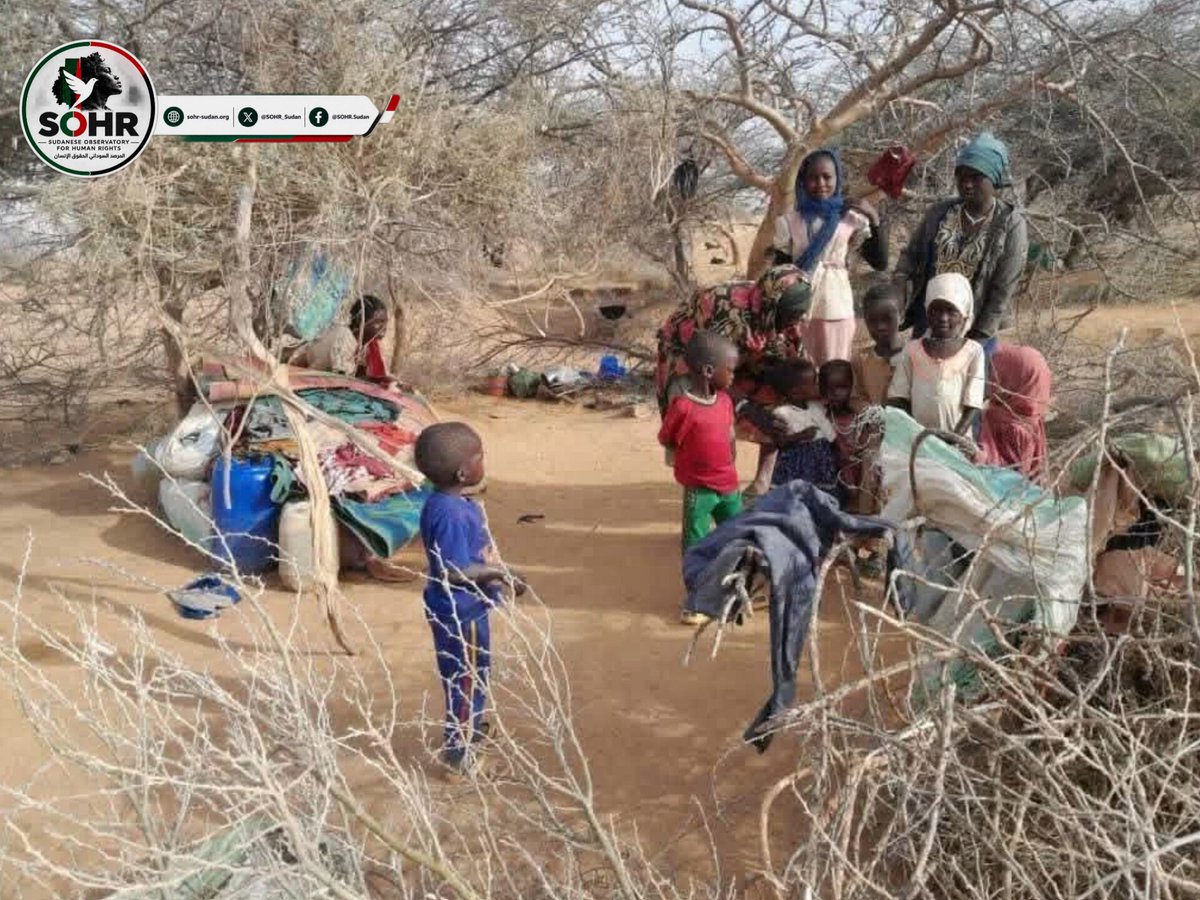
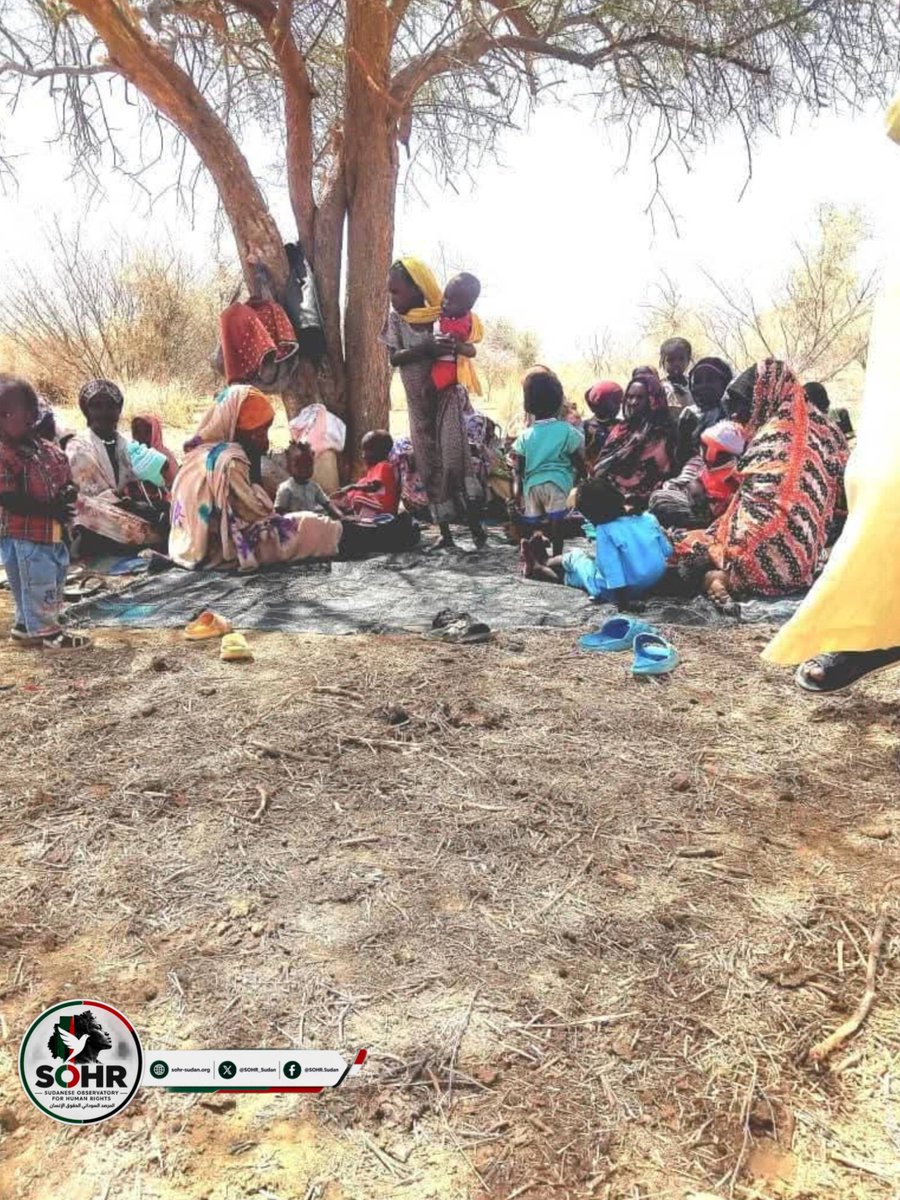
In the rural areas of Ambro Locality in North Darfur, specifically in Anbar, Orori, Muzbat, and Bahraz, entire families are living through a harsh chapter of war. They fled conflict zones, and today they are sheltering under the shade of trees, with no walls to cover them and no roof to protect them.
The scale of suffering is devastating. Thousands of people, including children, women, and older persons, are spending cold winter nights in the open, without shelter, without clean water, and without food or medicine. Each passing day deepens their exhaustion, hunger, and fear, as basic survival becomes a daily struggle.
The water crisis is worsening, shelter is non-existent, and the most basic humanitarian assistance is absent. As temperatures fall, the risks to children, women, and older persons increase day by day.
According to local sources, attacks by the Rapid Support Forces (RSF) on Muzbat, Orori, Umm Marahik, and Abu Haraz forced thousands of residents to flee. The damage extended to Muzbat Hospital and to a water source in Orori, in a direct blow to the civilian infrastructure on which the survival of the population depends.
Activists launched an urgent appeal on Saturday, 7 November, to rescue hundreds of displaced families from areas in Ambro Locality, amid severe shortages of water and food and the complete absence of shelter.
The Ambro Locality Emergency Rooms Coordination has sounded the alarm and called for urgent humanitarian intervention to provide safe corridors, evacuate civilians from danger zones, ensure their protection, and provide shelter, food, and health care.
This investigation finds that what is happening in Ambro is not an incidental side effect of fighting. It is a pattern of repeated attacks on unarmed civilians, targeting their homes, their hospital, and their water source, forcing them into displacement in the open, and depriving them of the minimum requirements for survival. When a hospital is damaged and a water source is destroyed, the attack does not end with the sound of gunfire; it continues in thirst, disease, cold, and hunger.
International humanitarian law is clear: civilians who do not take part in hostilities must be protected at all times. They must not be attacked, displaced, starved, or deprived of water, shelter, and medical care. Civilian objects, including hospitals and water sources, must not be targeted. Forcing families to live under trees in winter, without protection, is a grave violation of these rules and of all the rights guaranteed to civilians under international human rights law.
The Sudanese Observatory for Human Rights condemns in the strongest terms the continued attacks by the Rapid Support Forces against unarmed civilians in Ambro and in other areas of North Darfur, and the assault on their lives, dignity, property, and essential services. We demand an immediate halt to all attacks targeting civilians and civilian objects, an immediate end to the intimidation and forced displacement of residents, and full respect for the rights of civilians to life, safety, dignity, food, water, shelter, and health care.
We call for the urgent protection of unarmed civilians, for the provision of safe corridors and the safe evacuation of civilians from danger zones, and for guaranteeing that no civilian is subjected to assault, detention, looting, or any form of abuse. Protection must be real and immediate, not merely a promise.
We also call for the urgent delivery of relief to the displaced in Ambro, without delay and without obstacles. This includes safe drinking water, food, shelter materials, blankets, winter clothing, medicines, and health services, with priority given to children, women, older persons, the sick, and persons with disabilities. The response must reach those sheltering under trees in Anbar, Orori, Muzbat, and Bahraz, before the cold and thirst claim more lives.
We call upon the international community and the United Nations Security Council to condemn unequivocally the crimes and violations committed by the Rapid Support Forces against civilians in Ambro and throughout Darfur and Sudan, and to take a firm and deterrent stance that puts an end to impunity. Condemnation alone is no longer sufficient. What is required is a clear deterrent that stops these crimes, protects civilians, ensures accountability for those responsible, and guarantees that such violations will not be repeated.
The people of Ambro are not asking for the impossible. They are asking for water to drink, a roof to shelter them, a hospital to treat their wounded, and a safe passage to escape death. Leaving them under trees in winter, without protection or relief, is a failure that history will not forgive. Protecting them now is a legal duty, a humanitarian obligation, and a test of the credibility of the international community.
---
🚨 محلية أمبرو بشمال دارفور .. مدنيون عزّل تحت النيران، بلا ماء ولا مأوى ولا حماية
8-11-2026
في أرياف محلية أمبرو بولاية شمال دارفور، وتحديداً في أنبار وأوروري ومزبت وبحراز، تعيش أسر كاملة فصلاً قاسياً من الحرب. فرّت من مناطق النزاع، وها هي اليوم تحتمي بظلال الأشجار، لا جدران تسترها ولا سقف يقيها.
وحجم المعاناة مروع. فآلاف الأشخاص، بينهم أطفال ونساء وكبار سن، يقضون ليالي الشتاء الباردة في العراء، بلا مأوى وبلا مياه نظيفة وبلا غذاء أو دواء. ومع مرور كل يوم، يتعمق إرهاقهم وجوعهم وخوفهم، ويتحول البقاء نفسه إلى معركة يومية.
أزمة المياه تتفاقم، والمأوى منعدم، وأبسط المعينات الإنسانية غائبة. ومع انخفاض درجات الحرارة، تزداد المخاطر على الأطفال والنساء وكبار السن يوماً بعد يوم.
وبحسب مصادر محلية، دفعت هجمات قوات الدعم السريع على مزبت وأروري وأم مراحيك وأبو حراز آلاف السكان إلى الفرار. وطالت الأضرار مستشفى مزبت ومورداً للمياه في أروري، في ضربة مباشرة للبنية التحتية المدنية التي يعتمد عليها بقاء السكان.
وأطلق ناشطون، يوم السبت 7 نوفمبر، نداءً عاجلاً لإغاثة مئات الأسر النازحة من مناطق بمحلية أمبرو، وسط شح المياه والغذاء وانعدام المأوى.
ودقت تنسيقية غرف طوارئ محلية أمبرو ناقوس الخطر، وطالبت بتدخل إنساني عاجل لتوفير ممرات آمنة، وإجلاء المدنيين من مناطق الخطر، وضمان حمايتهم، وتوفير المأوى والغذاء والرعاية الصحية.
يخلص هذا التحقيق إلى أن ما يجري في أمبرو ليس أثراً جانبياً عابراً للقتال. إنه نمط من الهجمات المتكررة على مدنيين عزّل، يستهدف منازلهم ومستشفاهم ومورد مياههم، ويدفعهم إلى النزوح في العراء، ويحرمهم من أدنى مقومات البقاء. فحين يُضرَب مستشفى ويُدمَّر مورد مياه، لا ينتهي الهجوم مع صوت الرصاص، بل يستمر في العطش والمرض والبرد والجوع.
إن القانون الدولي الإنساني واضح: المدنيون الذين لا يشاركون في الأعمال العدائية يجب حمايتهم في جميع الأوقات. ويجب ألا يُهاجَموا أو يُهجَّروا أو يُجوَّعوا أو يُحرموا من الماء والمأوى والرعاية الطبية. كما يجب ألا تُستهدف الأعيان المدنية، بما في ذلك المستشفيات وموارد المياه. إن إجبار الأسر على العيش تحت الأشجار في الشتاء، بلا حماية، هو انتهاك جسيم لهذه القواعد، ولكل الحقوق المكفولة للمدنيين بموجب القانون الدولي لحقوق الإنسان.
يدين المرصد السوداني لحقوق الإنسان بأشد العبارات الهجمات المتواصلة لقوات الدعم السريع على المدنيين العزّل في أمبرو وفي مناطق أخرى من شمال دارفور، والتعدي على حياتهم وكرامتهم وممتلكاتهم وخدماتهم الأساسية. ونطالب بالوقف الفوري لجميع الهجمات التي تستهدف المدنيين والأعيان المدنية، والوقف الفوري لترهيب السكان وتهجيرهم قسراً، والاحترام الكامل لحقوق المدنيين في الحياة والأمان والكرامة والغذاء والماء والمأوى والرعاية الصحية.
وندعو إلى حماية عاجلة للمدنيين العزّل، وتوفير ممرات آمنة، وإجلاء المدنيين من مناطق الخطر بشكل آمن، وضمان عدم تعرض أي مدني للاعتداء أو الاحتجاز أو النهب أو أي شكل من أشكال الإساءة. يجب أن تكون الحماية حقيقية وفورية، لا مجرد وعد.
كما ندعو إلى توجيه الإغاثة اللازمة للنازحين في أمبرو على وجه السرعة، دون تأخير ودون عوائق. ويشمل ذلك مياه الشرب الآمنة والغذاء ومواد الإيواء والبطاطين والملابس الشتوية والأدوية والخدمات الصحية، مع إعطاء الأولوية للأطفال والنساء وكبار السن والمرضى وذوي الإعاقة. يجب أن تصل الاستجابة إلى أولئك الذين يحتمون بظلال الأشجار في أنبار وأوروري ومزبت وبحراز، قبل أن يحصد البرد والعطش المزيد من الأرواح.
ونطالب المجتمع الدولي ومجلس الأمن التابع للأمم المتحدة بإدانة لا لبس فيها لجرائم وانتهاكات قوات الدعم السريع بحق المدنيين في أمبرو وفي جميع أنحاء دارفور والسودان، واتخاذ موقف حازم ورادع يضع حداً للإفلات من العقاب. فالإدانة وحدها لم تعد كافية. المطلوب هو رادع واضح يوقف هذه الجرائم، ويحمي المدنيين، ويضمن محاسبة المسؤولين عنها، ويكفل عدم تكرارها.
إن أهالي أمبرو لا يطلبون المستحيل. إنهم يطلبون ماءً للشرب، وسقفاً يؤويهم، ومستشفى يعالج جرحاهم، وممراً آمناً للنجاة من الموت. إن تركهم تحت الأشجار في الشتاء، بلا حماية ولا إغاثة، هو تقصير لن يغفره التاريخ. إن حمايتهم الآن واجب قانوني، والتزام إنساني، واختبار لمصداقية المجتمع الدولي.
🚨السيطرة على آبار المياه في دار زغاوة تنذر بكارثة إنسانية وشيكة
أفادت المقاومة الشعبية بولاية شمال دارفور أن قوات الدعم السريع تواصل منذ أسابيع فرض سيطرتها على عدد من آبار مياه الشرب ومصادر المياه الحيوية بمحلية أمبرو بولاية شمال دارفور، وسط أوضاع إنسانية بالغة التعقيد.
وبحسب التقرير، شملت السيطرة حفيرة وادي أمبار، ودونكي سكر، وآبار منطقة أم حراز، وبئر منطقة أم مراحيك، وبئر حوش المعروف بـ "دونكي حوش"، إلى جانب آبار منطقة مجور وعدد من مصادر المياه الأخرى.
وأشار التقرير إلى أن هذه التطورات تأتي في وقت يواجه فيه السكان أوضاعاً معيشية قاسية، في ظل شح الأمطار وتراجع مصادر المياه، حيث أصبحت الآبار المصدر الرئيسي لمياه الشرب للإنسان والحيوان، خاصة في المجتمعات الرعوية.
وأضاف أن وضع هذه المصادر الحيوية تحت سيطرة القوات أدى إلى تفاقم معاناة المواطنين، واضطرار أعداد من الرعاة والسكان إلى الفرار نحو الجبال بحثاً عن الأمان ومصادر بديلة للمياه، في ظروف تنذر بمزيد من التدهور.
واعتبرت المقاومة الشعبية أن حرمان المواطنين من مياه الشرب لا يمثل مجرد أزمة خدمية، بل تهديداً مباشراً للحياة، ينذر بكارثة إنسانية تتمثل في العطش والجوع ونفوق الماشية، بما يهدد سبل العيش والاستقرار في مناطق واسعة من دار زغاوة.
وعلى ضوء ذلك، أوصت المقاومة الشعبية بما يلي:
1. دعوة الأهالي في دار زغاوة والمناطق المجاورة إلى توخي الحيطة والحذر ومتابعة التطورات بما يحفظ سلامتهم.
2. مناشدة المنظمات الإنسانية والإغاثية التحرك الفوري لتقييم الاحتياجات وتوفير مياه الشرب والمساعدات الضرورية.
3. ضمان وصول السكان والرعاة إلى مصادر المياه دون عوائق، وحماية المنشآت والآبار التي تعتمد عليها المجتمعات المحلية.
4. مطالبة المجتمع الدولي بتحمل مسؤولياته تجاه المدنيين ومنع استخدام الاحتياجات الأساسية للحياة كوسيلة للضغط على السكان.
واختتم التقرير بالتحذير من أن استمرار حرمان المواطنين من مصادر المياه قد يقود إلى كارثة إنسانية واسعة النطاق ما لم تُتخذ إجراءات عاجلة.
المصدر: المكتب الإعلامي للمقاومة الشعبية - ولاية شمال دارفور
الأربعاء 29 أكتوبر 2026
---
Observatory Report | Based on Report by the Popular Resistance in North Darfur
Humanitarian Report No. (12) - Control of Water Wells in Dar Zaghawa Signals Imminent Humanitarian Catastrophe*
The Popular Resistance in North Darfur State reported that forces of the Rapid Support Forces (RSF) have for weeks continued to impose control over a number of drinking water wells and vital water sources in Um Baru locality, North Darfur State, amid extremely complex humanitarian conditions.
According to the report, control included Hafir Wadi Ambar, Donkey Sukkar, wells in Um Haraz area, a well in Um Marahik area, Hawsh well known as "Donkey Hawsh", as well as wells in Majour area and other water sources in the region.
The report indicated that these developments come at a time when residents face harsh living conditions, amid scarce rainfall and declining water sources, where wells have become the main source of drinking water for humans and animals, especially in pastoral communities.
It added that placing these vital sources under the control of the forces has exacerbated the suffering of citizens, forcing numbers of herders and local residents to flee towards the mountains in search of safety and alternative water sources, under conditions that signal further humanitarian deterioration.
The Popular Resistance considered that depriving citizens of drinking water is not merely a service crisis, but a direct threat to life, portending a humanitarian catastrophe of thirst, hunger, and livestock death, threatening livelihoods and stability in vast areas of Dar Zaghawa.
In light of this, the Popular Resistance recommended the following:
1. Calling on people in Dar Zaghawa and neighboring areas to exercise caution and follow developments to ensure their safety.
2. Appealing to humanitarian and relief organizations to move immediately to assess needs and provide drinking water and essential aid.
3. Ensuring access of residents and herders to water sources without hindrance, and protecting facilities and wells on which local communities depend.
4. Calling on the international community to shoulder its responsibilities towards civilians and prevent the use of basic life necessities as a means of pressure on the population.
The report concluded by warning that continued deprivation of citizens from water sources may lead to a large-scale humanitarian catastrophe unless urgent measures are taken.
Source: Media Office of the Popular Resistance - North Darfur State
Wednesday, October 29, 2026
🚨Mershing: Crop Failure and Hunger Drive Displacement
7-11-2026
Local sources told the Sudanese Observatory for Human Rights, and a press statement by the General Coordination for IDP and Refugee Camps confirmed, that Mershing Locality in South Darfur is witnessing a new and escalating wave of displacement, driven by the overlapping effects of war, scarce rainfall, and the total failure of this year's agricultural season.
Farmers were unable to harvest even one _malwa_ of sorghum and millet, the staple food for the majority of residents. Food stocks have been depleted, prices have risen, and living and security conditions have deteriorated. As a result, dozens of families have left Mershing towards Tawila in North Darfur and Shangil Tobaya, in search of food, humanitarian aid, and the basic means of survival, while thousands of displaced people are already living in more than eight camps inside the locality.
According to local sources, during the past days, Mershing witnessed the displacement of dozens of families to Tawila and Shangil Tobaya, amid a worsening food gap, the failure of the agricultural season, and the decline of basic services. On Thursday, three vehicles carrying women and children left Mershing towards IDP camps in Tawila.
Local sources attributed this displacement to the acute shortage of food, medicine, and basic services, and to the absence of sufficient humanitarian intervention inside Mershing, compared to Tawila, where food aid, health services, and drinking water are provided by humanitarian and charitable organizations.
Residents of the locality, according to the sources, appealed to humanitarian organizations to return to the area and intervene urgently to provide food and basic needs, to avoid a further deterioration of the humanitarian situation and to prevent more families from being forced to leave their homes. They also called on the sons of the locality to support the displaced in Tawila camps.
In a press statement dated 6 November 2026, Adam Rijal, Official Spokesperson of the General Coordination for IDP and Refugee Camps, warned of the worsening humanitarian crisis in Mershing, stressing that the situation threatens food security and pushes residents to flee in search of food, shelter, and safety.
The statement highlighted the following key points: total crop failure and depletion of household food stocks; a new displacement wave that began on Wednesday and Thursday towards Tawila; the presence of thousands of displaced people already in more than eight camps in the locality, in addition to other gatherings in its administrative units; and an urgent appeal to UN agencies and international and national humanitarian organizations to act urgently, send field teams to assess needs, and provide food aid, safe drinking water, health services, and shelter materials, giving priority to children, women, older persons, and the most vulnerable groups.
The statement further stressed that the humanitarian response must begin from inside Mershing Locality, and must not wait for displacement waves to expand or for families to reach other areas, ensuring that aid reaches all those in need without discrimination. It concluded that what Mershing is witnessing requires an urgent humanitarian response that cannot be delayed, and that civilians should not be left facing the choice of hunger in their areas or displacement in search of the means of survival.
In a related development, Saleh Makki Ahmed Makki, Deputy Head of the Civil Authority in Dar Omo, east of Jebel Marra, announced the arrival of new waves of displaced people from Mershing and neighbouring villages, noting that Fina Camp is still receiving more displaced people, and that the situation is worsening and conditions are dire. He described the humanitarian situation as catastrophic and requiring urgent intervention by local, regional, and international organizations to save the lives of the displaced and host communities, which are already suffering from a tragic humanitarian situation.
For his part, the Executive Director of Mershing Locality, Oqba Abdel Hamid, expressed concern over the displacement of citizens to Tawila and Shangil Tobaya, and said the locality is making arrangements in coordination with the World Food Programme (WFP) to address the food shortage, noting that the Programme committed to conducting survey and registration operations in the coming period, in preparation for bringing food aid into the locality. He called on citizens to be patient until these procedures are completed.
The Sudanese Observatory for Human Rights expresses its deep concern over the deteriorating humanitarian situation in Mershing, and condemns leaving civilians facing the choice of hunger in their areas or displacement in search of the means of survival.
We urgently appeal to UN agencies, humanitarian organizations, and all concerned authorities to act immediately, to send field teams to assess needs inside Mershing, and to provide urgent food aid, safe drinking water, health services, and shelter materials, with priority given to children, women, older persons, and the most vulnerable groups. We stress that the humanitarian response must begin from inside Mershing, and must not wait for displacement waves to expand or for families to reach other areas. We call for ensuring that aid reaches all those in need without discrimination, for protecting civilians and displaced people, and for guaranteeing their dignity and their right to food, shelter, and safety.
---
مرشنج: فشل الموسم الزراعي والجوع يدفعان السكان إلى النزوح
7-11-2026
أفادت مصادر محلية للمرصد السوداني لحقوق الإنسان، وأكد تصريح صحفي صادر عن المنسقية العامة لمعسكرات النازحين واللاجئين، أن محلية مرشنج بولاية جنوب دارفور تشهد موجة نزوح جديدة ومتفاقمة، جراء تداخل تداعيات الحرب مع شح الأمطار وفشل الموسم الزراعي لهذا العام بشكل كامل.
لم يتمكن المزارعون من حصاد ملوة واحدة من محصولي الذرة والدخن، اللذين يمثلان الغذاء الأساسي لغالبية السكان. ونفدت المخزونات الغذائية، وارتفعت الأسعار، وتدهورت الأوضاع المعيشية والأمنية. ونتيجة لذلك، غادرت عشرات الأسر مرشنج نحو طويلة بولاية شمال دارفور وشنقل طوباي، بحثاً عن الغذاء والمساعدات الإنسانية ومقومات الحياة الأساسية، بينما يعيش آلاف النازحين أصلاً في أكثر من ثمانية معسكرات داخل المحلية.
وبحسب المصادر المحلية، شهدت مرشنج خلال الأيام الماضية نزوح عشرات الأسر إلى طويلة وشنقل طوباي، في ظل تفاقم الفجوة الغذائية وفشل الموسم الزراعي وتراجع الخدمات الأساسية. وغادرت ثلاث عربات تقل نساءً وأطفالاً مرشنج يوم الخميس نحو معسكرات النازحين بمنطقة طويلة.
وأرجعت المصادر المحلية موجة النزوح إلى النقص الحاد في الغذاء والدواء والخدمات الأساسية، وغياب التدخل الكافي للمنظمات الإنسانية داخل مرشنج، مقارنة بمنطقة طويلة التي تتوفر فيها مساعدات غذائية وخدمات صحية ومياه شرب تقدمها منظمات إنسانية وخيرية.
وناشد مواطنو المحلية، وفقاً للمصادر، المنظمات الإنسانية العودة إلى المنطقة والتدخل العاجل لتوفير الغذاء والاحتياجات الأساسية، تفادياً لتفاقم الأوضاع الإنسانية واضطرار مزيد من الأسر إلى مغادرة ديارها، كما دعوا أبناء المحلية إلى مساندة النازحين في معسكرات طويلة.
وفي تصريح صحفي بتاريخ 6 نوفمبر 2026، حذّر آدم رجال، المتحدث الرسمي باسم المنسقية العامة لمعسكرات النازحين واللاجئين، من تفاقم الأزمة الإنسانية في مرشنج، مؤكداً أن الوضع يهدد الأمن الغذائي ويدفع السكان إلى النزوح بحثاً عن الغذاء والمأوى والأمان.
وأبرز التصريح النقاط الهامة الآتية: فشل كامل للمحصول ونفاد المخزونات الغذائية لدى الأسر؛ وبدء موجة نزوح جديدة يومي الأربعاء والخميس نحو طويلة؛ ووجود آلاف النازحين أصلاً في أكثر من ثمانية معسكرات بالمحلية، إلى جانب تجمعات أخرى في وحداتها الإدارية؛ ومناشدة عاجلة لوكالات الأمم المتحدة والمنظمات الإنسانية الدولية والوطنية بالتحرك العاجل، وإرسال فرق ميدانية لتقييم الاحتياجات، وتوفير المساعدات الغذائية ومياه الشرب الآمنة والخدمات الصحية ومواد الإيواء، مع إعطاء الأولوية للأطفال والنساء وكبار السن والفئات الأكثر هشاشة.
كما شدد التصريح على ضرورة أن تبدأ الاستجابة الإنسانية من داخل محلية مرشنج، وألا تنتظر اتساع موجات النزوح أو وصول الأسر إلى مناطق أخرى، مع ضمان وصول المساعدات إلى جميع المحتاجين دون تمييز. وخلص إلى أن ما تشهده مرشنج يستدعي استجابة إنسانية عاجلة لا تحتمل التأجيل، وأنه لا ينبغي أن يُترك المدنيون أمام خيار الجوع في مناطقهم أو النزوح بحثاً عن أسباب البقاء.
وفي تطور ذي صلة، أعلن صالح مكي أحمد مكي، نائب رئيس السلطة المدنية بدائرة دار أومو بشرق جبل مرة، عن وصول موجات جديدة من النازحين من منطقة مرشنج والقرى المجاورة، مشيراً إلى أن معسكر فينا ما زال يستقبل المزيد من النازحين، وأن الوضع يزداد سوءاً والظروف قاهرة. ووصف الوضع الإنساني بالكارثي، ويتطلب تدخلاً عاجلاً من المنظمات المحلية والإقليمية والدولية لإنقاذ أرواح النازحين والمجتمعات المضيفة التي تعاني أصلاً من وضع إنساني مأساوي.
من جهته، أبدى المدير التنفيذي لمحلية مرشنج، عقبة عبد الحميد، عن قلقه إزاء نزوح المواطنين إلى طويلة وشنقل طوباي، وقال إن المحلية تجري ترتيبات بالتنسيق مع برنامج الأغذية العالمي (WFP) لمعالجة النقص الغذائي، مشيراً إلى أن البرنامج التزم بإجراء عمليات المسح والحصر خلال الفترة المقبلة، تمهيداً لإدخال المساعدات الغذائية إلى المحلية. ودعا المواطنين إلى التحلي بالصبر إلى حين استكمال هذه الإجراءات.
يعرب المرصد السوداني لحقوق الإنسان عن قلقه البالغ إزاء تدهور الأوضاع الإنسانية في مرشنج، ويدين ترك المدنيين أمام خيار الجوع في مناطقهم أو النزوح بحثاً عن أسباب البقاء.
ونناشد على وجه السرعة وكالات الأمم المتحدة والمنظمات الإنسانية وجميع الجهات المعنية بالتحرك الفوري، وإرسال فرق ميدانية لتقييم الاحتياجات داخل مرشنج، وتوفير المساعدات الغذائية العاجلة ومياه الشرب الآمنة والخدمات الصحية ومواد الإيواء، مع إعطاء الأولوية للأطفال والنساء وكبار السن والفئات الأكثر هشاشة. ونؤكد ضرورة أن تبدأ الاستجابة الإنسانية من داخل محلية مرشنج، وألا تنتظر اتساع موجات النزوح أو وصول الأسر إلى مناطق أخرى. وندعو إلى ضمان وصول المساعدات إلى جميع المحتاجين دون تمييز، وحماية المدنيين والنازحين، وضمان كرامتهم وحقهم في الغذاء والمأوى والأمان.
🚨 Silencing the Voiceless: RSF Confiscates Starlink Devices in Al-Nuhud to Isolate Civilians in Total Darkness
7-11-2026
Local sources told the Sudanese Observatory for Human Rights that the Rapid Support Forces (RSF) have confiscated Starlink devices from citizens in Al-Nuhud and banned their use, in a deliberate move to isolate them from communication.
According to the information received, these practices have, over the past months, affected a number of localities and villages in North and West Kordofan states.
The Sudanese Observatory for Human Rights notes that the RSF has pursued this pattern of violations by cutting off communications since the beginning of the war. This has, in turn, impeded the reporting of civilians' conditions in the areas where communications were cut, including the reporting of violations and crimes committed against them, placing them in total darkness and isolating them from the outside world. This constitutes a flagrant violation of human rights.
Confiscating Starlink devices is not a mere security measure. It is a systematic policy aimed at silencing civilians, concealing violations, and depriving victims of their last means to seek help, document crimes, or communicate with their families and the outside world. When communications are cut, violations multiply in the dark, and victims are left without protection or witnesses.
The Sudanese Observatory for Human Rights condemns in the strongest terms the confiscation of Starlink devices from citizens in Al-Nuhud, the banning of communications, and the systematic policy of isolating civilians and placing them in total darkness. These acts constitute a grave violation of international humanitarian law and international human rights law, which guarantee freedom of expression, access to information, and the protection of civilians.
We call for an immediate halt to the confiscation of communications devices and for the immediate restoration of communications in Al-Nuhud and in all localities and villages in North and West Kordofan.
We urgently appeal to humanitarian organizations and all concerned authorities to intervene urgently to protect civilians, to ensure the restoration of communications, and to provide urgent relief and protection to the affected populations.
We further call for an end to the policy of isolation and darkness, for guaranteeing civilians' right to communicate freely and safely, and for holding those responsible for cutting communications and concealing violations accountable.
---
إسكات من لا صوت لهم: قوات الدعم السريع تصادر أجهزة ستارلينك من المواطنين في النهود لعزلهم في ظلام تام
7-11-2026
أفادت مصادر محلية للمرصد السوداني لحقوق الإنسان بأن قوات الدعم السريع صادرت أجهزة ستارلينك من المواطنين في مدينة النهود وحظرت استخدامها، في خطوة متعمدة لعزلهم عن التواصل.
وبحسب المعلومات الواردة، طالت هذه الممارسات خلال الأشهر الماضية عددًا من المحليات والقرى بولايتي شمال وغرب كردفان.
يشير المرصد السوداني لحقوق الإنسان إلى أن قوات الدعم السريع تمارس هذا النهج من الانتهاكات بقطع وسائل الاتصالات منذ بداية الحرب، الأمر الذي أثّر بدوره في نقل أوضاع المدنيين في المناطق التي قُطعت الاتصالات فيها، بل وحتى في نقل الانتهاكات والجرائم التي تُرتكب بحقهم، ووضعهم في ظلام تام وعزلهم عن العالم الخارجي، وهو انتهاك صارخ لحقوق الإنسان.
إن مصادرة أجهزة ستارلينك ليست إجراءً أمنيًا عابرًا، بل هي سياسة ممنهجة تهدف إلى إسكات المدنيين، وإخفاء الانتهاكات، وحرمان الضحايا من آخر وسيلة لطلب النجدة أو توثيق الجرائم أو التواصل مع أسرهم والعالم الخارجي. فحين تُقطع الاتصالات، تتضاعف الانتهاكات في الظلام، ويُترك الضحايا بلا حماية ولا شهود.
يدين المرصد السوداني لحقوق الإنسان بأشد العبارات مصادرة أجهزة ستارلينك من المواطنين في النهود، وحظر الاتصالات، والسياسة الممنهجة لعزل المدنيين ووضعهم في ظلام تام. وتمثل هذه الأفعال انتهاكًا جسيمًا للقانون الدولي الإنساني والقانون الدولي لحقوق الإنسان، اللذين يكفلان حرية التعبير والوصول إلى المعلومات، ويوجبان حماية المدنيين.
ونطالب بالوقف الفوري لمصادرة أجهزة الاتصالات، والاستعادة الفورية للاتصالات في النهود وفي جميع المحليات والقرى بشمال وغرب كردفان.
كما نناشد على وجه السرعة المنظمات الإنسانية وجميع الجهات المعنية بالتدخل العاجل لحماية المدنيين، وضمان استعادة الاتصالات، وتقديم الإغاثة والحماية العاجلة للسكان المتضررين.
وندعو كذلك إلى إنهاء سياسة العزل والظلام، وضمان حق المدنيين في التواصل بحرية وأمان، ومحاسبة المسؤولين عن قطع الاتصالات وإخفاء الانتهاكات.
🚨 In a Painful Humanitarian Scene .. RSF Forces Expel Residents of Al-Farshaya Village and Force a New Wave of Displacement Toward Al-Dilling
7-11-2026
Local sources told the Sudanese Observatory for Human Rights that, in a painful humanitarian scene, Al-Farshaya village, located northwest of Al-Dilling city, witnessed distressing events today, represented by elements of the Rapid Support Forces (RSF) expelling residents and forcing them to leave their homes and residential areas.
According to the information received, this led to a new wave of displacement among citizens, most of whom are from the Falata community.
Local sources added that a large number of displaced people arrived in Al-Dilling city today, leaving behind their homes, property, and sources of stability, in extremely difficult humanitarian conditions.
The Sudanese Observatory for Human Rights condemns in the strongest terms the forced expulsion of civilians from their homes and the forced displacement of residents of Al-Farshaya village. These acts constitute a grave violation of international humanitarian law, which prohibits forced displacement of civilians and attacks on their homes and property.
We call for an immediate halt to all acts of forced expulsion and displacement targeting civilians, and for respect for their right to remain in their homes in safety and dignity.
We urgently appeal to humanitarian organizations and all concerned authorities to provide immediate relief to the displaced people arriving in Al-Dilling, to ensure unimpeded humanitarian access, and to provide urgent assistance in food, shelter, medicine, and protection.
We further call for the protection of civilians, the guarantee of their safe and dignified return to their homes, and for holding those responsible for forced displacement accountable.
---
في مشهد إنساني مؤلم قوات الدعم السريع تطرد سكان قرية الفرشاية وتجبرهم على موجة نزوح جديدة نحو الدلنج
7-11-2026
أفادت مصادر محلية للمرصد السوداني لحقوق الإنسان بأن قرية الفرشاية الواقعة شمال غرب مدينة الدلنج شهدت اليوم، في مشهد إنساني مؤلم، أحداثاً مؤسفة تمثلت في قيام عناصر من قوات الدعم السريع بطرد السكان وإجبارهم على مغادرة منازلهم ومناطقهم السكنية.
وبحسب المعلومات الواردة، أدى ذلك إلى موجة نزوح جديدة وسط المواطنين، وأغلبهم من أبناء قبيلة الفلاتة.
وأضافت المصادر المحلية أن عدداً كبيراً من النازحين وصل إلى مدينة الدلنج اليوم، تاركين خلفهم منازلهم وممتلكاتهم ومصادر استقرارهم، في ظروف إنسانية بالغة الصعوبة.
ويدين المرصد السوداني لحقوق الإنسان بأشد العبارات الطرد القسري للمدنيين من منازلهم والتهجير القسري لسكان قرية الفرشاية. وتمثل هذه الأفعال انتهاكاً جسيماً للقانون الدولي الإنساني، الذي يحظر التهجير القسري للمدنيين والاعتداء على منازلهم وممتلكاتهم.
ونطالب بالوقف الفوري لكافة أعمال الطرد والتهجير القسري التي تستهدف المدنيين، واحترام حقهم في البقاء في منازلهم بأمان وكرامة.
كما نناشد على وجه السرعة المنظمات الإنسانية وجميع الجهات المعنية بإغاثة النازحين الواصلين إلى مدينة الدلنج، وضمان وصول المساعدات الإنسانية دون عوائق، وتقديم المساعدات العاجلة في الغذاء والمأوى والدواء والحماية.
وندعو كذلك إلى حماية المدنيين، وضمان عودتهم الآمنة والكريمة إلى منازلهم، ومحاسبة المسؤولين عن التهجير القسري.