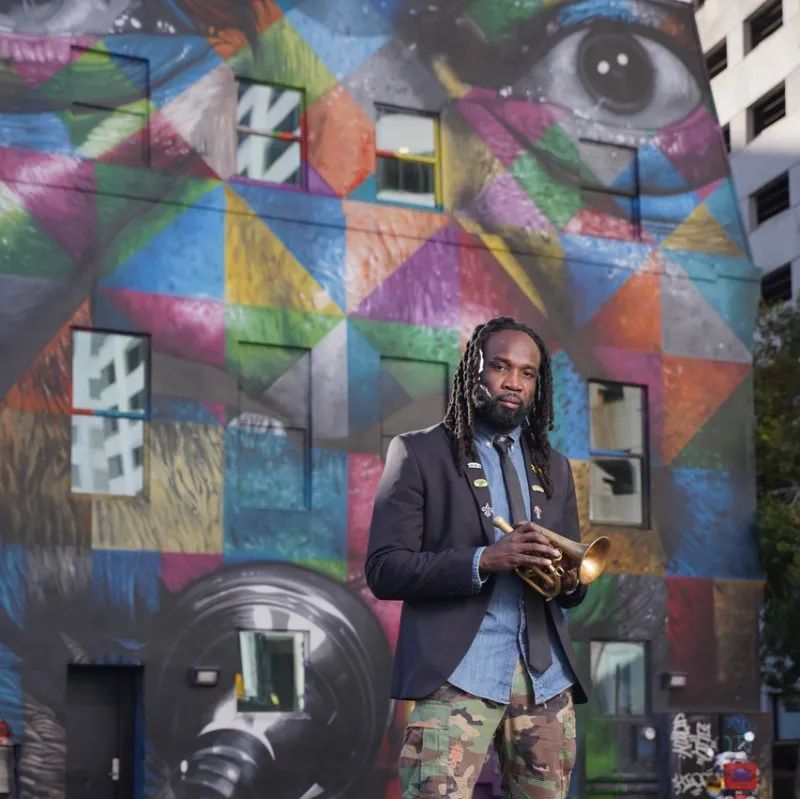
🎶 Hailing from the Lower 9th Ward of New Orleans, we welcome SHAMARR ALLEN this Thursday, September 28th for an evening of jazz, hip-hop, rock, funk rhythms, blues and country. 🎟️ link in bio!
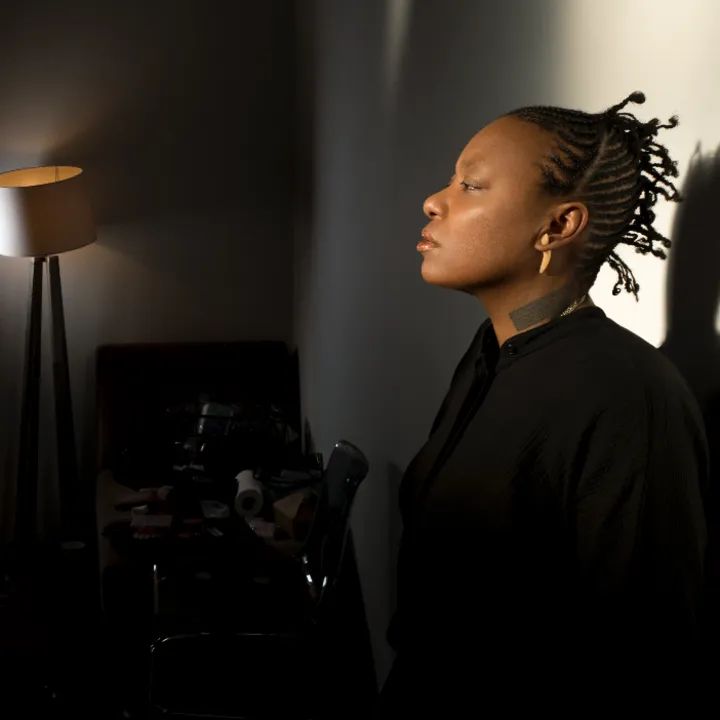
Calling Meshell Ndegeocello fans! Have you checked out her latest album? The critics (see: Pitchfork nerds) are loving it.
Give it a listen and grab your tickets to her 10/24 show at The Get Down
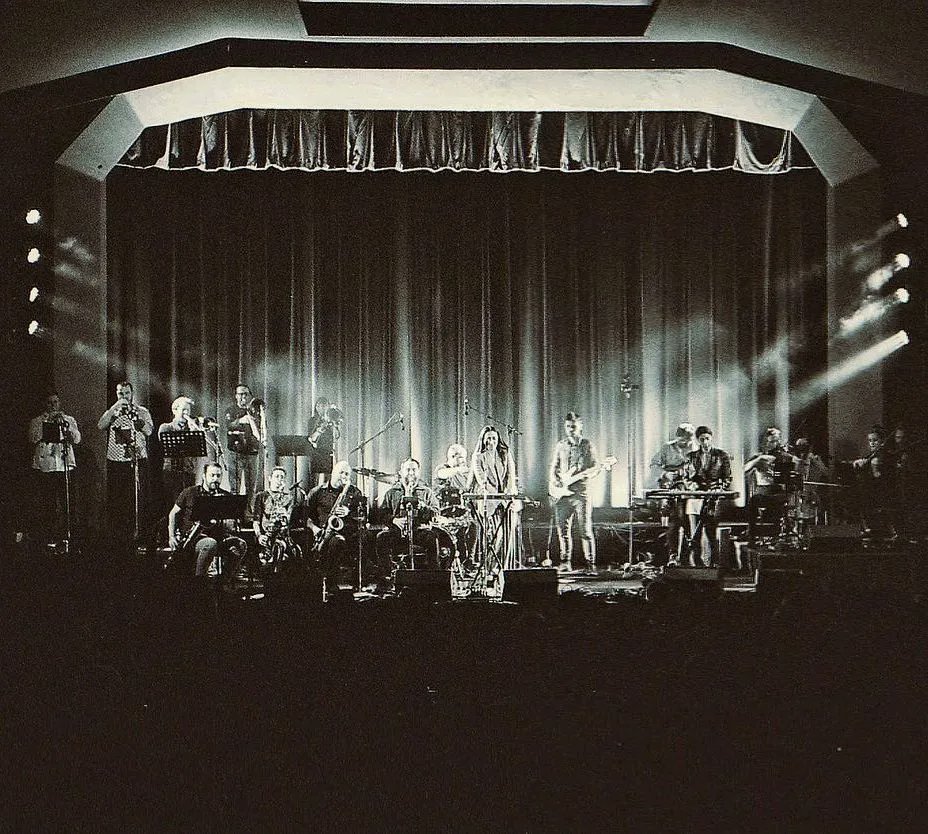
💥Brooklyn-based, 18 piece, Progressive-Jazz orchestra THE NYCCHILLHARMONIC roll thru the speakeasy basement this Wednesday, September 27th. 🎟️ link in bio!
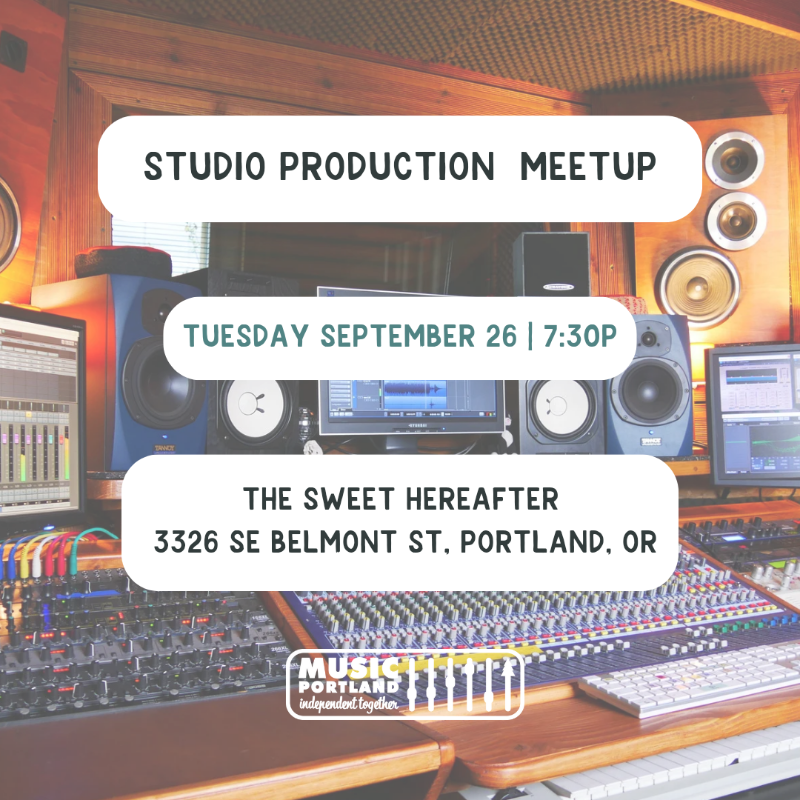
Join us for our monthly huddle for working producers, engineers, mixers, and mastering maestros! Hosted by MusicPortland Board Member and bon vivant, Adam Gonsalves.
7:30 pm Tuesday, September 26
The Sweet Hereafter
3326 SE Belmont St, Portland, OR
Remembering the great Ray Charles who was born this week in 1930. Regarded as one of the most iconic and influential singers in history, and often referred to by contemporaries as "The Genius", Charles was credited with the early development of soul music.
Charles’s rhythmic piano playing and band arranging revived the “funky” quality of jazz, but he also recorded in many other musical genres. Charles emerged as a blues and jazz pianist indebted to Nat King Cole’s style in the late 1940s. Propelled by his distinctive raspy voice, “I’ve Got a Woman” and “Hallelujah I Love You So” became hit records. “What’d I Say” led the rhythm and blues sales charts in 1959 and was Charles’s own first million-seller.
The recipient of many national and international awards, he received 13 Grammy Awards, including a lifetime achievement award in 1987. In 1986 Charles was inducted into the Rock and Roll Hall of Fame and received a Kennedy Center Honor, and he was awarded the National Medal of Arts in 1993.
Here, he is performing “Hit The Road Jack” with a group of children in 1964. The clip is from the film “Ballad in Blue” by Paul Henreid.
Remembering the great John Coltrane who was born on this day in 1926. One of the most influential musicians in the history of jazz, Coltrane helped pioneer the use of modes and was at the forefront of the free jazz movement.
His style encompassed the modal jazz first explored with Miles Davis, the complex chord structures of his own compositions, and ultimately the extremes of timbre, dynamics, and register associated with free jazz. Coltrane’s total mastery of the tenor and soprano saxophones, the rich harmonic density of his compositions, and his clear projection of emotion enabled him to reconcile technical virtuosity with an often spiritual profundity.
Here, he is performing “My Favorite Things” with McCoy Tyner on piano, Jimmy Garrison on bass and Elvin Jones on drums live in Belgium, 1965.