A regional collaborative network focused on research, education and community science to understand the effects of environmental change on woodland salamanders.
🚨 BREAKING NEWTS! 🚨
@BridgeStateU awarded $3M @NSF grant! SPARCnet RaMP is a 1-year mentored research opportunity where students study climate change effects on salamander populations & explore STEM career options. Congrats to PI @ProfMCFR & team! https://t.co/nqREUADzvx
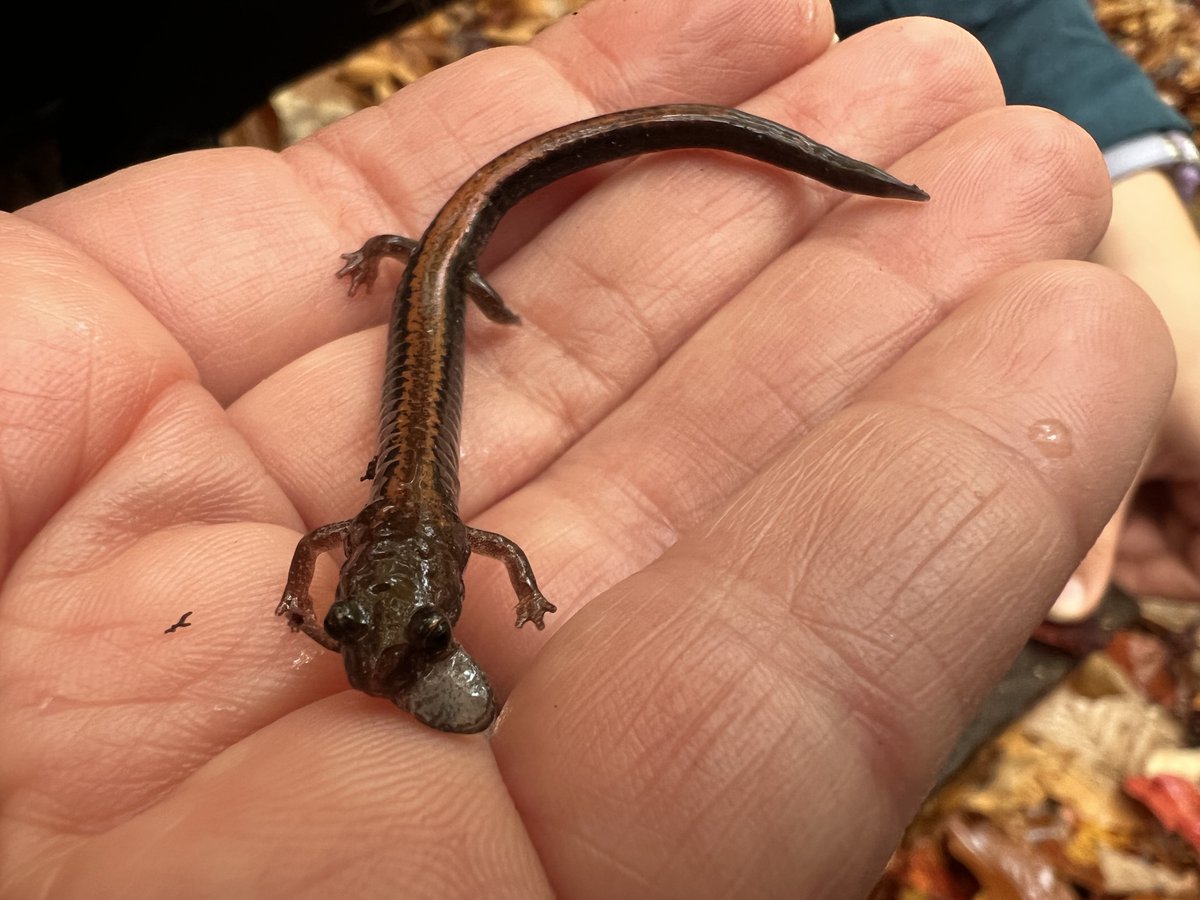
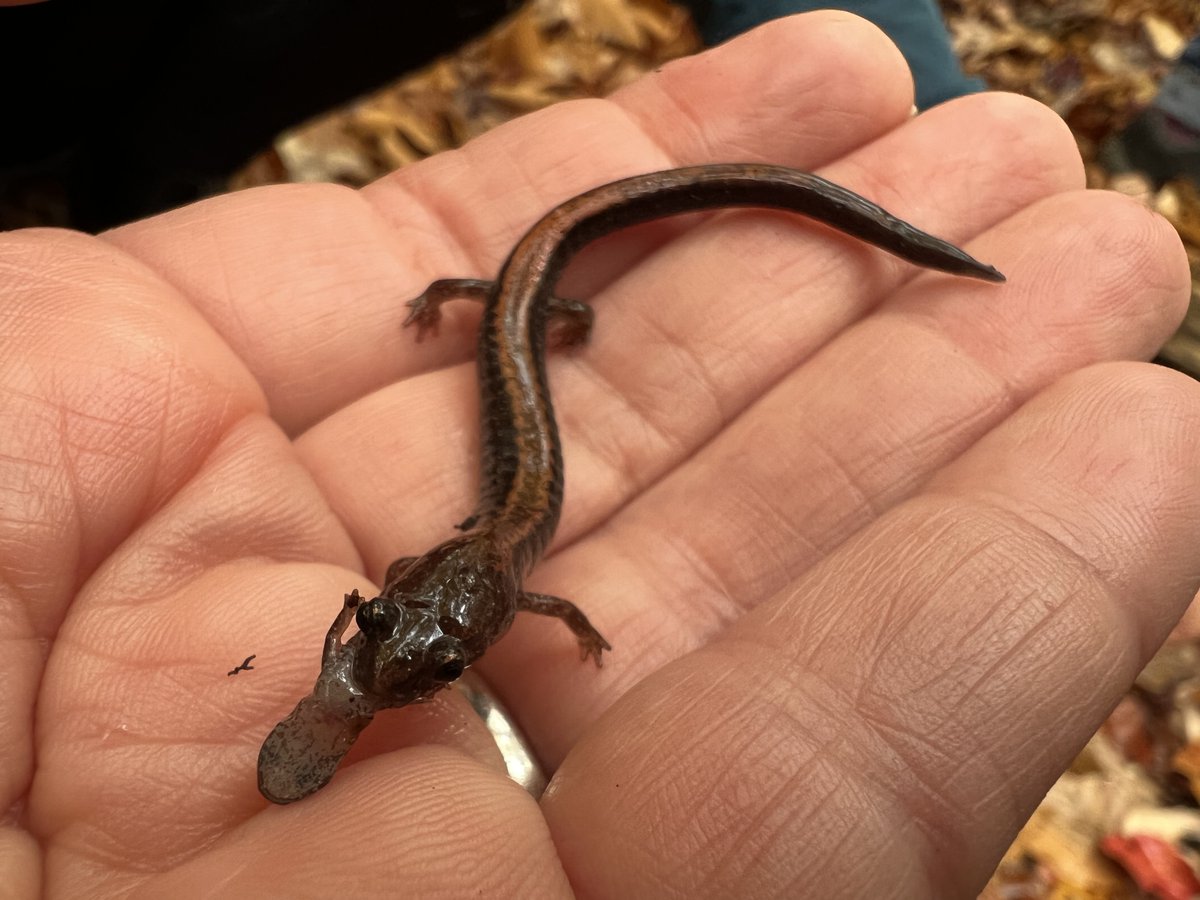
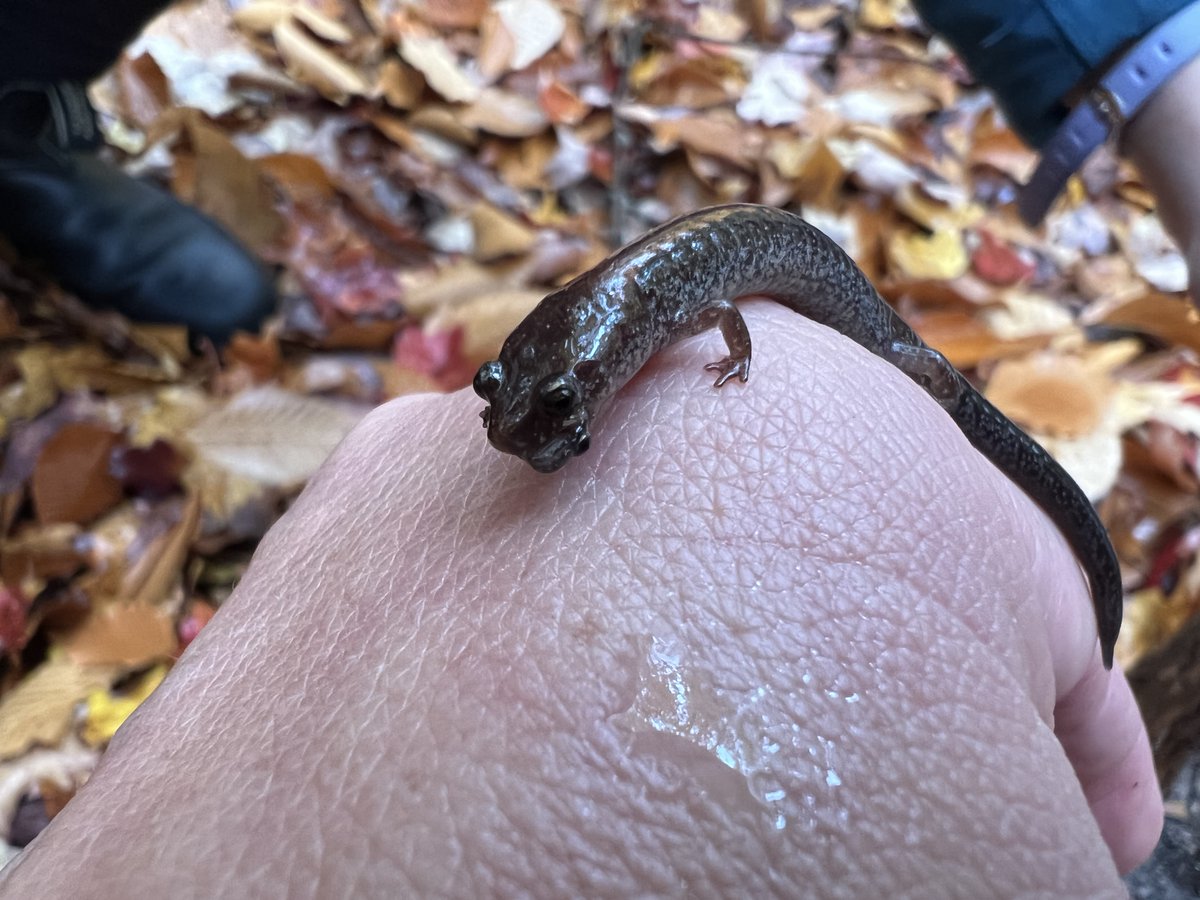
Spooky #Salamander Alert! Yesterday, a SPARCnet team observed red-backed salamander cannibalism under a cover board at the Harris Center for Conservation Education in Hancock, New Hampshire – the #SPARCnet version of a Halloween horror flick! 📷s by Brett Amy Thelen
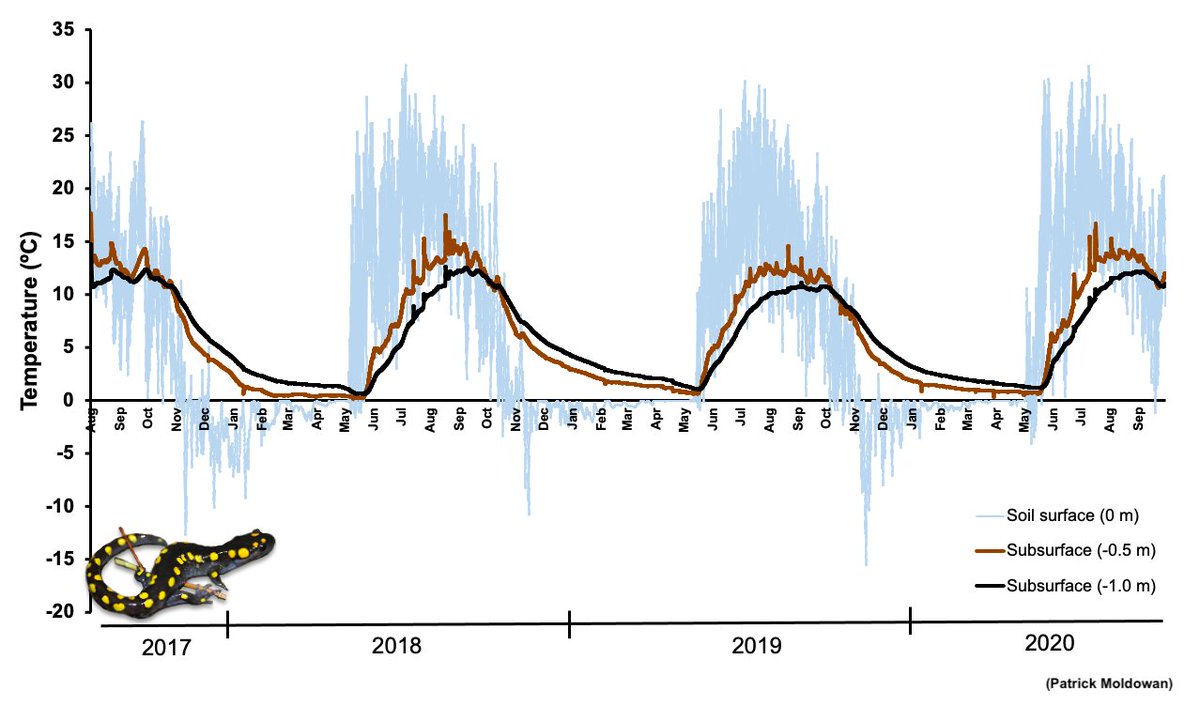
It's the time of year many of us begin seeing red-backed salamanders on the soil surface! They prefer cool conditions around 50F/11C (dash line). In the summer, belowground temps are cooler and more stable, as seen here in temps across soil depth profiles at a Massachusetts site.
#SPARCnet M.S. student at @SUNY_Oneonta, Bethany Shaw, was recently profiled on the Oneonta website about her pandemic research perseverance! Go, Bethany! https://t.co/qCn3gfBnFy
New Blog Post! What’s your relationship status? In the case of your relationship with salamanders, hopefully it’s going strong. #Salamanders play an important role in our lives, but we threaten their existence...read more at https://t.co/wL84xnua2b
The Life Underground.—Living beneath the soil surface may be dark, but a subterranean lifestyle moderates exposure to temperature extremes. It's not too hot and not too cold in this 'Goldilocks zone'. 1/n
#Salamander#SoilScience#Ecology
New Blog Post on the interactions between earthworms and salamanders by #SPARCnet member @SeanSterrett! Check it out!
https://t.co/LOYZUqLkXN
We're revitalizing our blog and plan to have monthly posts by our members, posting around the middle of the month. Stay tuned for more!
@urichmond and @MSU_IBIO students connected virtually today to compare independent project plans. Both classes are using @SPARCnet_Sals data this semester for CURE experiences connected across the range of this widespread salamander #TeachwithData@louisesmead@BEACON_Center
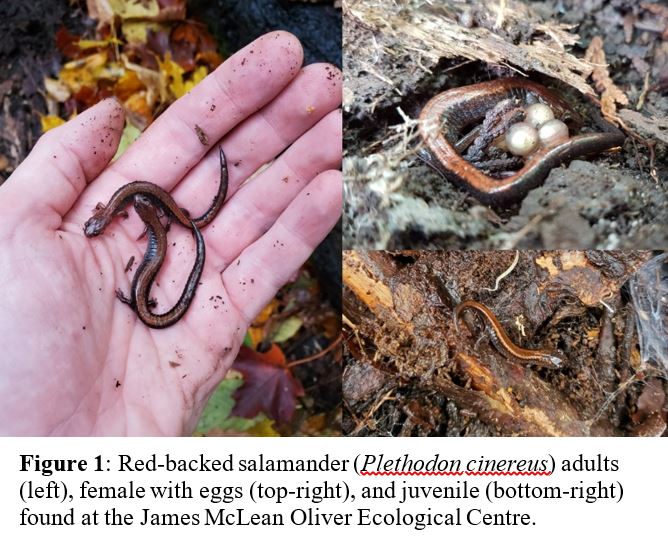
Unlike most amphibians, red-backed salamanders practice some parental care. Females aggressively defend eggs against predators and neighbors. There are even some records of post-hatching attendance of offspring, like this rare find at a Western MA #SPARCnet site in 2017!
It's courtship season in Western MA! @salamander_jill, student Taylor, & field assistant Marley 🐶 saw many pairs under boards in #WendellStateForest. Females here nest when they become active in spring. They're REAL good at finding cryptic nest sites, so good luck finding them!
Richmond, VA is at the southern edge of the range of eastern red-backed salamanders, but don't let that catch you off guard - it has some of the highest salamander densities we have seen in #SPARCnet! Six sallies under one board is just a normal day in RVA!
Cool and wet = lots of red-backed and lead-backed salamanders in RVA! 38 on one plot + 6 beauties under one board while doing maintenance on another @SPARCnet_Sals
Very excited to announce that I received financial support from Symons Trust Fund for Canadian Studies to support start-up costs associated with launching a long-term #salamander research program here @Trentbiology in collaboration with @SPARCnet_Sals!