Quão instantaneamente morreram os 5 tripulantes do Titan?
Tenho reparado em algumas dúvidas nas redes sobre a morte trágica dos 5 tripulantes do Titan. Se a implosão catastrófica não foi "anunciada", ou seja, se os ocupantes não ouviram ruídos estranhos no casco e se o comandante não tentou desesperadamente voltar à superfície, podemos deduzir que eles nem sequer viram / sentiram / tomaram consciência do que aconteceu.
À uma profundidade de 2.500 / 3.000 metros (a profundidade estimada na qual o Titan implodiu), um casco como aquele implode à uma velocidade supersônica de quase Mach 2. Imaginem as paredes de um mini submersível esmagando uma pessoa a mais de 2.000 km/h! 😬
Considerando as dimensões do submersível, estima-se que o tempo p/a implosão total foi de 2 a no máximo 3 milissegundos, e considerando que o cérebro humano leva de 200 a 300 milissegundos para reagir à um estímulo externo, concluímos que o evento que causou a morte dos tripulantes do Titan foi 100 vezes mais veloz do que o tempo de reação do cérebro.
Não viram e não sentiram nada.
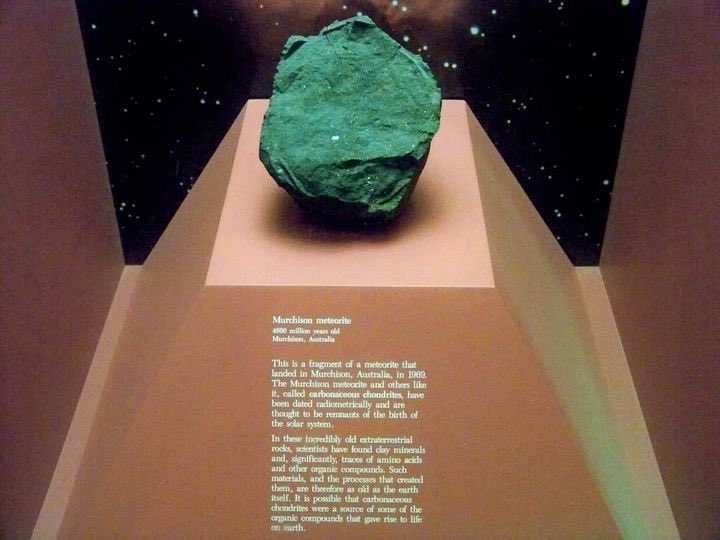
O meteorito Murchison caiu na Austrália em 1969. A bola de fogo foi vista por inúmeras pessoas de diferentes locais. Após ser coletado, inúmeras partes foram enviadas para museus e pesquisadores pelo mundo.
É provavelmente o objeto mais velho na terra, já que um estudo de 2020 apontou que possui 7 bilhões de anos, sendo mais velho que a própria terra. Pertence ao grupo dos meteoritos que contém partículas de aminoácidos, os componentes químicos do DNA.
Este, está localizado no National Museum of Natural History, em Washington nos EUA.
The most common last name:
🇦🇷 Argentina → Gonzalez
🇦🇺 Australia → Smith
🇧🇩 Bangladesh → Akter
🇧🇷 Brazil → Da Silva
🇨🇦 Canada → Smith
🇨🇳 China → Wang
🇪��� Egypt → Mohamed
🇪🇹 Ethiopia → Tesfaye
🇫🇷 France → Martin
🇩🇪 Germany → Muller
🇮🇳 India → Kumar
🇮🇩 Indonesia → Sari
🇮🇶 Iraq → Mohamed
🇮🇪 Ireland → Murphy
🇯🇵 Japan → Sato
🇯🇴 Jordan → Allah
🇰🇿 Kazakhstan → Akhmetov
🇲🇽 Mexico → Hernandez
🇳🇱 Netherlands → De Jong
🇳🇬 Nigeria → Musa
🇰🇵 North Korea → Kim
��🇲 Oman → Al Balushi
🇵🇰 Pakistan → Ahmad
🇵🇸 Palestine → Awad
🇵🇭 Philippines → Dela Cruz
🇵🇹 Portugal → Silva
🇷🇴 Romania → Popa
🇷🇺 Russia → Ivanova
🇸🇦 Saudi Arabia → Khan
🇿🇦 South Africa → Nkosi
🇰🇷 South Korea → Kim
🇪🇸 Spain → Garcia
🇱🇰 Sri Lanka → Perera
🇸🇪 Sweden → Andersson
🇹🇷 Turkey → Yilmaz
🇦🇪 United Arab Emirates → Ali
🇬🇧 United Kingdom → Smith
🇺🇸 United States → Smith
🇻🇳 Vietnam → Nguyen
🇿🇼 Zimbabwe → Moyo
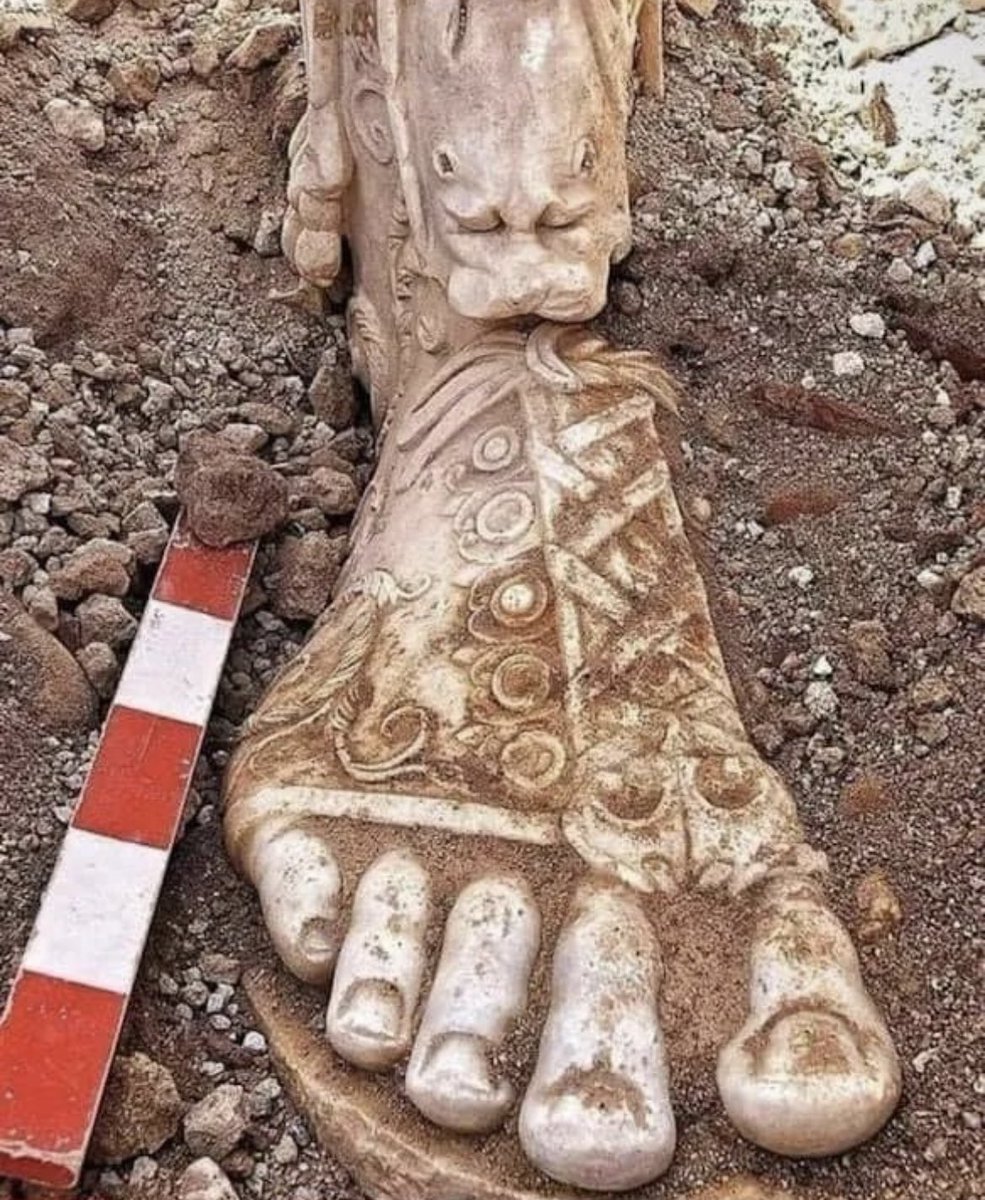
The discovery of a foot of a marble sculpture of Marcus Aurelius in Southern Turkey provides us with a valuable piece of historical context. Marcus Aurelius, born in 121 AD, was a prominent figure in ancient Roman history. He is best known for his role as the Roman Emperor from 161 to 180 AD, during a period known as the Pax Romana, or Roman Peace.
Marcus Aurelius was not only a military leader but also a renowned scholar, making significant contributions to philosophy and intellectual pursuits. He was deeply influenced by Stoicism, a philosophical school that emphasized virtue, reason, and acceptance of fate. Marcus Aurelius is particularly famous for his collection of philosophical writings known as "Meditations," in which he reflects on various aspects of life, ethics, and personal growth.
During his reign, Marcus Aurelius faced numerous challenges, including military campaigns against invading Germanic tribes, such as the Marcomanni and the Quadi. Despite his commitments as an emperor, he continued to engage in intellectual pursuits, often writing and contemplating while on military campaigns.
The unearthed foot of the marble sculpture of Marcus Aurelius highlights the significance and influence of his reign, as well as his intellectual legacy. It serves as a reminder of his multidimensional persona as both a military leader and a scholar. The sculpture itself is a testament to the artistry and craftsmanship of the time, providing us with a tangible connection to the past and allowing us to appreciate the cultural and historical richness of the Roman Empire.
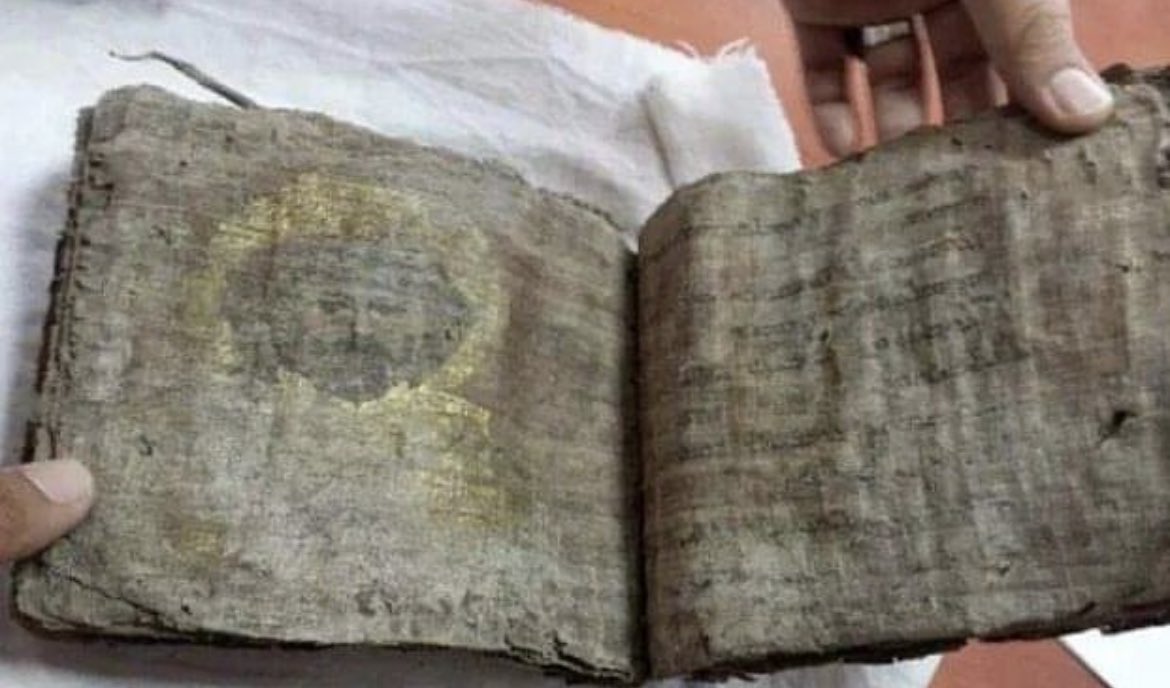
Police in Turkey have successfully recovered an ancient Bible believed to be around a thousand years old. The sacred text, discovered in the city of Tokat, central Turkey, is written in the ancient Assyriac language. The invaluable manuscript was retrieved following an attempt by smugglers to sell it to undercover officers.
The origin of the Bible remains unknown, although it is written in the ancient Assyriac language. While its cover is reportedly damaged, its remaining 51 pages feature intricate images and religious motifs crafted in gold leaf. Among its contents are depictions of Jesus Christ and various other figures from biblical lore.
According to reports, a series of operations were launched in Tokat's city center and the neighboring Turhal district. As a result, ten individuals were apprehended, and additional valuable items such as jewelry and ancient coins were seized. The Bible itself was promptly delivered to a museum. Scholars and historians anticipate that this ancient tome will provide invaluable insights into the development of Christianity during past centuries.