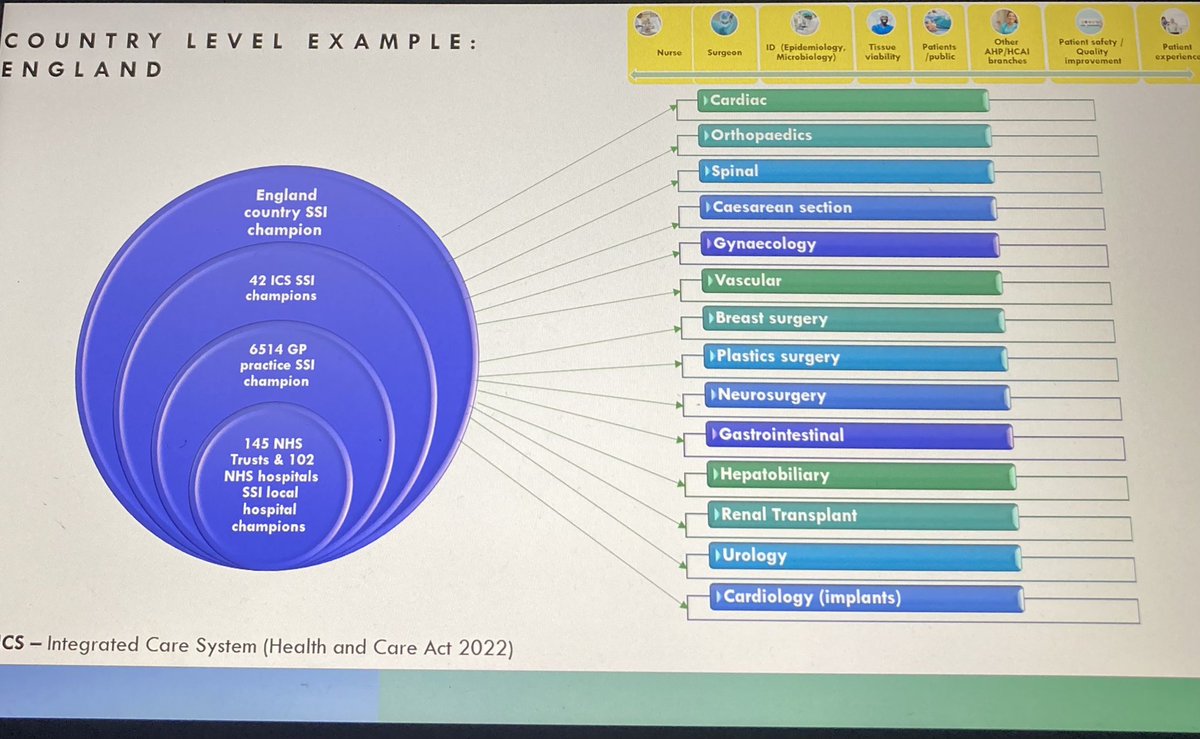
Our mission is to engage SSI Champions to promote credible SSI surveillance as a conduit for correct implementation of evidence based SSI Prevention measures
We’re getting down to business now…. Calling all aspiring #SSIPreventionChampions across the globe. Do you want to be involved in a novel surgical #PatientSafety#SSIPrevention initiative that is capturing the world by storm 😉. 👀 #NHSE example & start thinking your country 🙌🏼
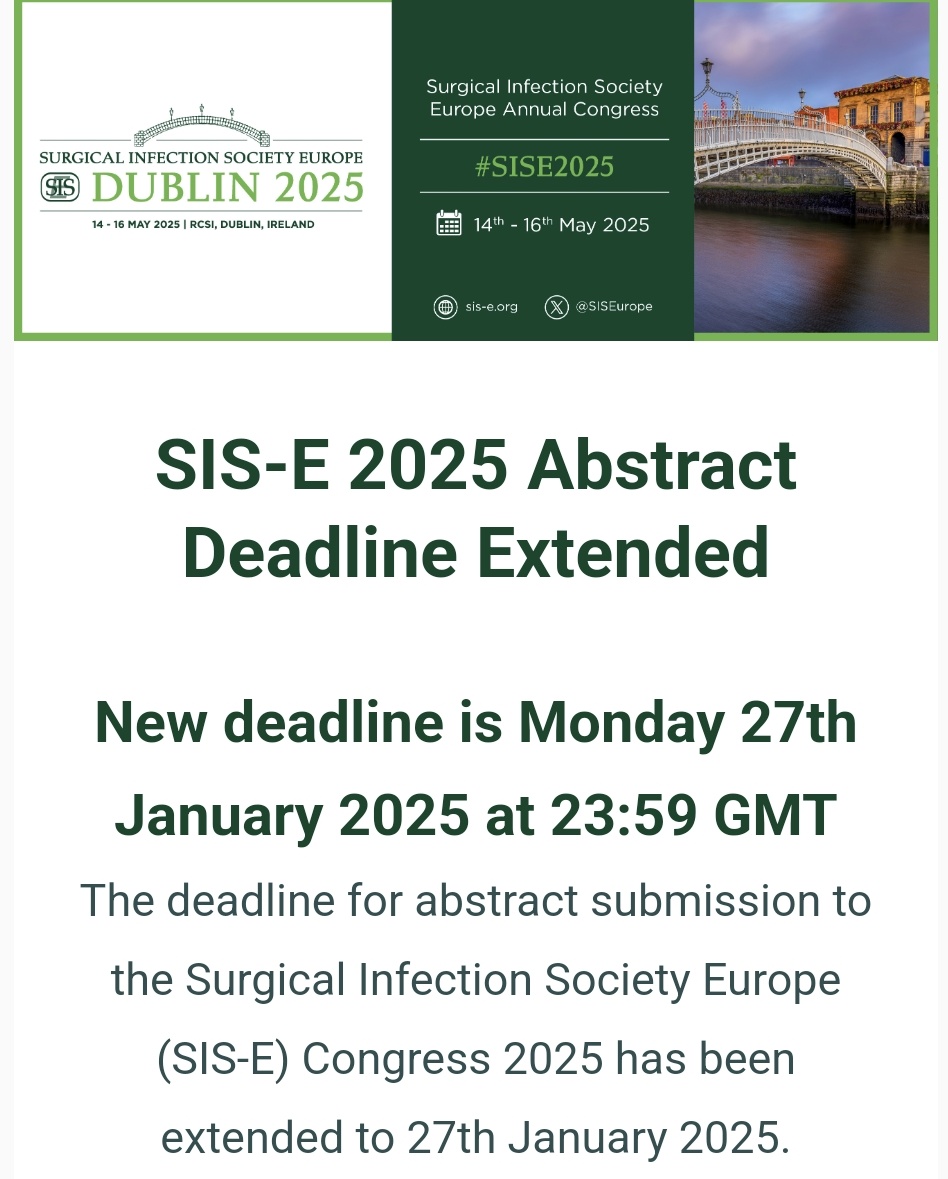
📢Abstract deadline for #SISE2025 EXTENDED‼️
👉2 more weeks to prepare your abstract on any topic (basic & clinical science) related to #surgicalinfections
👉submit your educational case report for our #SISEOlympics contest
👉opportunity to win Prizes🏅 including @BJSAcademy
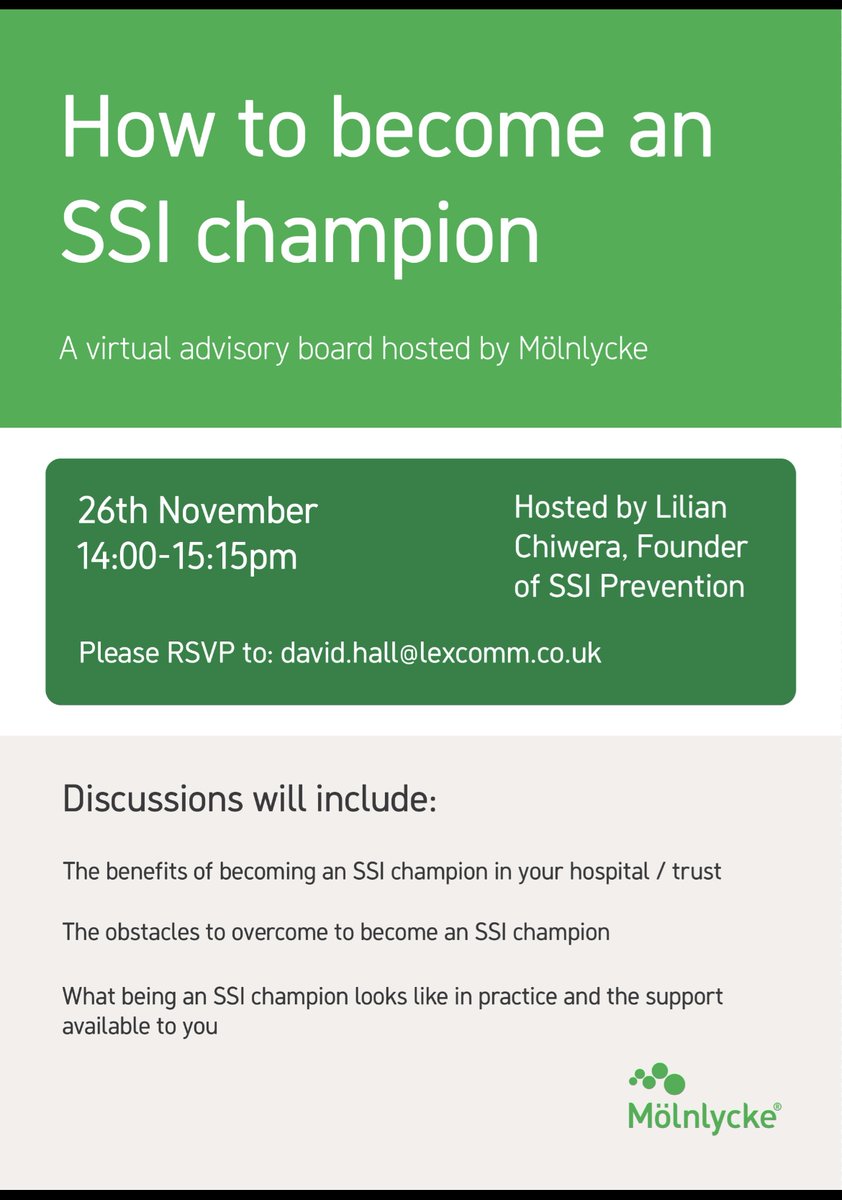
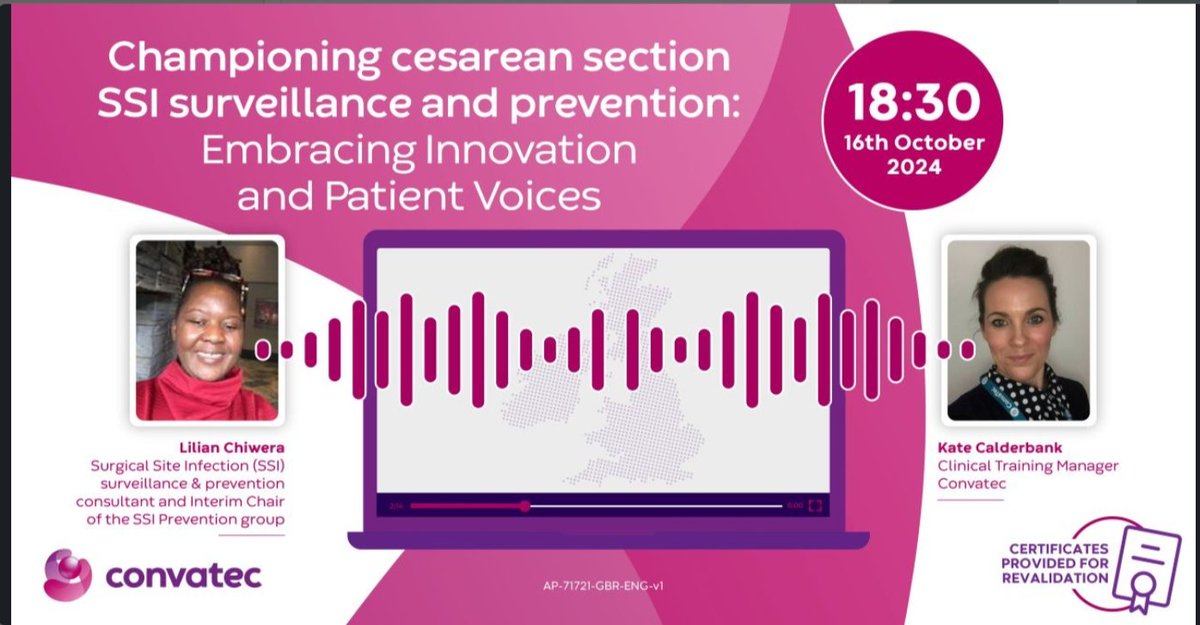
Looking to become an SSI champion? Join Lilian on the 26th November for a free session looking at SSI champions and how to become one in your work place 🤩
"We have to keep reminding people of sepsis.”
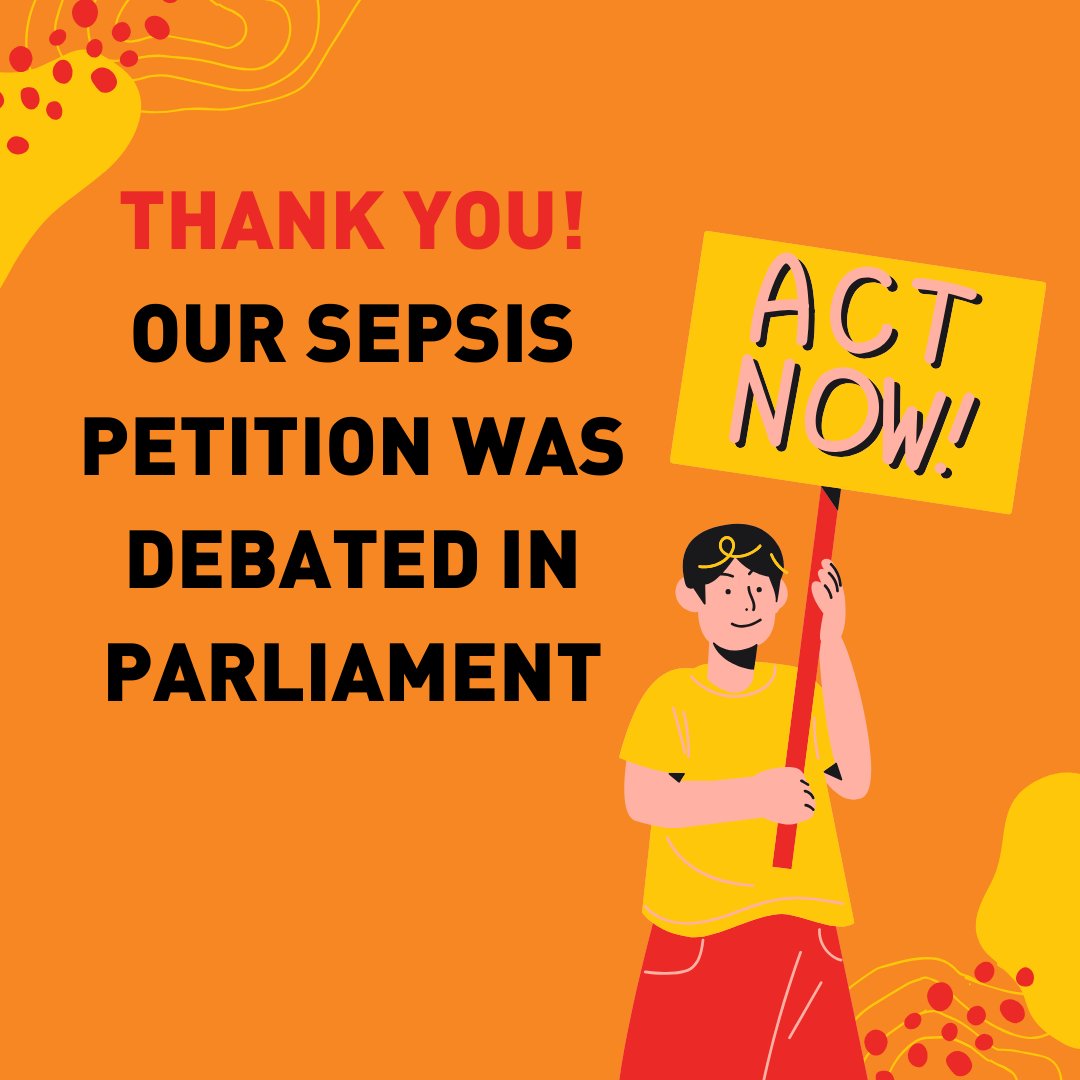
After our petition reached 50,000+ signatures, sepsis was debated in Parliament on 9 Oct.
Huge thanks to all who signed & MPs who backed our three asks.
Read the full debate here: https://t.co/ADx7rErHOE
Exciting news
An Oxford venue has been confirmed for a special Human Factors & Patient Safety Conference next year
6 October 2025
Planning high profile speakers & interesting topics relevant to colleagues across healthcare
With sponsors, aiming for low registration cost too
I promised to give a shout out about the National Human Factors in Patient Safety conference hosted by the Royal College of Surgeons in Ireland @RCSI_Irl this coming Friday. I'm giving a talk titled “Rocking the boat while staying in it: How to make change happen and not get wet”. RCSI are fantastic champions of improvement & their events are excellent. You can attend this face to face in Dublin or virtually: https://t.co/kD08AWvjak #HumanFactorsAcademy
Loneliness at work has become an epidemic, leading to workplace stress, people being absent & leaving their jobs. New research has highlighted multiple myths that lead to many leaders making the workplace loneliness situation worse. Myths:
1) Loneliness can be solved by coming back to the office
2) Teams will solve loneliness
3) Lonely people are needier socially than others at work
4) Loneliness is a personal problem, not an organisational problem.
Practical actions that leaders can take to reduce work loneliness include measuring loneliness, designing slack in workflows, creating a culture of connection, building socialising into the rhythm of work & maximising each work mode (remote or f2f) for connection.
https://t.co/eVFBcpoUxD. Via @HarvardBiz
Do we need more specialist or more generalist skills for the future? Some futurists predict that, in the age of AI, choosing to be a generalist will be a risky career move. Someone with broad, basic competence in multiple domains is likely to be overtaken by an AI language model.
However, there is a growing view that generalists will own the future. A generalist has something that language models don’t have: the capacity to learn quickly & see/solve novel problems in new domains. The person who thrives in the future might not be the expert who knows the exact answer to a question (specialist). Rather, it might be the one who knows which questions to ask in the first place (generalist).
https://t.co/PLqWwpOspZ.
By @danshipper via @FerraroRoberto.
The ‘bionic’ former MP @cmackinlay speaks to @SepsisUK about his miraculous recovery from sepsis and the impact this life-changing experience had on his family in the latest episode of our podcast.
Listen now this #WorldMentalHealthDay: https://t.co/bxaxSLEGrQ
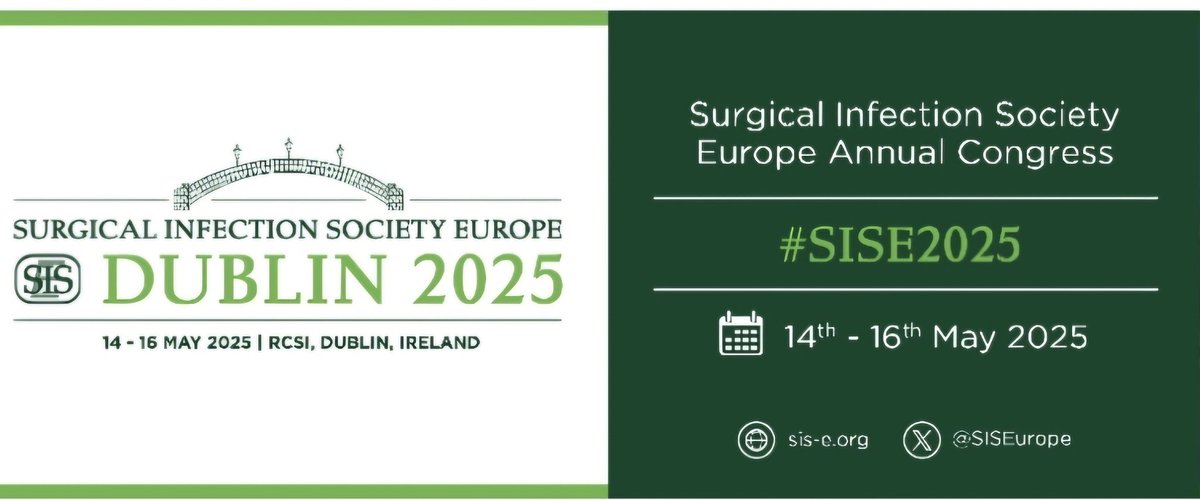
👉Save the date!! #SISE2025 will take place in Dublin next 14-16 May 2025!💚☘️
Join our select group of🔝international experts👨🎓 on #surgicalinfections🦠
📝Abstract portal will open soon!
📢Stay tuned for more information in our Web https://t.co/m958lEI2F2
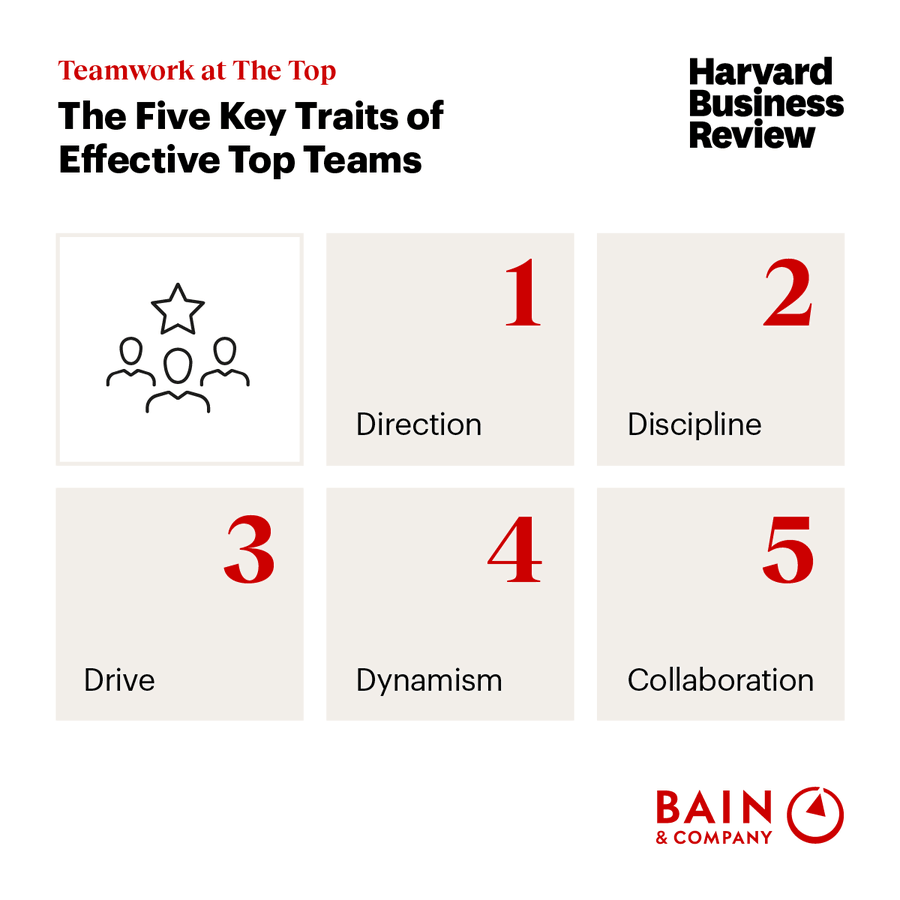
Senior leadership teams are force multipliers: effectiveness radiates from the top team throughout an organisation. Yet in a study by @CCLdotORG, two-thirds of the senior executives felt their top team was ineffective & only 20% felt that their team was high performing. Research by @BainandCompany identified five behaviour traits that the most effective top teams have in common. These traits are collective - they characterise the behaviours of the team as a whole, not those of its individual members:
1) Direction: the team collectively sets purpose, vision & strategy
2) Discipline: everyone understands the strategies, objectives & deliverables of their peers so they can work together interdependently
3) Drive: the team prepares carefully, debates constructively & is industrious & resilient over the long term
4) Dynamism: they treat change as constant & positive
5) Collaboration: the team creates the psychological safety needed to give and take feedback, listen actively, brainstorm, solve problems & hold themselves accountable:
https://t.co/FaXCQAPui9. Via @HarvardBiz
I've just finished reading this landmark #SSI#SSIPrevention report - worth revisiting or reading if you haven't: Time to act: A state of the nation report on surgical site infections in the UK (December 2020) - Surgical site infections - PSL - the hub (https://t.co/vXE7qh5sEv)
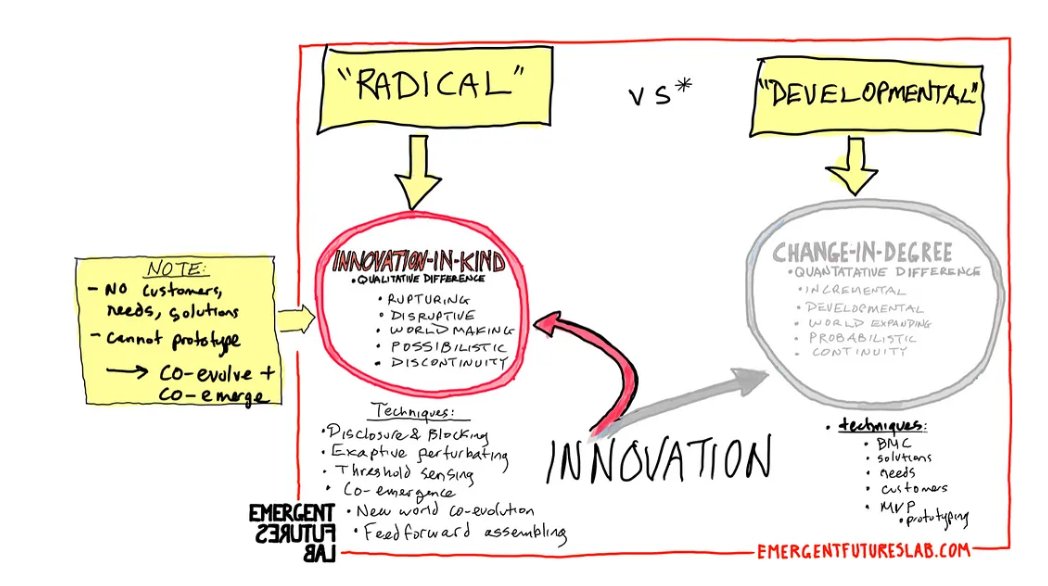
Many of the tools & methods we use for innovation are designed for "developmental" innovation; incremental improvement to existing products & services. The gap between where we are now & where we need to be is so big that we need much more "radical" innovation. This kind of innovation is qualitative & not quantitative in nature — it is not about size of the change but the kind of change. We cannot deliver radical innovation using developmental innovation approaches. We need different practices & tools for different forms of change & innovation. That is one of the biggest challenges for changemakers of our era. See: https://t.co/w5JmgqDokv. By Jason Frasca of @ACFuturesLab
I can’t believe I’ve had d longest social media break in hx by my standards - outstanding achievement! 😊😊. Thanks for your patience, our @SSIPreventionD Charity registration, governance documents etc. are being sorted in the background, we'll keep you posted on big milestones.
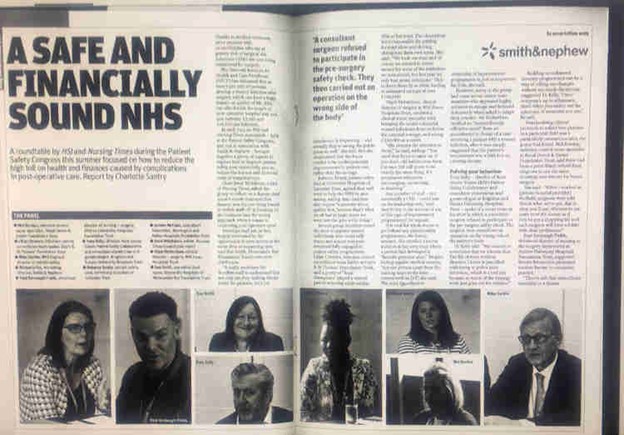
I, Mel Burden & others did question back in 2016 if the NHS was really safe & financially sound from an #SSI perspective at a round table discussion facilitated by the Nursing Times, with follow up publications by NT & the Health Services Journal. "Once we say: ... #SSIPrevention
"Mattering" is the belief that we’re significant to the world around us. When people feel they matter, they feel seen, important & needed through how others treat them. Scholars have deemed mattering to be a core instinct that drives all human behaviour. That’s why, when someone doesn’t believe they matter at work they:
- won’t share their voice if they don’t believe their voice is significant
- won’t use their strengths if they don’t believe they have strengths
- won’t contribute if they don’t believe they have something to contribute
- won’t care as much as if they feel cared for
Actions that leaders/ teams can take: see some excellent articles by @ZachMercurio - "How to Create Mattering at Work": https://t.co/vlxLnrqGWF and "The Cost of Not Mattering at Work": https://t.co/AocAKNMhxm.
Don’t send messages like; ‘my door is always open’. It takes a lot of courage for people to walk through that door. Open the door and walk through it yourself. Leaders are visible. There’ll be backs that need patting. Find one, every day. https://t.co/uvyS2KBmk7