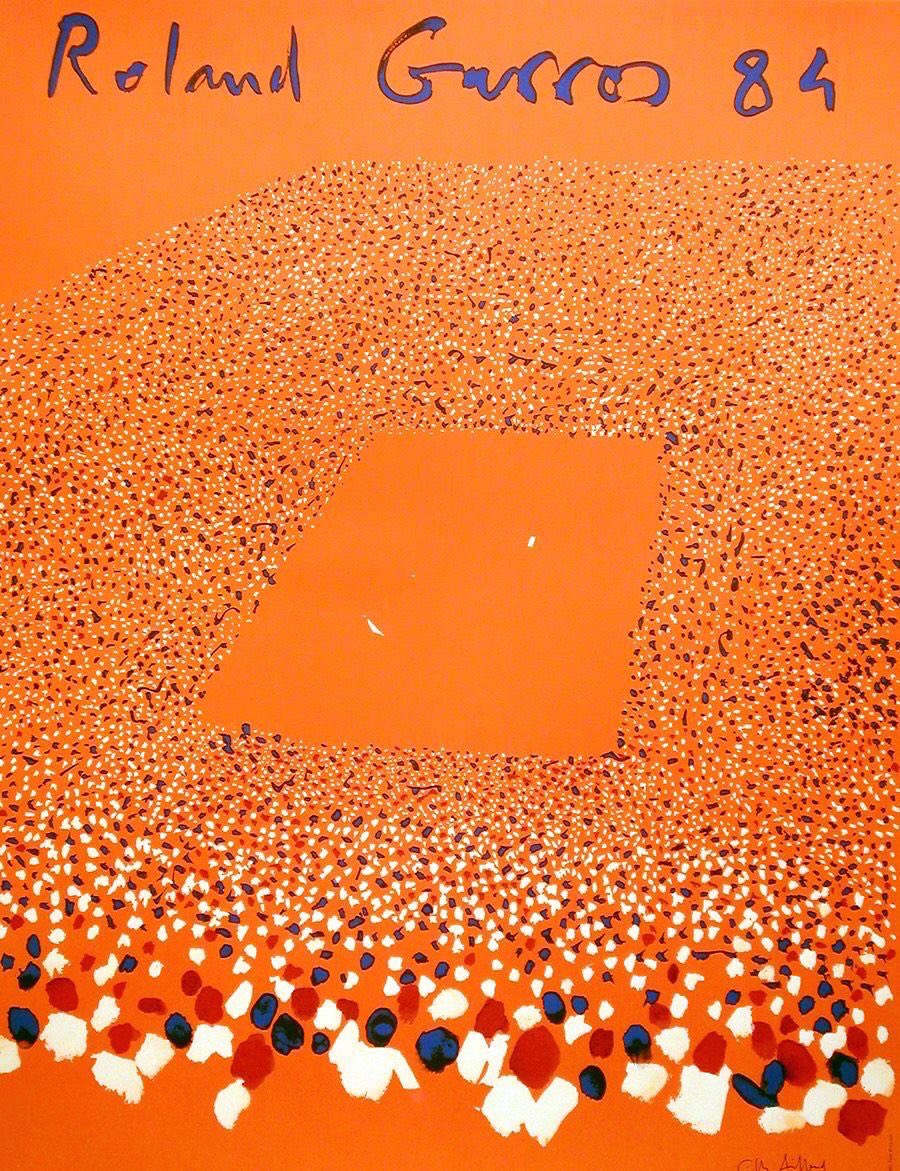
Generational fumble by Casper Ruud, who must be kicking himself. Played Rome finals, looked in good form. Loves the clay, is a 2-time finalist at RG. Should have skipped Geneva & turned up fresh for RG. But man randomly plays Geneva the day after losing Rome, makes it to SF & plays 10 matches in 13 days before RG. Looked a bit out of gas even in his R1, R2 matches, eventually lost to Fonseca in R4. Missed a trick to maximise his best chance at a Grand Slam title.
Poignant to see Dominic Thiem in the stands today as a retiree. At age 32, he might still have been playing in these finals if not for a cruel twist of the wrist
#getty
India came closest to a cheese tradition in 19th-century Bengal. Portuguese settlers brought acid-coagulation cheese-making techniques. Bengalis turned that into rasgulla, sandesh, ras malai, chhanar payesh etc. Of course, we had to take high quality dairy protein and turn it into dessert
@LiveFromALounge@_mrchaturvedi Economics as @LiveFromALounge put it
Takes 20+ mins for a ground cooling unit to cool the aircraft
The ground handler does not have that many units
If they put the apu on , they burn atf
For T/O thrust is needed so bleed air is not pushed into the cooling circuit till airborne
Heading to the #LondonMarathon?
@OxUniMaths' Dr Josh Bull has a quick way to convert miles to kilometres as you run, using the Fibonacci sequence.
Good luck to everyone taking part 🏃♀️
🎬 | Oxford Mathematics (First published September, 2025)
Coffee is one of the only drinks with strong evidence that benefits the liver. Here's what decades of research actually says about how to drink it right:
Coffee genuinely lowers liver disease risk.
Meta-analyses show regular drinkers have about 35% lower risk of significant liver fibrosis and nearly 50% lower risk of liver cancer compared with non-drinkers.
Aim for 2–3 cups a day, minimum.
The effect is dose-dependent. The Hepatology socities such as AASLD and EASL says 3 or more cups daily is reasonable for liver benefit, if you tolerate it.
Caffeinated works better than decaf.
But decaf still helps.
Caffeine blocks adenosine receptors that drive liver scarring. Decaf lowers chronic liver disease risk too, just by a smaller margin (UK Biobank, n=494,585).
The target dose: ~300 mg caffeine/day, or 3 cups.
Fibrosis protection kicks in around the 75th percentile of intake, roughly 308 mg caffeine, or 2.25 cup equivalents, per day - the AASLD 2023 advises 3+ cups for liver benefit.
What a "cup" actually means
One standard cup = 240 ml (8 oz), not a 60 ml tiny Indian "cup." A 240 ml filter coffee has ~95–165 mg caffeine. A single espresso shot (30 ml) has only ~60–75 mg.
Coffee-to-water ratio: 1:15 to 1:17.
For filter/drip/pour-over: 15 g of ground coffee to 250 ml water. This is the standard brewing ratio and gives clean extraction of chlorogenic acids and caffeine.
Choose medium roast, not dark.
Medium roast has significantly higher chlorogenic acid (CGAs) content than dark roast. Dark roasting thermally degrades CGAs, the main antioxidant doing liver work.
Arabica beats Robusta.
Arabica beans are richer in CGAs and polyphenols, the antioxidants doing most of the liver-protective work.
A note here:
Arabica for polyphenols, Robusta for caffeine.
Arabica (1.5% caffeine) has more CGAs and polyphenols. Robusta (2.7% caffeine) has more caffeine but a cruder phenolic profile. A 70:30 Arabica-Robusta blend is a reasonable compromise.
Water temperature: 92–96°C.
Just off a rolling boil. Too hot (>96°C) burns the grounds and extracts bitter compounds; too cool (<90°C) under-extracts CGAs and caffeine.
Grind size matters.
Medium grind (table-salt texture) for filter/drip. Coarse for French press. Fine for espresso. Brew time: 3–4 minutes for pour-over, 4 minutes for French press, 25–30 seconds for espresso.
Filtered coffee is the safest daily choice.
Paper filters trap cafestol and kahweol, naturally present plant diterpenes that raise LDL cholesterol if consumed daily in large amounts. Pour-over (V60, Kalita, Melitta) or drip machines with paper filters give you CGAs and caffeine without the cholesterol penalty.
Espresso and French press: fine, but not unlimited.
They retain more polyphenols but also more diterpenes (so more chances of increased lipids). Great occasionally; don't make them your 5-cups-a-day default if you have high cholesterol or heart disease.
South Indian filter coffee: acceptable, with caveats. The metal filter does not remove diterpenes as well as paper, so limit to 1–2 cups/day if you have dyslipidemia. The decoction itself is rich in CGAs. Use less sugar. Skip condensed milk.
BUT ULTIMATE: Drink it black. Or close to it.
Sugar, syrups, flavored creamers and whipped cream cancel the liver benefit, especially if you already have fatty liver, diabetes, or obesity. Skim milk or unsweetened plant milk is fine.
Instant coffee: still works.
UK Biobank (n=494,585) showed instant coffee drinkers had similar reductions in chronic liver disease as ground coffee drinkers. Not as potent, but far better than no coffee.
Cold brew: underrated for the liver.
Medium roast + coarse grind + 6–7 hours at room temperature extracts CGAs and caffeine efficiently with lower bitterness. pH and CGA content are comparable to hot brew.
Timing.
Spread across the day. one at breakfast, one mid-morning, one early afternoon. Stop by 2 pm if you have insomnia.
It helps across almost every major liver disease.
Evidence supports benefit in fatty liver (MASLD), alcohol-related liver disease, hepatitis B and C, cirrhosis, and liver cancer.
The mechanism isn't magic, it's chemistry.
Chlorogenic acid cuts oxidative stress and liver fat. Caffeine inhibits stellate cell activation (that promotes scarring or fibrosis). Melanoidins and polyphenols reduce inflammation.
Who should go easy.
Pregnancy, children, those with uncontrolled heart rate and rhythmn issues (arrhythmias), panic disorder, or insomnia.
And no, coffee does not undo a bad diet or bad choice - such as alcohol, herbal supplement or that Ayurvedic "liver tonic."
Sources: Modi et al., Hepatology 2010; Kennedy et al., BMC Public Health 2021 (UK Biobank); Fuller & Rao, Sci Rep 2017; AASLD MASLD Clinical Care Pathway 2023; EASL 2016 CPG, Frontiers in Nutrition 2026 (Italian coffee cohort).
The Shawshank Redemption flopped in theaters, $16 million worldwide on a $25 million budget, opening weekend just $727,000 in 1994, it disappeared almost immediately.
It lost all seven Oscar nominations to Forrest Gump, no awards, no box office, the studio labeled it a failure and the director walked away devastated.
Then something quiet started happening, VHS rentals, cable reruns, someone watching it alone on a Tuesday night and calling a friend the next morning.
People who watched it told their friends, their friends told more people, it spread slowly, one recommendation at a time, no marketing push just genuine word of mouth.
By 2008 it reached number one on IMDb, the audience voted it the greatest film ever made and it has stayed there ever since.
It took 14 years to get there, a box office bomb turned into the highest rated film in history, built entirely by viewers long after the studio had already moved on.