STELLAR EU_H2020 Twinning project on excellence in radio astronomical science & technology in Bulgaria. Led by IANAO, with @ASTRON_NL, @DIASAstronomy, TUS
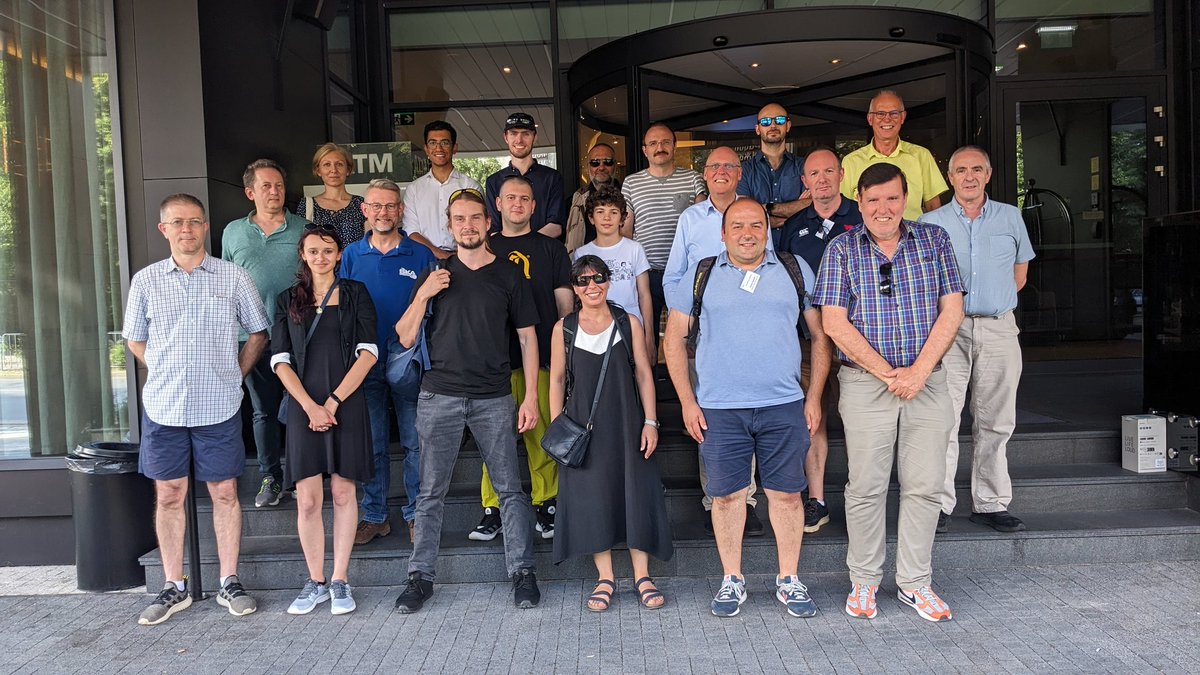
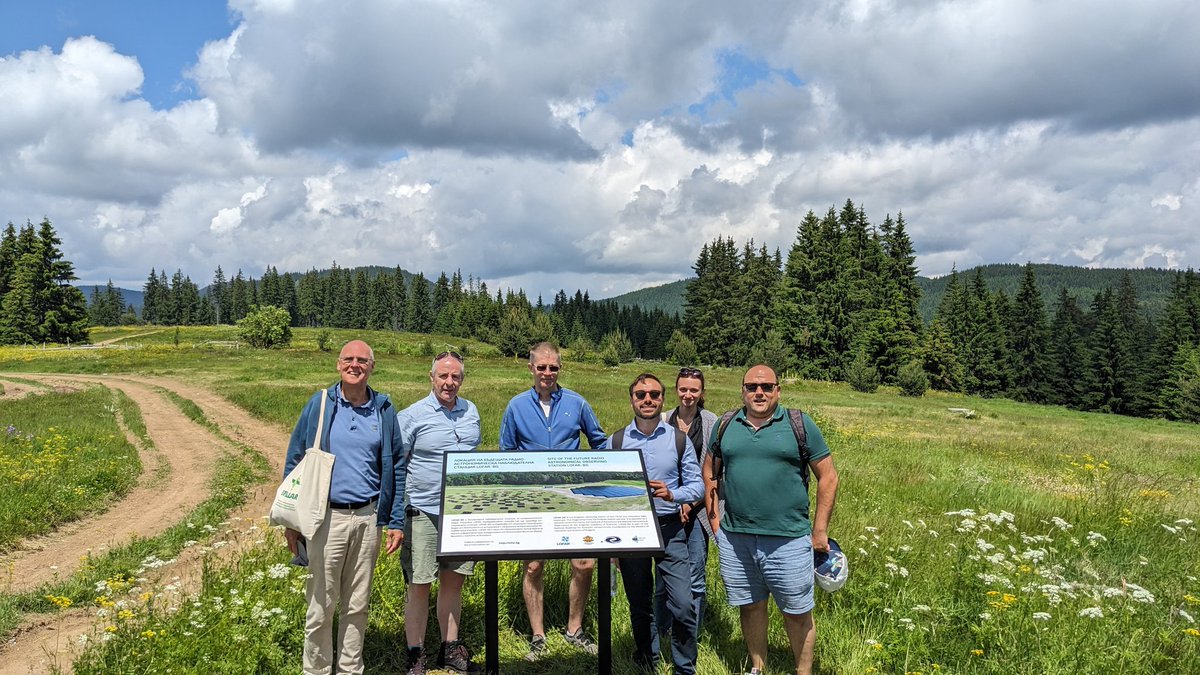
The @STELLAR_H2020 Final Meeting was a great success! From summaries of project achievements and discussions of how to strengthen our @LOFAR collaborations even further, to walks along historic old #Plovdiv's cobblestone streets, and a visit to the @LOFAR_BG station site.
📡 Radio waves from satellite constellations pose a threat to astronomical exploration. LOFAR confirms unintended emissions. Collaboration between astronomy and industry is vital, urging @ITU to regulate this emission.
https://t.co/6MYE1dJw9g
(Artist impression @DanielleFuts)
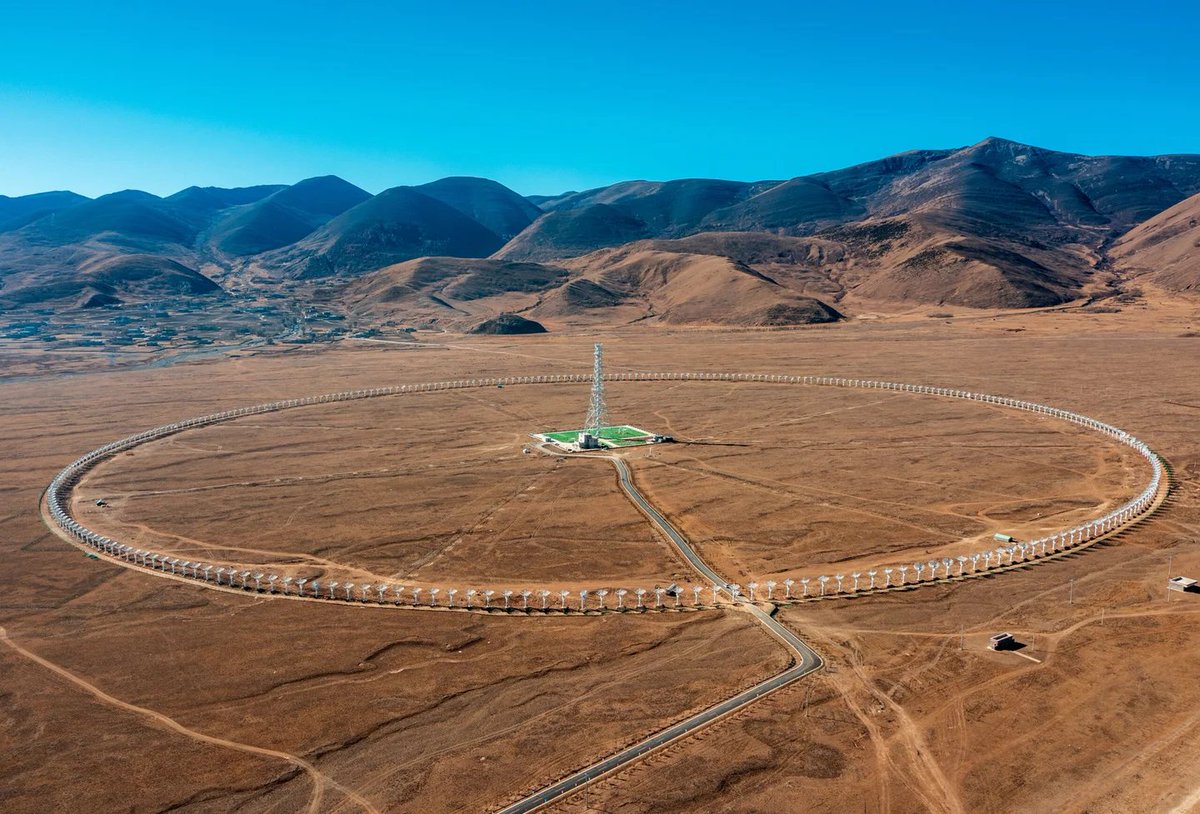
Seeing first-light images of the Sun from the enormous Daocheng Solar Radio Telescope (DSRT) located in SW China @CESRA_community and @STELLAR_H2020 meetings in UK and Bulgaria this week. Built in only 3 years - amazing. Looking forward to seeing first-result papers @peijin94.
Today the students got treated to a visit of the #Discoverer petascale supercomputer, hosted at @SofiaTechPark. Bulgarian researchers already use this monster machine for processing of @LOFAR data!
Today Jeremy Rigney from @DIASAstronomy is telling the students about transient radio signals on the sky, such as pulsars and fast radio bursts. Up next - what studies can be done with a single LOFAR station?
This morning we start with @pietrozucca giving an overview of the @LOFAR telescope to the students. Check the full programme at https://t.co/K8ETWj2kxf
The #LOFAR Science School has started! This week, 15 undergraduate and graduate students from Bulgaria and the region will learn about radio astronomy with LOFAR in Sofia. #radioastronomy
New paper led by Dr. Corentin Louis from @DIASAstronomy showing how we can observe Jupiter with ground-based radio telescopes including @LOFARIreland. Comparing radio emission prediction tools against observations of Io-induced decametric emission. https://t.co/ZuHoOODGmR
📜 Paper accepted √, it's a GPU accelerated method to derive the Quasi-Separatrix Layers (QSL), which could be used for the magnetic field topology analysis in solar active regions.
FastQSL: https://t.co/qGagfcpYWo
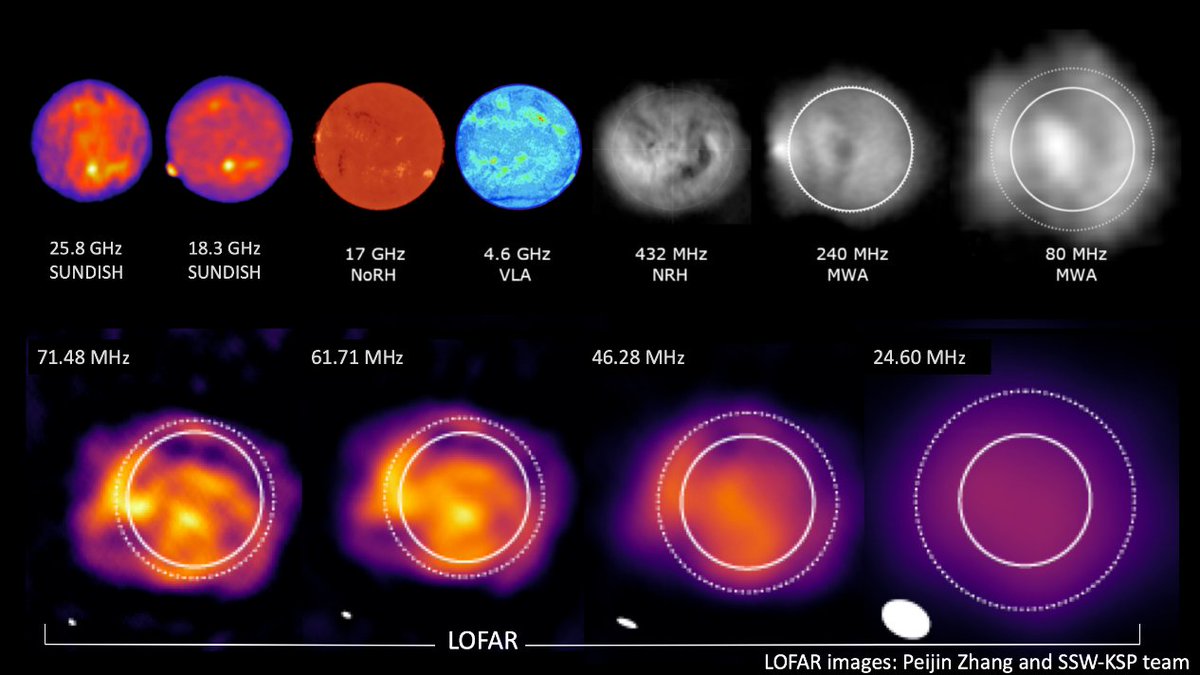
LOFAR images of the Sun become more accurate; we start to reveal the details of the quiet Sun, fundamental in understanding how the corona is hotter than the solar photosphere.
With LOFAR 2.0 we can study this using the LBA and HBA simultaneously.
https://t.co/hk1BWRFGyt
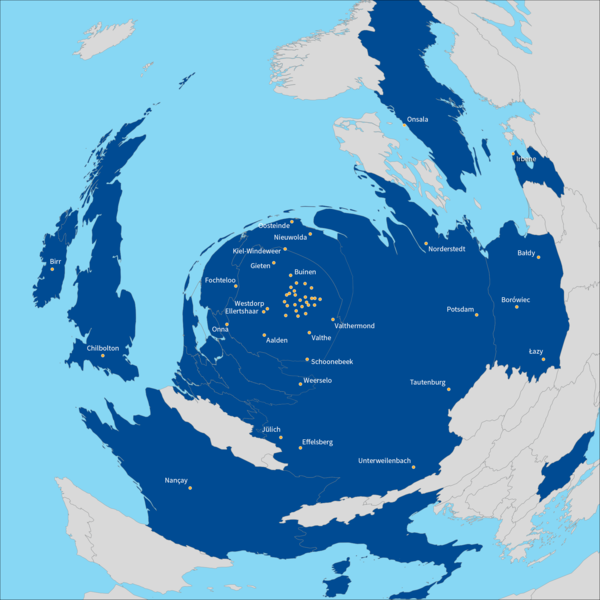
An exciting map showing for the first time Bulgaria highlighted as part of the growing @LOFAR family! The STELLAR project is preparing the Bulgarian research community for developing its own @LOFAR_BG station, science, and engineering. https://t.co/9tpy0nIV8v