⚠️ Site closed Friday February 18th ⚠️ Due to the incoming storm site will be closed tomorrow, we will reopen when we know the site is safe, check back for updates.
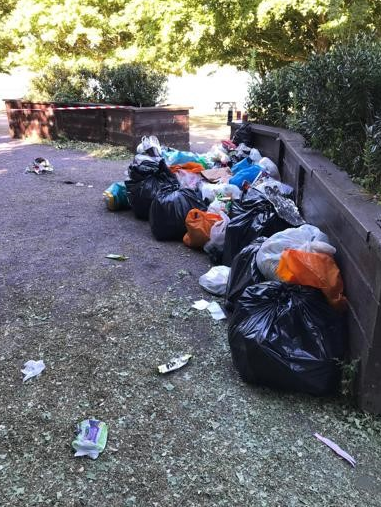
It's #NationalPicnicMonth so we’d like to remind visitors to leave sites as they're found. Rangers had to clear lots of litter that was left covering our sites after the recent heatwave.
Please take rubbish home with you or use the bins on site. BBQ's are prohibited at all sites
The 7-spotted ladybird are the most common in the UK, and you can often spot them in your garden. The bright red colour warns other animals that they have a horrible taste🐞.
It’s #NationalNaturePhotographyDay!
To celebrate, we’d love to see some of the great photos you’ve taken at one of our visitor sites 📸🌳🐝
We’ll be sharing some of our favourites this week on our Instagram story, so use the hashtag #STNaturePhotoDay to be featured!
Enjoy the sun this weekend without putting yourselves at risk - remember it's unsafe to swim in our reservoirs!
Strong under currents & no lifeguards puts even experienced swimmers at risk – instead of a swim, take a look at the cold refreshments we offer at our cafés instead!🍦
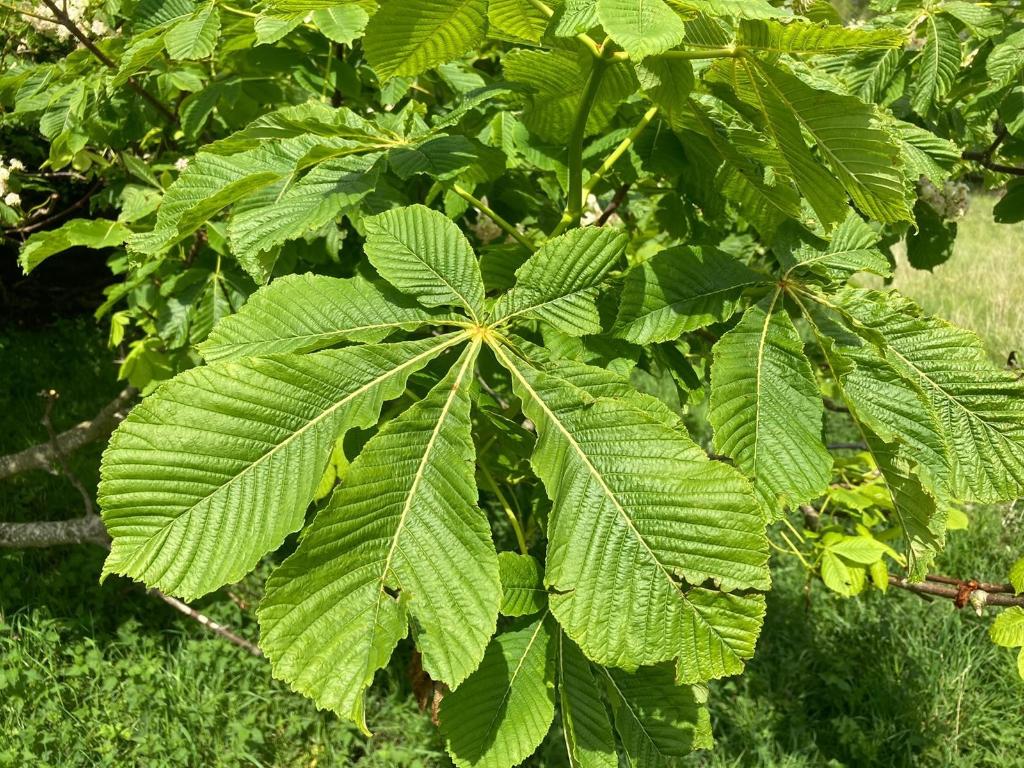
The Horse Chestnut is one of the first trees to leaf and also one of the first to drop its leaves in Autumn.
Its easily recognisable by the large leaf made out of five serrated leaflets, its unique flowers and conkers which appear in Autumn 🌳 🍃 .
Not all spiders use a web to catch their food...
This is a Nursery Web spider and to catch its prey they use a quick sprint and pounce. Spiders that use this method of predating are called active hunters.
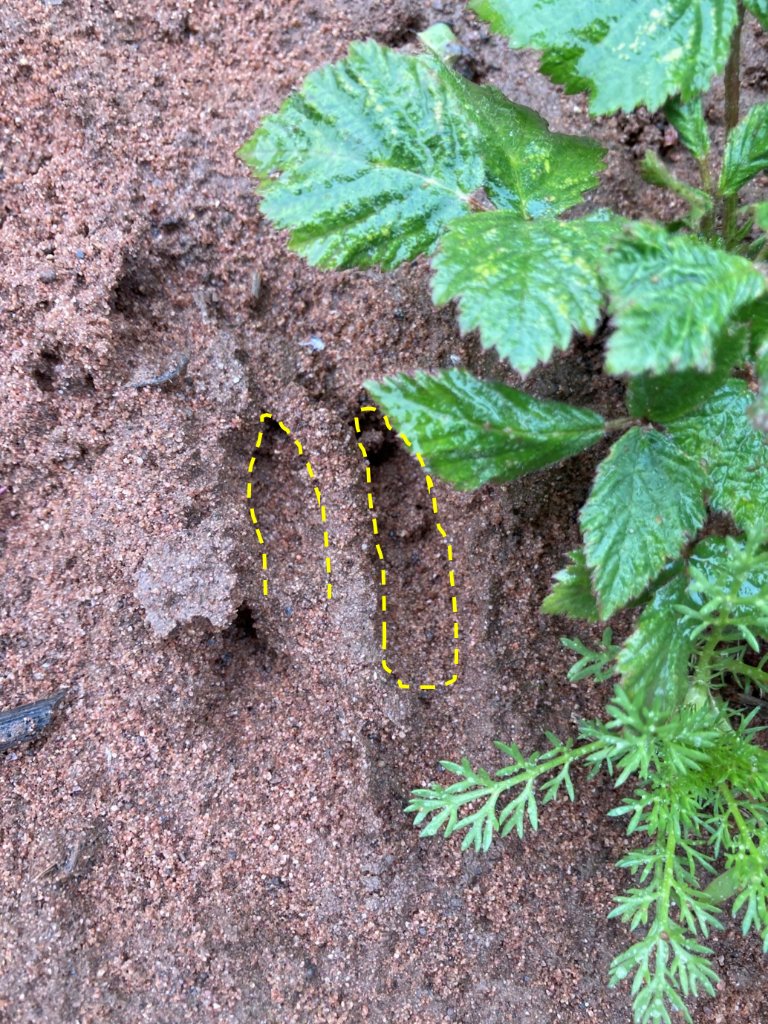
Fallow deer are frequently spotted by the rangers on our sites.
Did you know that Fallow deer originate from Asia and were introduced to the UK by the Normans. They are now widespread across the UK and are considered naturalised.