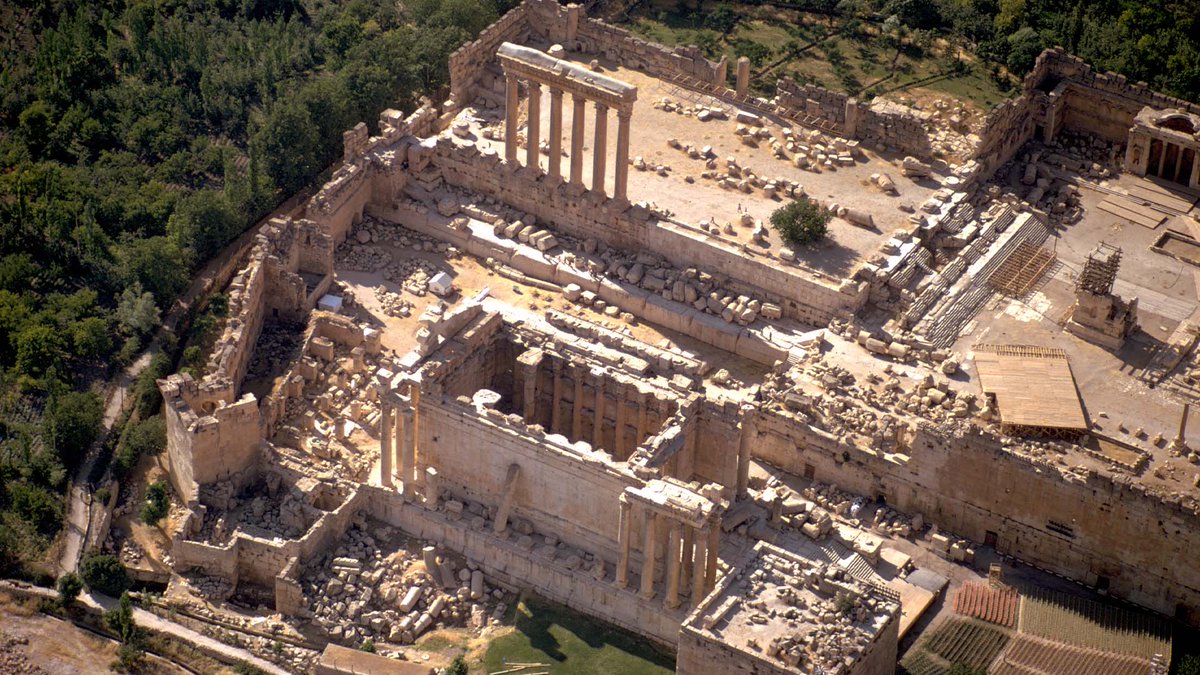
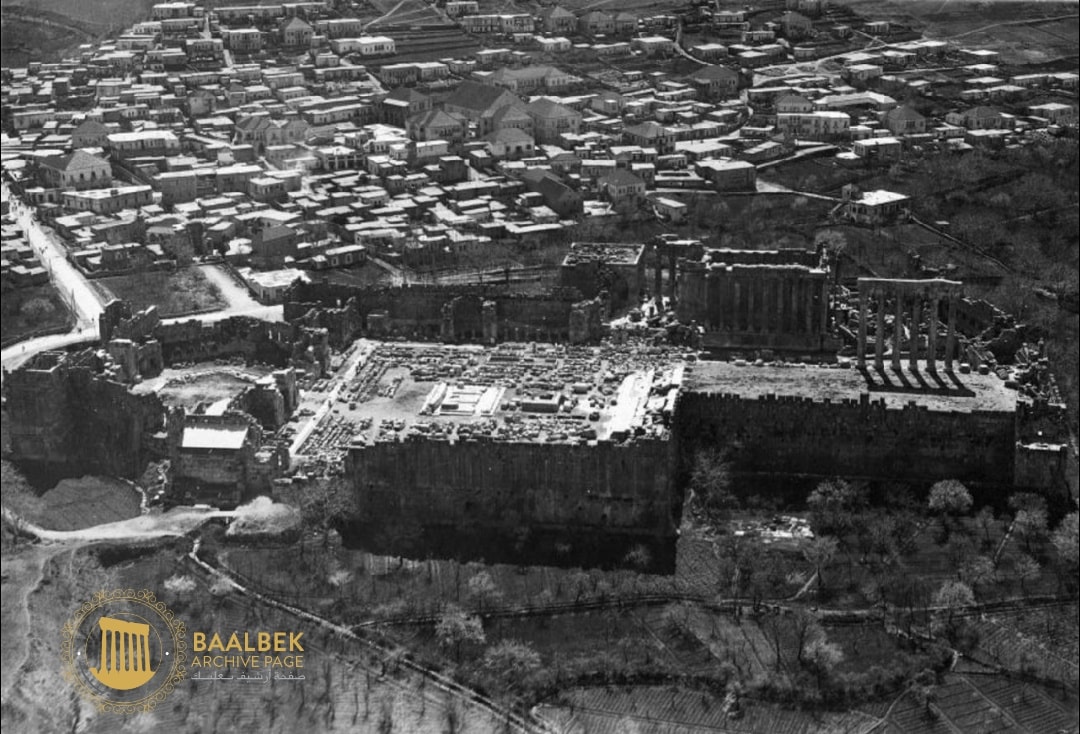
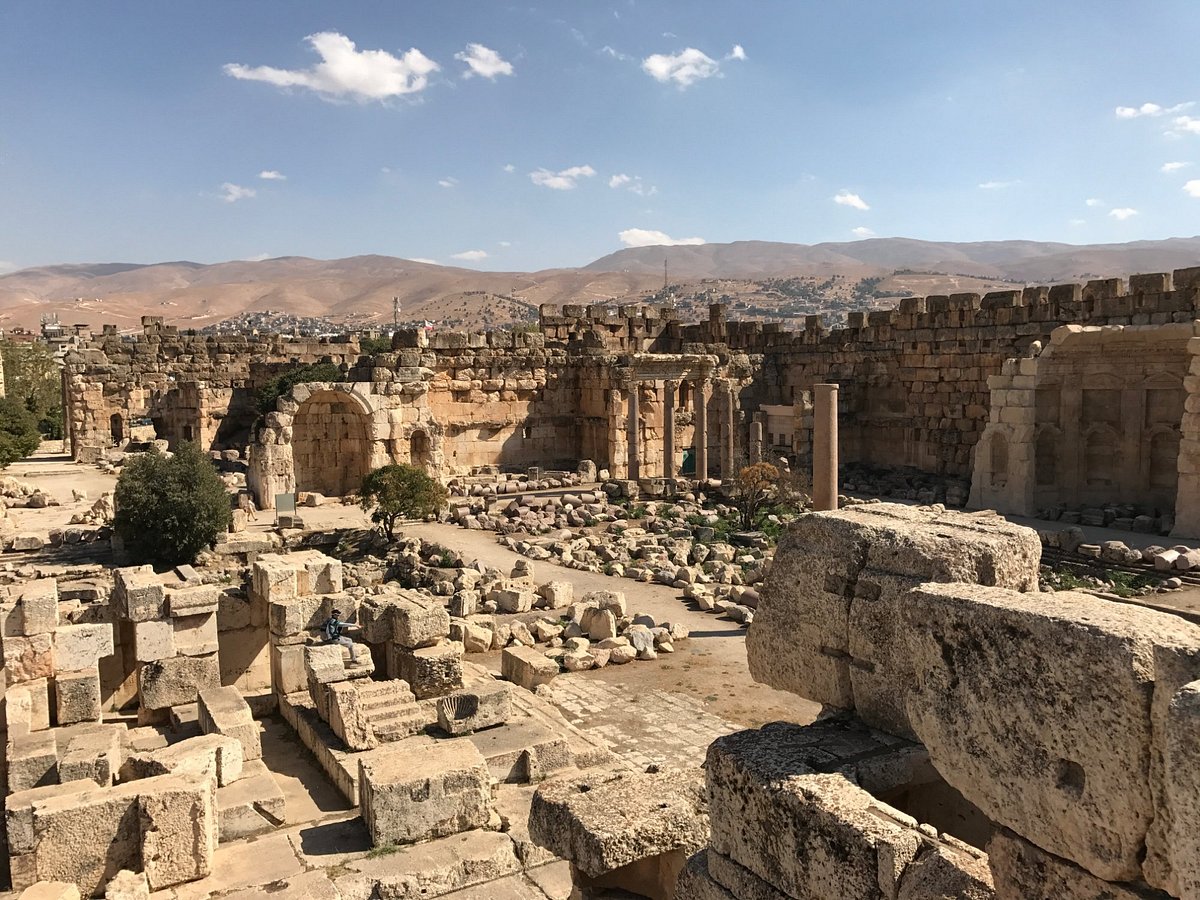
🧵1/7 That "spinning object" got my mind spinning again about Baalbek. I think we in the alt-history community sometimes throw "megalithic" around where it might be applicable. At Baalbek there might need to be a new word like gigalithic or titanolithic. The scale is simply unseen anywhere else on earth. Not the giants at Sacsayhuaman or in Egypt. Baalbek Lebanon was simply built a scale no culture before or after attempted. The issue comes down to "who" and "when" and unfortunately the answers given are unsatisfactory.
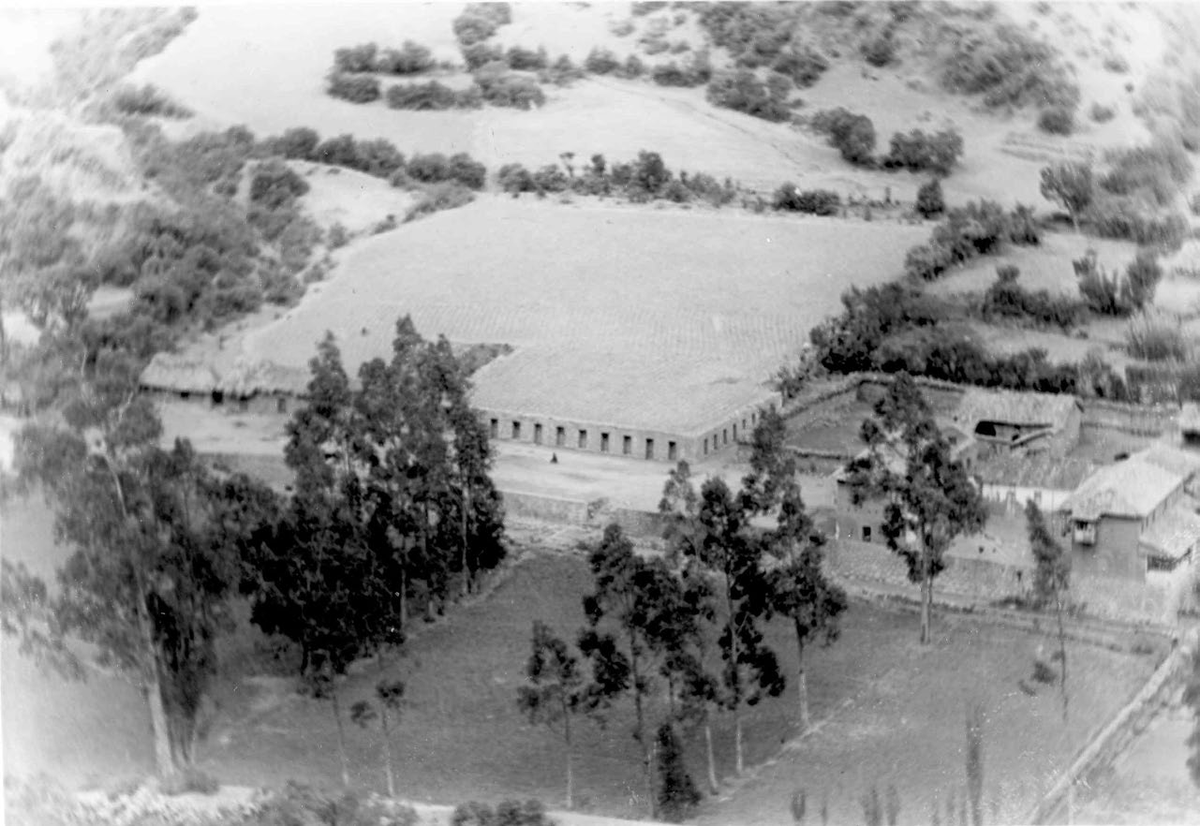
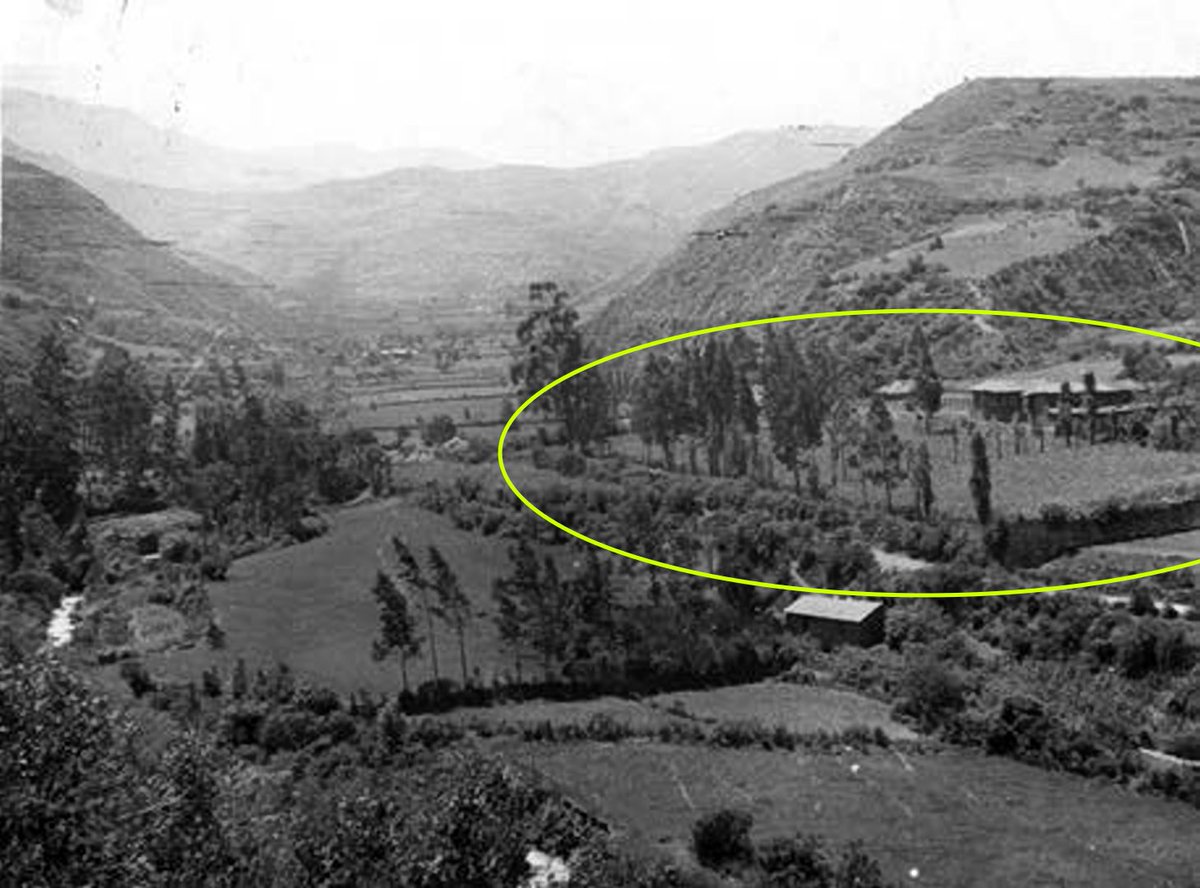
@CassieCMartin@shipibospirit It was very deeply buried 100 years ago. As were most of the sites.
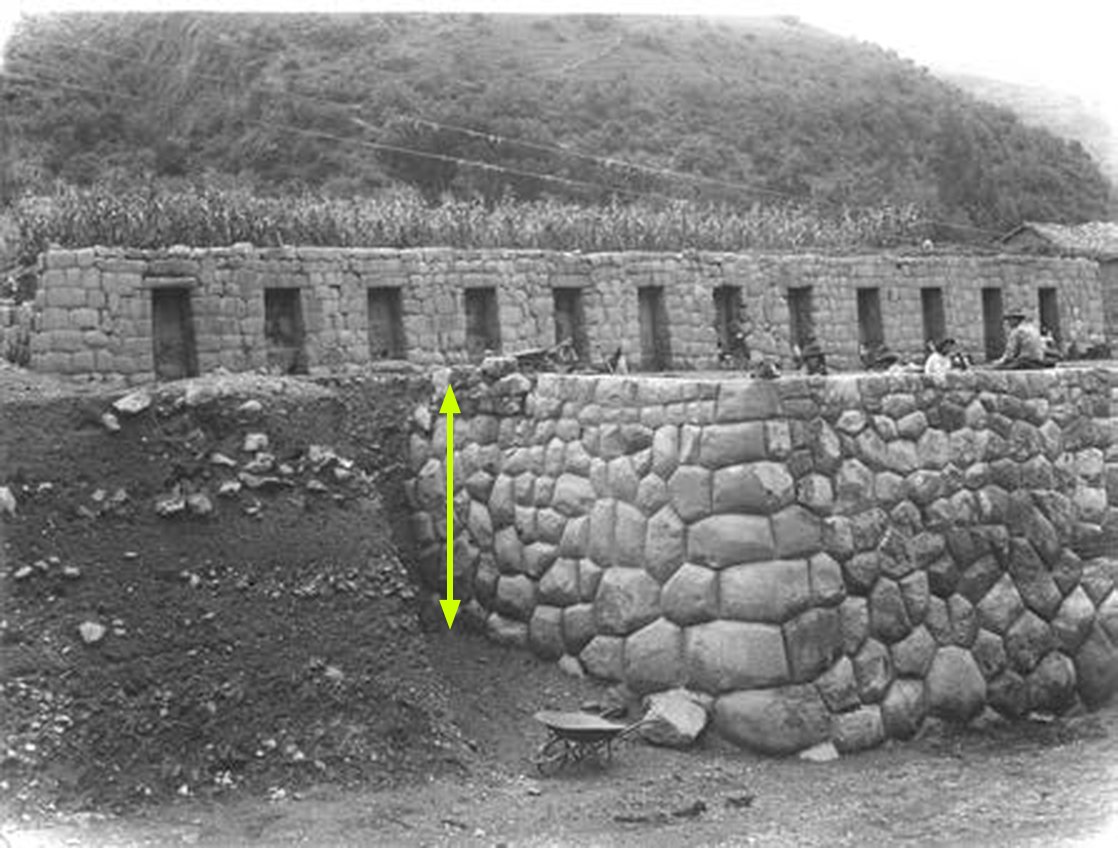
Very hard to explain how that happened in the 400 years since the Inca. If that were true we should now have 1/5th of that soil re-accumulated since the 1930s.
https://t.co/j7vOByS7PD
I wonder what this did to the psyche of the Italians and much of Mediterranean Europe, to live for centuries among the ruins of infrastructure that was impossible to recreate
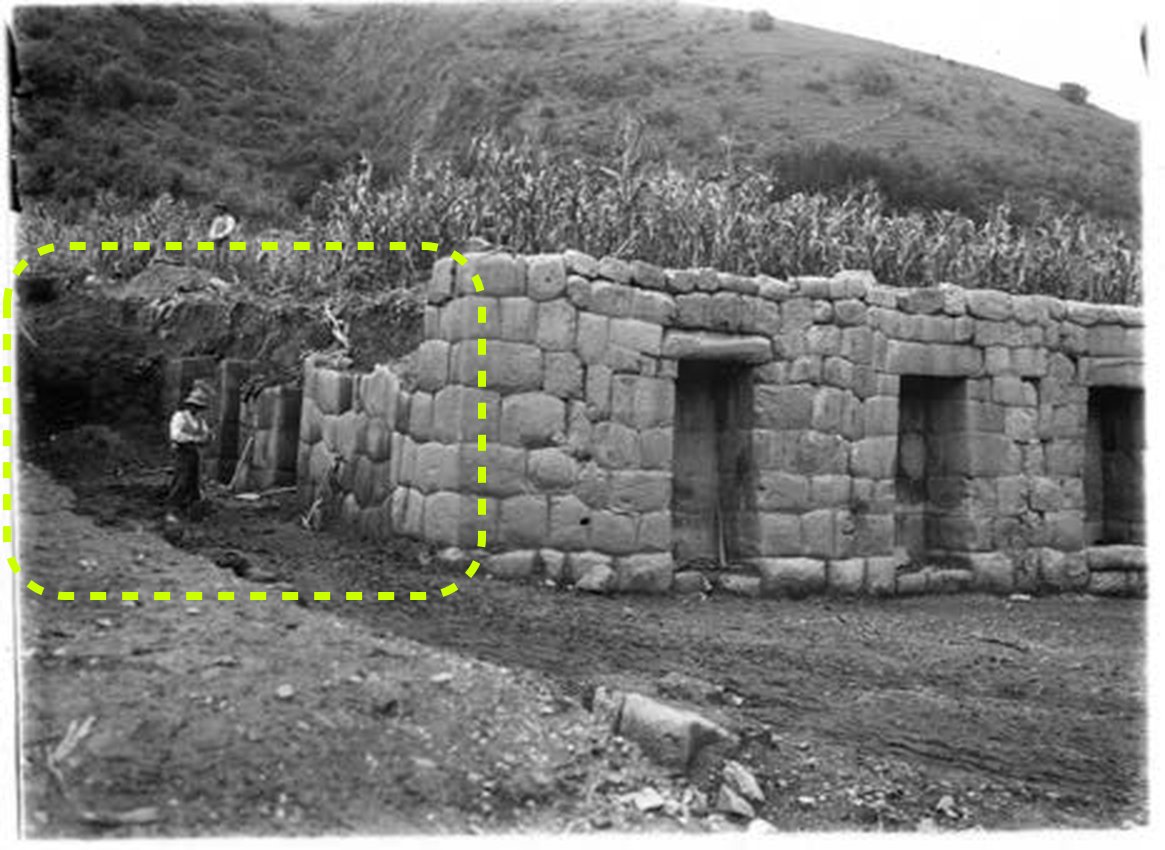
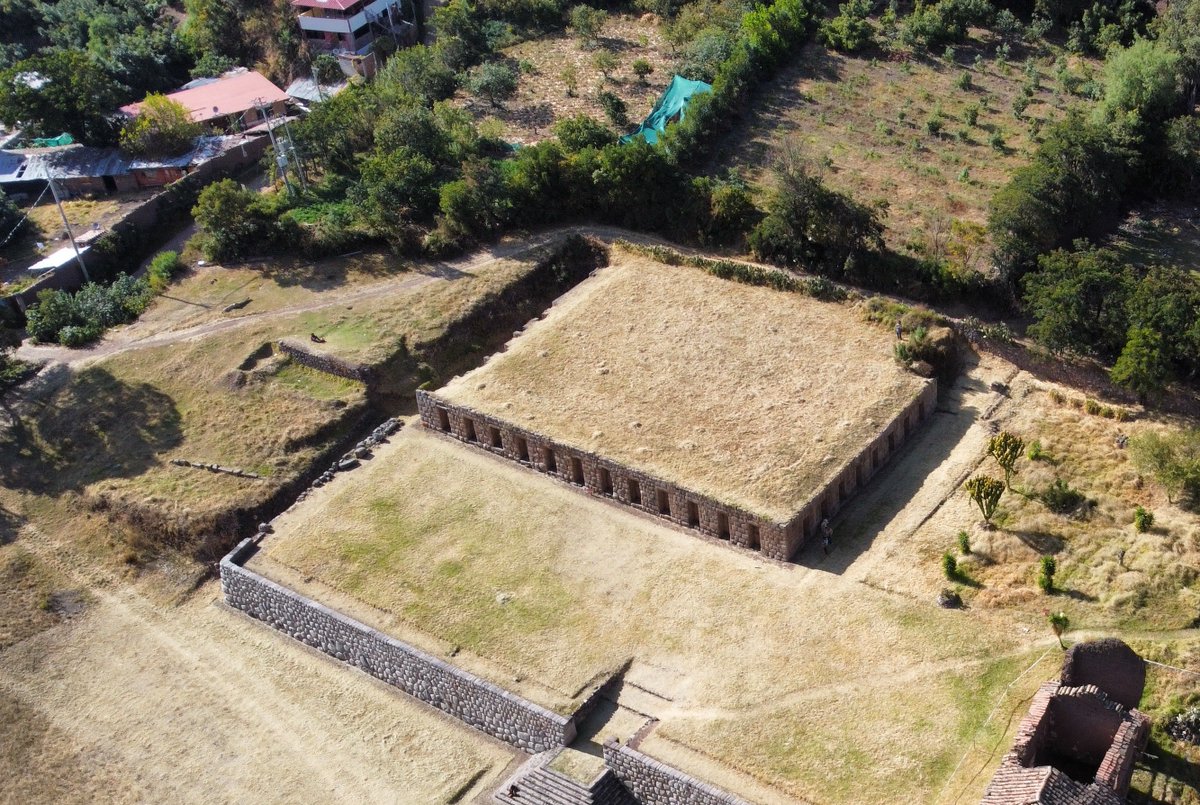
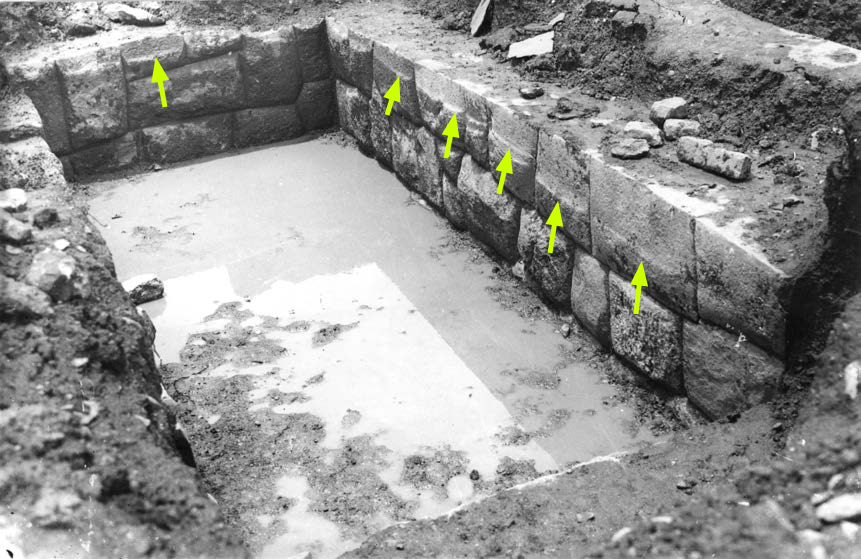
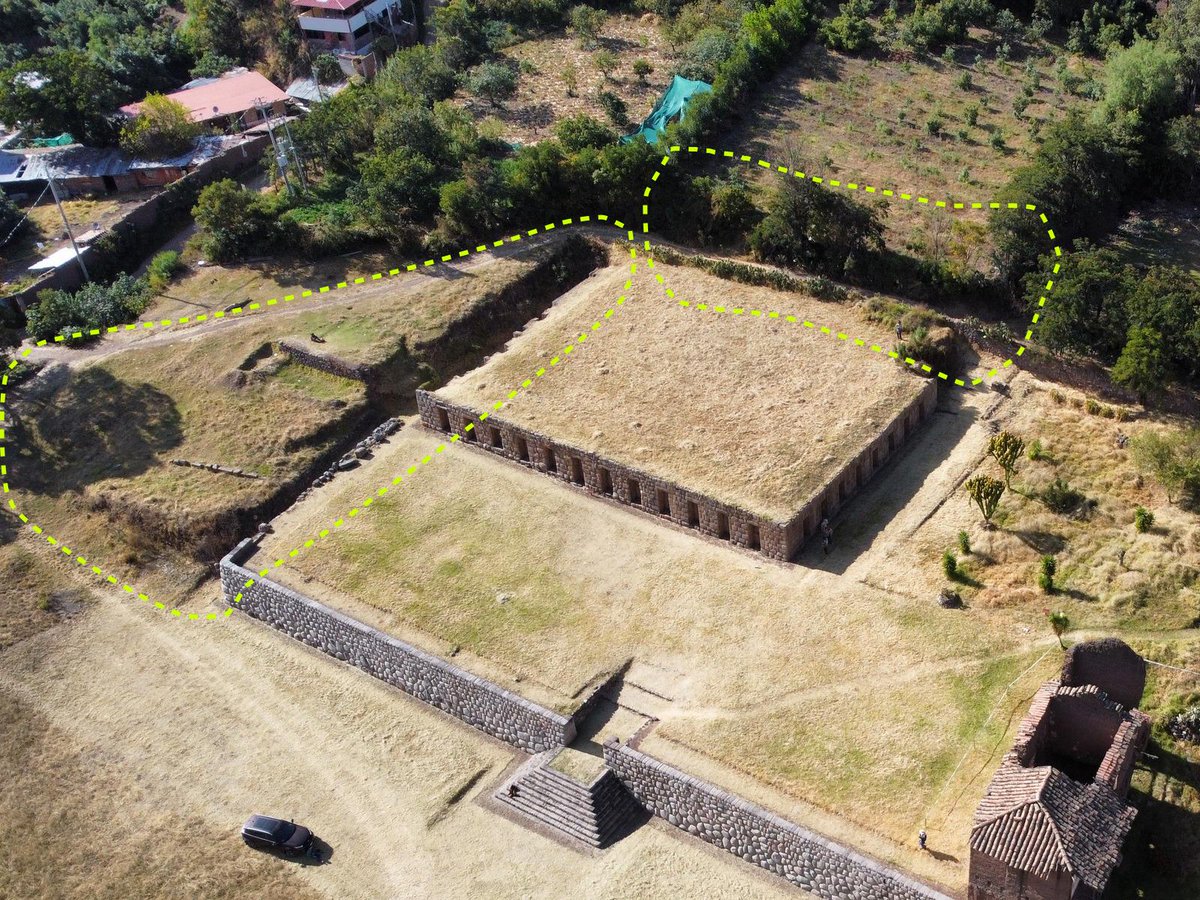
We've looked at the resurfaced stone at Ollantaytambo before. Me and the other 3 of you who actually 👀ed and thought about it.
Here a recap and in the next post I'll show you something at Q'enqo which may be related.
https://t.co/LS7E1ZHKtK
@Dan__Stevens@MarkAntony991@Graham__Hancock Indeed an interesting site, I see 3 different types of construction methods:
1: Unshaped rock bound together by lots of mortar
2: Shaped rocks/debris small in size, sometimes with mortar, sometimes without.
3: Precisely shaped blocks with nubs. Older foundation/recycled sometimes
@MarkAntony991@Dan__Stevens@Graham__Hancock Exactly, it's so obvious as well. Just because some places have 500 year old structures on them doesn't mean there weren't any structures before that time. At St. Michels it's obviously been built on top of the older megalithic walls with nubs on them.
https://t.co/tmjjhsy5fM
Day 8 of the Sacsayhuaman walls excavations.
This is it. The bottom has been reached in all 3 pits.
In the deepest one (first video) the bottom block sits at about 190cm/6.2ft.
Now, the most interesting part can begin — Soil sampling and dating!
Once the analyses have been done, we should finally know when these walls have been built!
Place your bets!