This afternoon we did a special balloon launch ahead of this weekends upcoming forecast. During active weather, our office can launch balloons 4 times a day to ensure high-quality data goes into our national weather models. #ncwx🌧️
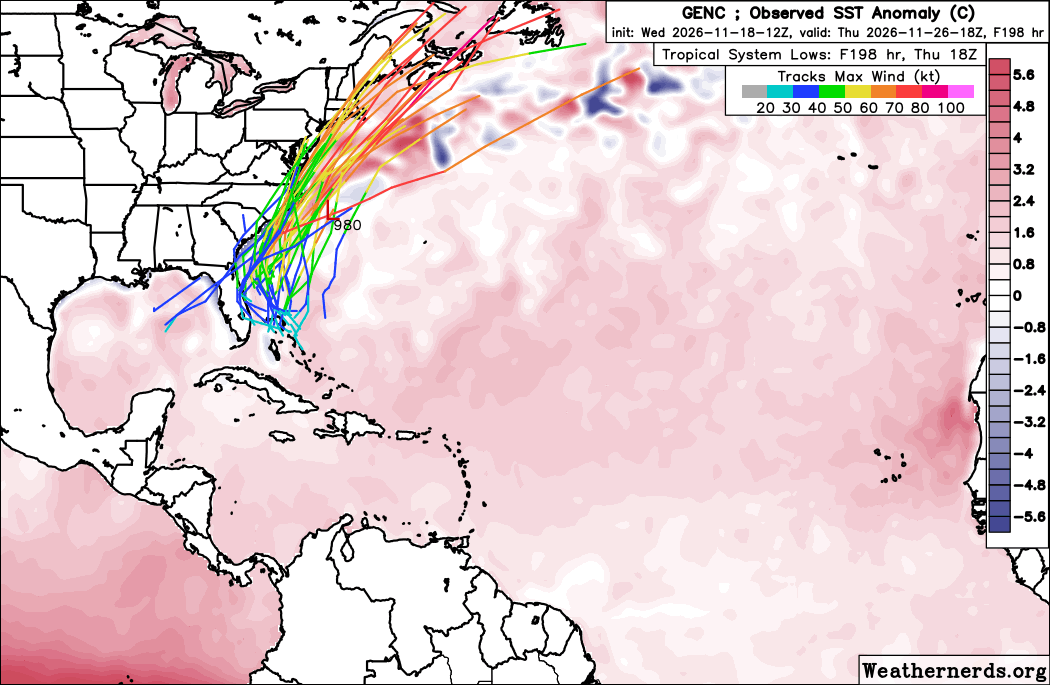
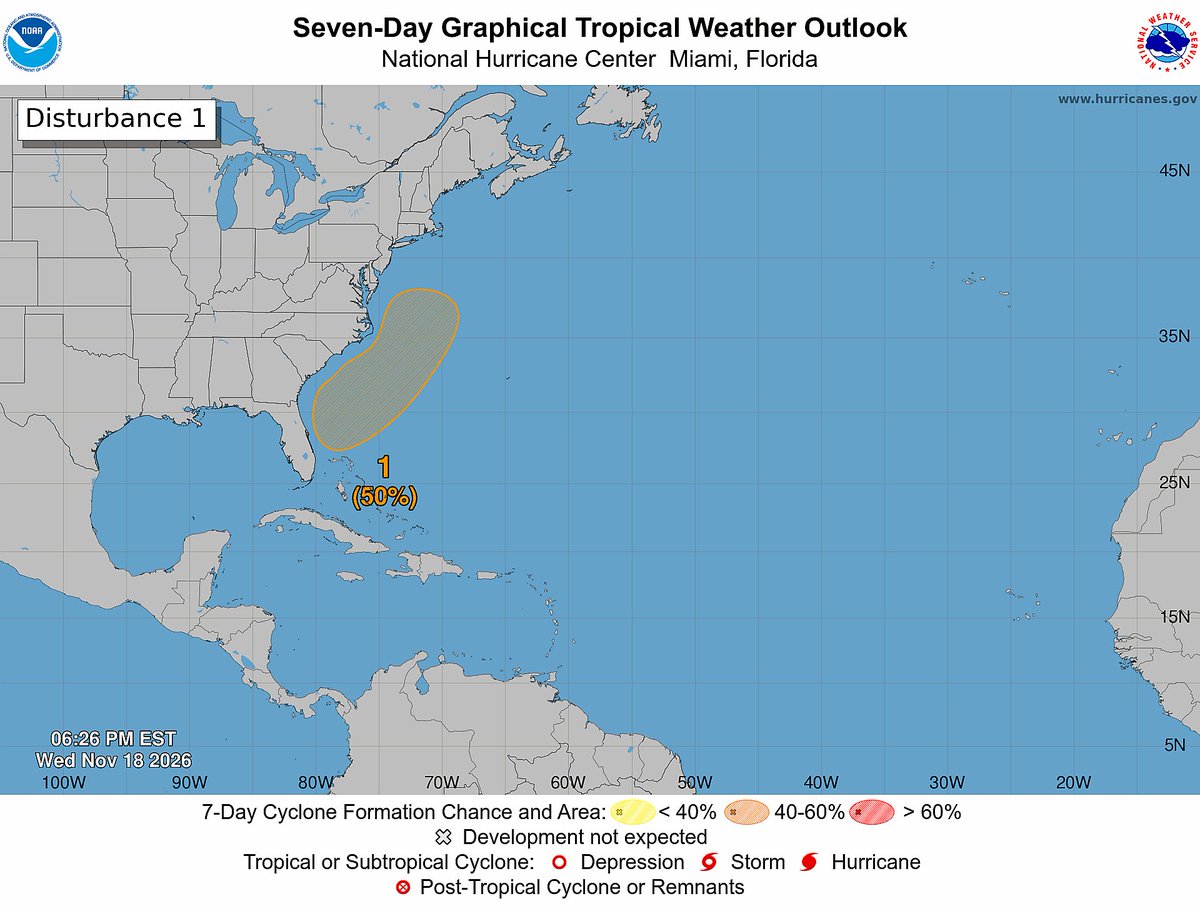
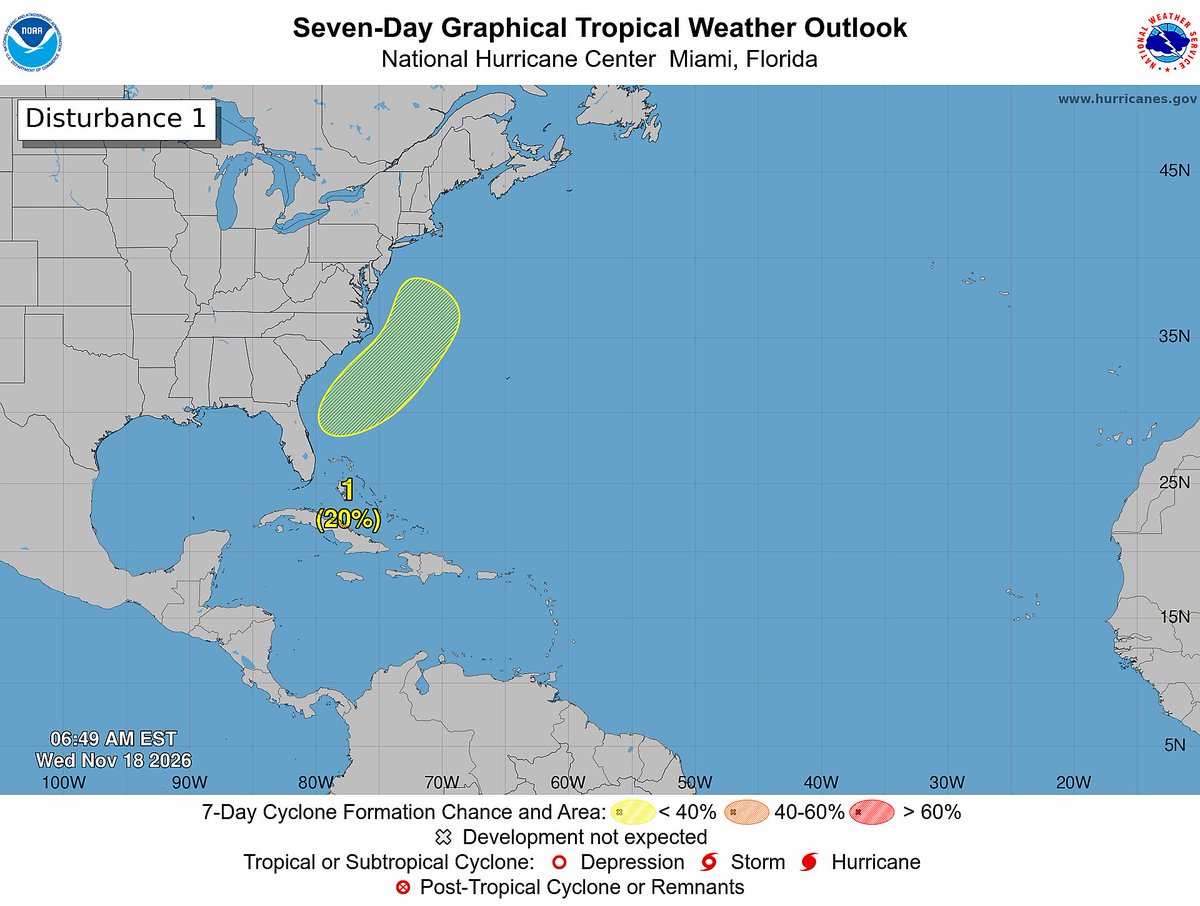
Thu 11/19 - 1pm EST - NHC is monitoring a disturbance off the southeast U.S. coast - there is an increasing risk of impacts along portions of the southeast U.S. coast this weekend. See the Key Messages below.
Meet Jim Cantore (@JimCantore), meteorologist at The Weather Channel and a 2026 Top Weather & Climate Communicator. Honored for reporting from the front lines of major storms. https://t.co/9MveeyYw3P
Follow @bhobservatory to be the first to hear our final honorees on Monday.
#BHOTopCommunicators
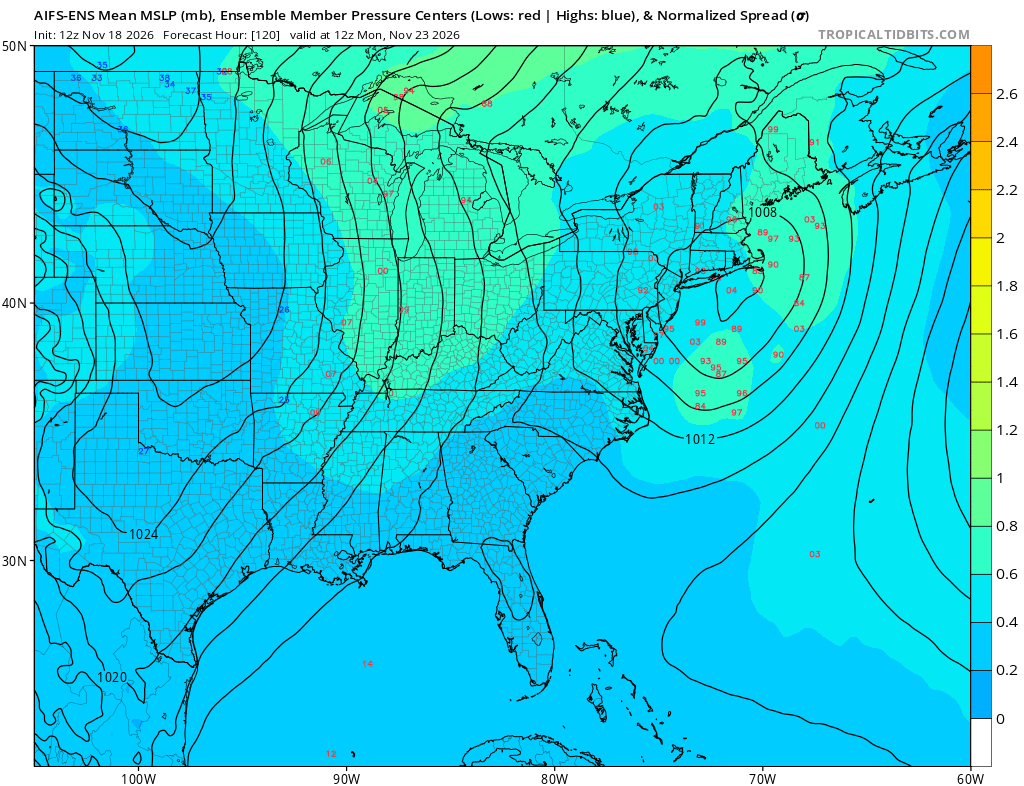
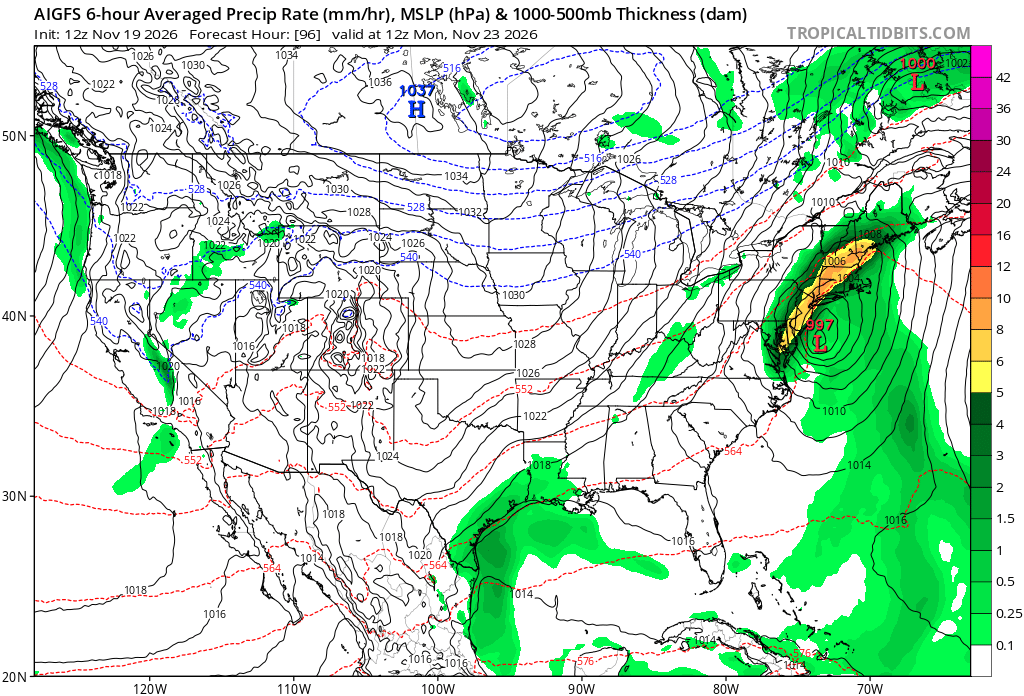
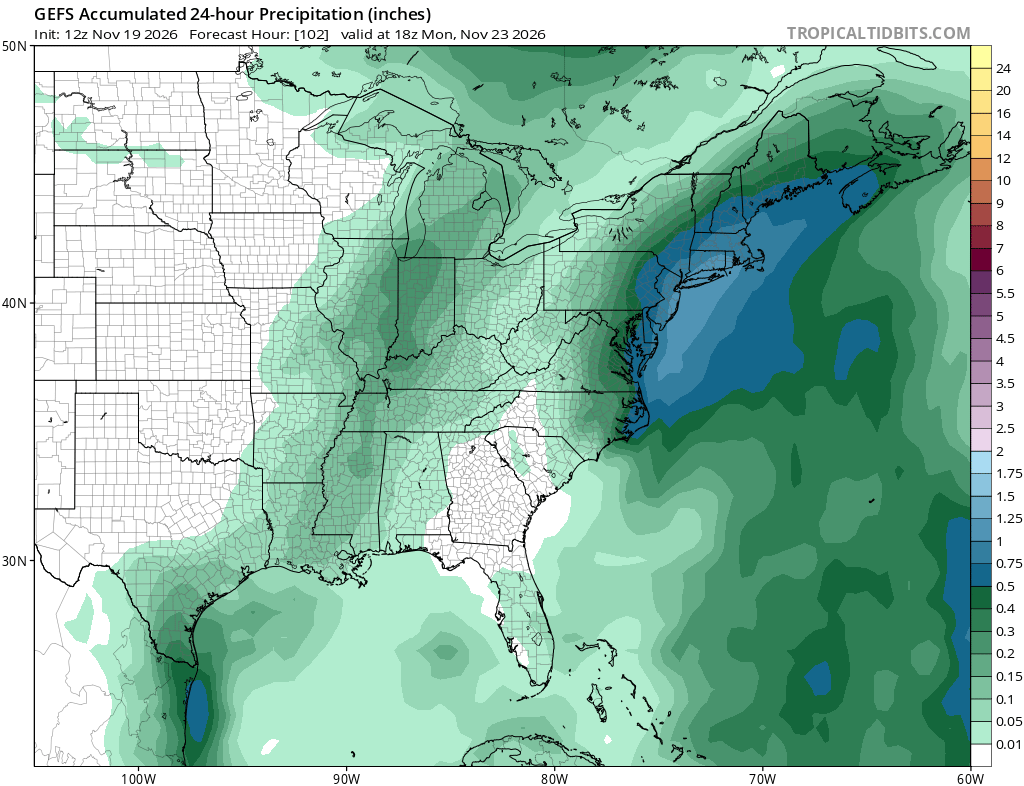
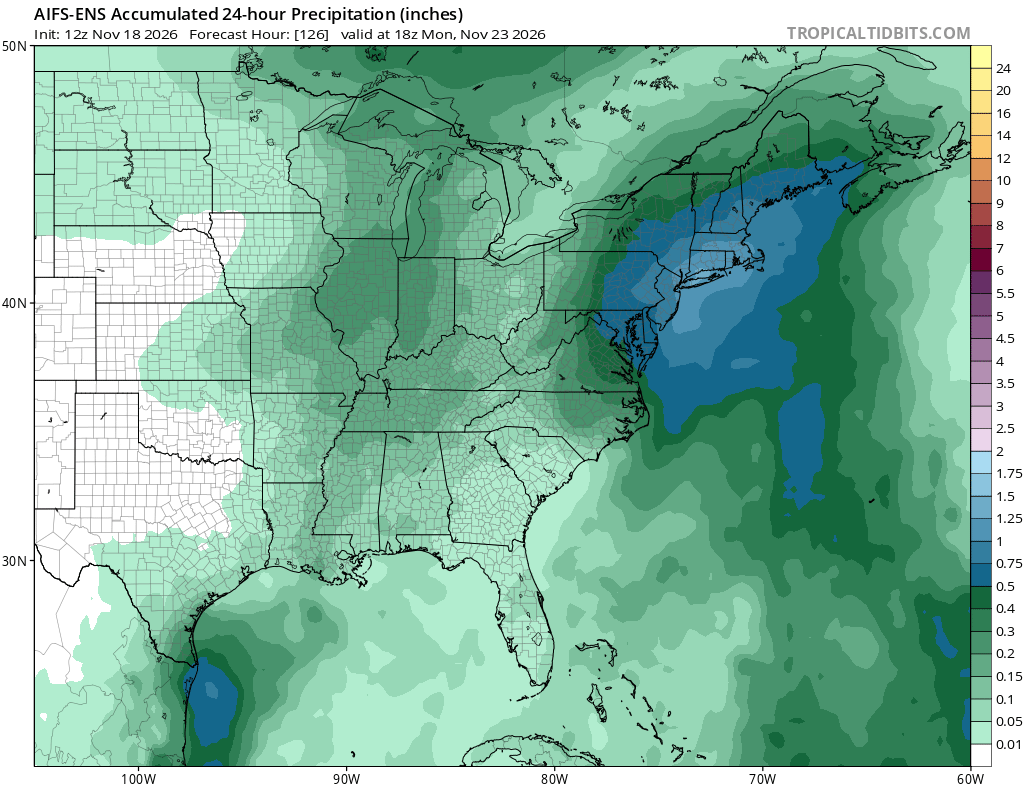
A system with tropical energy working with a cold front along with strong jet stream dynamics (divergence aloft) are known to produce heavy precipitation totals.
#DroughtMonitor 11/17: Improvements in the Far West, Southwest, eastern Montana, and Southern Plains.
Degradations in most states east of the Miss River. Also western Montana, Idaho, and parts of Wyoming.
#Drought2026’s Footprint: 35.1% of the USA https://t.co/6vjmufSaB2 @NOAA
🔴 O: OFFLINE
What did weather observing look like before electricity and computers?
At Blue Hill Observatory, it looked surprisingly familiar!
When observations began in 1885, there were no computers, electronic weather stations, or even electricity in the Observatory building. Electrical wiring wasn't installed until 1912, with the work completed in 1914.
Instead, observers relied on precision instruments, handwritten records, and careful measurements to document the weather atop Great Blue Hill.
And more than 140 years later, some of those traditions remain!
Our mercurial barometers still measure atmospheric pressure without electricity, while mechanical instruments such as our microbarograph trace changes on paper charts. Even today, our observers write down their measurements by hand before entering the information into a computer.
These practices connect today's observations to the generations who came before us and help preserve the continuity of our extraordinary climate record.
As we approach Giving Tuesday on December 1, we're celebrating the tools and traditions that have kept Blue Hill Observatory observing through more than a century of technological change.
❤️ Support the O. Keep the record going; online and offline!
🔗 https://t.co/62vKrTlBFj
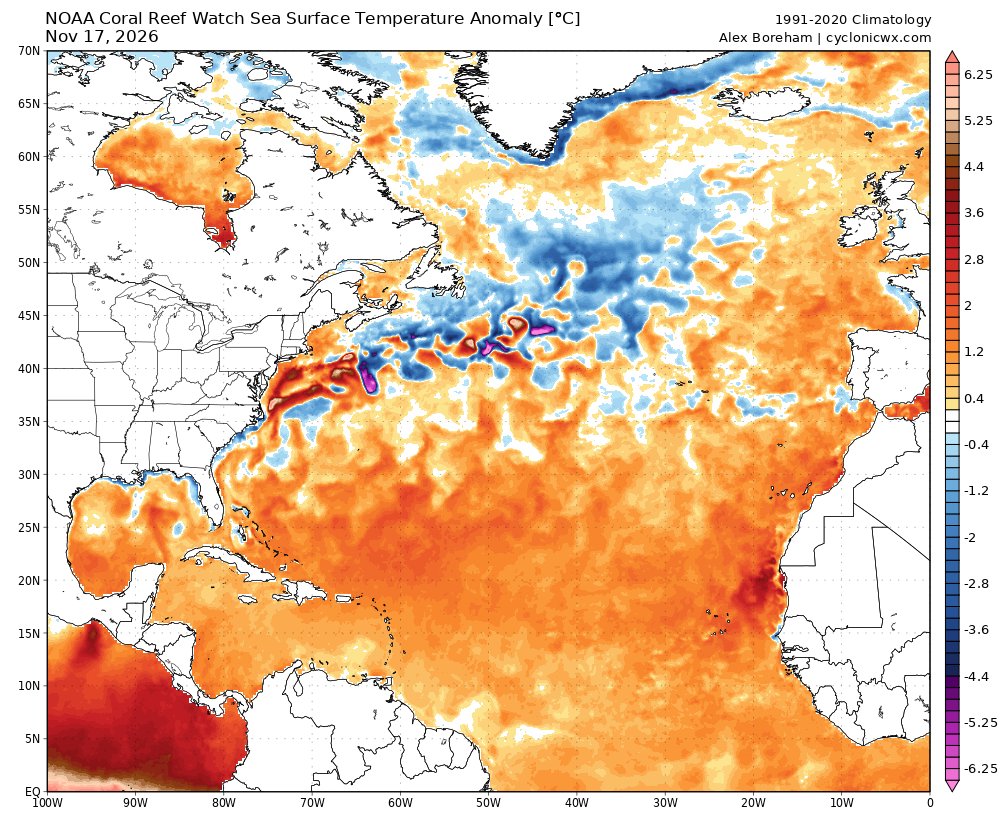
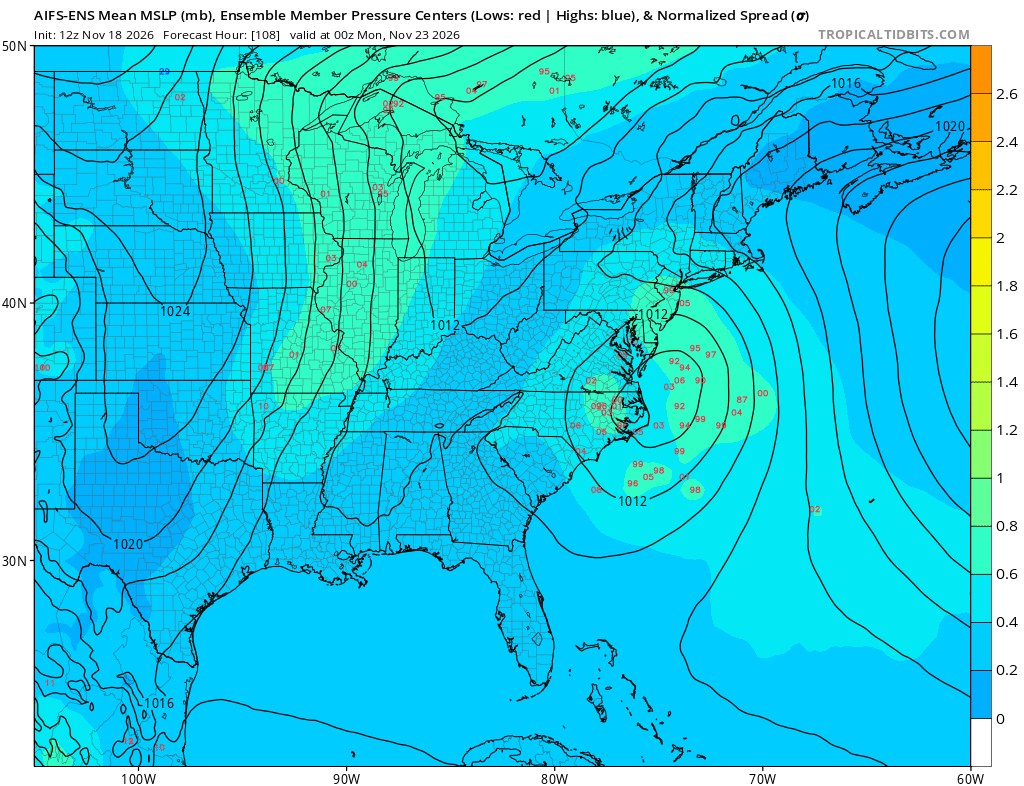
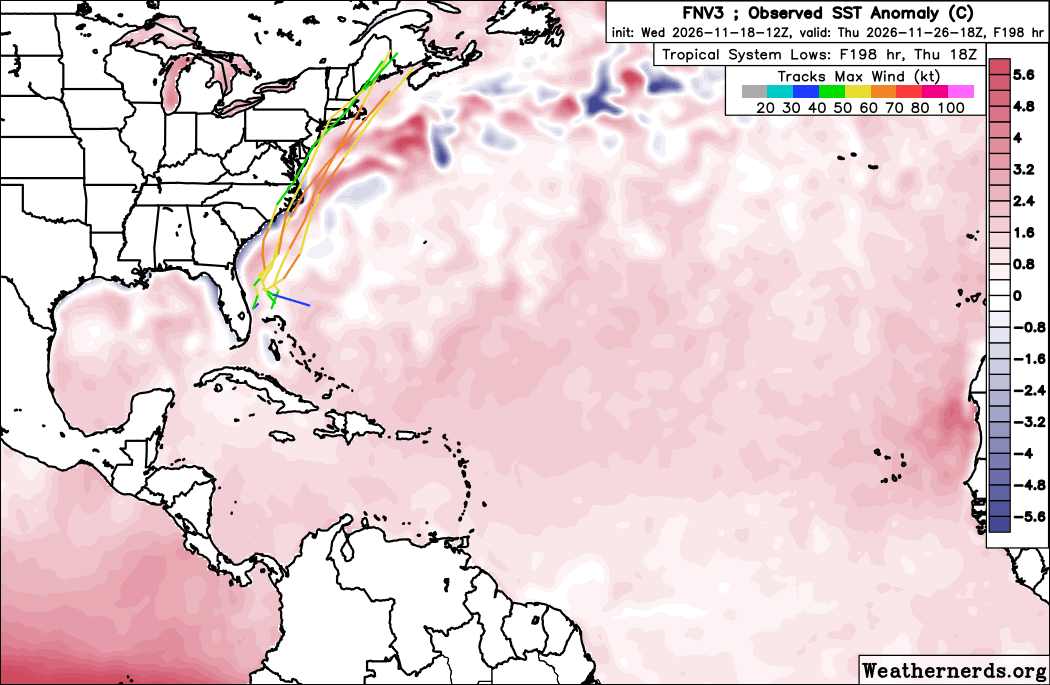
Ocean surface temperatures well above normal in the Gulf Stream with 80 degree water up to the Outer Banks of NC. 70 degree water up to 40N. Very well is enough to get our storm warm core from thunderstorm heat release. Jet Stream dynamics kick in as our storm moves north.
We'll see how strong, where our storm center ends up & if it can become tropical in anyway. Rain; some heavy for much of the east coast through Monday night.
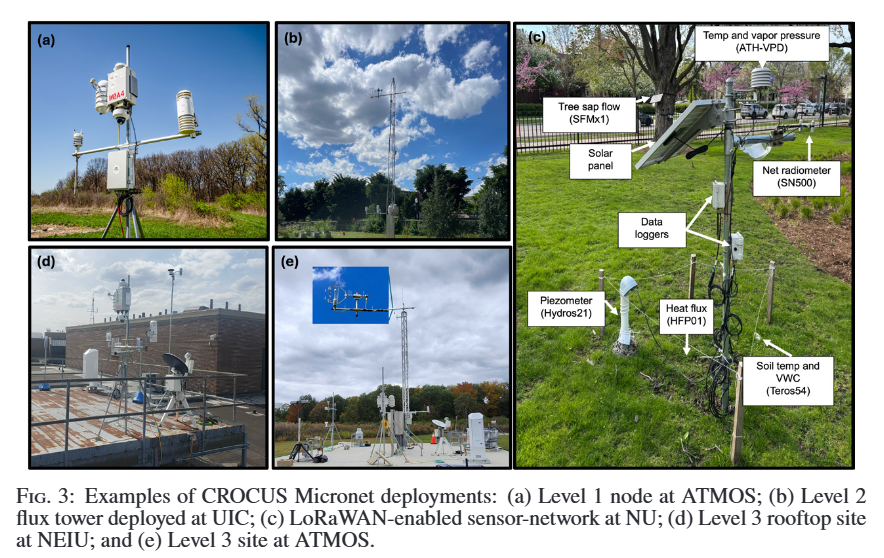
Chicago’s CROCUS network has implemented a new "Micronet" for high-resolution sensing of the urban atmosphere, gaining advanced data from lakefront rooftops, low-rise neighborhoods, and more, outlined in a new #BulletinAMS paper.
Read more: https://t.co/2i1fil6jkb
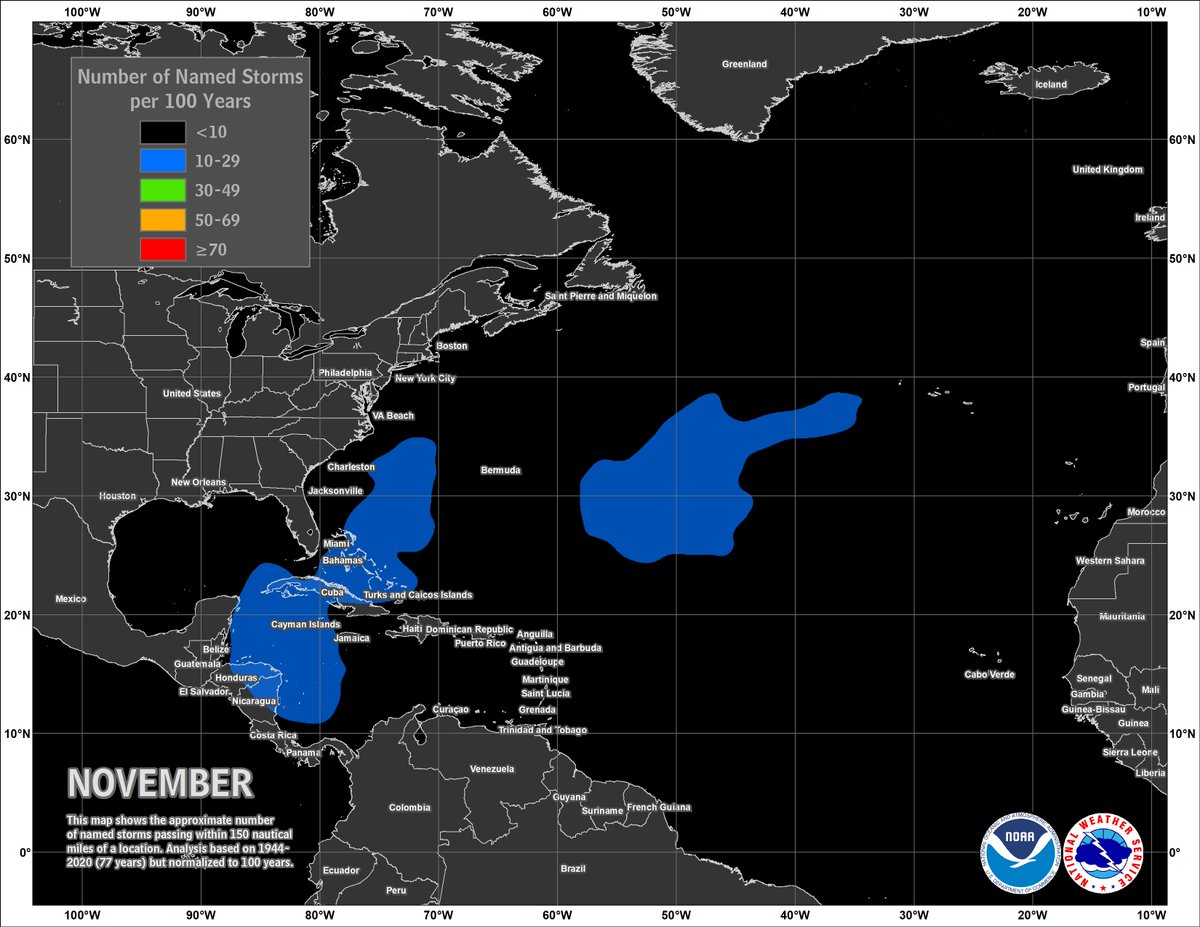
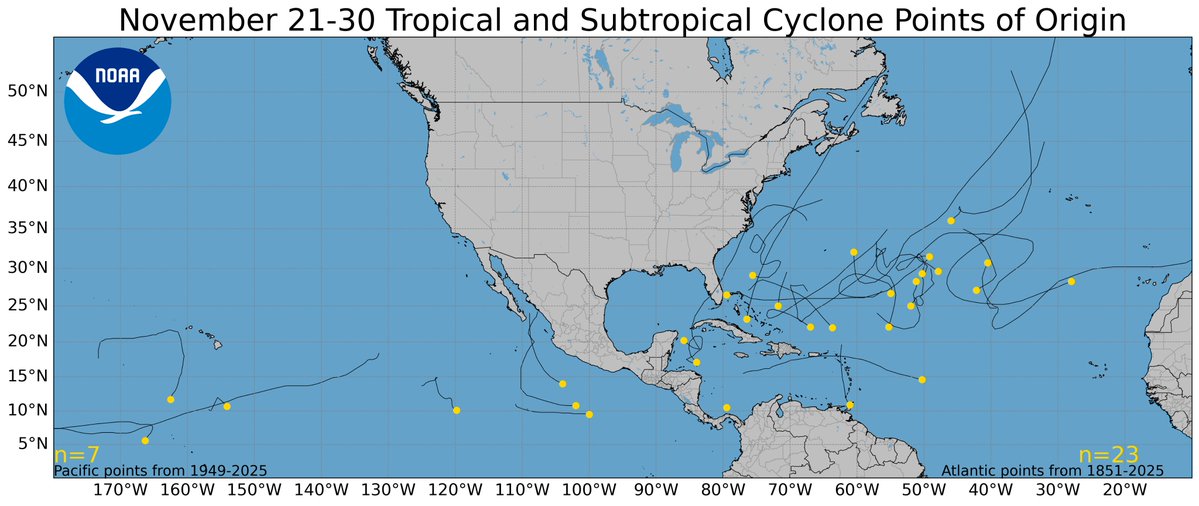
Hurricane season may be winding down, but development of a Subtropical storm is possible off the Southeast coast this weekend. Named or not, strong onshore winds are likely to produce coastal and marine impacts this weekend into early next week. Follow the latest at https://t.co/e2Vkdav5Wu
Boston is always the last holdout being a city right on the water, but it has yet to record a freezing temperature this fall. Earliest chance will be Tue or Wed next week, which gets us into the Top 8 at least for longest wait. My window boxes can confirm the data. #wbz