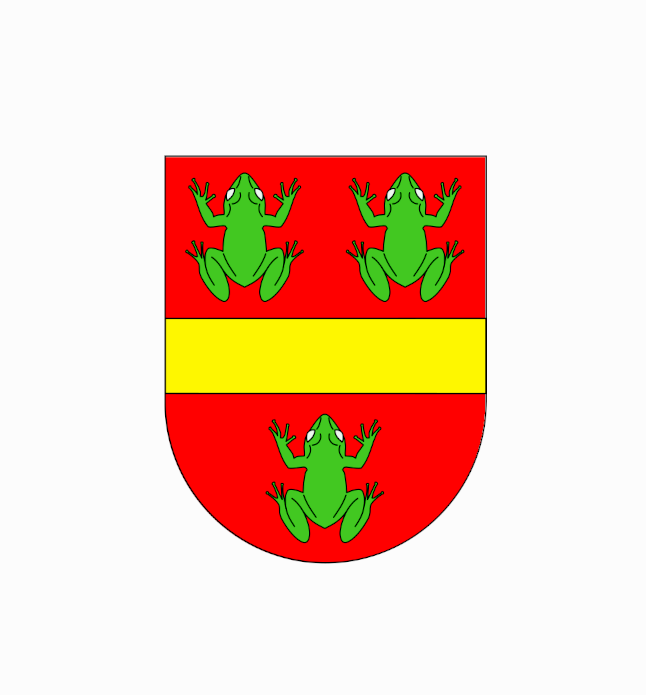
The Saffron Walden Historical Society, founded in 1933, organises eight lectures a year and publishes a magazine, the SWHJ, twice a year. We welcome new members
@ahistoryinart My grandfather, later a bishop, used to visit Millet at Broadway when he was an undergraduate at Oxford about 1902-5 and a guest of the Wedgwoods. Millet used him as the model for his mural 'Rebuking the Chief Justice' in the Essex County Courthouse at Newark, New Jersey.
Gerard Manley Hopkins died #OTD 8 June 1889. He was 44.
'What would the world be,
Once bereft of wet and wildness?
Let them be left,
O let them be left,
Wildness and wet;
Long live the weeds and the wilderness yet.'
From his poem 'Inversnaid', on the Canongate Wall of the Scottish Parliament Building, Edinburgh.
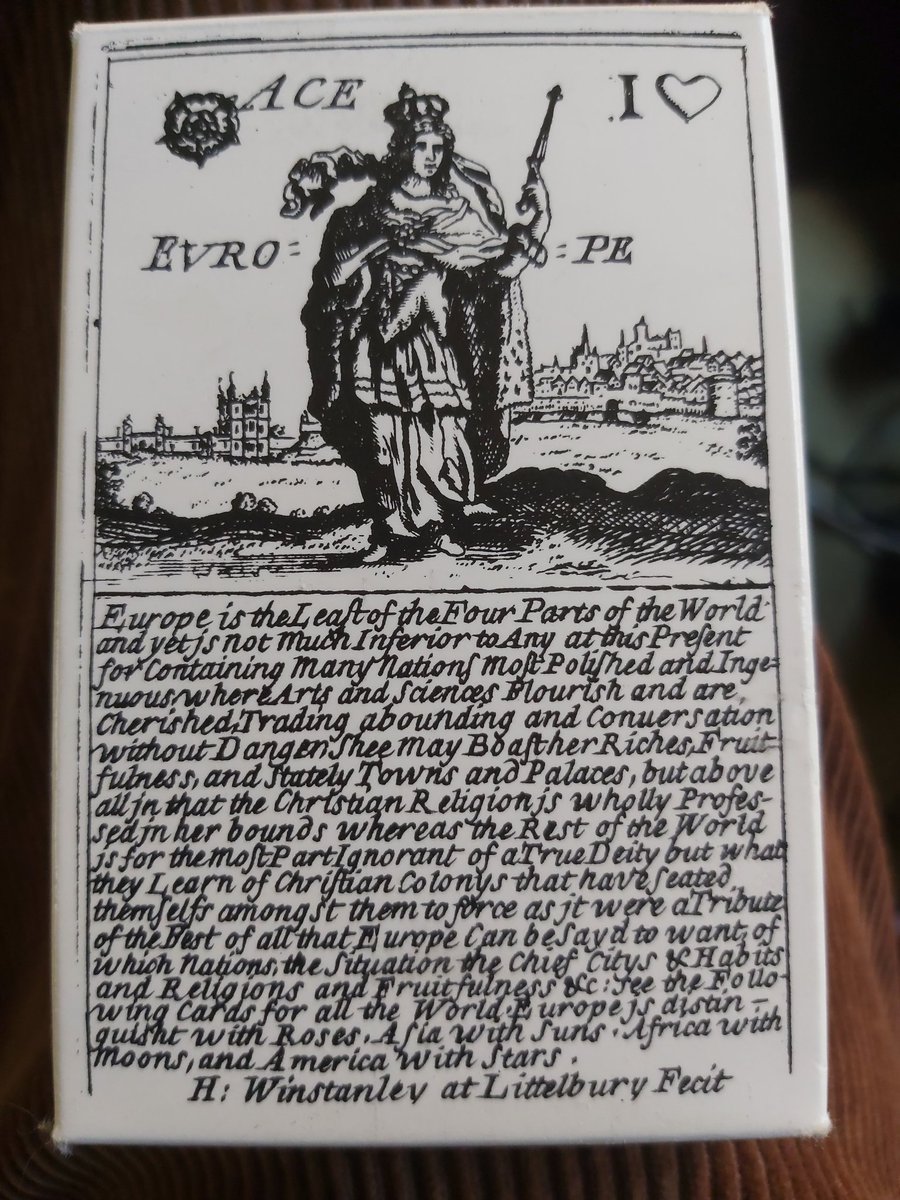
Brilliant as he was, he could be ungenerous and even snide about innovative and daring predecessors like Henry Winstanley of Littlebury who built the first Eddystone lighthouse in the 1690s. The grandfather or stepfather of civil engineering perhaps ...
🧵Born on this day, 8 June in 1724 John Smeaton is often called the "father of civil engineering," He was a pioneering engineer known for his expertise and innovative design principles. From Austhorpe, Leeds, Smeaton showed an early fascination with mechanics. His most
#OTD in 1568, the Counts of Egmont and Horne were executed on the Grand Place in Brussels. They were leading noblemen in the Habsburg Netherlands but were accused and convicted of high treason.
The Saffron Walden Historical Society has announced the relaunch of its long-running Historical Journal, with a redesigned full-colour edition due to return in spring 2026.
Find out more: https://t.co/k2EzKyUB9U
#WeAreLocalHistory#LocalHistoryForAll
Turn to your left and look up the hill to the Quattro Fontane and you'll see Palazzo del Drago, once
home to the British Council, looking down on the crossroads. Unlike the Scots College, relocated but alive, the BC is fast becoming a sad, crumpled memory, eviscerated by boors.
The Saffron Walden Historical Society has announced the relaunch of its long-running Historical Journal, with a redesigned full-colour edition due to return in spring 2026.
Find out more: https://t.co/k2EzKyUB9U
#WeAreLocalHistory#LocalHistoryForAll
A fine 'character' of a puzzling, difficult man. His astrologer-physician brother John married Martha Clampe of Lofts Hall, Elmdon. John, also an intemperate, acrimonious man, died young and (it seems) deliberately intestate, causing long litigation over his widow's provision
I adore C.S. Lewis’s biographical sketch of Spenser’s friend, Gabriel Harvey:
“Of Harvey our materials offer us three pictures. First, we have Spenser’s sonnet, ‘Harvey, the happie above happiest men’. It is a clear and striking portrait of the tranquil spectator in the world’s show, the man detached ‘as if he were God’s spy’. Secondly, we have Harvey as he is revealed in contemporary records or in his own books and letters. This is Nashe’s Harvey, ‘Gorboduc Huddleduddle’; a misfit, arrogant, unclubbable, unpopular, tactless, vindictive, laboriously jocose, a man who feels himself above his profession. ‘I neuer found ani fault with them for duelling in there own stale questions’, he writes; or again, ‘You suppose vs students happye . . . Look them in the face . . . they are the dryest, leanist, ill-favoriddist, abiectist, base-minddist carrions.’ Thirdly (which is rather unfair) we have the secret Harvey, Harvey in solitude, pouring out his thoughts in commonplace book and marginalia. This Harvey sees the world as his oyster and has not the slightest doubt of his ability to open it. He hardly mentions religion; he cares nothing for learning; he abhors the life of a scholar. ‘The foole hideth his Talent. Λαθε βιωσας is a beggarly maxim’ (ignavum praeceptum). Only an ass wastes time on studies that lack ‘sum prospect to actual commodity and praeferment’. A man must be ruthless, practical, realistic. ‘We live in Smith’s commonwealth not More’s Utopia.’ ‘From tablets to meditation, from meditation to action’ is the rule. Fortunately, if one is a great man, one of the megalandri, it is astonishingly easy to arrive. Examples of those who have risen with meteoric speed from obscurity to power are always before his mind: especially Joan of Arc. Fencing, riding, and shooting can each be learned in a week: any art or science in the same time. Every profession or faculty is ‘but a feate and a slight’. ‘Gallant audacity is neuer out of countenance.’ One must become ‘a right fellow to practise in the world, one that knowith fasshions . . . Machiaevel and Aretine knew fasshions’. Machiavel is a ‘principal author’. In every emergency you must ask yourself ‘What would Speculator or Machiavel aduise?’ All this can be reconciled with the Harvey of the records. Putting the two together, we get the tragi-comedy of the man; in dreams a Machiavellian, a ‘politique’ who admires Wolsey and Cromwell; in reality, worsted by every college intrigue. Nothing indeed was less practical than the desperate practicality of his maxims. He was one of those men who are always (in fantasy) surrendering their virtue to glittering temptations which neither their talents nor their circumstances will ever present to them. There remains, on the other side, Spenser’s sonnet. We could, of course, suppose that Spenser (following a precedent then well established in encomiastic verse) hid advice as flattery and recommended virtues by feigning that they already existed. We could, on the other hand, suppose that Spenser was deceived. The Harvey of the sonnet may have been the persona which Harvey presented to his few friends. It would be quite in character that he should laugh away among them the slights and rebuffs at which he writhed when he was alone. But after we have explained the sonnet we still have to explain the friendship that begot it. One would not willingly believe that the man whom Spenser loved was simply Nashe’s Huddleduddle. It is not certain that the marginalia reveal the deepest truth. They may give us only Harvey’s imagination of Harvey, and the real man might be better than that. I am inclined to think that in a tête-à-tête, his watchful inferiority complex lulled asleep, this uncouth creature may have revealed qualities of loyalty and affection. He seems to have been a good brother. And whatever else he may have been, the marginalia (unlike the letters) show that, off his guard, he was not a bore.”
14 May 1538: The Benedictine monastery of Walden near Saffron Walden, #Essex is granted to Lord Chancellor Thomas Audley #otd who built his house Audley End there (PAC) Audley was Thomas More’s ‘reliable’ successor as Chancellor.
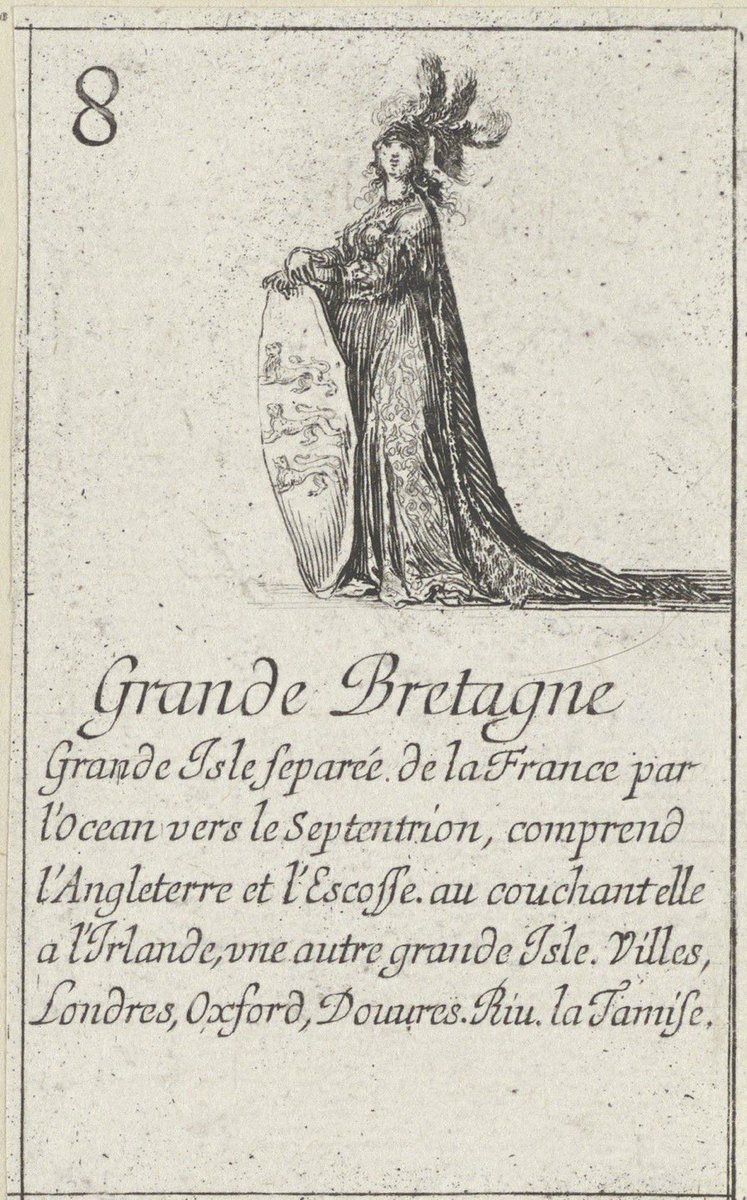
These French mid-century examples of 'educational' card decks lie behind the production of such English cards in the 1670s, of which Henry Winstanley's 'geographical' is a fine and probably the earliest example
This print is part of a 52-card deck of women from countries around the world. Made on behalf of Cardinal Mazarin for the young Louis XIV. Here's 'Grande Bretagne' including "L'Irlande une autre grande Isle" (Rijksmuseum) Louis became king #otd 14 May 1643.
A wonderful church. I love Lovell's peacock, which strongly resembles the plastic helium balloons released at children's parties; and have stopped there two or three times to enjoy it (along with other, weightier features of the church).
The Ascension of Christ into Heaven, in 15th Century glass at East Harling, Norfolk. Mary and the Disciples watch as Christ's nail-scarred feet rise leaving footprints.
Today's the feast of the Ascension, the end of the Easter season after 40 days.
More about East Harling: https://t.co/IwooW3sIOg