@TansuYegen Now take the Chinese Nio on the German autobahn or any highway really, doing 100km/h and take a curve. Let‘s compare then. Chinese cars are shit and they will always be behind German cars. Simple as that.
@DPolGBerlin Mit diesem Beitrag beweisen sie den weit verbreiteten institutionellen Rassismus in ihrer Gewerkschaft und in der Polizei Berlin allgemein. Einfach mal Hausaufgaben machen.
Dearest Mr. Nawfal ..
The claim that "the AfD has completely won over young people and the system has collapsed" is a classic propaganda technique: exaggeration, polarization, and fear. Like Goebbels's "the new generation is with us" rhetoric in the 1930s, the message here is that "Gen Z and everyone between the ages of 30 and 50 are with the AfD, while the elderly still defend the old."
The reality is much more balanced. Politbarometer (October 2025) data is as follows: CDU/CSU 27%, AfD 25%, SPD 15%, Greens 11%, Left Party 10%, and other smaller parties combined 8%. In other words, while the AfD is on the rise, it still doesn't have a sufficient majority to come to power, and in the current political system, no party is willing to form a coalition with the AfD. Simply put: even if it receives 30% of the vote, 70% still belongs to other parties—it's virtually impossible for the AfD to reach power.
Furthermore, it's important to consider the resources used. Names like "IPSA, La Gaceta" are used, but IPSA is a scientific association and does not publish election polls; La Gaceta is a far-right news portal. This is a classic propaganda tactic used to appear credible.
Another propaganda element: generational conflict. Phrases like "Under-60s go AfD / Boomers still hold the line" aim to create an "us"-them divide in society. This reinforces the image of "dissident but modern" among young people and the image of "old-fashioned and resilient" among older people. However, the actual vote distribution does not bear this out; while some young people prefer the AfD, most still belong to other parties.
As a result, the AfD's rise is exaggerated, portraying young people as "completely" captivated, and creating the image of the system's collapse. However, the actual data clearly demonstrates the democratic balance and coalition opportunities in Germany. We need to speak with data, not slogans: 30 + 0 = 30. The remaining 70% still represents democracy and pluralism.
In short: don't be fooled by the propaganda; the picture is always more complex and balanced.
Forsa-Umfrage (21. bis 27. Oktober 2025)
Eine Umfrage von Forsa zur Bundestagswahl, veröffentlicht auf https://t.co/8WQYRY4RRw, zeigt folgende Projektionen (Sonntagsfrage):
CDU/CSU: 32 %
AfD: 26 %
SPD: 15 %
Grüne: 13 %
BSW: 3 %
Linke: 4 %
FDP: 3 %
Ich bin deutscher Staatsbürger. Deutschland ist meine Heimat.
Ich habe ein Buch geschrieben, das mit den Worten „Ich liebe dieses Land“ beginnt und endet. Ich habe für deutsche Unternehmen gearbeitet und ein eigenes Unternehmen gegründet.
/1
Mal eine etwas andere Betrachtung, bevor es morgen wegen des Fußballspiels und der erwarteten hohen Staatsgäste wieder unruhiger wird: Diese aktuelle Wolfsdebatte zeigt auch den gegenwärtigen Zustand der türkischen Bevölkerung in Deutschland und das Verhältnis der deutschen
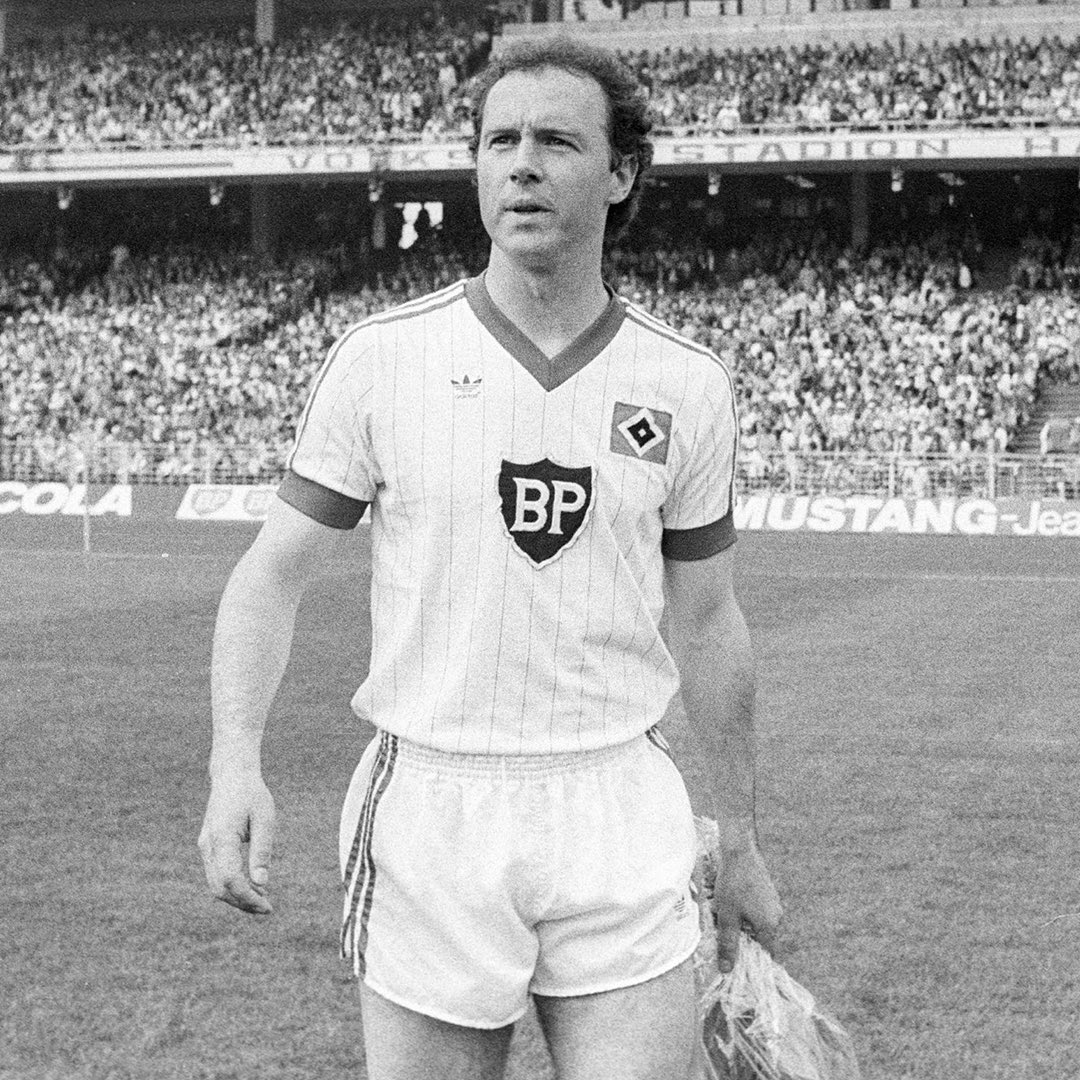
Franz #Beckenbauer ist tot. 🕊️ Die deutsche Fußball-Legende ist im Alter von 78 Jahren verstorben. In Gedanken sind wir bei der Familie und den Angehörigen. Ruhe in Frieden, Kaiser! 🙏🏼
#nurderHSV
@FrankfurtExpat@derJamesJackson This is obviously due to the fact that Sweden has a lot of migrants who can't speak the test language sufficiently -> leaves them out. In Germany, everyone is tested, regardless of whether they manage or not. So national rankings therefore represent an enormous stats distortion.
@FrankfurtExpat@derJamesJackson And this is then compared with each other as if it were the same. E.g. through migrants, the coverage rate in Sweden has fallen by eight points to 86 per cent - in Germany it has risen. The result: Sweden's figures have improved and Germany's have worsened.