Poles are not a tribe. We are a spectre.
Not a people defined by blood, soil, or the borders drawn and redrawn by empires – but something harder to kill. Something that returns.
Think of Dziady. That ancient Slavic ritual, pre-Christian, where the living would call back the dead – not to mourn them, but to feed them, speak with them, settle unfinished accounts. The dead were not gone. They were present, hovering at the threshold, needing to be acknowledged to find peace.
This is not folklore. This is the shape of Polish national consciousness.
Poland has died three times as a state and kept existing anyway. The nation preceded its own institutions, outlived its own erasure, and returned – not as a restoration, but as a haunting. The partitions didn’t destroy Poland; they proved that Poland was never just a state. It was something else. A spectre.
And this is what separates Poland from most European nations: the Polish spirit did not begin with Christianity, with a baptism, with a founding myth handed down by Rome. It was already old when Mieszko I accepted the cross in 966. The Dziady, the rusałki, the ancestors gathered at the threshold – that world existed first. Christianity layered over something that was already there, dense and rooted.
The kultura widm – this culture of ghosts, of return, of the dead who will not stay buried – runs like an underground river through everything: through Mickiewicz, through the Romantics who turned exile into prophecy, through the stubborn, almost irrational refusal to simply stop existing.
Other nations were built. Poland haunts.
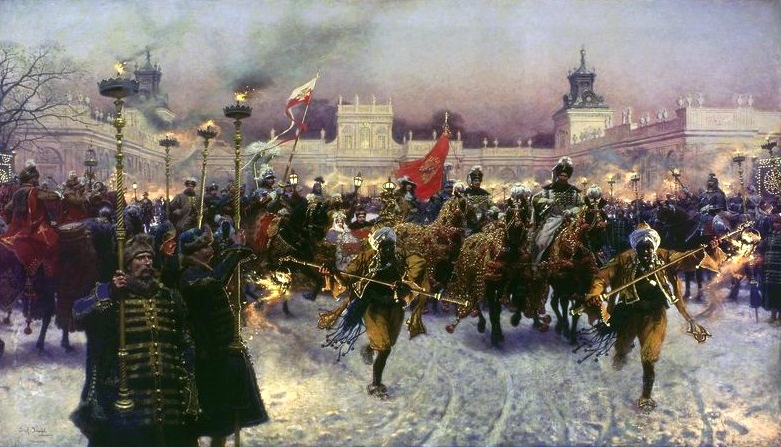
Trudno mi jest wskazać jeden ulubiony obraz mistrza Jóżefa Brandta. Na pewno jest wśród nich "Wyjazd z Wilanowa króla Jana III i Marysieńki" z 1897 roku. Znajduje się w Muzeum Narodowym w Warszawie.
12 czerwca 1915 r. - zmarł Józef Brandt, najwybitniejszy polski malarz batalistyczny.
Ale żeby nie był to tylko wpis wspominkowy:
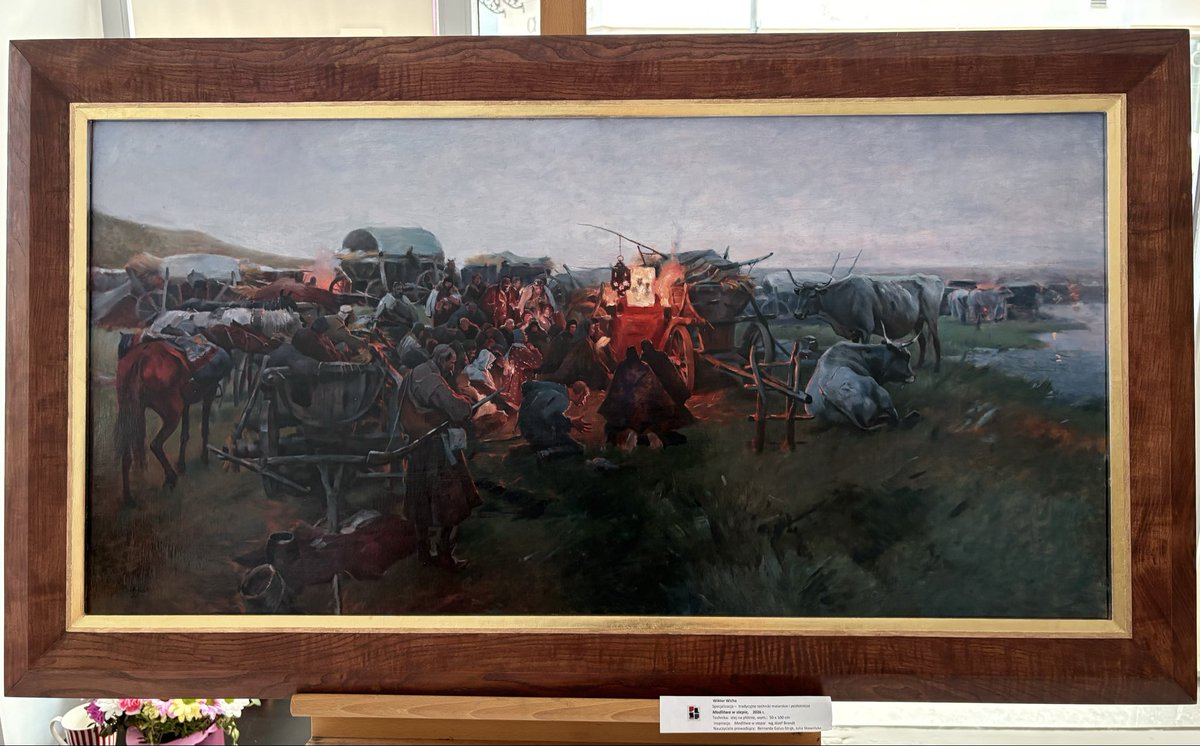
Józef Brandt to malarz, który do tej pory inspiruje nie tylko historyków ale i młodych twórców. Poniżej przykłady prac dyplomowych młodych artystów z Państwowego Liceum Sztuk Plastycznych w Kielcach, którzy naśladują Mistrza.
#EchoHistorii
12,06.1915.roku zmarł Józef Brandt.malarz przedstawiciel nurtu batalistycznego w latach 70. i 80. XIX wieku, lider polskiej kolonii artystycznej w Monachium.
Józef Brandt https://t.co/mw6ibQPD4i
#KotwicaHistorii
12/6/1915. W Radomiu zmarł Józef Brandt, malarz przedstawiciel nurtu batalistycznego w latach 70. i 80. XIX wieku, lider polskiej kolonii artystycznej w Monachium. Jego najbardziej znane dzieła to:„Czarniecki pod Kołdyngą”, „Bitwa pod Chocimiem”,
„Bogurodzica”.
🇵🇱12 czerwca 1915 zmarł Józef Brandt, mistrz, który zatrzymał tamten czas. "Waszemu mistrzostwu i niezrównanemu poczuciu rycerskiego i stepowego życia dawnych Polaków, zawdzięczam niejedno natchnienie, niejeden pomysł i wprost niejedną scenę w mojej Trylogii"/Henryk Sienkiewicz/
"Nie ma sobie równego w odtwarzaniu stepów, koni, zdziczałych dusz stepowych i krwawych scen, które rozgrywały się dawniej na onych pobojowiskach... Czasy zamarłe zmartwychwstają pod jego pędzlem..."
12.06.1915 r. - umiera Józef Brandt herbu Przysługa.
Polak.
Patriota.
Malarz.
#TegoDnia 1915 r. zmarł w Radomiu Józef Brandt, przedstawiciel nurtu batalistycznego w malarstwie polskim drugiej połowy XIX w. W trzeciej ćwierci XIX w. przywódca polskiej kolonii artystycznej w Monachium.
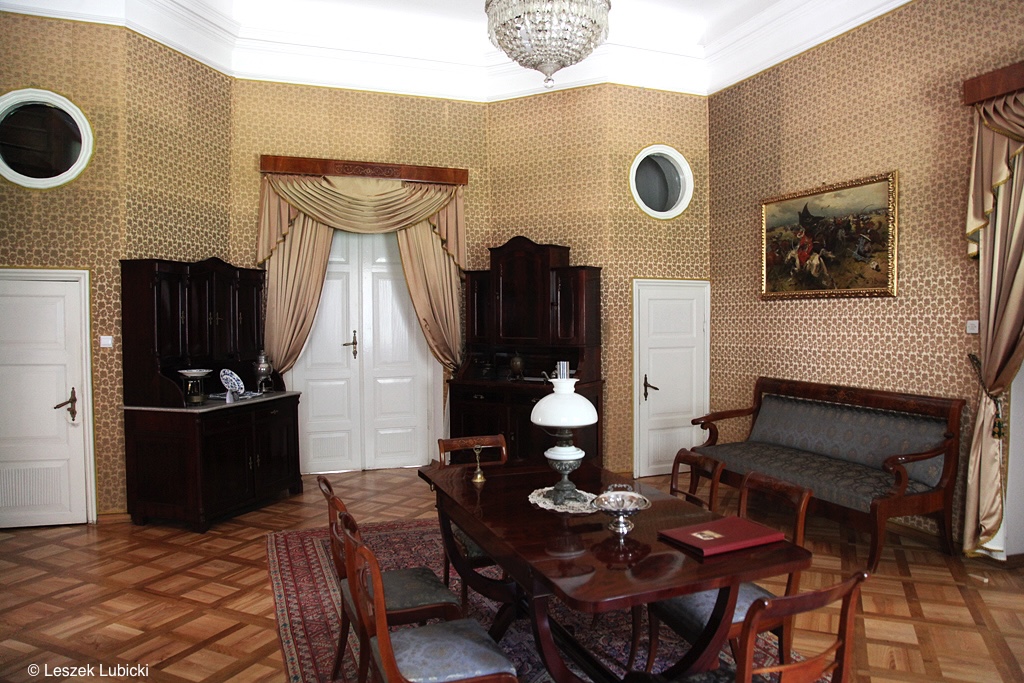
W Orońsku, w Centrum Rzeźby Polskiej, znajduje się muzeum malarza.
111 lat temu w Radomiu zmarł Józef Brandt, malarz, przedstawiciel nurtu batalistycznego, w latach 70. i 80. XIX wieku lider polskiej kolonii artystycznej w Monachium; do jego najbardziej znanych dzieł należy „Czarniecki pod Koldyngą”, „Bitwa pod Chocimem”, „Matka Boska Poczajowska”.
#HusariaHistorii
12.06.1915
Zmarł Józef Brandt - malarz, wybitny przedstawiciel nurtu batalistycznego w malarstwie drugiej połowy XIX w., w latach 70. i 80. przywódca polskiej kolonii artystycznej w Monachium.
Polak z wyboru.👇👇👇
https://t.co/VSLqwB9pAM