Right to repair often comes with a whole host of implications. We sat down with Former FDA Associate Commissioner @PeterPitts and Tech Policy Expert @RoslynLayton to discuss the need to keep medical devices and right to repair separate.
Policymakers should ensure right to repair proposals keep medical devices exempt in order to keep patient safety as a top priority. Without proper safeguards, these policies could unintentionally worsen health outcomes. More: https://t.co/i8PrsKD60v
May is #OlderAmericansMonth
From screenings to chronic care, senior patients rely on medical devices that must be precise, secure & expertly maintained.
Right to repair laws should distinguish consumer products and medical devices.
https://t.co/HjqmfqG98U
Medical devices ≠ phones or laptops.
Repairs require specialized procedures, FDA regulations, calibrated tools & safety checks.
One-size-fits-all right to repair policies ignore this complexity - and will put patients at risk. Medical devices should be excluded.
FDA data: 4,300+ adverse events tied to third-party medical device repairs – including 40 deaths. Expanding right to repair to these devices risks more harm. Patient safety depends on properly regulated, expert servicing.
Standards Save Lives. From design to repair, medical devices must meet strict FDA standards. Those safeguards help ensure safety, reliability, and trust in care, and keep patient safety at the forefront. #NationalHospitalWeek
Medical Devices Require a Higher Standard. Medical devices aren’t like consumer electronics. They require oversight, accountability, and strict safeguards to protect patients. Including them in right to repair jeopardizes the standards that protect patients. #NationalHospitalWeek
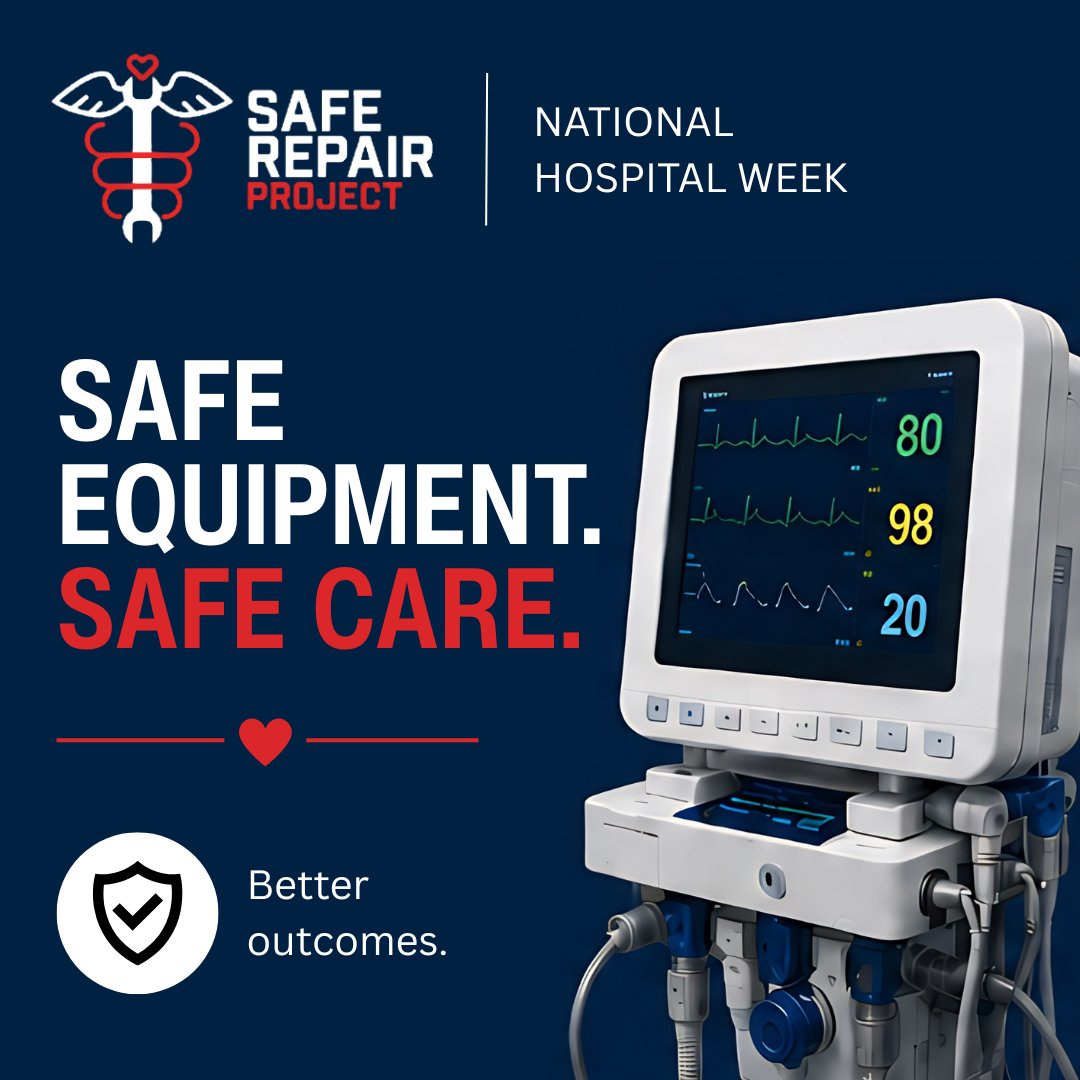
Safe Equipment. Safe Care. Reliable medical devices are essential to patient care and wellbeing. Safe repairs carried out by expertly trained and regulated repairpersons help ensure better outcomes across every hospital. #NationalHospitalWeek
Protect Safe Repairs. Hospitals rely on complex equipment every day to treat patients. Safe, reliable, and regulated repairs help protect patients and maintain high-quality care every patient deserves. #NationalHospitalWeek
Not all repairs are equal. When it comes to medical devices, who does the repair matters. Trained, accountable professionals follow strict standards. Unregulated, third party repairs do not. #NationalHospitalWeek
It’s #PatientExperienceWeek and one thing patients should never have to worry about is whether their medical devices are safe and reliable. As right to repair expands, these devices should stay exempt, because patient safety depends on strict oversight and expert servicing.
https://t.co/VbVSYX0kKQ
On #NationalDoctorsDay, we honor physicians making life-saving decisions. But those decisions rely on medical devices that must always be working in their best condition. Broad right to repair laws risk disrupting that standard and make the case why we need explicit medical device carveouts.
https://t.co/KkwtwokRzG
As right to repair continues its momentum into Q2, policymakers must draw a clear line. Medical devices are complex, life-saving technologies – not everyday electronics - and they should be exempt from right to repair policies to protect patients.
https://t.co/7p9Ziey4vt
Medical devices aren’t consumer electronics — and treating them like they are puts patients at risk.
Thankfully, @RepMGP, @RepJoeMorelle, and @SenatorLujan recognized this by exempting medical devices in their recently introduced Fair Repair Act. Patient safety must come first.
https://t.co/Ec9wi4msHy
New survey with @patientsrising : 94% of patients support stricter oversight for medical device repairs — and would trust a device less if repaired outside proper oversight. Pacemakers & infusion pumps aren’t laptops. #RightToRepair laws need clear carveouts to protect patient safety.
https://t.co/JfzD9BuMXP
Patients who rely on life-sustaining medical devices can’t afford repair mistakes. Medical devices must be exempt from broad right to repair laws to protect oversight, safety, and accountability. @PatientsRising member Jenny Jones shares why these protections matter: https://t.co/OXXxsJRy63
On #WorldCancerDay, we’re reminded that cancer care relies on complex medical devices. Safe, qualified repairs are essential to ensure patients get accurate diagnoses and effective treatment.
In healthcare, repair is never just technical – it’s personal. Medical devices play a direct role in diagnosis and treatment, which is why safe repair standards, qualified servicers, and strong oversight matter when it matters most.
Right to repair debates in the military underscore a key point: repair policy isn’t one-size-fits-all. In healthcare, the complexity of medical devices demands a safety-first approach to patient care.
On #DataPrivacyDay, it’s important to remember that many medical devices are interconnected technologies. Safe repair helps protect patient data and system security.