Tow truck drivers face serious roadside hazards, a new safety alert warns. The guidance highlights common risks and steps to help prevent injuries and fatalities.
🔗 https://t.co/L6Cr63zJmD
Follow us for more safety news like this!
A fatal blast in 2024 is still shaping safety conversations today.
The Chemical Safety Board’s final report renews attention on equipment limitations – and what can happen when those limits aren’t fully understood.
🔗 https://t.co/cEtwgqSglg
Think your boss is toxic? You’re not alone.
A new survey finds most workers believe they report to a toxic manager – highlighting how leadership behavior can directly shape safety, trust and retention.
🔗 https://t.co/tpKPKF9CmS
What happens when federal safety enforcement pulls back?
The next free S+H webinar looks at how employers can respond when OSHA enforcement steps back, including what still applies, what may shift and where responsibility ultimately sits.
Register now: https://t.co/tblI1sROCL
The EPA and its administrator are being sued over a missed asbestos deadline.
A coalition of organizations says the agency failed to follow through on a legal requirement – and is now taking action.
🔗 Full details here: https://t.co/YwBUOJE8o1
Vermont just became the first U.S. state to ban paraquat. The decision could reshape how one of agriculture’s most widely used – and controversial – herbicides is regulated nationwide.
🔗 Full details here: https://t.co/vQpIX4ZmsC
We’re kicking off #NationalSafetyMonth by focusing on the people behind the work.
In our latest My Story, Angel Jimenez shares how he got into safety – and the experiences that have shaped his perspective along the way.
🔗 https://t.co/X7FpcXZYVg
A quick scroll at a stoplight. Voice-to-text to “stay safer.” Hands-free so it’s “legal.” These assumptions are everywhere – and they’re mostly wrong.
🔗 This breakdown from the latest edition of Safety+Health separates myths from reality:
https://t.co/oXNeIM3oBK
The U.S. Department of Transportation has clarified that medical marijuana remains prohibited for safety-sensitive workers – including truck drivers, pilots and other regulated roles.
🔗 More details here: https://t.co/vKwc4yUM9c
We often assume that bigger budgets lead to safer workplaces. But many of the most effective safety gains require little to no spend.
In this feature, safety pros share practical, low- and no-cost ways they’re reducing risk every day: https://t.co/BVgtD2VUZI
June marks 30 years of National Safety Month. This year’s themes continue that focus, covering areas such as advancing safety, roadway safety, holistic worker health and preventing slips, trips and falls.
🔗 https://t.co/bRQ00ygr10
A House bill would reduce the Chemical Safety Board funding by more than 40%, raising questions about the agency's ability to continue investigating major chemical incidents and sharing safety recommendations.
🔗 https://t.co/t5SkUfHuZp
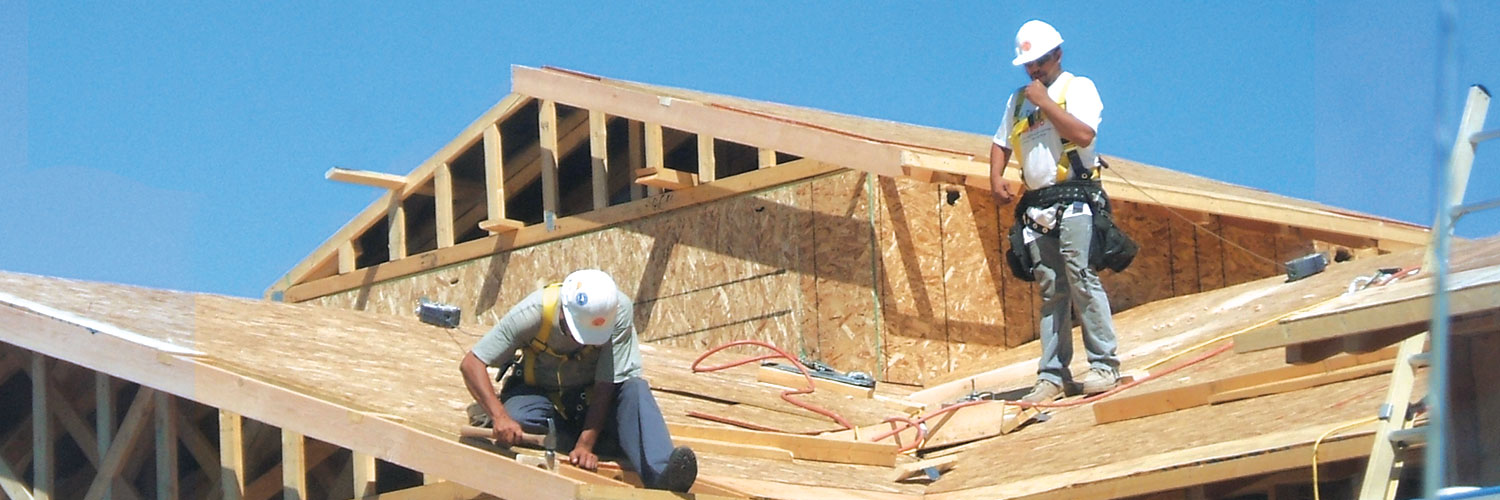
Rooftop fall protection requirements can be more complex than they appear. In our next free webinar, you’ll hear from a rooftop safety expert who breaks down OSHA’s standards – and what they mean in practice.
🔗 Register now: https://t.co/jfuy7oQKaQ
Safety looks different when your teams aren’t in one place. The June issue of Safety+Health takes a closer look, with the tips and insights you count on each month.
🔗 https://t.co/Fbtd3sg0J5
We know what silica exposure does. We know how to limit it. So why is the standard for miners still in limbo?
At a recent House hearing, a workers’ advocate called for the MSHA silica rule to move forward.
🔗 https://t.co/fiuHBPh1CK
During OSHA’s HazCom transition, the same chemical may have different classifications at the same site – creating new challenges for safety teams.
🔗 Find out how to manage the confusion: https://t.co/LcQrgp4Y71
The hardest part of working from home isn’t the work – it’s the quiet disconnection that creeps in over time. In remote environments, connection isn’t automatic. It has to be intentional.
🔗 Learn more: https://t.co/cUoZOVMSR5
New York construction remains one of the most dangerous industries in the state, according to the New York Committee for Occupational Safety and Health’s annual report on construction worker deaths.
🔗 https://t.co/7zpQscFZjk
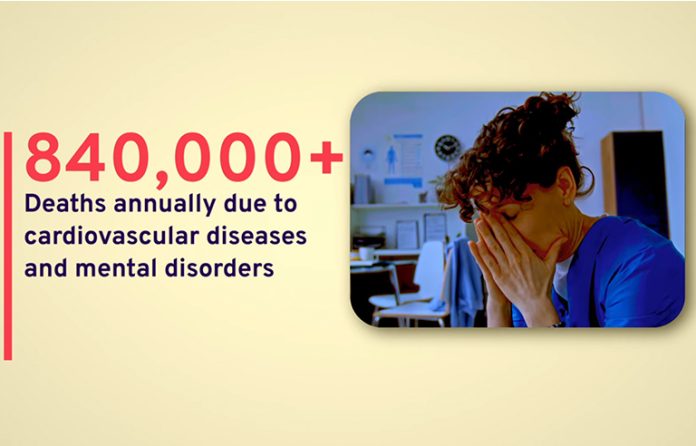
A new global report links psychosocial hazards at work to more than 800,000 early deaths each year.
That finding underscores a broader point: protecting workers means looking beyond physical hazards to how work is structured and managed every day.
🔗 https://t.co/jeYp715FNS