Nudity: From Shameless to Obscene, The Human Perspective on Evolving Thoughts About the Naked Body -Rick Dorociak-
We are all born into this world naked, and society has no issue with that. As children, many of us ran around naked at home without anyone thinking twice about it. It’s natural, innocent, and simply part of being human.
However, as we grow older and approach our teenage years, something begins to change. Nudity suddenly becomes something different. It becomes taboo. It becomes “inappropriate,” “obscene,” or even “immoral.” But why? What changed about the human body that made it go from something natural and accepted to something hidden and judged?
The truth is, the body itself never changed. What changed was the way society began to look at it.
Throughout history, attitudes toward nudity have shifted dramatically depending on culture, religion, politics, and social norms. In ancient civilizations such as Greece, the naked human body was celebrated in art, athletics, and philosophy as a symbol of beauty, strength, and harmony. Yet in other periods of history, particularly in more conservative societies, the body became something to hide, cover, and even feel ashamed of.
Over time, layers of cultural expectations, advertising, moral teachings, and social pressure shaped how people see their own bodies. Many of us are taught, directly or indirectly, that the human body is something to conceal rather than appreciate. This conditioning can create shame where none naturally exists.
However, the reality is quite different.
The human body is not obscene. It is not immoral. It is simply human.
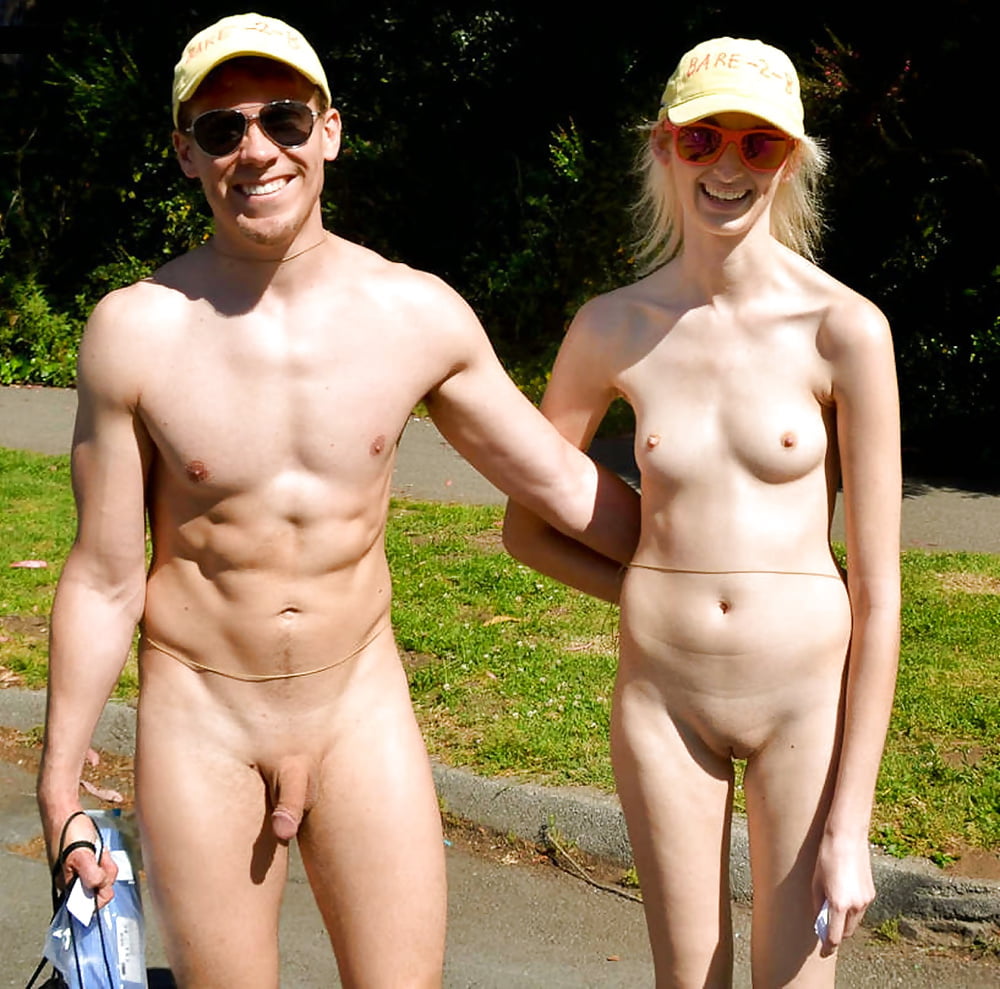
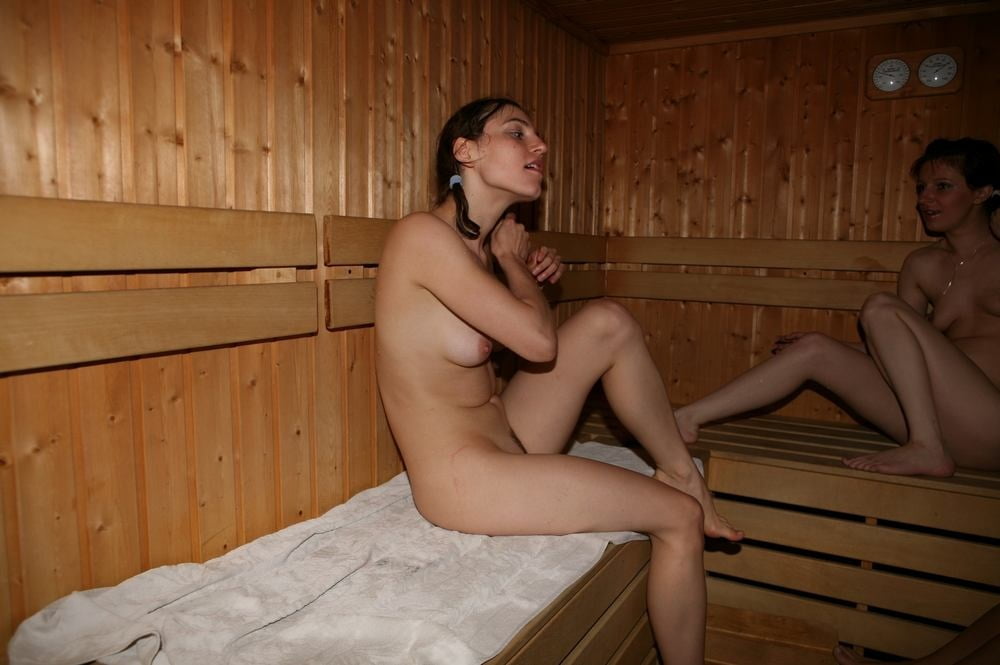
For many people who discover naturism or nudism, the experience can be deeply freeing. Being comfortable in one’s natural state can improve body acceptance, reduce shame, and help people reconnect with themselves in a more honest and authentic way. It reminds us that bodies are not meant to be perfect; they are meant to be real.
Nudity, in its natural context, is not about sexuality. It is about authenticity. It is about recognizing that every body is unique, and every person deserves to feel comfortable in their own skin.
Perhaps the real question is not why the body is naked, but why society taught us to fear it.
Understanding how these attitudes developed allows us to challenge them, rethink them, and perhaps rediscover a healthier relationship with the most natural state we have ever known, simply being human.