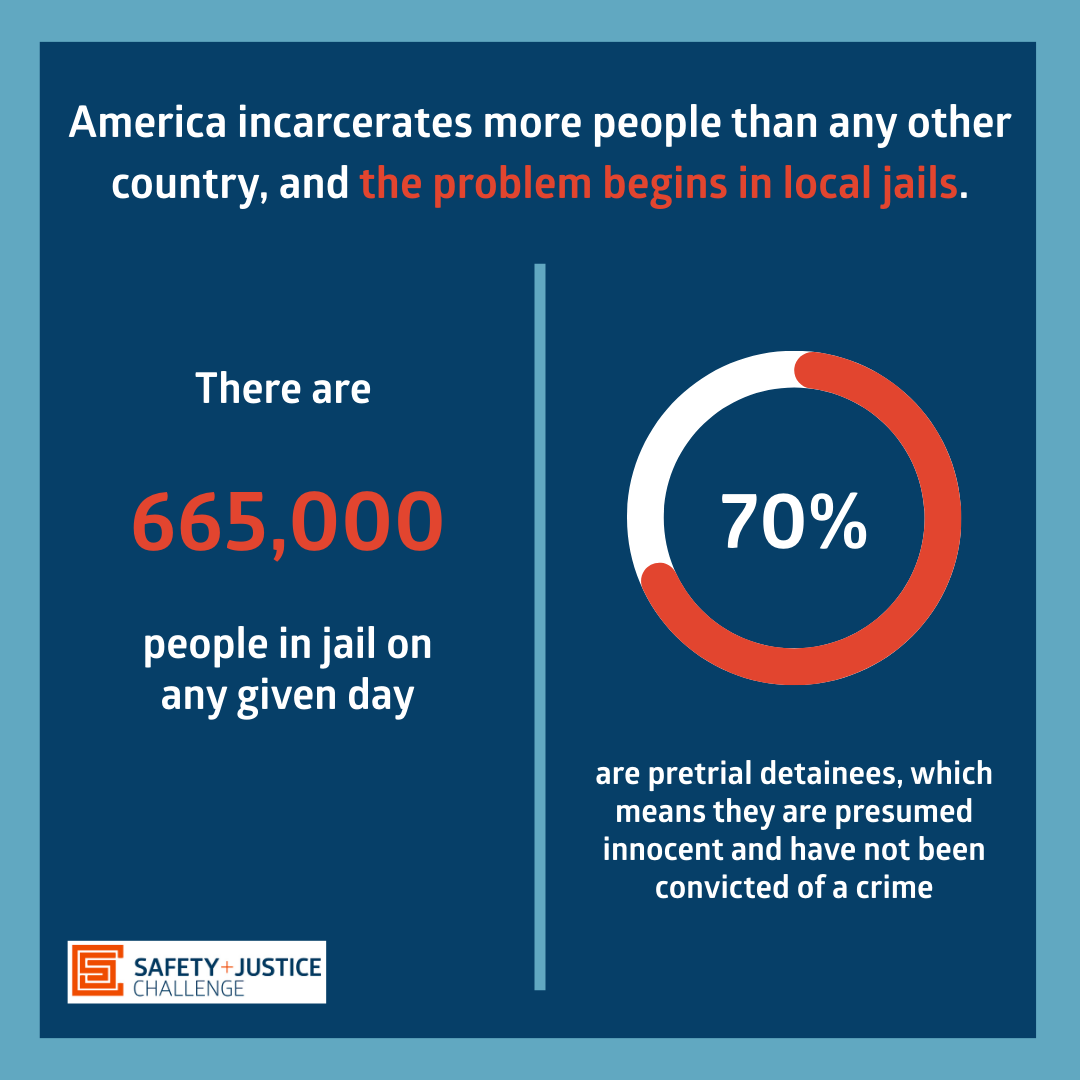
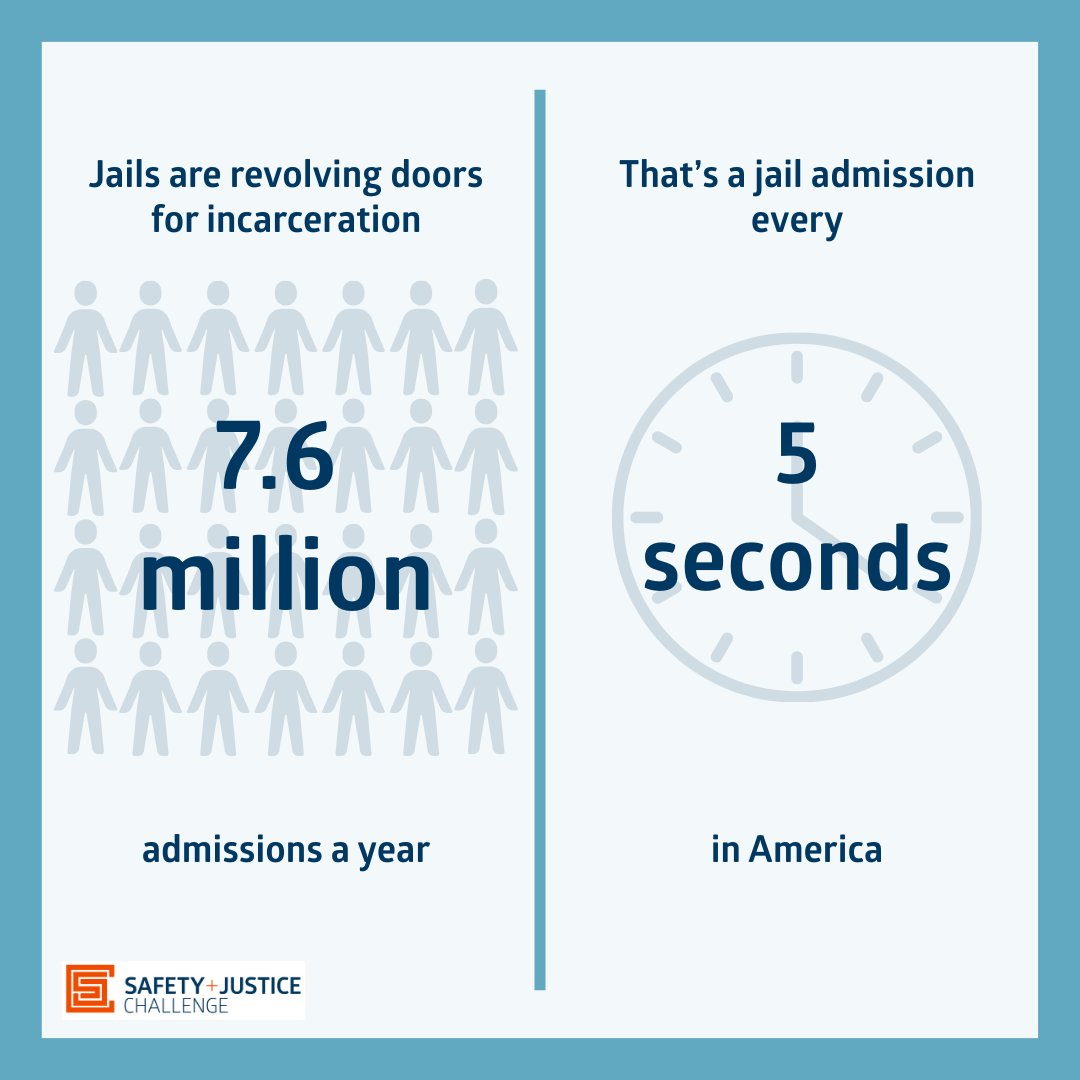
The Safety and Justice Challenge seeks to reduce over-incarceration by changing the way America thinks about & uses jails. Supported by @macfound. #RethinkJails
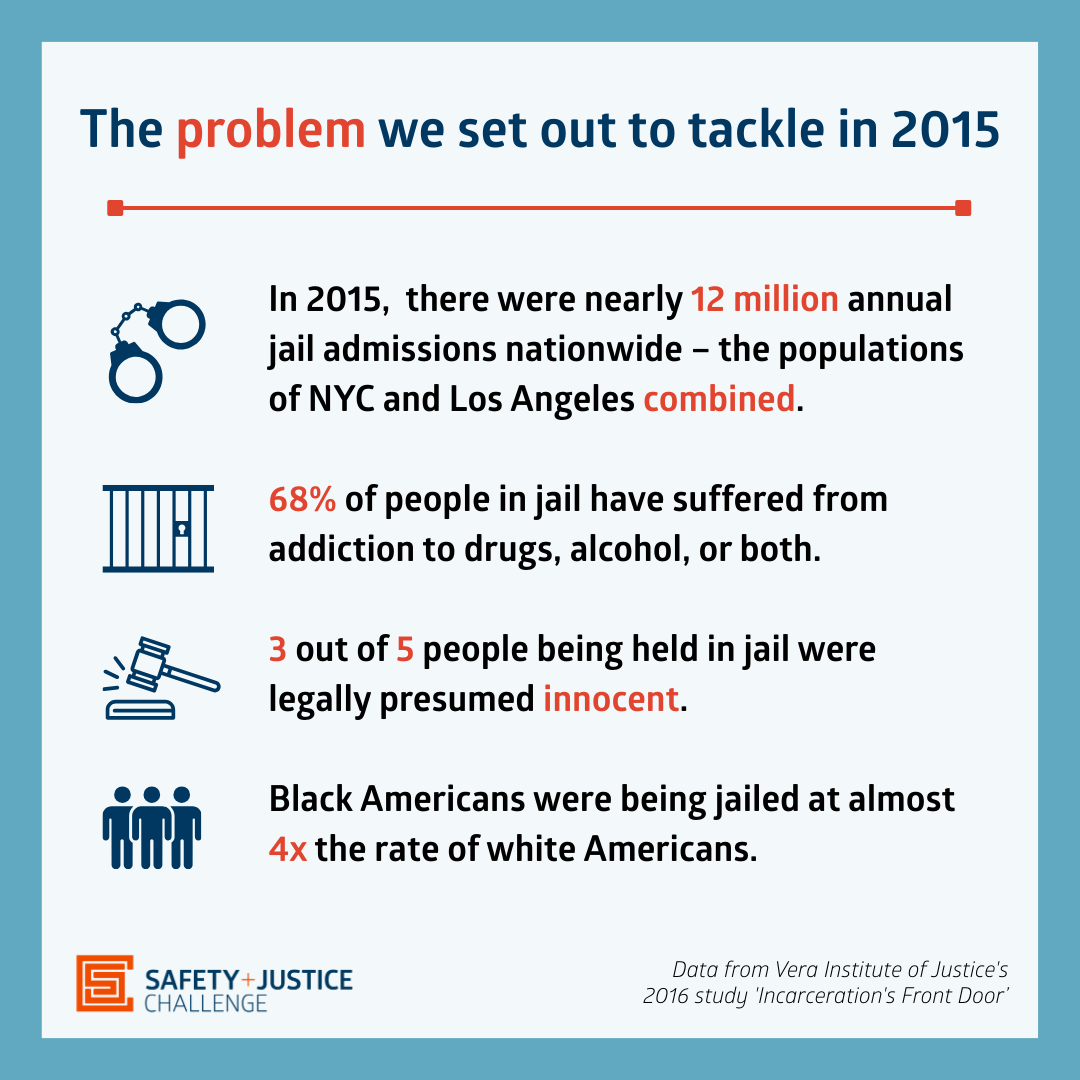
Launched in 2015, the Safety and Justice Challenge spotlighted a major driver of incarceration in the U.S. - local jails. By supporting local solutions, SJC helped keep communities safe while making the criminal justice system more fair and just for everyone. #SJCLegacy
Over the past decade, the Safety and Justice Challenge invested $6 million to help reduce overcrowding at the St. Louis County jail. While the grant is coming to a close, officials say key reforms, including enhanced pretrial supervision, expedited probation handling, and Tap In Centers, where individuals can potentially get their warrants recalled, will continue. https://t.co/W4uFxgtXlS
Texas jails are overcrowded, understaffed, and increasingly serving as de facto mental health facilities. With new leadership at the Texas Commission on Jail Standards, @statesman’s Cody Copeland argues now is the time for practical reforms that can save lives and reduce costs. https://t.co/GhANanbkA3
To address overcrowding, the St. Louis County Jail is working with the Safety and Justice Challenge to screen certain people with lower-level violations to fast-track their hearings. Overcrowding can create an unsafe environment for everyone in jails. https://t.co/zuVop5R1nR
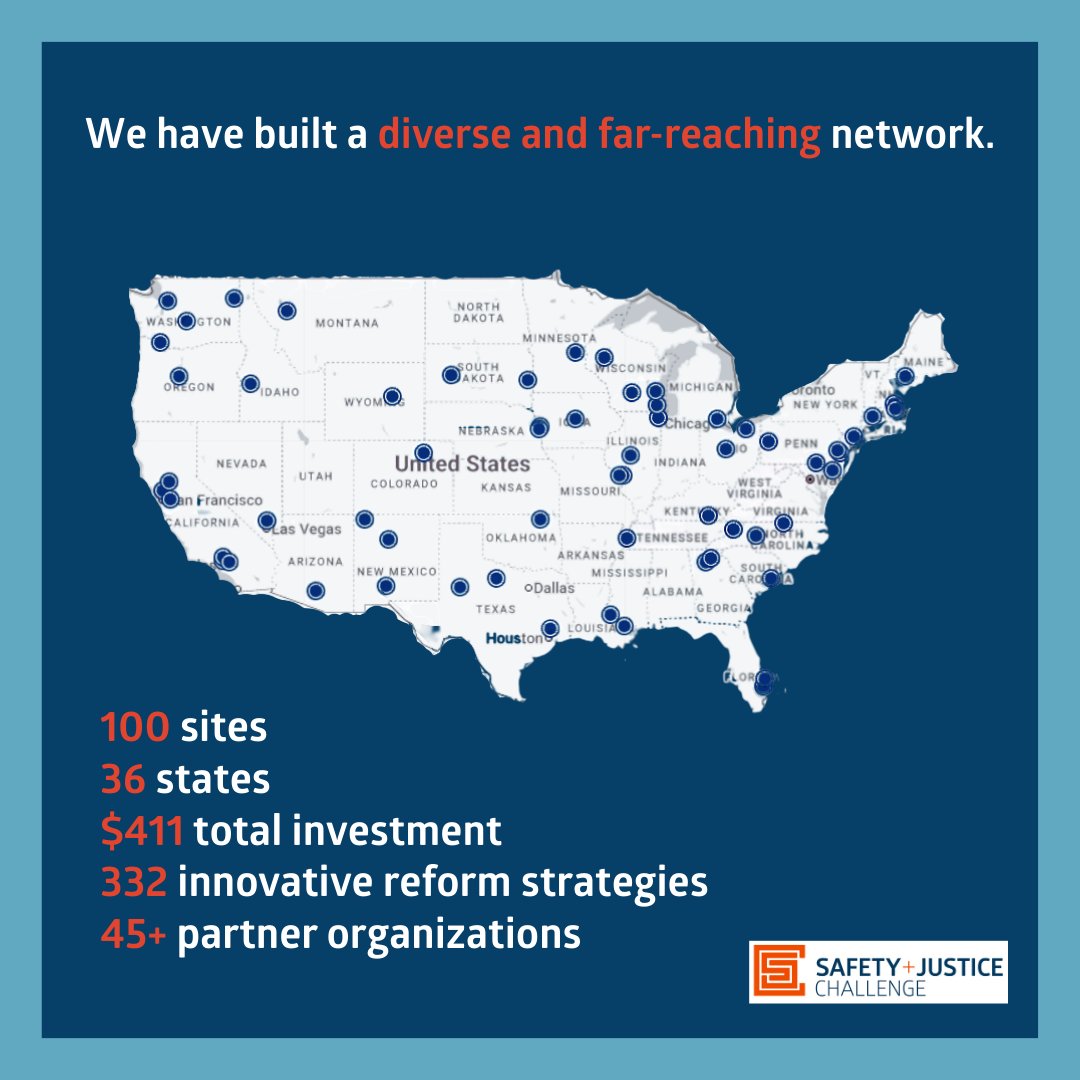
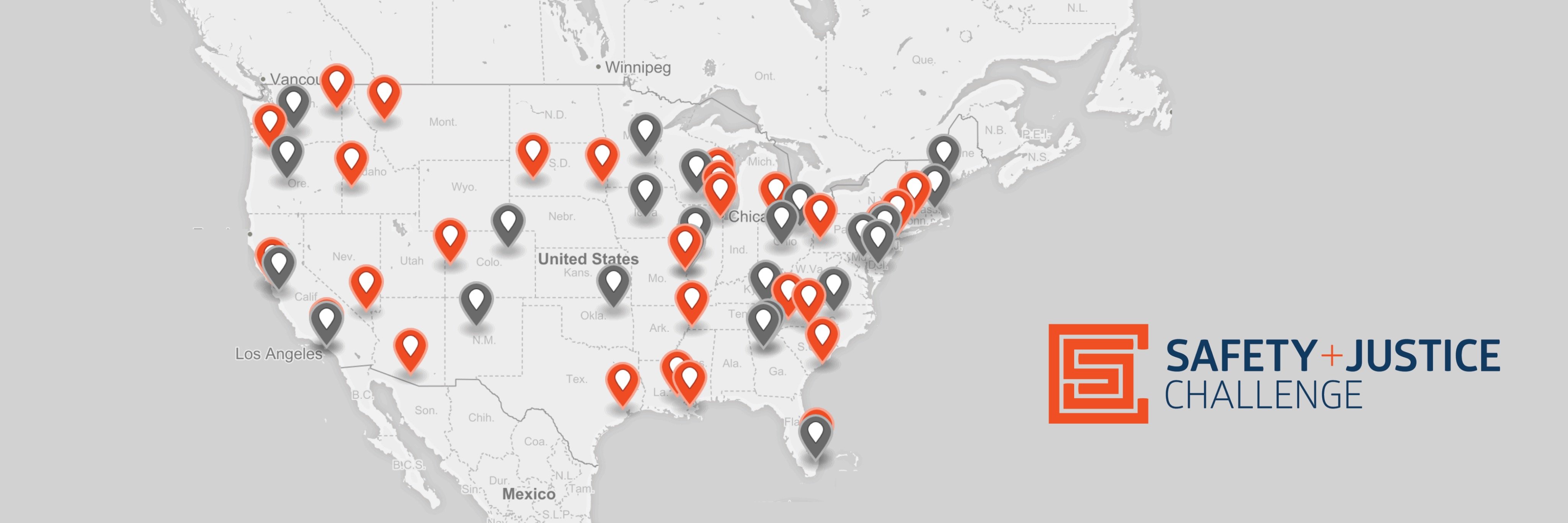
How do you reflect on 10 years of data, from 50+ cities & counties, that resulted in 18k less people held in jail without impacting safety?
The @safety_justice Challenge Research Symposium did just that. We recapped what worked and what should come next. https://t.co/fPZrGiLJmA
📰 SJC in the news: Last year, @stlpublicradio highlighted the Tap In Center, a program that helps people resolve warrants issued for failure to appear in court. The program has helped 3,300+ people address more than 5,000 warrants and avoid unnecessary jail time. #SJCLegacy
Prior to joining the SJC, St. Louis County’s jail had been either near or above capacity for over a decade. The county’s goal was both to safely keep more people out of jail and make the justice system fairer. #SJCLegacy
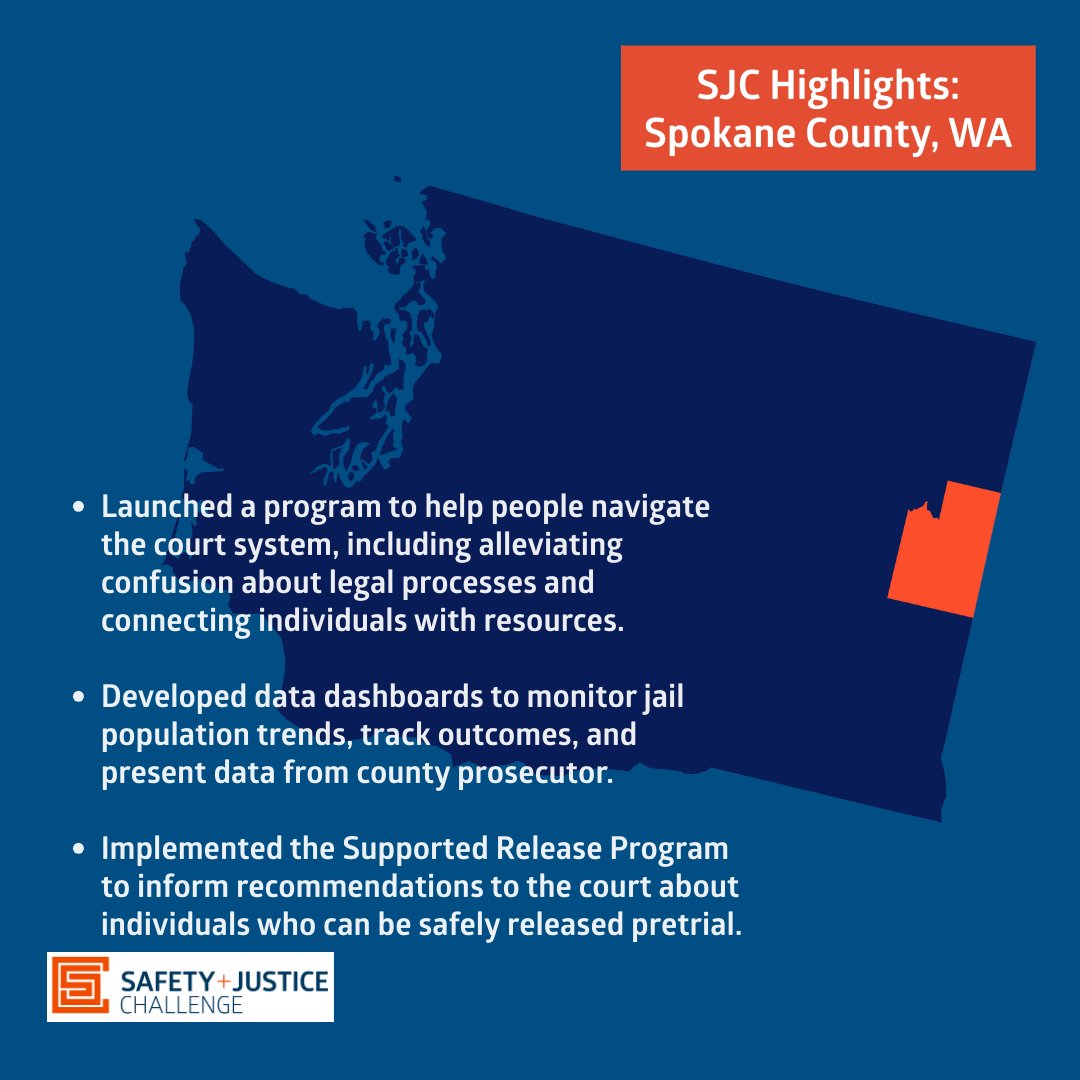
📰 SJC in the news: @thecentersquare covered Spokane County’s program to remind people of upcoming court dates, which reduces the number of people who fail to appear and makes the criminal justice system more efficient. #SJCLegacy
When joining SJC, Spokane County set two major goals: reduce the number of people in its jails and make the local criminal justice system more fair. Overall, Spokane safely reduced its jail population by more than 13%. #SJCLegacy
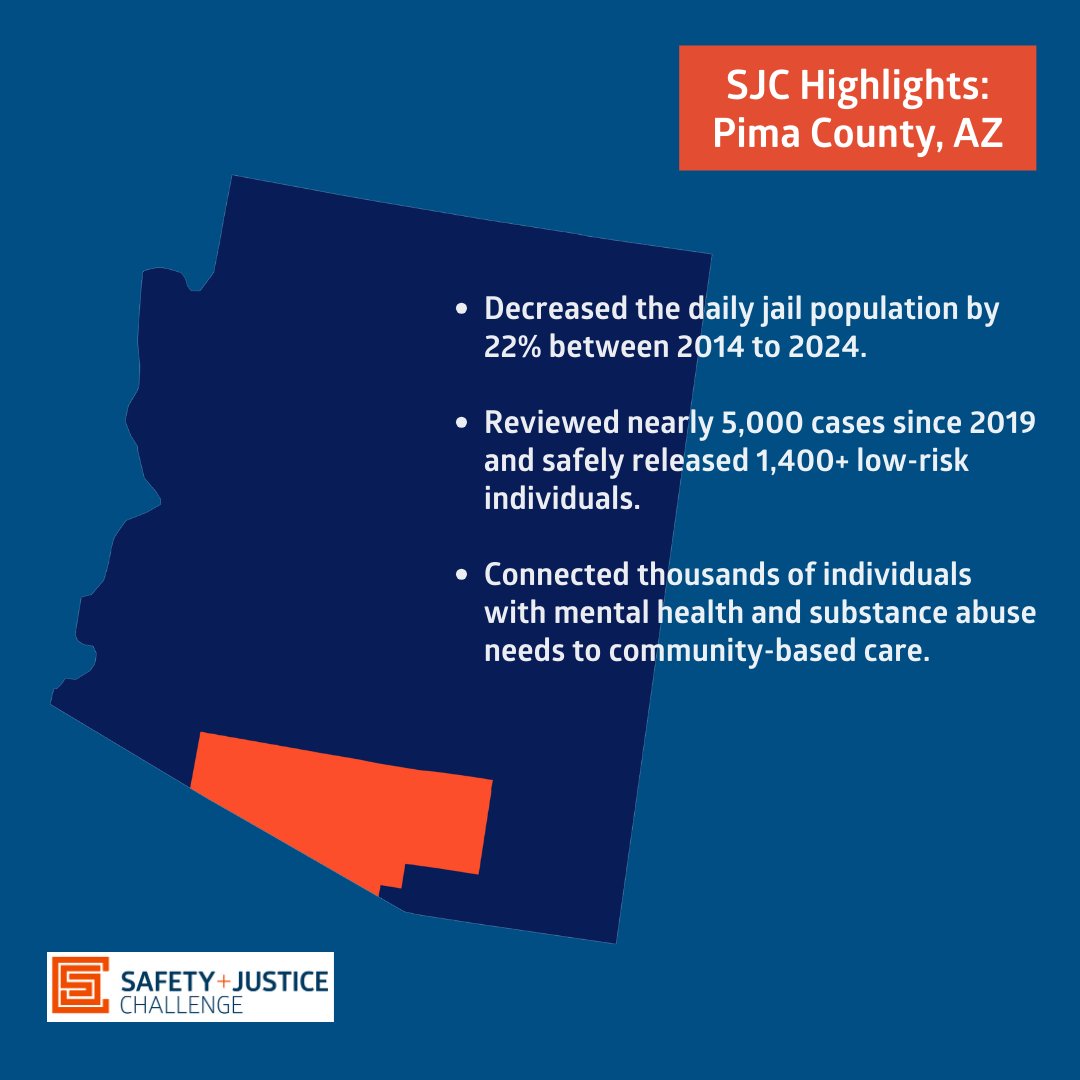
📰 SJC in the news: @AZLuminaria showed how leaders in Pima County are collaborating to connect people with needed mental health and addiction treatment services, divert them from jail. #SJCLegacy
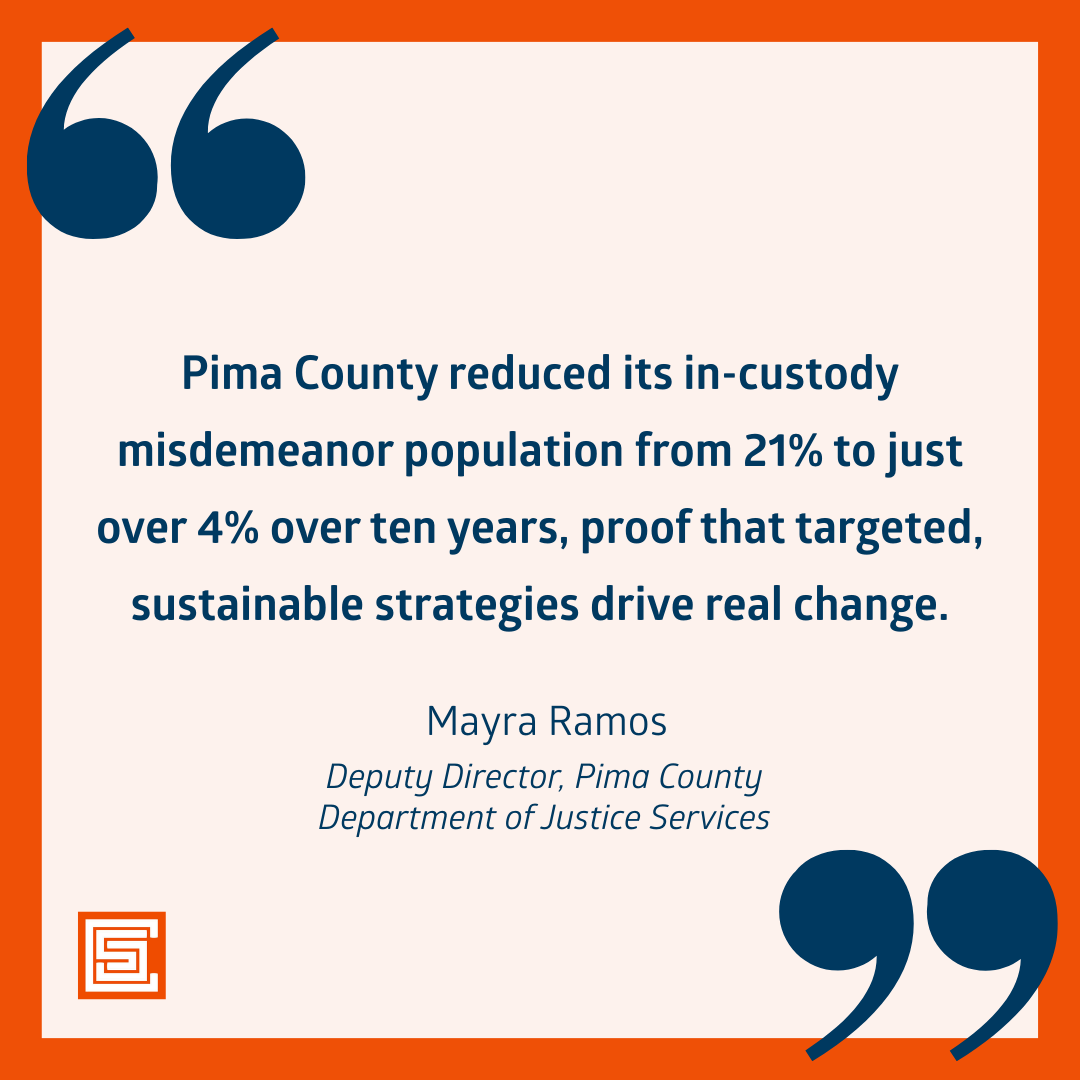
Since joining the Safety and Justice Challenge, Pima County has worked to make its criminal justice system more fair, just, and equitable for all. #SJCLegacy
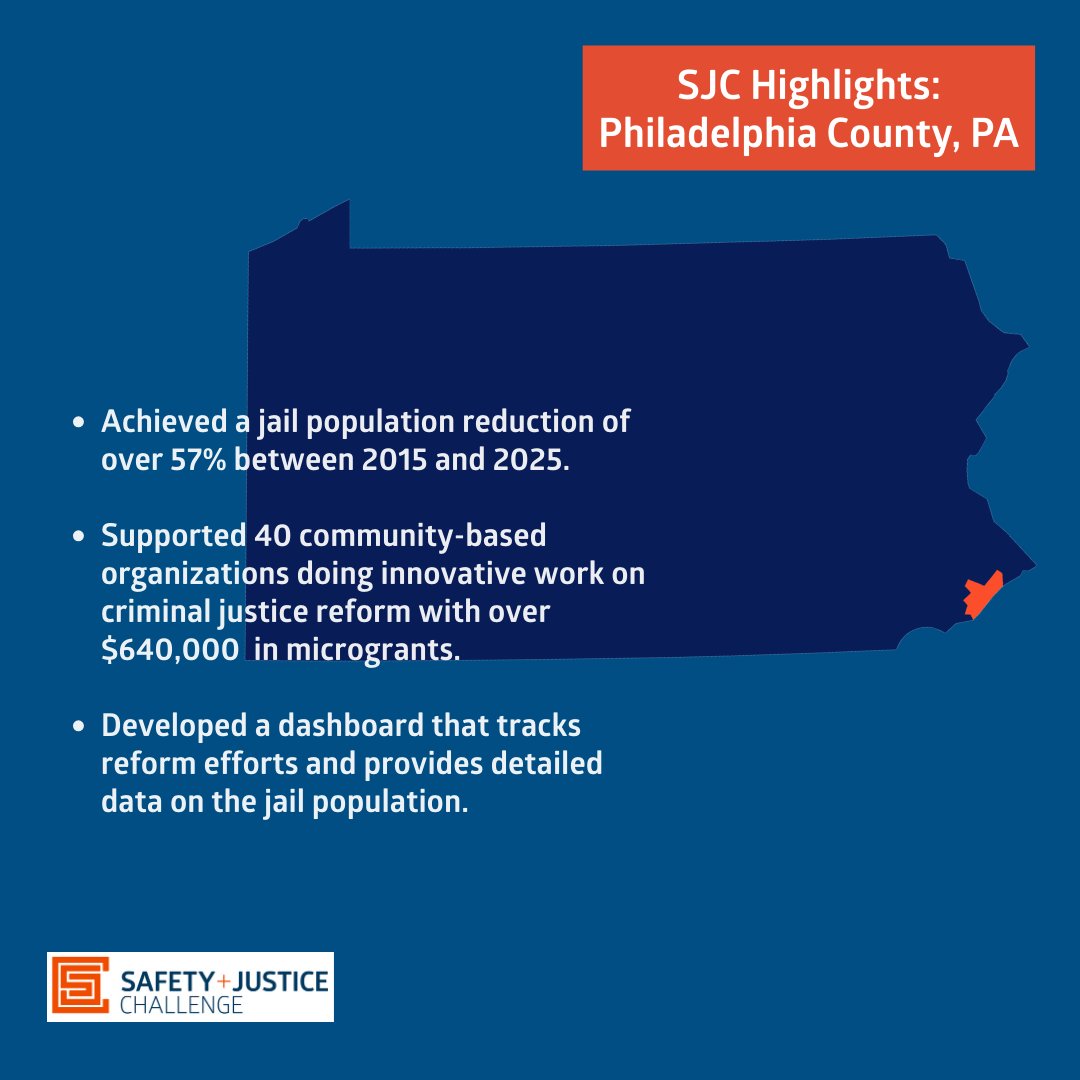
📰 SJC in the news: @State_Scoop looked at Philadelphia’s progress safely reducing its jail population, which declined by nearly 58% over the city’s 10-year participation in SJC. #SJCLegacy
.@nytimes spotlights a new development in CA's justice system: With support from @safety_justice, Medicaid is now paying for health care in jails and prisons to end the cycle of incarceration – a move supported by corrections and law enforcement leaders. https://t.co/k53nZOJXAO
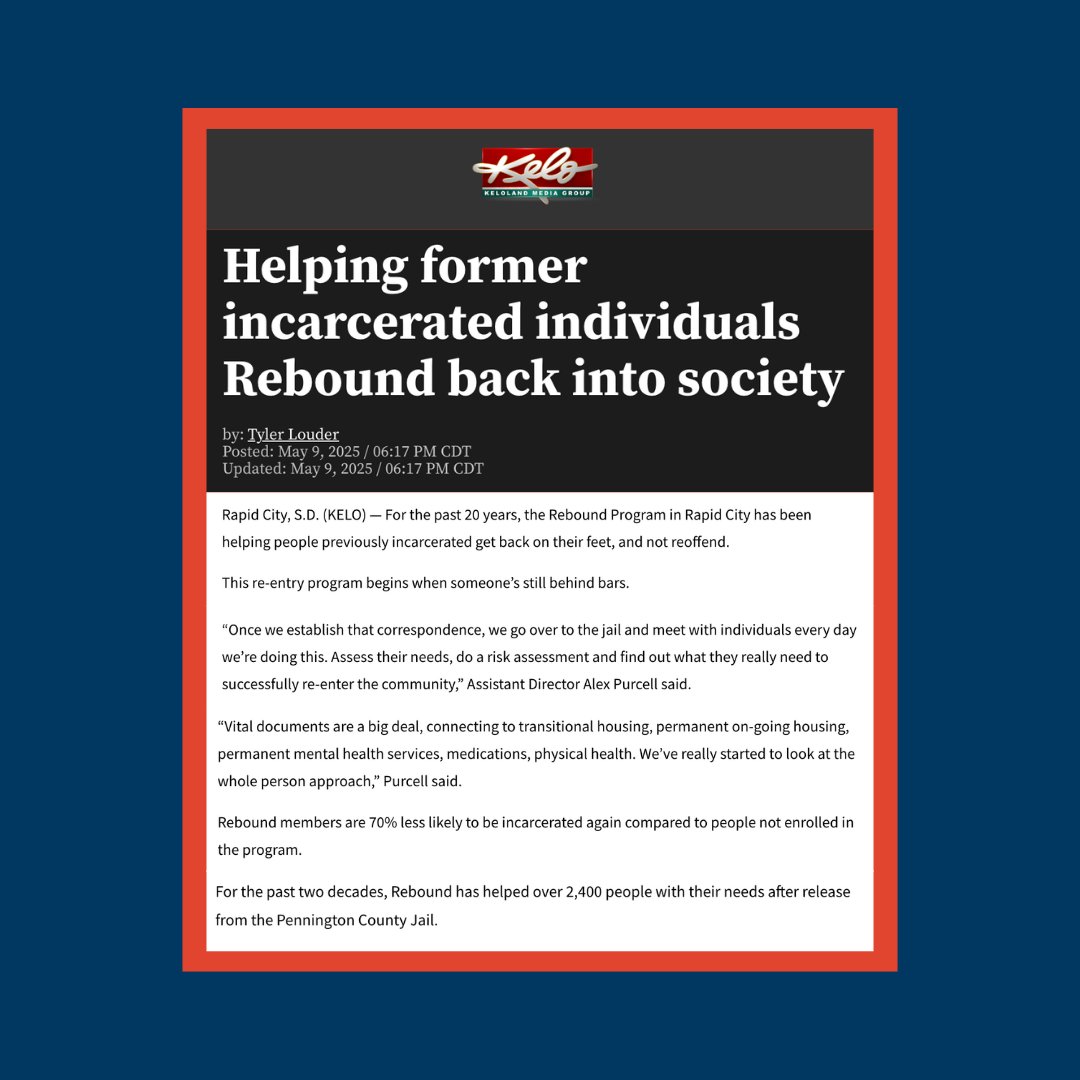
📰 SJC in the news: @keloland showed how the Rebound Program has worked with officials in Pennington County to help individuals get back on their feet after incarceration. #SJCLegacy
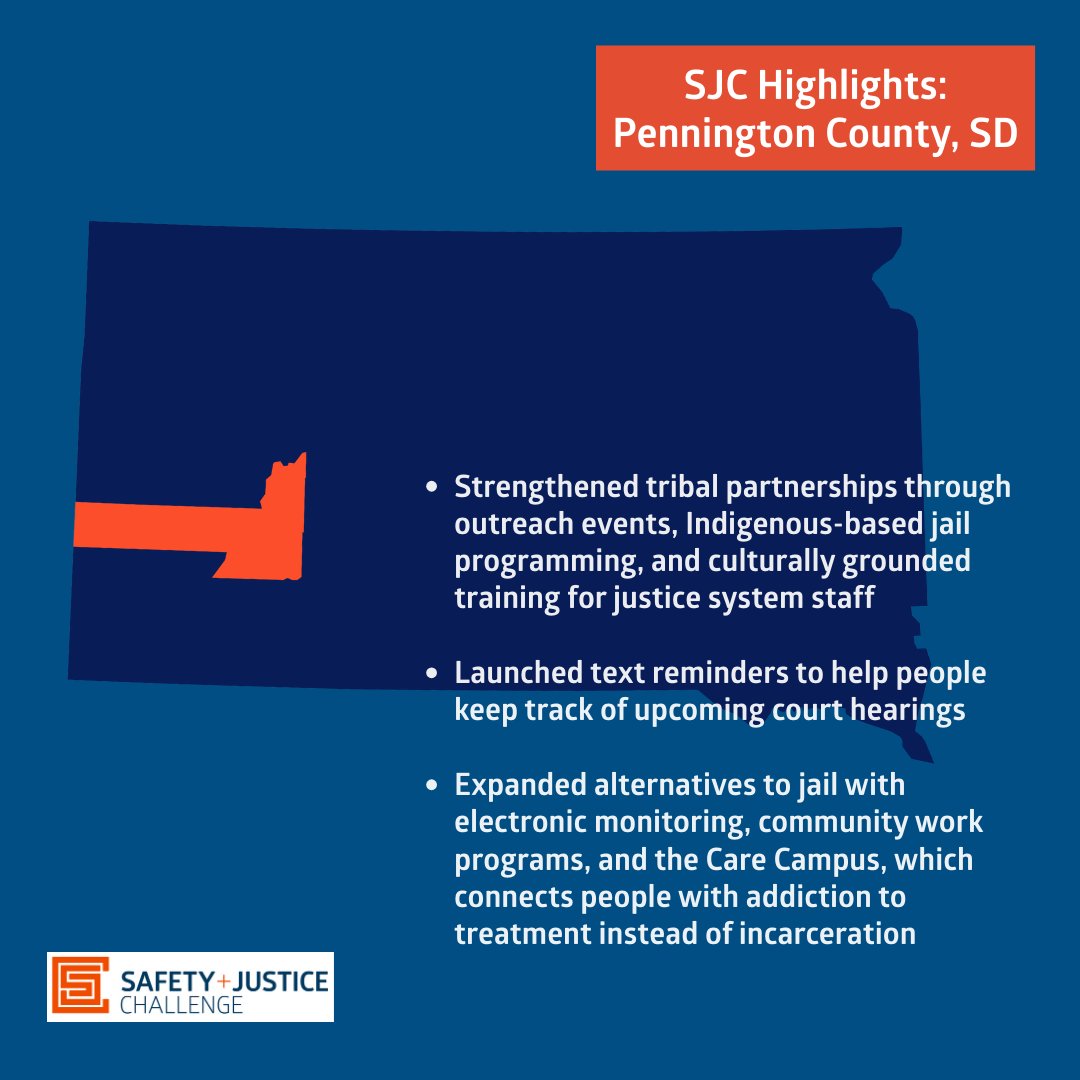
Native Americans are overrepresented in Pennington Co.’s jail. While they make up 10-20% of the population, more than 50% of the daily jail population was Native American in 2021. From 2018-2021, the county saw a 22% reduction in Native Americans referred to the jail. #SJCLegacy
📰 SJC in the news: Back in 2024, @WGNOtv reported on how additional SJC funding would help New Orleans safely reduce its jail population and make the criminal justice system more fair. #SJCLegacy
When New Orleans joined the Safety and Justice Challenge in 2015, the city incarcerated nearly twice as many people each year as the national average. Since then, the jail population has safely decreased by over 17%. #SJCLegacy
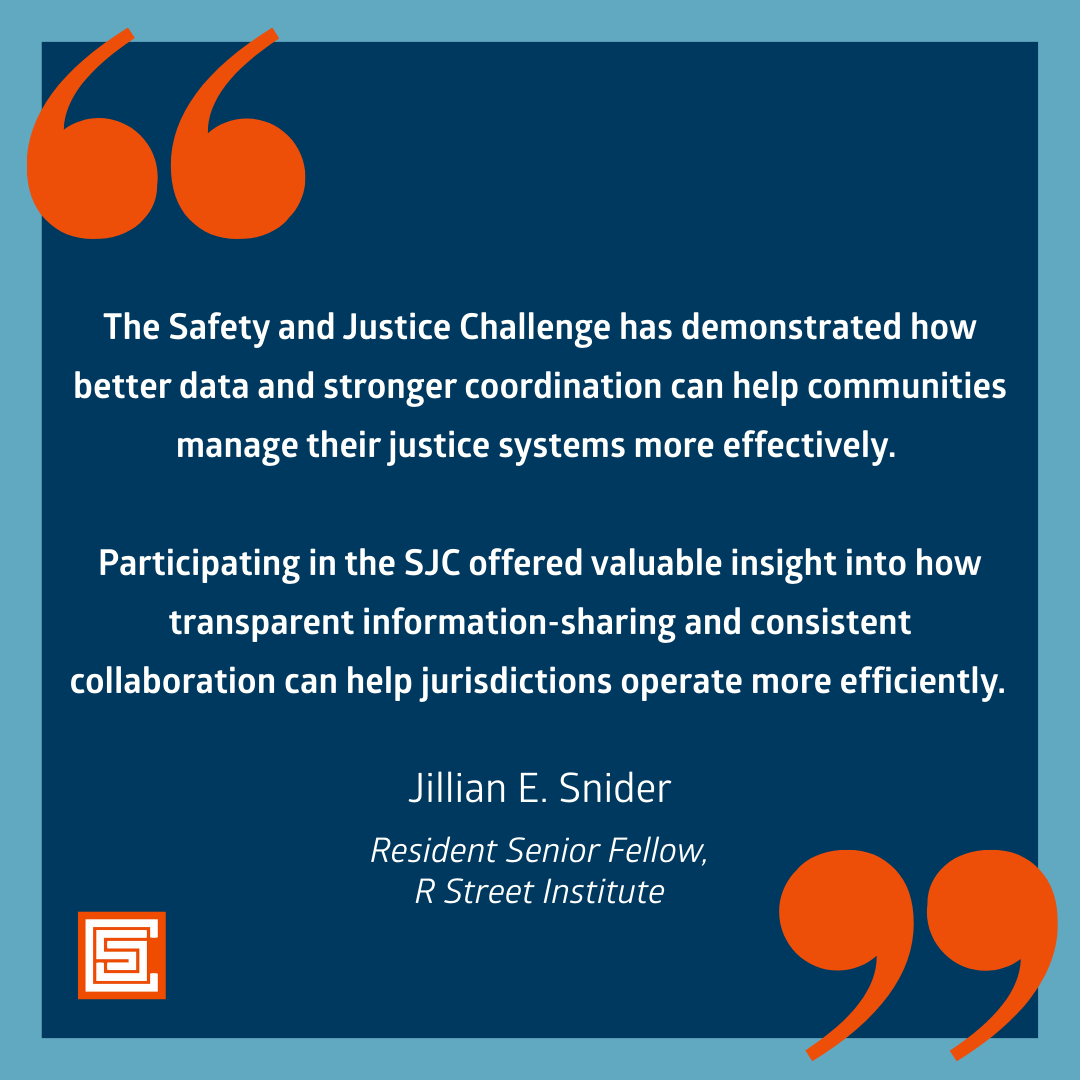
.@RSI highlights a core SJC lesson: transparent information-sharing and consistent collaboration make justice systems work better for everyone. #SJCLegacy
📰 SJC in the news: @Axios showed how addiction and behavioral health care experts are collaborating with Multnomah County to help people get needed treatment instead of jail time. #SJCLegacy
Since the beginning of Multnomah County’s participation in the Safety and Justice Challenge, the community tackled innovative approaches to making the system more fair and just for everyone. #SJCLegacy