Respect Orders land from 26 Oct 2026.
More formal ASB action often means hotter doorsteps — not safer ones by default.
Staff-safety read (not legal advice) on the Safety Hub:
https://t.co/ReYu6yX4Bp
Conflict. Lone working. Boundaries. Permission to leave.
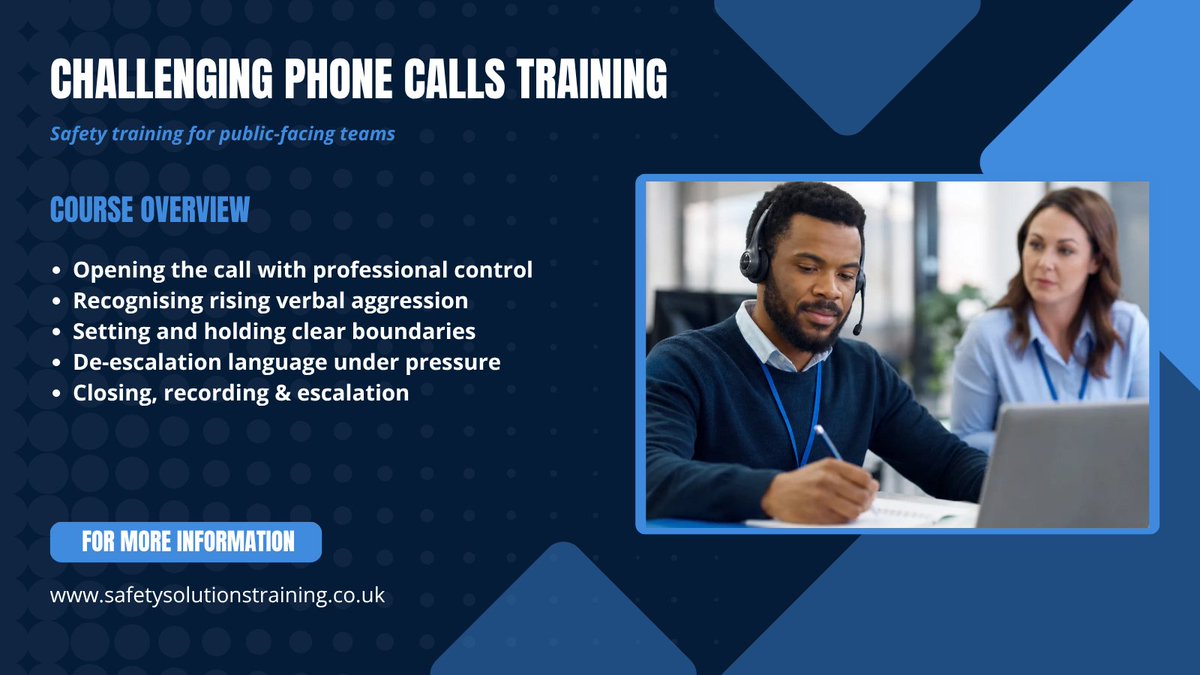
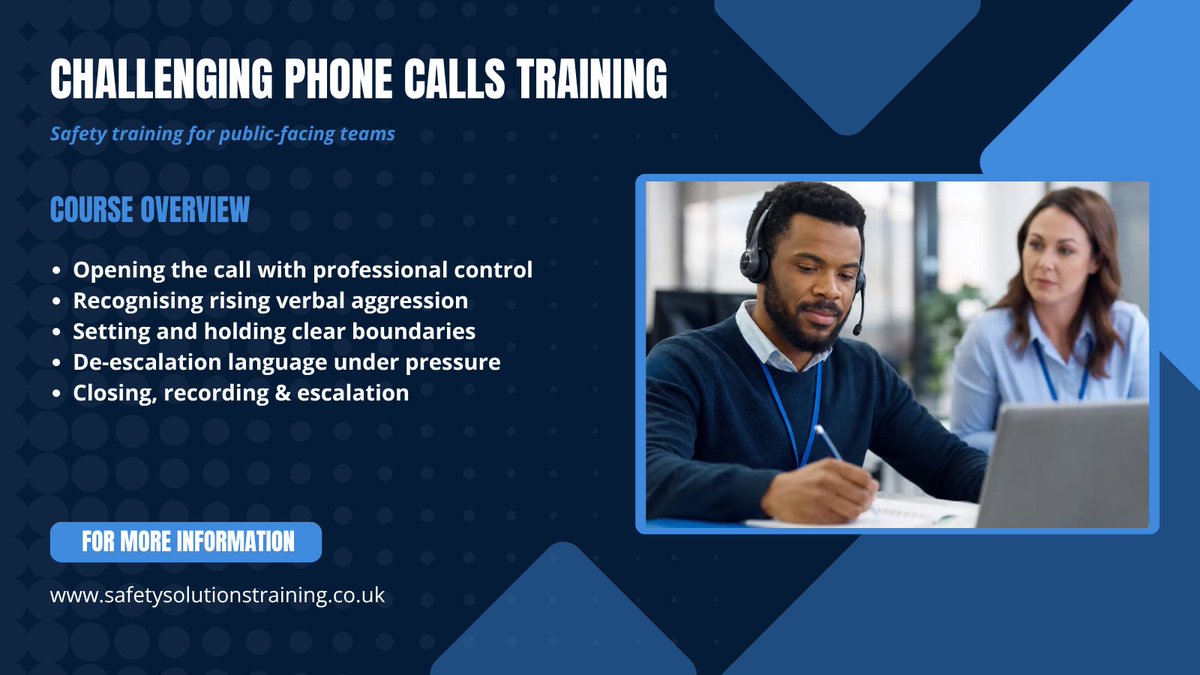
Hostile telephony wears down even experienced staff. Challenging call training builds calm language, firm boundaries and safe hand-off.
https://t.co/D2rAbfkVwV
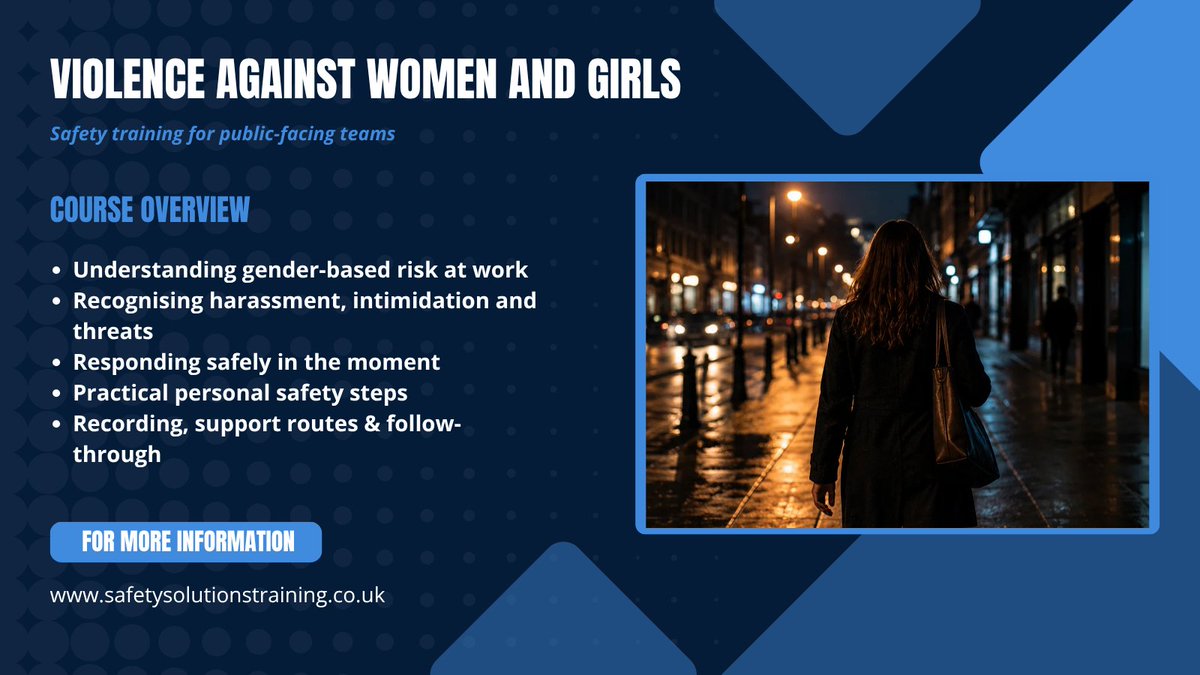
Frontline teams encounter VAWG indicators in homes and services. Training supports recognition, referral routes and personal safety decisions.
https://t.co/Fyk12Jmiau
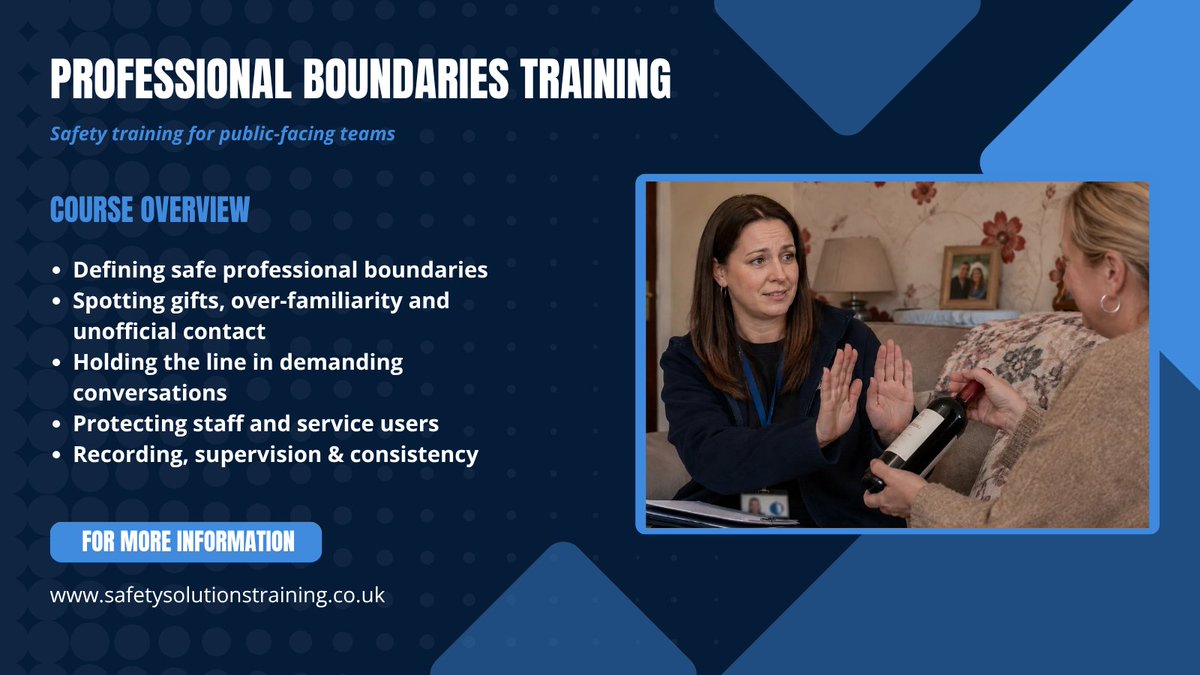
Unofficial contact and blurred roles create organisational risk. Professional boundaries training keeps staff, service users and employers safer.
https://t.co/P8dNDzgTGM
Verbal aggression on the phone is still a duty-of-care issue. Train teams to set limits early and escalate without losing professionalism.
https://t.co/D2rAbfkVwV
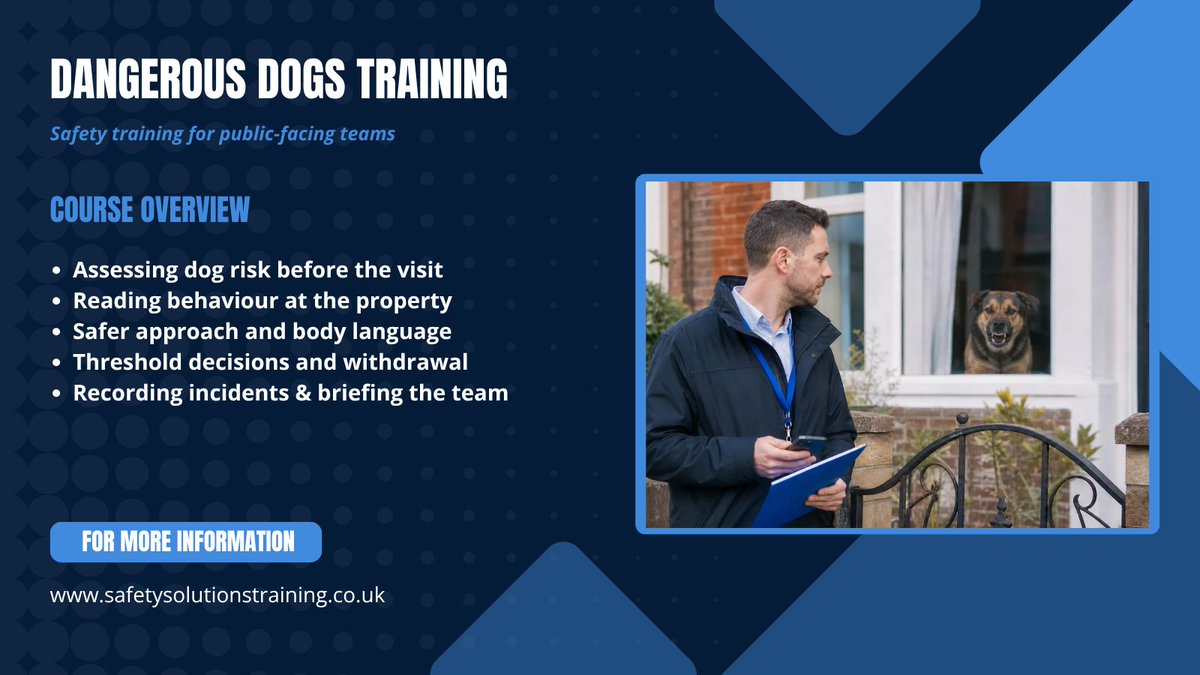
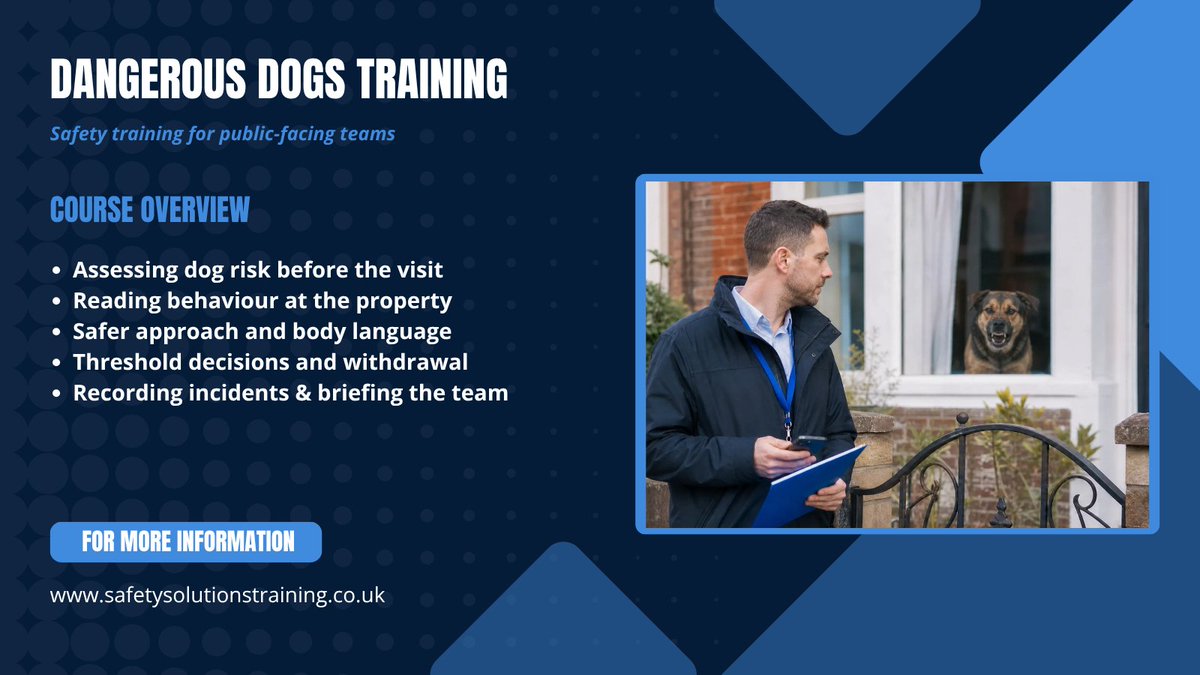
You cannot choose the animals at the property. Dangerous dogs awareness covers warning signs, safer approach and when to abandon the visit.
https://t.co/BqVZUMN2W1
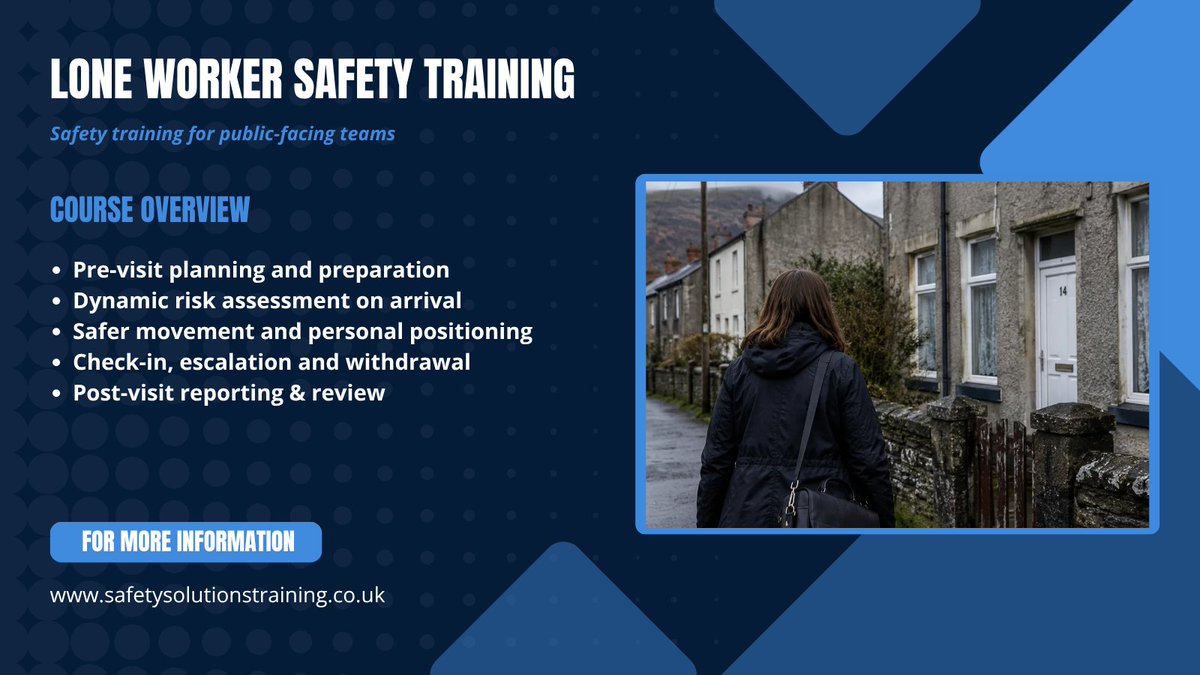
Working alone should never mean working without a plan. Lone worker safety covers visit planning, communication and when to leave.
https://t.co/AFQ9XkZqTs
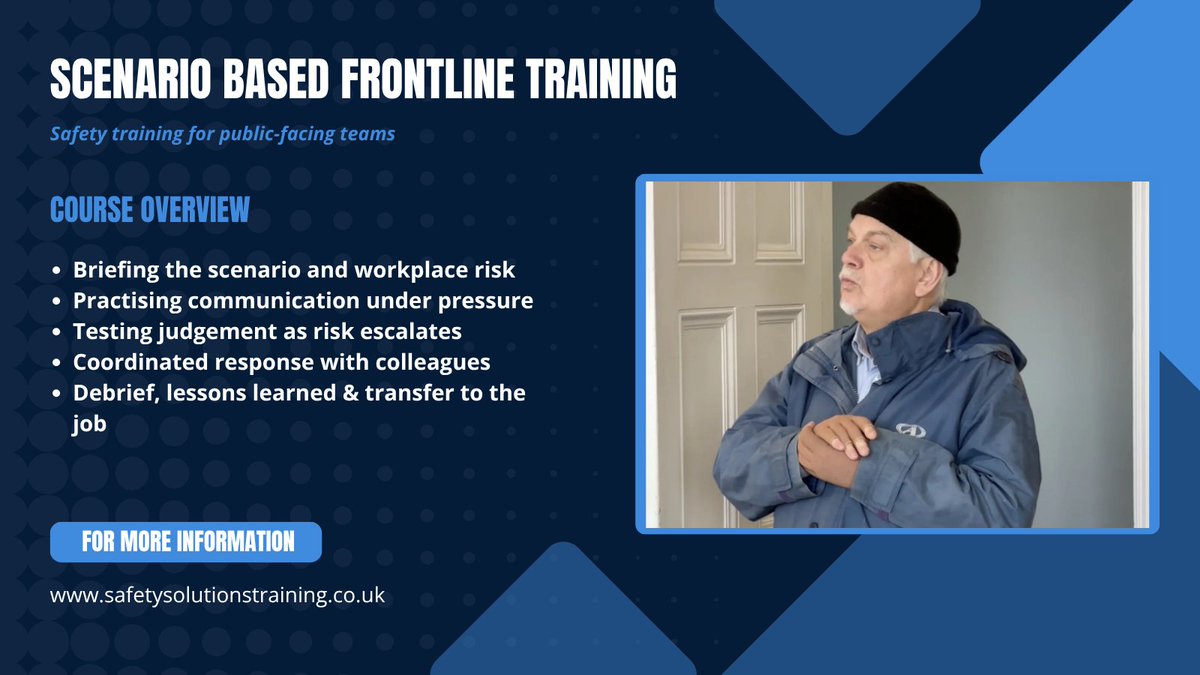
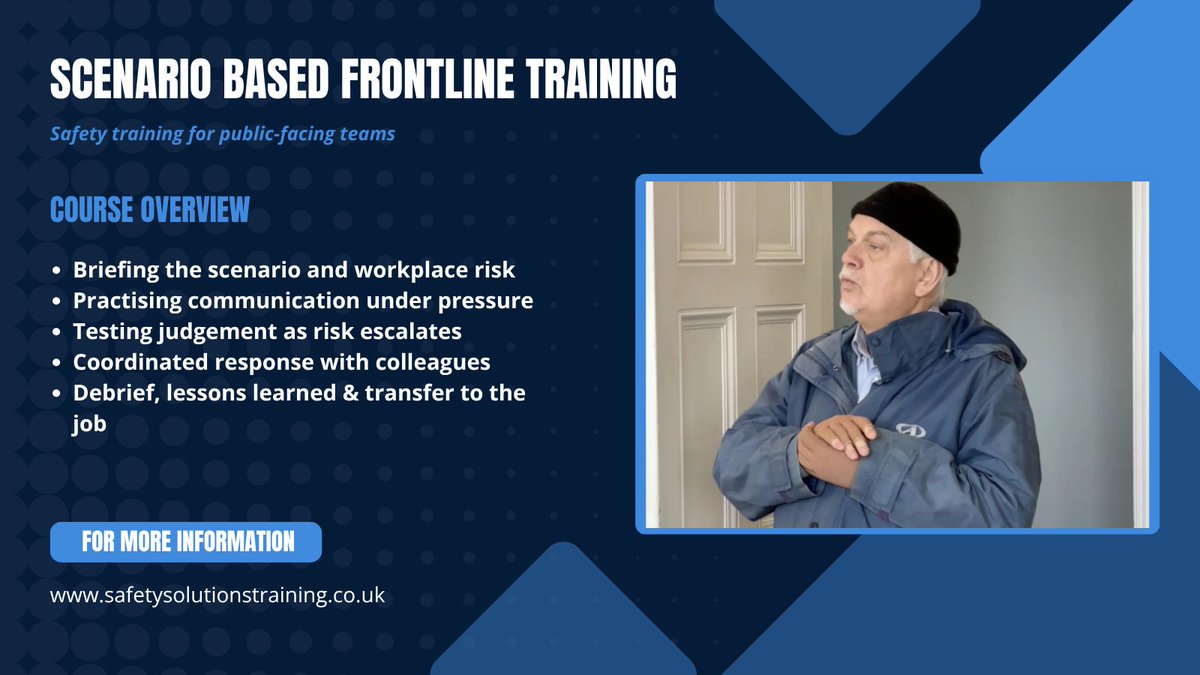
Classroom theory only goes so far. Scenario-based frontline training lets managers see where policy becomes practice under stress.
https://t.co/OylSxkqA0N
Rehearse the difficult visit before it happens for real. Scenario-based training tests communication, escalation and team coordination live.
https://t.co/OylSxkr7Ql
When a counter interaction turns hostile, staff need practised responses. Conflict management covers defusing tension before it becomes violence.
https://t.co/uRN0e9uV9I
Policy on paper is not the same as judgement under pressure. Scenario-based frontline training rehearses de-escalation in controlled role-play.
https://t.co/OylSxkqA0N
Edition 18 is live: enforcement assault, online targeting of council staff, threats to elected members, postal-worker dog attack, UNISON on lone social-work visits.
Practical risk assessment and withdrawal authority.
https://t.co/qjbodNg3eV
#WorkplaceSafety#DutyOfCare
Verbal aggression on the phone is still workplace risk. Equip contact-centre and enquiry staff to manage abusive calls with clear boundaries and safe escalation.
Explore the course:
https://t.co/D2rAbfkVwV
Working alone does not mean working without a plan. Lone worker safety covers visit planning, communication and withdrawing when the risk is no longer acceptable.
Discuss training for your team:
https://t.co/AFQ9XkYT3U
When frontline staff are recorded, pressure spikes immediately.
Do your employees know their legal standing and how to de-escalate safely?
Equip your team with practical conflict management and lone worker safety skills. https://t.co/nDFaChCVIH #LoneWorker
Conflict management for public-facing teams focuses on preventing and defusing workplace conflict before it becomes violence.
Explore the course:
https://t.co/uRN0e9unka
Staff who visit homes and deliver services need confidence around VAWG indicators, referral routes and personal safety. Practical training for public-facing roles.
Explore the course:
https://t.co/Fyk12JlKkW
Practise the difficult conversation before it happens for real. Scenario-based training uses experienced role-play so teams rehearse escalation and coordinated response.
Read more:
https://t.co/OylSxkqA0N
Visiting staff cannot choose the animals at the property. Dangerous Dogs Awareness covers warning signs, safer positioning and when not to enter.
Explore the course:
https://t.co/BqVZUMN2W1
Housing, trades and enforcement staff enter other peoples properties daily. Dangerous dogs awareness focuses on pre-visit checks, withdrawal and accurate recording.
Discuss training for your team:
https://t.co/BqVZUMN2W1