The Government of the Republic of Somaliland extends its sincere congratulations to the State of Israel 🇮🇱 on the occasion of its Independence Day.
We reaffirm our commitment to strengthening cooperation and advancing shared interests.
#IndependenceDay
Dear, @minpres, @vvd, @d66, @JuisteAntwoord,
#Somaliland has been independent since 1991, with its own government, security forces, and democratic institutions. Its people do not identify with Somalia.
In a strategically vital region, Somaliland offers the Netherlands and its partners a reliable foothold. It has demonstrated willingness to cooperate on counterterrorism, maritime security in the Bab al-Mandab Strait, and alignment with key democratic partners such as Israel, Taiwan, and Ukraine.
Recognition would not only reflect realities on the ground but also strengthen regional stability and advance Dutch strategic interests.
It’s time for the Netherlands to recognize the independence of our ally Somaliland.
What Hinders Somaliland's Oil Exploration?
In 2012, the company Genel Energy was awarded rights to explore and produce oil in Somaliland. At that time, it had just been announced that significant oil reserves existed in two locations in the regions of Togdheer and Daadmadheedh.
Tony Hayward, who visited Somaliland in 2012 as CEO of Genel Energy, stated that the first oil would be extracted by 2014, with operations expected to take two years. However, as of today, 12 years after 2014, no oil production has materialized in Somaliland.
Again, in 2023, the Minister of Energy of Somaliland, Cabdillaahi Faarax Cabdi, announced the official launch of drilling for the first production well, known as Toosan-1, located in the Xood area of Togdheer region. Three years later, there has been no public confirmation on whether this well was successfully drilled or not.
Companies engaged in oil exploration in Somaliland hold licenses extending up to 20 years. To date, there has been no clear explanation for the continued delay in oil production, despite extensive data indicating the presence of significant reserves both onshore and offshore.
Companies such as Jacka Resources and Ophir Energy have also previously announced exploration activities in Somaliland, following evidence suggesting substantial hydrocarbon deposits.
Three successive administrations have overseen the oil exploration period in Somaliland. Each president has left office without witnessing actual oil production, despite widespread public anticipation.
Genel Energy, which has led exploration efforts in Somaliland, is an experienced oil company with operational wells in Iraq and Oman. The company has invested significant financial resources into assessing oil potential in areas where hydrocarbons are suspected.
Nevertheless, the reasons why Somaliland has not commenced oil production after 14 years remain unclear. While Genel Energy now indicates that production could begin in 2027, some experts argue that oil companies may strategically delay extraction to preserve reserves.
President Abdirahman Mohamed Abdullahi Cirro recently stated that oil production will proceed; however, there is little visible activity or publicly disclosed operational roadmap to support this claim.
In parallel, Turkey has significantly expanded its role in hydrocarbon exploration in Somalia, marking a new phase in the geopolitics of energy in the Horn of Africa. Through agreements with the Federal Government of Somalia, Turkish entities, particularly Turkish Petroleum Corporation, have initiated offshore seismic surveys and exploratory drilling along Somalia’s coast. This development carries several strategic ramifications:
1. Turkey’s entry into Somalia’s oil sector challenges the traditional dominance of Gulf states and Western oil companies in the region. It positions Ankara as a long-term strategic actor in East African energy markets.
2. By backing the federal authorities in Mogadishu, Turkey reinforces the sovereignty claims of Federal Government of Somalia over maritime resources. This may indirectly affect the political and legal positioning of Somaliland, particularly regarding offshore resource claims.
3. Turkey already maintains a strong military and economic presence in Somalia. Oil exploration further deepens this engagement, potentially linking energy security with naval and defense cooperation in the Red Sea and Indian Ocean corridors.
4. As Somalia advances with Turkish-backed exploration, Somaliland risks falling behind unless it accelerates its own regulatory clarity, investor confidence, and operational execution. Delays in Somaliland could shift investor attention toward Somalia’s offshore prospects.
5. Turkey’s involvement adds another layer to an already competitive region where actors pursue strategic interests. Control over energy resources increasingly intersects with port infrastructure, trade routes, and political alliances.
Recognizing Somaliland is a strategic imperative for U.S. interests—especially given the desire to pivot to more capable and willing partners. I had the privilege this week to speak with Somaliland’s Representative to the U.S., Mr. Bashir Goth, about the momentum behind this.
For @Militarydotcom — link below.
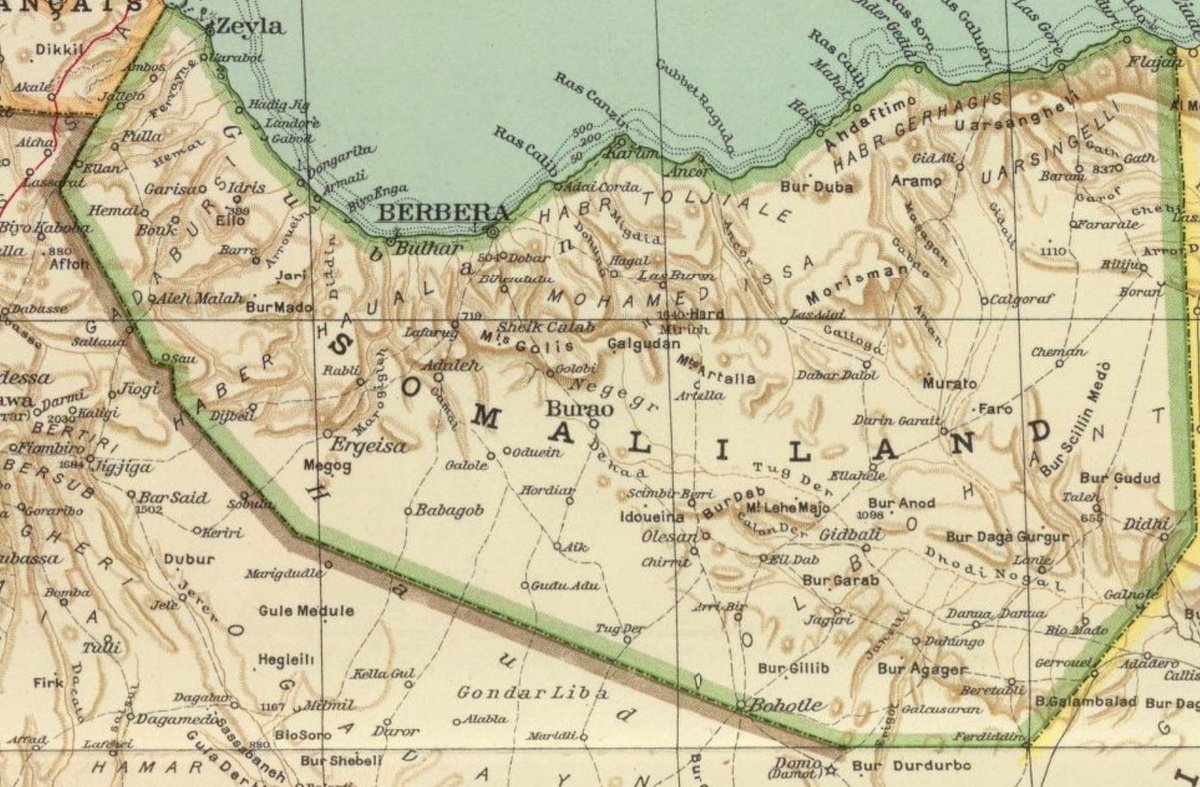
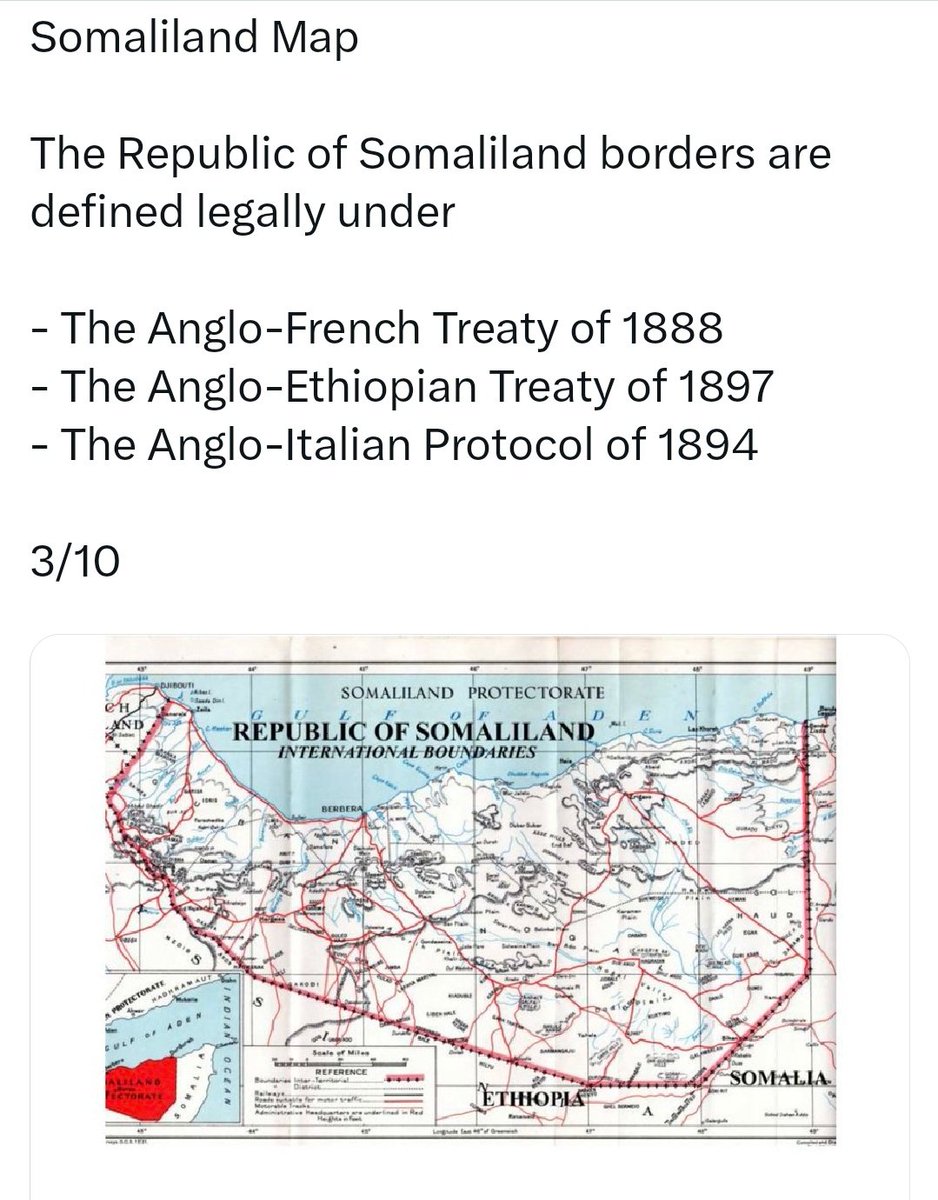
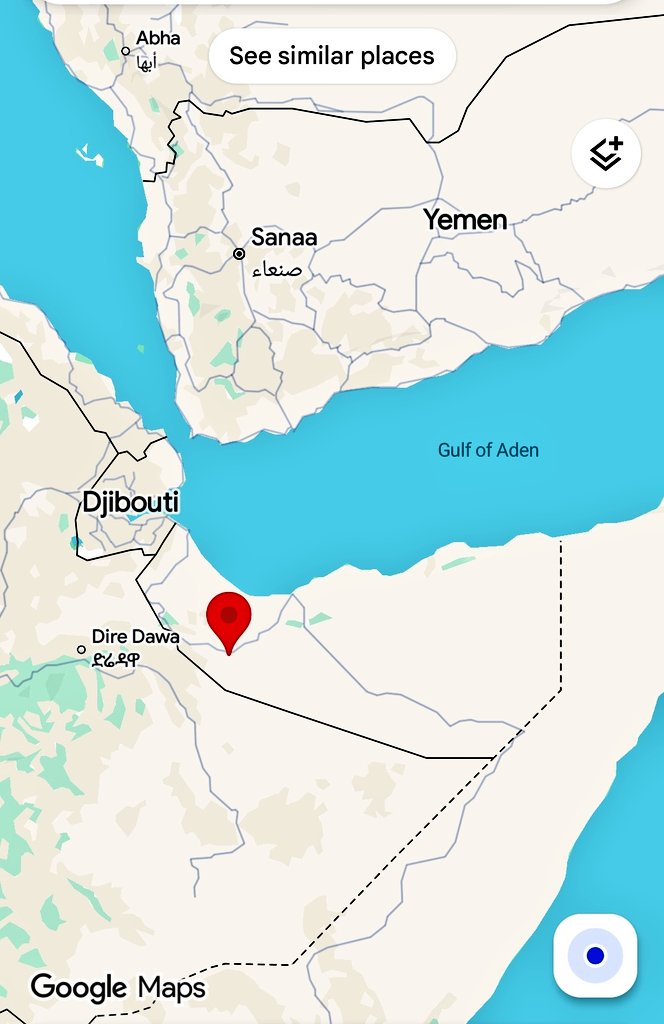
All Somalilanders must contact @googlemaps and let them know that the borders of the state of the Republic of Somaliland r international demarcated borders and no private entity nor other govt have the right to change its status The line weight n style of all RSL borders r same
Somaliland tops the Horn of Africa in the latest Freedom House scores (47), ranking above Djibouti, Ethiopia and Somalia — and matching or beating several Arab and Muslim-majority states.
What sets it apart is competitive elections, peaceful transfers of power, and functioning institutions in a region where coups, civil wars, and authoritarian rule are the norm.
De facto statehood, but de facto democratic practice.
The Isaaq Sultanate stands as one of the Indian Ocean’s most sophisticated historical merchant republics—an outward-looking, trade-driven polity anchored on the Gulf of Aden. Centred in the ports of Berbera, Zeila, and Mait, it linked the African interior to Arabia and the wider Indian Ocean, exporting livestock, coffee, frankincense, hides, and ghee into key regional markets.
Its strength was not built on conquest, but on commerce. By controlling the corridor between Harar, the Ethiopian highlands, and the coast, it became a gatekeeper of regional trade. Berbera, in particular, emerged as a major commercial hub, with seasonal fairs concentrating immense volumes of goods and wealth. British observers described it as hosting “the greatest market on the African coast, from Suez to Zanzibar.”
At the heart of this system were merchants. Wealth from trade translated directly into political influence, allowing trading families and caravan financiers to rise to prominence. These merchant elites shaped decisions through clan assemblies (shir) and customary law (xeer)—where economic capital became political authority.
Governance reflected this reality: a decentralised, consensus-driven system where authority was negotiated and tied to the protection of trade. Xeer functioned as a constitutional framework—comparable in principle to the British tradition—where rules emerged from precedent and collective acceptance rather than a single written code.
In contrast to more centralised polities, the Isaaq Sultanate was a commercial civilisation—where power flowed from trade, merchants shaped politics, and governance existed to sustain exchange.
Dubai Ports World will be commencing construction this year 2026 its Phase Two expansion of the Port of Berbera port in Republic of #Somaliland the expansion will feature a new 600-meter quay, eight modern port cranes, and the Berbera Free Trade Zone, strengthening the port’s position as a modern, leading gateway in Africa.
The Republic of Somaliland has been officially added to the list of countries approved by the United States to participate in the McCain Global Leaders Program 2026.
The program, which focuses on developing leadership and international cooperation,
EXCLUSIVE: In interview with @CNNBusinessAr, Somaliland President @Abdirahmanirro discusses confirmed oil reserves, outlines comprehensive economic plans, and shares targeted strategies to attract international investors to the country.
The leaders of 4 parliaments came together this week to put Turkey on notice. Israel, Greece, Cyprus, & the United States have forging a front to counter Turkish aggression & check @RTErdogan’s state sponsorship of terror. Momentum is rising. My question now is whether Erdogan will die in office or join Assad in a Moscow penthouse.
https://t.co/WmrdIGAuK4
As long as the people of #Somaliland continue to demand independence, their claim to self-determination remains a central part of the discussion.
Somaliland today demonstrates several characteristics of a functioning state:
🔹 Its own currency and passport
🔹 Multiple democratic and transparent elections
🔹 A distinct colonial history (British Somaliland vs. Italian Somalia)
🔹 Arguments rooted in principles referenced in the African Union framework
The issue of formal recognition remains complex and sensitive in the Horn of Africa. Developments regarding recognition by individual countries could significantly shape the region’s political landscape.
#Somaliland #HornOfAfrica #Africa #SelfDetermination
Somaliland Opens Door to Global Investors with Free Factory Land
https://t.co/tpaokV0P41
“I have allocated free land to all those who want to build industries in #Somaliland. They will receive land at no cost, and we have investment laws to regulate and support them,” @Abdirahmanirro
Via @HornDiplomat
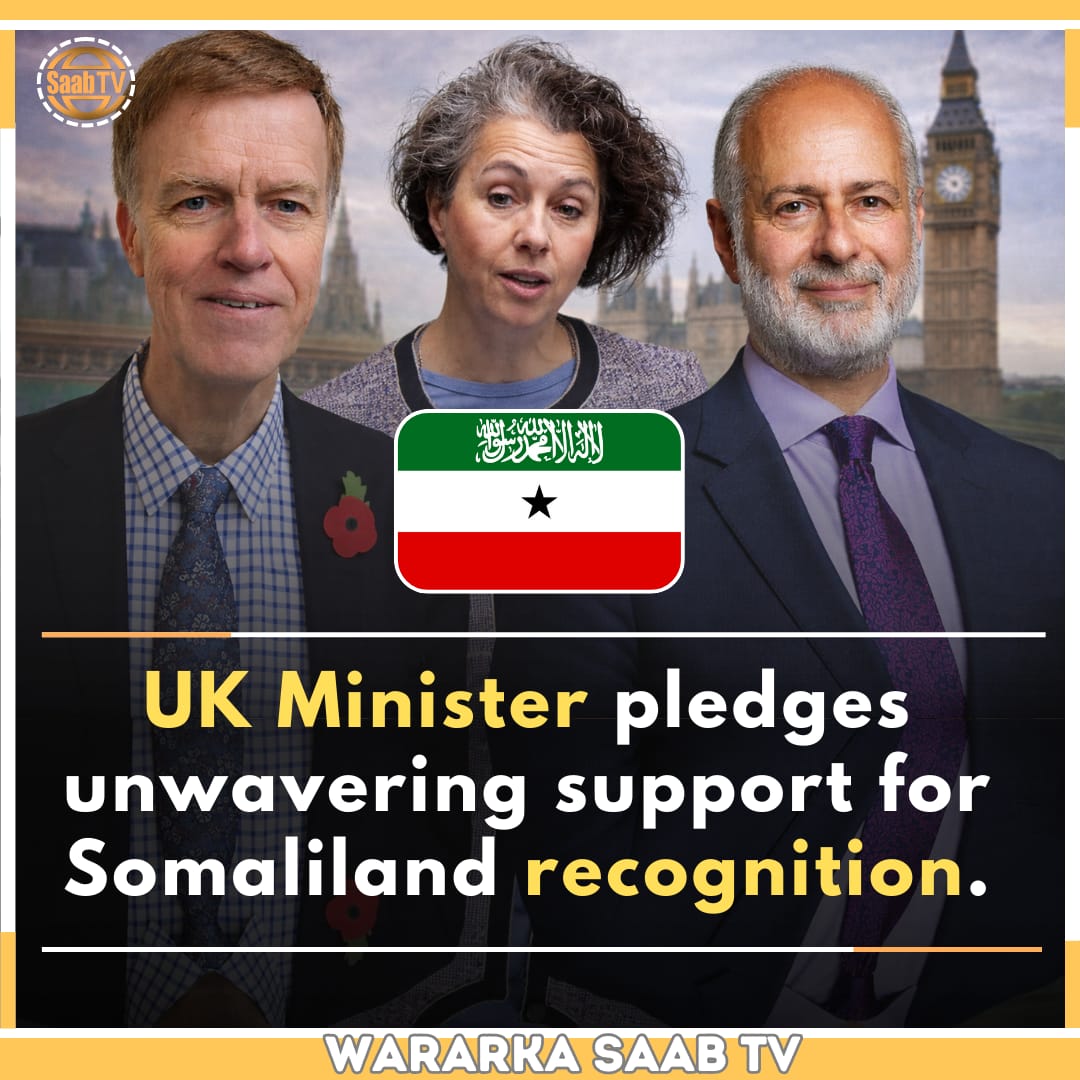
In a significant diplomatic push, members of the #UK Parliament—including high-ranking government officials—gathered at the Palace of Westminster to discuss the international recognition of the Republic of #Somaliland .
The high-level meeting, organized by the Somaliland diaspora in the UK, featured prominent figures including:
* Sarah Champion MP, Chair of the International Development Committee.
* Sir @stephenctimms MP, Minister of State for Social Security and Disability.
• Fabian Hamilton MP, a long-standing member of Parliament.
During the session, the lawmakers pledged to elevate #Somaliland 's case for sovereignty within the highest decision-making corridors of the British government.
Notably, Minister Sir Stephen Timms expressed strong support for the arguments presented by the Somaliland community, affirming a steadfast commitment to the ongoing campaign for the formal recognition of the Republic of #Somaliland independence.
“Invest in Somaliland, and we will support you with land.”
President of Somaliland H.E @Abdirahmanirro speaking to @CNNBusiness, sending a clear message to global investors: Somaliland is ready for business.
From ports to energy to logistics, opportunity meets policy support.
#InvestSomaliland