Possible Diagnoses:
Secondary Syphilis:
Secondary syphilis is a sexually transmitted infection caused by the bacterium Treponema pallidum.
Clinical Features of Secondary Syphilis:
Secondary syphilis typically occurs several weeks to a few months after the initial infection. It can present with various signs and symptoms, including:
1. Skin Rash: One of the hallmark features is a rash that can appear on the palms of the hands as in this case, soles of the feet, or anywhere on the body. This rash is often red, raised, and not itchy.
2. Mucous Membrane Lesions: Syphilis can cause sores or lesions in mucous membrane areas, such as the mouth, genitals, and anus.
3. Fever and Malaise: Patients may experience mild fever, fatigue, and a general feeling of being unwell.
4. Swollen Lymph Nodes: Enlarged lymph nodes, particularly in the neck, groin, or armpits, are common.
5. Hair Loss: Unexplained hair loss, especially on the scalp, can occur.
6. Flu-Like Symptoms: Some individuals may have symptoms resembling the flu, including sore throat, muscle aches, and headache.
7. Condylomata Lata: These are wart-like growths that can develop in moist areas like the genital or anal regions.
Etiology (Causes) of Secondary Syphilis:
Secondary syphilis is a stage of syphilis caused by the bacterium Treponema pallidum:
1. Bacterial Infection: Syphilis is caused by a specific bacteria known as Treponema pallidum.
2. Transmission: It's usually transmitted through sexual contact but can also spread from mother to baby during pregnancy.
3. Primary Syphilis: Secondary syphilis follows the initial or primary stage of syphilis.
4. Bloodstream Spread: During secondary syphilis, the bacteria spread throughout the body via the bloodstream, leading to the diverse symptoms mentioned above.
FAQs:
Q1: Is secondary syphilis contagious?Yes, secondary syphilis is contagious, especially when sores or rashes are present. It can be transmitted through sexual contact or from an infected mother to her baby during childbirth.
Q2: Can secondary syphilis be cured?
Yes, syphilis can be treated with antibiotics, such as penicillin, especially in the early stages. It's crucial to seek medical attention promptly to prevent complications.
Q3: What happens if secondary syphilis is left untreated?
If untreated, syphilis can progress to more severe stages and lead to serious health issues, including damage to the heart, brain, and other organs. It can be life-threatening in the long term.
Q4: How is secondary syphilis diagnosed?
Diagnosis involves a blood test to detect antibodies to the syphilis bacterium. Physical examination and testing of skin lesions may also be done.
Q5: Can you get syphilis more than once?
Yes, it's possible to get syphilis multiple times if exposed to the bacterium. Each infection should be treated promptly to prevent complications.
Try https://t.co/3XKwhCuWoV
Diagnosis and treatment? Patient just returned from a holiday in Thailand. He had a beach “tattoo” undertaken 10 days ago. Within a few days he developed persisting, itchy, red areas where the tattoo had been applied. Source: DermNet
Level-5 confirms Fantasy Life the Girl Who Steals Time is still heading to Switch this year! The game will introduce new jobs like becoming a farmer or fisher in addition to a whopping 11 more abilities! Decorating your home, terraforming and beautifying your town and exploration will all be part of the fun! I can't wait! 😍
A study found the combination of topical #minoxidil with oral #spironolactone was effective in treating androgenic #alopecia in women without adverse events.
https://t.co/O4GCdC46U1
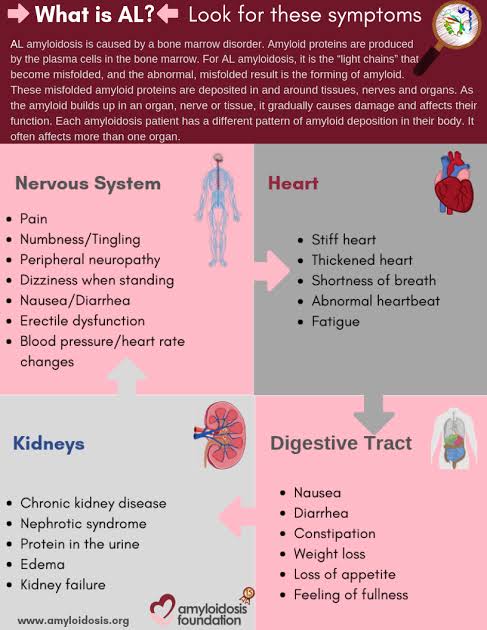
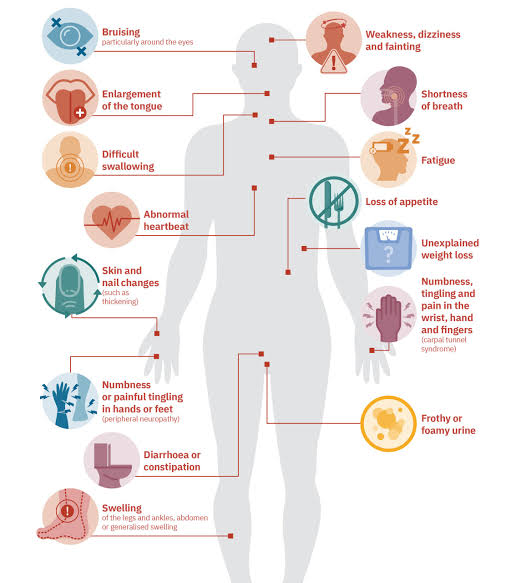
@dermatology AL amyloidosis
Lid purpura,nodules of amyloid on the tongue due to systemic AL amyloidosis.The most common type of amyloidosis results when light chains are produced in excess by clonal or frankly malignant plasma cells.occurs in 10-15% of patients with MM,WM,non-HL,SMM