📢 This Week With Huzoor - Lajna and Ansar National Ijtema UK 2026 [PROMO]
Hazrat Khalifatul Masih V (aba) graciously delivered two faith inspiring speeches at the National Lajna Ima'illah UK Ijtema and National Ansarullah UK Ijtema 2026.
Watch the full episode of 'This Week With Huzoor' here:
https://t.co/57Uddmsm4p
اپنے خاندان کی اِکائی کو مضبوط رکھیں تاکہ آپ کے بچوں کا مستقبل محفوظ ہو۔ یاد رکھیں کہ کوئی شخص بھی کامل نہیں ہے۔ اس لیے ایک دوسرے کی کمزوریوں کو نظر انداز کریں اور اچھائیوں پر نظر رکھیں۔ اگر ایسا کریں گے تو ایسا امن قائم ہوگا جو تعلقات کی بہتری کی طرف لے جائے گا۔
(حضرت خلیفۃ المسیح الخامس ایدہ اللہ تعالیٰ)
(سالانہ اجتماع لجنہ اماءاللہ برطانیہ ۲۰۲۶ء سے حضور انور کے خطاب کا خلاصہ) 👇
https://t.co/XVhwROtQvC
The Role of Women as Guardians of the Home and Children
Beloved Huzoor (aba) reminds Ahmadi women of the Holy Prophet’s (pbuh) declaration that a woman is the guardian and protector of her home. He cautions that when mothers fail to prioritize their children's well-being, children feel neglected and seek companionship outside or online, leaving them vulnerable to bad influences that harm their morals and behavior. Therefore, Ahmadi women must always remember their primary responsibility given by Allah to ensure the moral, spiritual, and physical upbringing of their children.
(Lajna Ima’illah UK National Ijtema 2026 address)
#MTAi #Ijtema2026
❓️What does Islam say about feminism? 🧕
Someone asked Huzoor (aa):
What does Islam say about feminism and is there any connection between Islam and feminism?
Huzoor (aa) stated:
“The answer to your... question is that Islam has explained in great detail the rights and duties of both men and women in accordance with their respective responsibilities. Regarding this worldly life, it states: وَلَهُنَّ مِثْلُ الَّذِي عَلَيْهِنَّ بِالْمَعْرُوفِ, meaning, ‘And they [the women] have rights similar to those [of men] over them in equity.’ (2 : 229) Furthermore, men have been commanded concerning women: وَعَاشِرُوهُنَّ بِالْمَعْرُوف, meaning, ‘and consort with them in kindness.’ (4 : 20) However, alongside this, because of certain responsibilities assigned to men in this worldly life, Islam also recognises that they have a degree of advantage over women, as it states: ‘Men are guardians over women because Allah has made some of them excel others and because they [men] spend of their wealth.’ (4 : 35) Similarly, it states that men have a rank above them. (2 : 229)
“Regarding the life of the Hereafter, it states: مَنْ عَمِلَ صَالِحًا مِنْ ذَكَرٍ أَوْ أُنْثَى وَهُوَ مُؤْمِنٌ فَلَنُحْيِيَنَّهُ حَيَاةً طَيِّبَةً وَلَنَجْزِيَنَّهُمْ أَجْرَهُمْ بِأَحْسَنِ مَا كَانُوا يَعْمَلُونَ (Surah an-Nahl, 16 : 98), meaning, ‘Whoso acts righteously, whether male or female and is a believer, We will surely grant him a pure life; and We will surely bestow on such their reward according to the best of their works.’
“Thus, both men and women have their respective station in Islam and each has an important role in society. This is why Islam has explained in great detail the rights and duties of both women and men. If both men and women act upon these teachings of Islam, their life in this world also becomes a paradise and no conflict over rights arises between them.
“In several of my addresses at the annual conventions of the UK and Germany, I have discussed these subjects in great detail in relation to the rights and duties of men and women, in light of the Holy Quran, the ahadith of the Holy Prophet (sa) and the statements of the Promised Messiah (as). You should listen to those again.”
For many young people today, dating is viewed as the natural way to get to know a prospective spouse. Some Ahmadis may therefore wonder whether supervised opportunities should be created within the Jamaat for young men and women to meet and explore possible compatibility. Before adopting such proposals, however, we should examine the spiritual and practical assumptions behind them.
Young people can also mistake attraction or desire for durable love. Feelings may change, and a relationship built primarily on physical attraction may not provide the spiritual, emotional and practical foundations required for marriage.
The phrase “falling in love” can make every attraction sound natural, harmless and beyond moral scrutiny. Love is not itself sinful, but Islam requires desire to be governed rather than obeyed without limits. What is celebrated as love may at times be infatuation or lust, and following it can lead a person towards sin.
The lesson is that loving something does not make it good for us in every form or circumstance. Even a lawful desire must be pursued in line with the teachings of Islam and the guidance of the Holy Prophet (sa). When desire is detached from those limits, it can become a path towards sin.
Islamic teaching therefore draws boundaries around private intimacy and seclusion before marriage. The Holy Prophet (sa) warned: “Behold! A man is not alone with a woman but the third of them is Satan.” (Jami at-Tirmidhi, Hadith 2165)
It does not imply that every necessary interaction between men and women is forbidden; Ahmadis may need to study or work together. It does warn against deliberately cultivating private, emotionally intimate relationships outside marriage. If a young man and woman sustain such a relationship for years, secrecy and unchecked desire can gradually weaken the boundaries they intended to maintain.
Moving an interaction online does not automatically remove the risk. Private messages can create secrecy and emotional intimacy even when two people rarely meet. Necessary work or study interactions can instead be kept purposeful, courteous and professional.
The pledges we make as Ahmadis do not mean that every feeling is chosen. They mean that our conduct should not be governed by passion, however strong the feeling may be. A pre-marital relationship sustained by secrecy and unchecked desire risks allowing passion to direct decisions that should be guided by faith, responsibility and prayer.
These pledges call Ahmadis to place faith and duty above personal desire. The guidance of purdah and the rishta nata system should be understood in this light: their purpose is not to deny affection but to help direct it towards dignified, serious and lasting marriage.
Not every experience described as “falling in love” is love, and love itself is not sin. The danger lies in allowing attraction to become a secret or unbounded relationship that draws us away from divine guidance. Love worthy of marriage is expressed through responsibility, patience, sacrifice and obedience to Allah.
Our youth completed a 90KM charity cycle today, around Blessington lakes 🚴♂️☀️.
This was a follow on to our charity walk earlier this year, to fundraise for SVP & Barnardos.
خداکےبرگزیدوں سےمحبت کی توجانا ہے
صفاتِ ربِ رحمٰں کی تلاوت کی توجاناہے
کبھی سجدےمیں اشکوں سےریاضت کی توجاناہے
امام وقت کےہاتھوں پہ بیعت کی توجاناہے
کوئی طوفان آجائےدیادل کاجلارکھنا
خداسے عشق کرناہےغم خلق خدارکھنا
#Humanity_First#خدمت_خلق#انسانیت
https://t.co/BZ3pOxh2H5
ایک احمدی مسلمان بننے کےلیے ہم نے اپنا کردار ادا کرنا ہے۔ہمیں یہ دیکھنا ہے کہ حضرت مسیح موعودؑ ہم سے کیا چاہتے ہیں۔آپؑ نے مخلتف موقعوں پرنصائح فرمائیں ان کو ہمیشہ یادرکھنا چاہیے اور یہ تب ہو سکتاہے کہ ان کو سامنے رکھتے ہوئے ان کودہراتے رہیں۔ورنہ احمدی ہونے کامقصد پورا نہیں ہوسکتاہے
(حضرت خلیفۃ المسیح الخامس ایدہ اللہ تعالیٰ بنصرہ العزیز)
جلسہ سالانہ جرمنی ۲۰۲۶ء کے موقع پر مستورات سے خطاب کا خلاصہ
https://t.co/00A8EimFcS
𝗣𝗮𝗿𝗲𝗻𝘁𝗮𝗹 𝗴𝘂𝗶𝗱𝗮𝗻𝗰𝗲 𝗳𝗿𝗼𝗺 𝗞𝗵𝗶𝗹𝗮𝗳𝗮𝘁
In this video, Hazrat Khalifatul Masih (aba) has emphasized that the practice of Pardah is a clear and binding commandment from Allah and His Prophet Muhammad (peace & blessings be upon him)
https://t.co/113wSgOMBJ
❓️𝗗𝗼𝗲𝘀 𝘁𝗵𝗲 𝗽𝗿𝗼𝗽𝗵𝗲𝗰𝘆 𝗼𝗳 𝗠𝘂𝘀𝗹𝗲𝗵-𝗲-𝗠𝗮𝘂𝗱 𝗺𝗲𝗻𝘁𝗶𝗼𝗻 𝘁𝗵𝗲 𝗰𝗼𝗹𝗼𝘂𝗿 𝗴𝗿𝗲𝗲𝗻?
A missionary wrote to Huzoor (aa), stating that the trend of wearing green clothes among people at Jalsa Musleh-e-Maud has grown significantly, to the extent that the entire mosque is decorated with the colour green and everyone is urged to wear green clothes on that day.
Huzoor provided the following guidance in this regard:
“Firstly, in this regard, the grand prophecy of Musleh-e-Maud granted to the Promised Messiah (as) is not called ‘the green prophecy’ because there is no mention of the colour green in it, nor does this prophecy have any direct connection with the colour green. This prophecy, which is referred to as the prophecy of 20 February 1886 and was published on 1 March 1886 in the supplement of the Riaz-e-Hind newspaper of Amritsar, was printed on standard off-white paper. The green announcement is different from the aforementioned prophecy and is titled Haqqani Taqrir Bar Waqi‘ah Wafat-e-Bashir [A Truthful Discourse on the Death of Bashir], which was published on 1 December 1888 in Riaz-e-Hind, Amritsar. In this announcement, the Promised Messiah (as) elaborated on certain portions of the Musleh-e-Maud prophecy of 20 February 1886 and recorded some signs and names of this illustrious son that were mentioned in the original prophecy of 20 February 1886. Since this announcement was published on green paper, it is referred to as the Green Announcement [Sabz Ishtihar]. And since it contains an elaboration of the Musleh-e-Maud prophecy of 20 February 1886 along with a mention of some of its parts, a connection with the colour green has also been established with the prophecy of Musleh-e-Maud. Thus, a tradition has developed within the Jamaat where, during the gatherings held on 20 February, some girls and women from Lajna wear green clothes or scarves and in the decoration of certain mosques where the Musleh-e-Maud Day gatherings are to take place, some green items are used to a certain extent.
“Otherwise, green is a beautiful colour that is pleasing to the eyes. The mystics have also described a physical association of this colour with the personage of the Holy Prophet (sa), observing that the dome upon his blessed tomb is green, which is known as the Gumbad-e-Khazra. It is well known among the mystics and the people of the spiritual path that the reflection of the blessed tomb becomes fixed in the eyes of a true lover of the Holy Prophet (sa) due to the constant remembrance of their Master and Guide (sa) in their heart and mind, causing the colour of their eyes to appear green...
“Thus, if someone incorporates the colour green into their attire on the day of the Jalsa Musleh-e-Maud to express these associations and their joy or if some green decoration is put up in a mosque, there is no harm in it. However, it is entirely wrong to make it binding upon people, compelling them to attend wearing green attire or to think ill of those who do not wear green clothes or to force them into wearing it.
“When Hazrat Khalifatul Masih IV (rh) was asked about the wisdom of the green colour in the Green Announcement, he stated:
“‘Green is a good colour and because it was a glad tiding, a prophecy concerning a boy and it was a joyful news, perhaps the colour green was chosen for this reason. I remember that in Qadian on Musleh-e-Maud Day, girls used to wear green clothes in association with the Green Announcement.’
“Therefore, if some girls wear green scarves and the like on the occasion of Jalsa Musleh-e-Maud or if some people wear a piece of green clothing, there is no harm in this at all. Even in my classes with young girls, a number of them arrive wearing green scarves or green shawls. I do not stop them from doing so. However, when this practice begins to take on the form of an unlawful innovation [bid‘ah], the Khalifa of the Time will himself stop it, insha-Allah.”
From ascetic piety to modern comfort, how did “sofa” change its meaning so radically?
Find out how:
#MuslimsSaidItFirst
This video is based on our ‘Muslims Said It First’ series originally published on our website. Visit https://t.co/mGdgBrSIKU for more content.
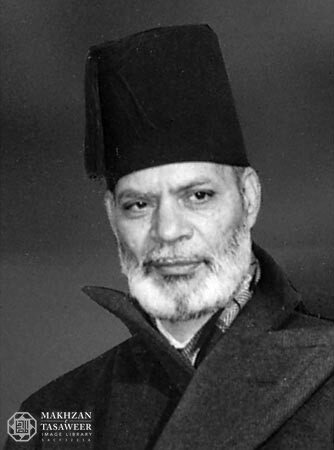
سیّداحمد سعید کرمانی بیان کرتے ہیں:
ظفراللہ کے لیے بادشاہ اور صدور آداب و رسوم کو بالائے طاق رکھ دیتے تھے۔مراکش کے شاہ حسن ان کے استقبال کے لیے محل کی سیڑھیوں تک چل کر آئے،مصر کے صدر نجیب ان کولینے خود ہوائی اڈّہ پر پہنچے۔اردن کے شاہ حسین انہیں اپنا بھائی سمجھتے تھے۔ الجیریا کی گلیوں میں عوام ان کے استقبال کےلیے قطاردرقطار کھڑےرہتےتھے۔تیونس میں پیدا ہونے والے کئی بچوں کے نام ان کے نام پر رکھے گئے۔
https://t.co/NghRPGwKNw
A solar eclipse is a unique celestial event that inspires awe in both nature and human beings. During an eclipse, bees stop buzzing, birds stop whistling, crickets begin chirping, and plants experience diminished rates of photosynthesis and water loss similar to what happens at night.
For humans, an eclipse can inspire something akin to fear and awe, reminding us of our mortality. Research into the solar eclipse of 14 October 2023 found the occurrence of awe at various stages throughout the eclipse, while heightened introspection was indicated immediately after the eclipse.
The Holy Prophet (sa) stated over a thousand years ago: “The sun and the moon are two signs amongst the signs of Allah and they do not eclipse because of the death of someone, but Allah awes His servants with them.”
Islam teaches that eclipses are not merely events to be observed as entertainment. When an eclipse occurs, Muslims are instructed to remember Allah, extol His greatness, observe the salat and give charity.
When the solar eclipse occurred during the lifetime of the Holy Prophet (sa), he was fearful that the Day of Judgment was near. He went to the mosque and led congregational prayers with the longest standing, bowing and prostration that his companion had ever seen him doing.
The true essence of fear of celestial events in Islam does not stem from the fear of death or physical harm. A believer understands that their time of death is predetermined and does not fear death itself. Rather, the believer always harbours a sense of awe and love for Allah, maintaining a cautious stance towards such events, considering them potentially indicative of Allah’s displeasure or precursors to divine punishment.
An eclipse is a unique event that reminds us of our complete lack of control over our fates. Such events are opportunities to reflect on one’s relationship with the Creator and the universe.
Hazrat Khalifatul Masih V (aa) stated:
“For a believer, this eclipse becomes a means for prayer and istighfar. Thus, an Ahmadi must always pay attention to this.”


![AlHakamWeekly's tweet photo. ❓️What does Islam say about feminism? 🧕
Someone asked Huzoor (aa):
What does Islam say about feminism and is there any connection between Islam and feminism?
Huzoor (aa) stated:
“The answer to your... question is that Islam has explained in great detail the rights and duties of both men and women in accordance with their respective responsibilities. Regarding this worldly life, it states: وَلَهُنَّ مِثْلُ الَّذِي عَلَيْهِنَّ بِالْمَعْرُوفِ, meaning, ‘And they [the women] have rights similar to those [of men] over them in equity.’ (2 : 229) Furthermore, men have been commanded concerning women: وَعَاشِرُوهُنَّ بِالْمَعْرُوف, meaning, ‘and consort with them in kindness.’ (4 : 20) However, alongside this, because of certain responsibilities assigned to men in this worldly life, Islam also recognises that they have a degree of advantage over women, as it states: ‘Men are guardians over women because Allah has made some of them excel others and because they [men] spend of their wealth.’ (4 : 35) Similarly, it states that men have a rank above them. (2 : 229)
“Regarding the life of the Hereafter, it states: مَنْ عَمِلَ صَالِحًا مِنْ ذَكَرٍ أَوْ أُنْثَى وَهُوَ مُؤْمِنٌ فَلَنُحْيِيَنَّهُ حَيَاةً طَيِّبَةً وَلَنَجْزِيَنَّهُمْ أَجْرَهُمْ بِأَحْسَنِ مَا كَانُوا يَعْمَلُونَ (Surah an-Nahl, 16 : 98), meaning, ‘Whoso acts righteously, whether male or female and is a believer, We will surely grant him a pure life; and We will surely bestow on such their reward according to the best of their works.’
“Thus, both men and women have their respective station in Islam and each has an important role in society. This is why Islam has explained in great detail the rights and duties of both women and men. If both men and women act upon these teachings of Islam, their life in this world also becomes a paradise and no conflict over rights arises between them.
“In several of my addresses at the annual conventions of the UK and Germany, I have discussed these subjects in great detail in relation to the rights and duties of men and women, in light of the Holy Quran, the ahadith of the Holy Prophet (sa) and the statements of the Promised Messiah (as). You should listen to those again.”](https://pbs.twimg.com/media/HSWV7HyW8AAelJU.jpg)


![AlHakamWeekly's tweet photo. ❓️𝗗𝗼𝗲𝘀 𝘁𝗵𝗲 𝗽𝗿𝗼𝗽𝗵𝗲𝗰𝘆 𝗼𝗳 𝗠𝘂𝘀𝗹𝗲𝗵-𝗲-𝗠𝗮𝘂𝗱 𝗺𝗲𝗻𝘁𝗶𝗼𝗻 𝘁𝗵𝗲 𝗰𝗼𝗹𝗼𝘂𝗿 𝗴𝗿𝗲𝗲𝗻?
A missionary wrote to Huzoor (aa), stating that the trend of wearing green clothes among people at Jalsa Musleh-e-Maud has grown significantly, to the extent that the entire mosque is decorated with the colour green and everyone is urged to wear green clothes on that day.
Huzoor provided the following guidance in this regard:
“Firstly, in this regard, the grand prophecy of Musleh-e-Maud granted to the Promised Messiah (as) is not called ‘the green prophecy’ because there is no mention of the colour green in it, nor does this prophecy have any direct connection with the colour green. This prophecy, which is referred to as the prophecy of 20 February 1886 and was published on 1 March 1886 in the supplement of the Riaz-e-Hind newspaper of Amritsar, was printed on standard off-white paper. The green announcement is different from the aforementioned prophecy and is titled Haqqani Taqrir Bar Waqi‘ah Wafat-e-Bashir [A Truthful Discourse on the Death of Bashir], which was published on 1 December 1888 in Riaz-e-Hind, Amritsar. In this announcement, the Promised Messiah (as) elaborated on certain portions of the Musleh-e-Maud prophecy of 20 February 1886 and recorded some signs and names of this illustrious son that were mentioned in the original prophecy of 20 February 1886. Since this announcement was published on green paper, it is referred to as the Green Announcement [Sabz Ishtihar]. And since it contains an elaboration of the Musleh-e-Maud prophecy of 20 February 1886 along with a mention of some of its parts, a connection with the colour green has also been established with the prophecy of Musleh-e-Maud. Thus, a tradition has developed within the Jamaat where, during the gatherings held on 20 February, some girls and women from Lajna wear green clothes or scarves and in the decoration of certain mosques where the Musleh-e-Maud Day gatherings are to take place, some green items are used to a certain extent.
“Otherwise, green is a beautiful colour that is pleasing to the eyes. The mystics have also described a physical association of this colour with the personage of the Holy Prophet (sa), observing that the dome upon his blessed tomb is green, which is known as the Gumbad-e-Khazra. It is well known among the mystics and the people of the spiritual path that the reflection of the blessed tomb becomes fixed in the eyes of a true lover of the Holy Prophet (sa) due to the constant remembrance of their Master and Guide (sa) in their heart and mind, causing the colour of their eyes to appear green...
“Thus, if someone incorporates the colour green into their attire on the day of the Jalsa Musleh-e-Maud to express these associations and their joy or if some green decoration is put up in a mosque, there is no harm in it. However, it is entirely wrong to make it binding upon people, compelling them to attend wearing green attire or to think ill of those who do not wear green clothes or to force them into wearing it.
“When Hazrat Khalifatul Masih IV (rh) was asked about the wisdom of the green colour in the Green Announcement, he stated:
“‘Green is a good colour and because it was a glad tiding, a prophecy concerning a boy and it was a joyful news, perhaps the colour green was chosen for this reason. I remember that in Qadian on Musleh-e-Maud Day, girls used to wear green clothes in association with the Green Announcement.’
“Therefore, if some girls wear green scarves and the like on the occasion of Jalsa Musleh-e-Maud or if some people wear a piece of green clothing, there is no harm in this at all. Even in my classes with young girls, a number of them arrive wearing green scarves or green shawls. I do not stop them from doing so. However, when this practice begins to take on the form of an unlawful innovation [bid‘ah], the Khalifa of the Time will himself stop it, insha-Allah.”](https://pbs.twimg.com/media/HRNMfRLWMAINTze.jpg)