@pouriazeraati از حرومزادگیشه… جمهوری اسلامی براش مردم و زیرساختهای ایران ارزشی نداره…همه هم اینو میدونند منجمله مشاورای ترامپ. باز هم می خواد مردم رو اذیت کنه! حشد الشعبی قطار قطار وارد شدن هیچ کاریشون نداشت. ما از غرب و شرق خیری ندیدیم. شروع دشمنیشونم هم از ۵۷ نبود از اواخر قاجار بود.
@pouriazeraati یه جوری میگه انگار زیرساختهای ایران برای جمهوری اسلامی مهمه. خودش بهتر می دونه! میزنه بعد مجبور بشیم از خودشون بخریم باز… بیچاره مردم که هر دو طرف باید باخت بدن همیشه
@pouriazeraati جای اینکه کاروان حشدالشعبی رو بزنن نیروگاه های برق مردم رو میزنن… یه جای کار میلنگه… حشدالشعبی قطار قطار وارد خاک ایران شدن یه خط روشون ننداختن
Volumized Order Block
An overlay tool that finds bullish/bearish order block zones, draws them as price areas, and adds volume
#BTC#ETH#S&P $BTC $USDT #dxy
https://t.co/5Cr3l88uv9
@rd4150545 @NUFDIran@seagullshah@grok This is not an ai !!!! FYI the athlete kid in the video is ‘Sepehr’. Son of the guy that is looking among thousands of corpses. Full version is even longer…
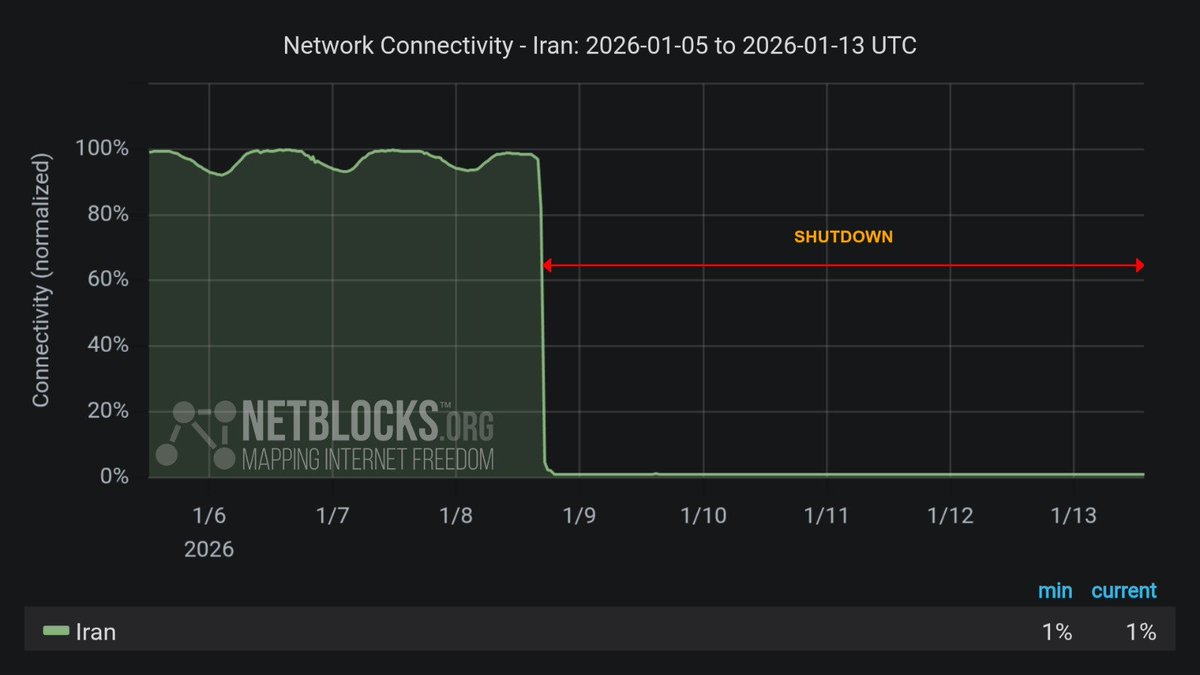
⚠️ Update: #Iran has now been offline for 120 hours.
Despite some phone calls now connecting, there is no secure way to communicate and the general public remain cut off from the outside world.
What footage makes it through shows extensive use of force against civilians 📵
@pouriazeraati این کی و چگونه ها ی اینها فقط باعث کشتار بیشتر جوونای بی دفاعمون و داغدار شدن خانواده هاست. ما هم هیچ کاری جز توییت گذاشتن و جواب این پاکستانی ها و چپی های پولی رو دادن از دستمون بر نمیاد…
The European Union was built on the promise of “never again.”
Today, that promise is being tested in Iran. In recent days, the ruling regime has carried out massacres against its own people—not in war, not in armed conflict, but in the streets, against unarmed civilians shot at close range. These are not just videos circulating online; they are moments in which mothers and fathers search among lifeless bodies for the name of their child. The world knows what is happening. The question is no longer one of awareness, but of will.
Europe knows the cost of silence. It has walked this road before—in the darkest chapters of the 20th century, and again in the Balkans—when hesitation, neutrality, and delayed action allowed atrocities to unfold. Each time, history returned with the same unforgiving question: why wasn’t action taken sooner? Hollow statements and routine “expressions of concern” are neither diplomacy nor restraint. They are a postponement of responsibility.
Recalling European ambassadors from Tehran would not be symbolic; it would be the minimum moral red line. It would send a clear message that the killing of civilians is not an “internal matter.” Leaders who remain silent today, or hide behind weak statements, should understand this: these images will endure. The faces, the tears, the voices are recorded—and history will judge not only the perpetrators, but also the bystanders.