Exciting to see the work of @UniofOxford's placental imaging research group featured by @SciTechgovuk. Wonderful to work with such a dedicated and photogenic team!
@Ox_wrh
AI is transforming prenatal care, with the help @UniofOxford's OxNNet toolkit.
The tech detects high-risk foetal growth restrictions early by measuring the placental size & estimating the blood flow within it in the first trimester, to help prevent stillbirths.
@AccretaResearch
Quite elated having our article published in the esteemed RCOG-affiliated peer-reviewed "The Obstetrician and Gynaecologist" (TOG) 🤩
Special thanks to my senior colleagues at UCL; Radha, Osnat and Dr Miller 🙏🏼
https://t.co/Yp3YoUbH2f
“The breadth of obstetrics and gynaecology, and advanced imaging technology, lends itself to adoption of #AI in diagnostics for gynaecological cancers, embryo selection, remote patient monitoring pregnancy outcome prediction" @LucyMackillop@SamMathewlynn https://t.co/sc15mFCHQc
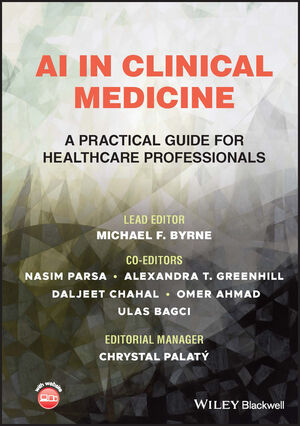
🚨Excited to announce that AI in Clinical Medicine will soon hit the shelves! This is the definitive textbook for the emerging use of AI throughout clinical medicine, & we believe that it will provide a solid foundation for getting the medical community up to speed with AI! 👇
Kielland’s rotational forceps delivery are a safe option in the second stage. Meta-analysis shows they are associated with a lower risk of haemorrhage compared to both C-section at full-dilatation and straight-traction forceps after manual rotation.
https://t.co/ro8r2nJ8du
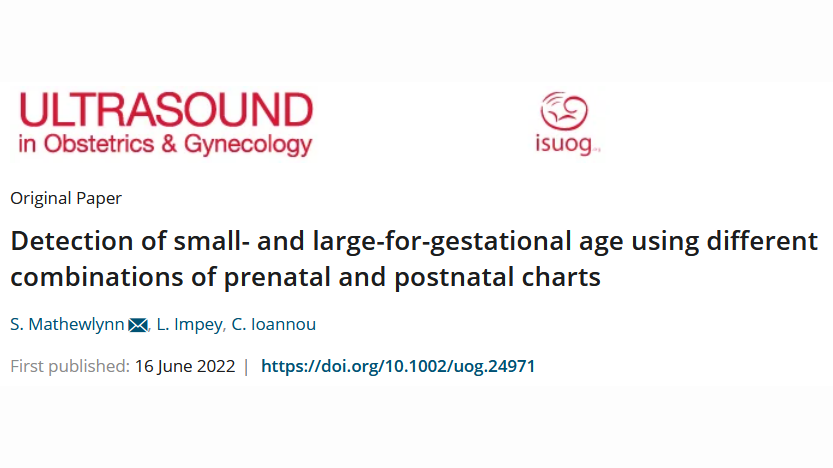
September #UOGJournal: a study by Mathewlynn et al. shows that different combinations of EFW and birth-weight charts can lead to vastly different detection rates for small-for-gestational age and large-for-gestational age https://t.co/hmgwVuqd6E #ISUOG@WileyHealth
New #UOGJournal study by Mathewlynn et al. demonstrates that different combinations of prenatal and postnatal growth charts yield vastly different detection rates in the same population and time period: https://t.co/tZ7D3hvJwx #ISUOG#LoveUltrasound@WileyHealth
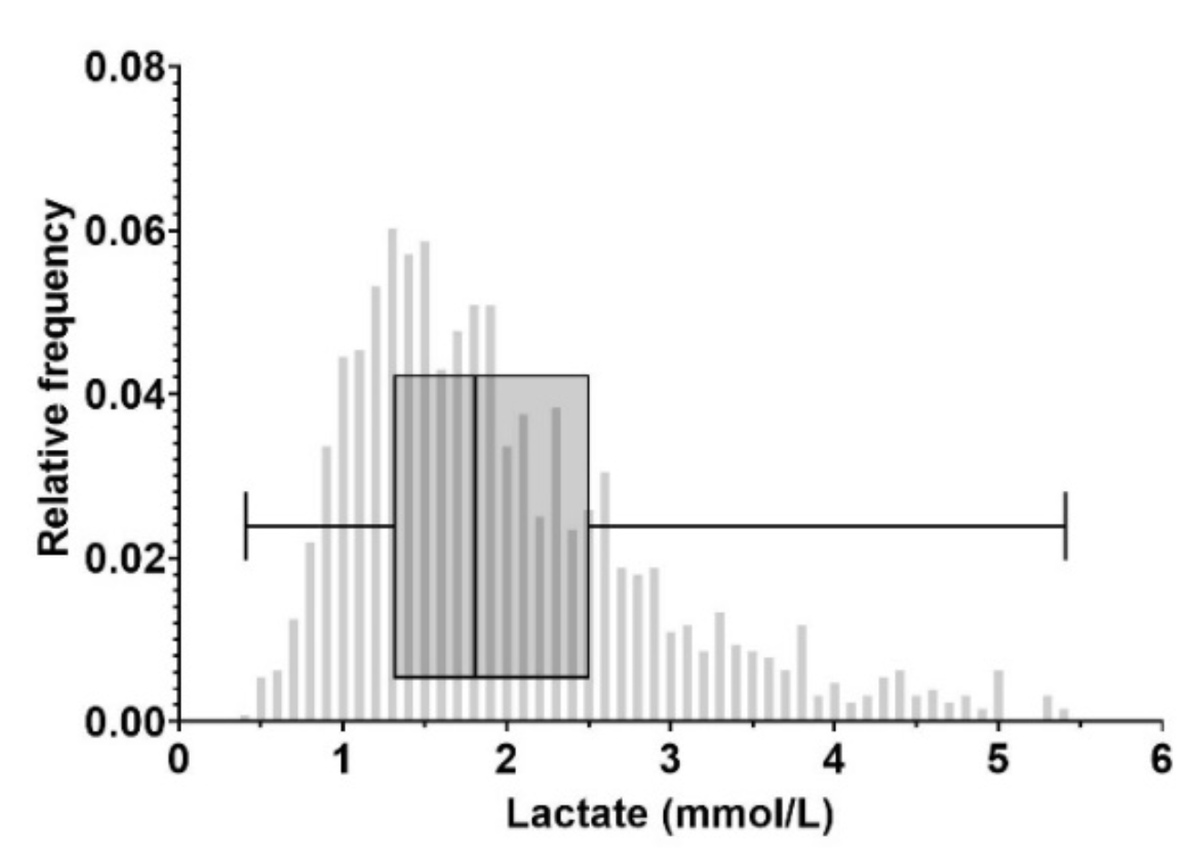
Lactate is >2mmol/L in almost half of women in labour and the puerperium, potentially limiting its utility for making decisions about antibiotics.
https://t.co/aFaO2nnFkc
Leaked documents suggest that the US Supreme Court could soon overturn the right to legal abortion in the United States. A decision like this would remove legal access to abortion for millions of women and girls and be detrimental to sexual and reproductive health. (1/2)
In hyperglycemic pregnancies, large for dates and low CPR are independent and mutually enhancing risk factors for adverse perinatal outcome. It is the low CPR and not the AC growth acceleration that predicts those large fetuses at most risk.
https://t.co/MO9N2wi687
Can you help us?
The Global Library of Women’s Medicine in a non-profit organisation whose purpose is to contribute to the enhancement of #WomensHealthCare. We are using social media to reach out more and we would greatly appreciate it if you could help us by sharing the page.
Out today. Another crucial argument against racial “customising” of expected fetal growth. Babies in high risk individuals should be monitored more closely, not less. Incorrect low expectations of “growth potential” can cost lives.@ISUOG https://t.co/isCoBCLUrW
Decision aid from RCOG/RCM for pregnant women considering the COVID vaccine https://t.co/cFk7GhHOHd @RCObsGyn@MidwivesRCM @PHE_uk https://t.co/IkfAjWfoqM
Following the announcement in July by @DHSCgovuk minister Nadine Dorries, we’re excited to launch the ABC collaboration, an ambitious new programme on monitoring and responding to babies’ wellbeing during labour with @MidwivesRCM & @RCObsGyn https://t.co/6wbAkIH9vl
Change is afoot.
“For the first time women will now be able to buy progesterone-only oral contraceptive pills without prescription in the UK, increasing choice for women in the ways in which they can access contraception.”
#womenshealth
https://t.co/t7cLftNve5
Instrumental vaginal delivery is often a good alternative to a full dilatation Caesarean, which also can have serious morbidity. This includes a six fold increase risk in future preterm birth. OBGYN https://t.co/jfHbxliTlX