Forrest Fellow at UWA | Researching how environmental drivers influence the evolution and ecology of marine habitats | Climate change research | 🇨🇦 in 🇦🇺
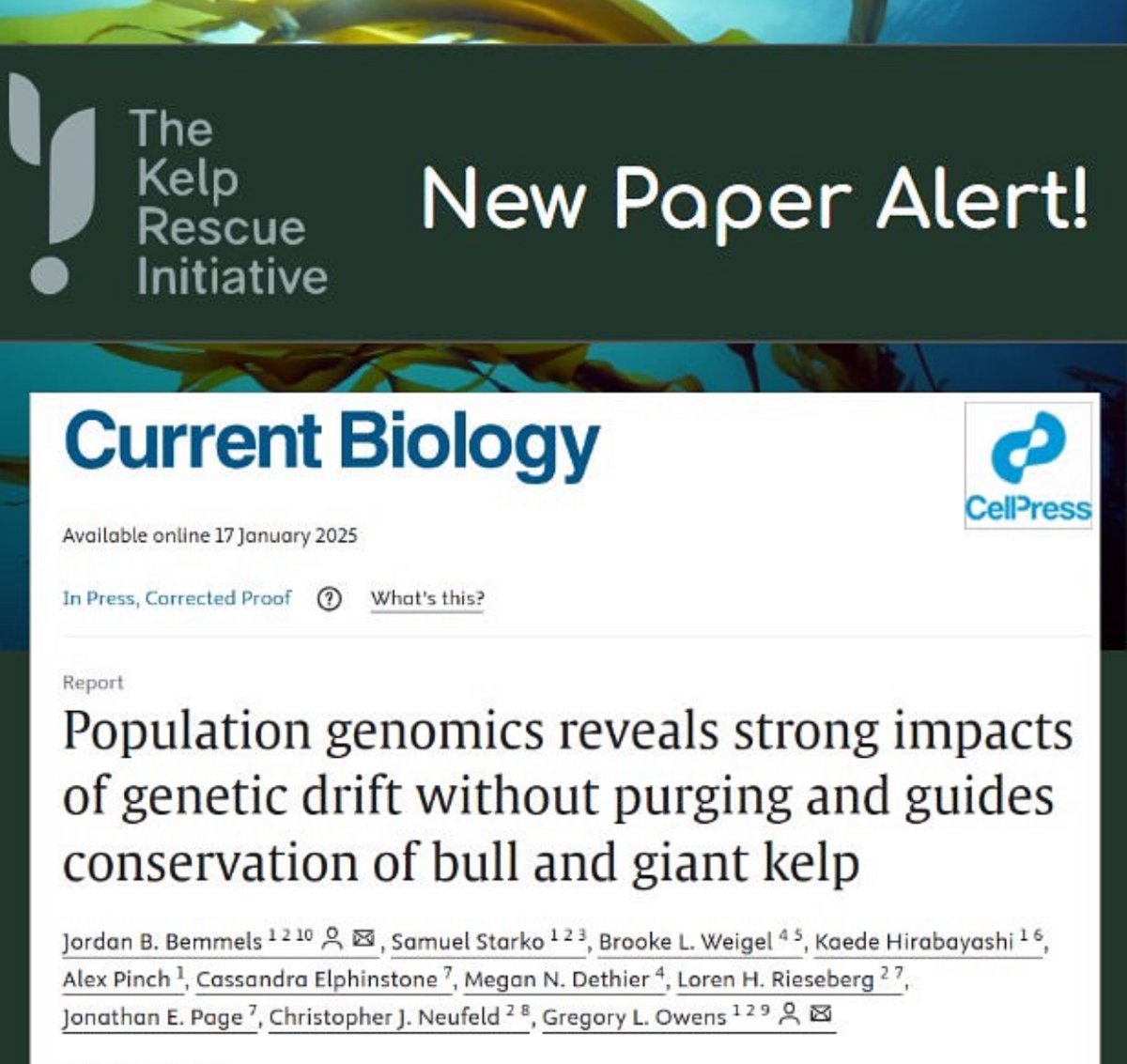
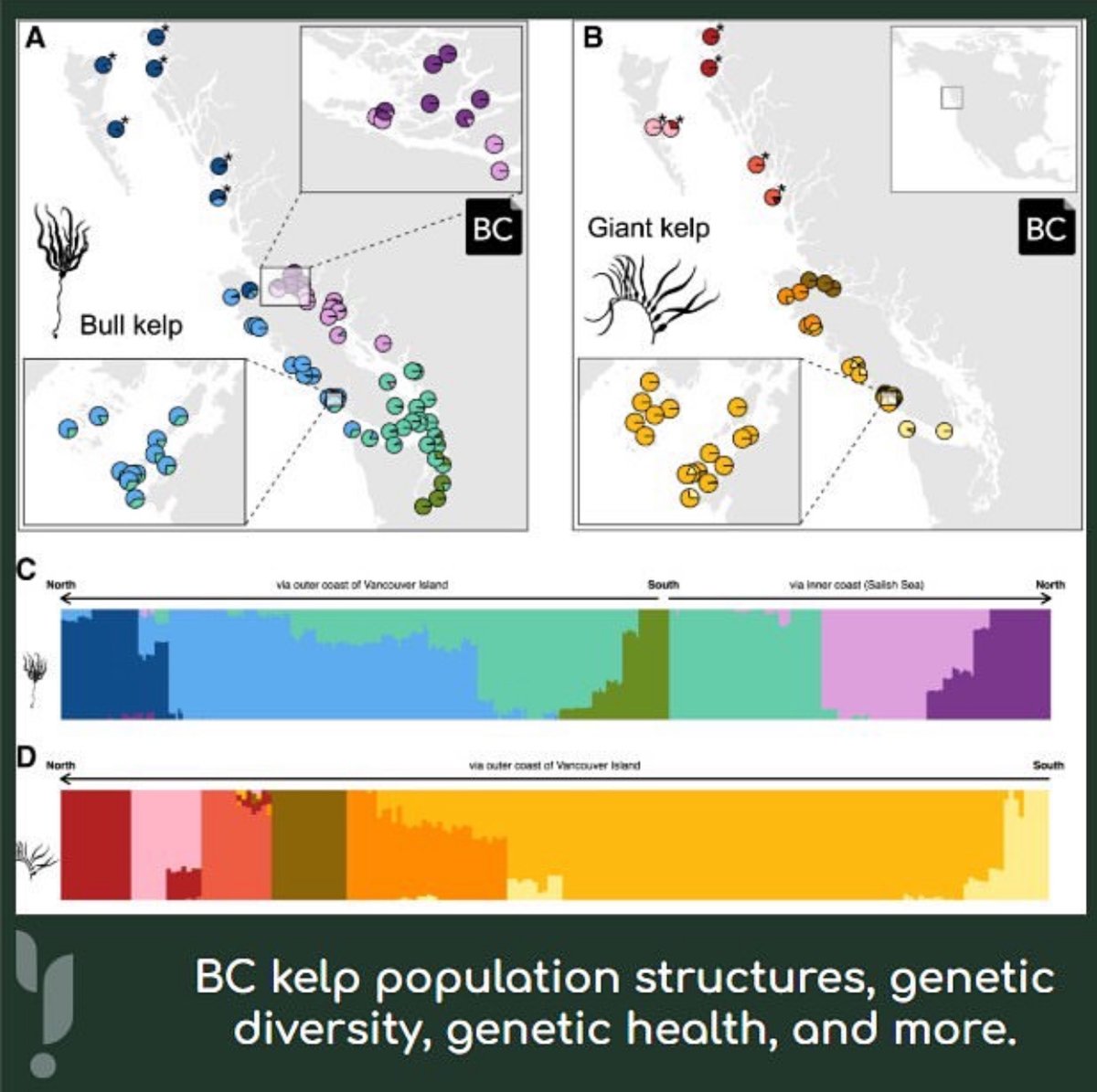
Really excited to share our new @kelprescue paper on bull #kelp and giant #kelp population #genomics.
We identify the genetic structure of these two critical species and investigate the consequence of small population size for genetic health & restoration
https://t.co/G3RClowSqu
Excited to share the Phaeoexplorer paper out today in Cell: Evolutionary genomics of the emergence of brown algae as key components of coastal ecosystems! 🌊 Including the genome of Dictyota dichotoma and many more! https://t.co/4rM2YGhmuU #Seaweed
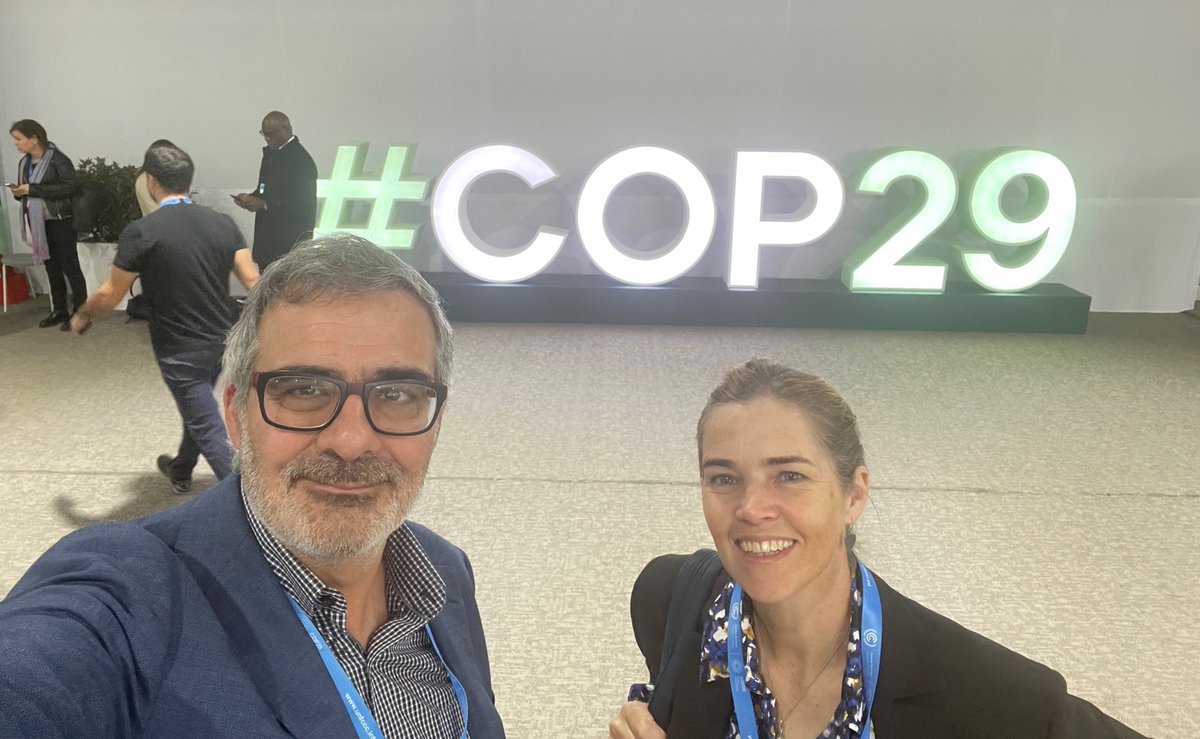
Huge thanks to @ForrestResearch and @uwaoceans for supporting this opportunity to attend #COP29
It has been amazing to see all of the ways that people from all over the world engage with the greatest challenge of all time
At #COP29 in Baku this week, the Oceans Institute was proud to showcase innovative solutions to accelerate decarbonisation and reach net zero targets.
From wave power to offshore renewables and blue carbon credits, we’re driving progress in sustainable energy.
Our OI team have arrived in Baku, Azerbaijan for COP29. These conferences are the world’s only multilateral decision-making forum on climate change that brings together almost every country on Earth. We’re excited to be attending alongside key partners & friends of the Institute
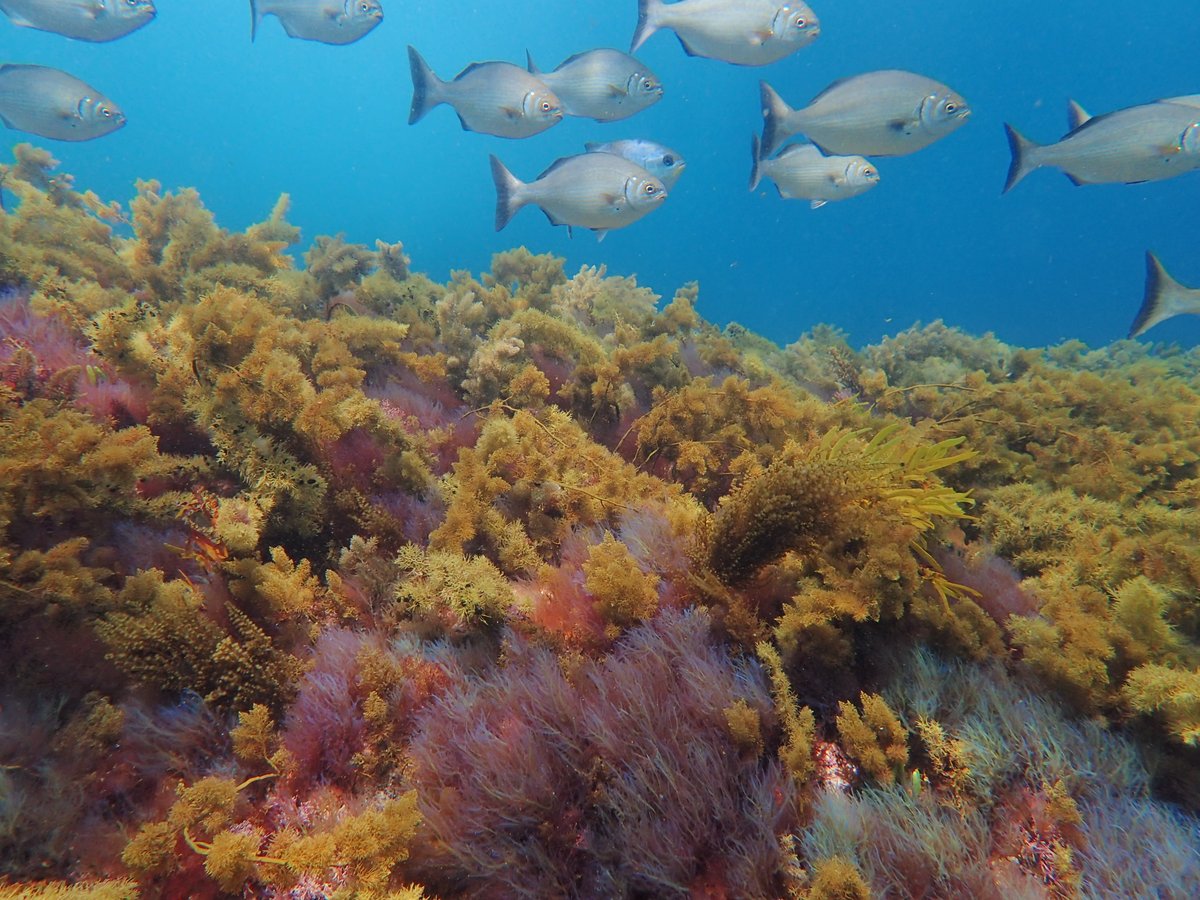
🌊1/Seaweed forests worldwide are changing rapidly due to climate change. Western Australia’s forests are dramatic examples of this, but what about the biodiversity hotspot on the south coast? Our latest historical ecology research finds out... 🧵
https://t.co/mZLDxUIAlD
🌱Seaweed forests of the south coast of Australia contain ~15% of the world's seaweed species 😲 These forests contribute uniquely to temperate reef ecosystem functions https://t.co/MonkSfPlDM, but little is known about how they are responding to climate change...
🌊1/Seaweed forests worldwide are changing rapidly due to climate change. Western Australia’s forests are dramatic examples of this, but what about the biodiversity hotspot on the south coast? Our latest historical ecology research finds out... 🧵
https://t.co/mZLDxUIAlD
Why are the impacts of #climatechange so variable? Excited to share our new review paper in @GlobalChangeBio which explores the role of local environmental variation in mediating the impacts of extreme marine heatwaves
@UWAresearch@ForrestResearch
https://t.co/pedLKVoqA3
Happy to share my first paper!
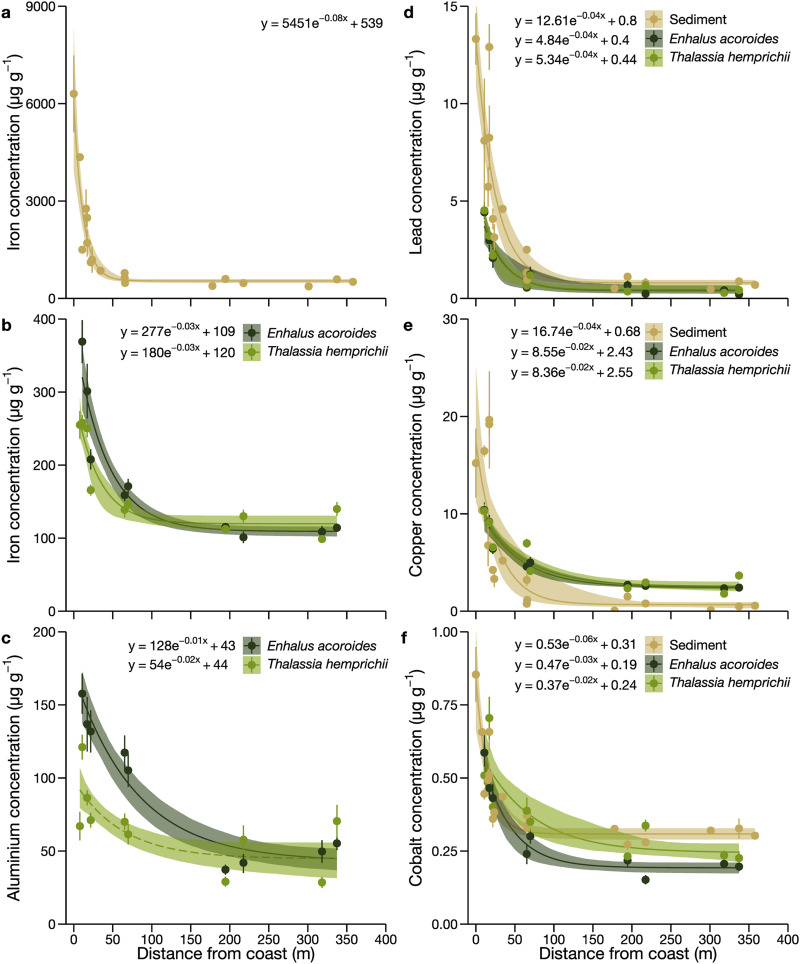
Featuring the first spatial quantification of #metalpollution in a tropical seagrass meadow and showing how metal concentrations differ between two #seagrass species 🌱
https://t.co/27mEaOZfBY
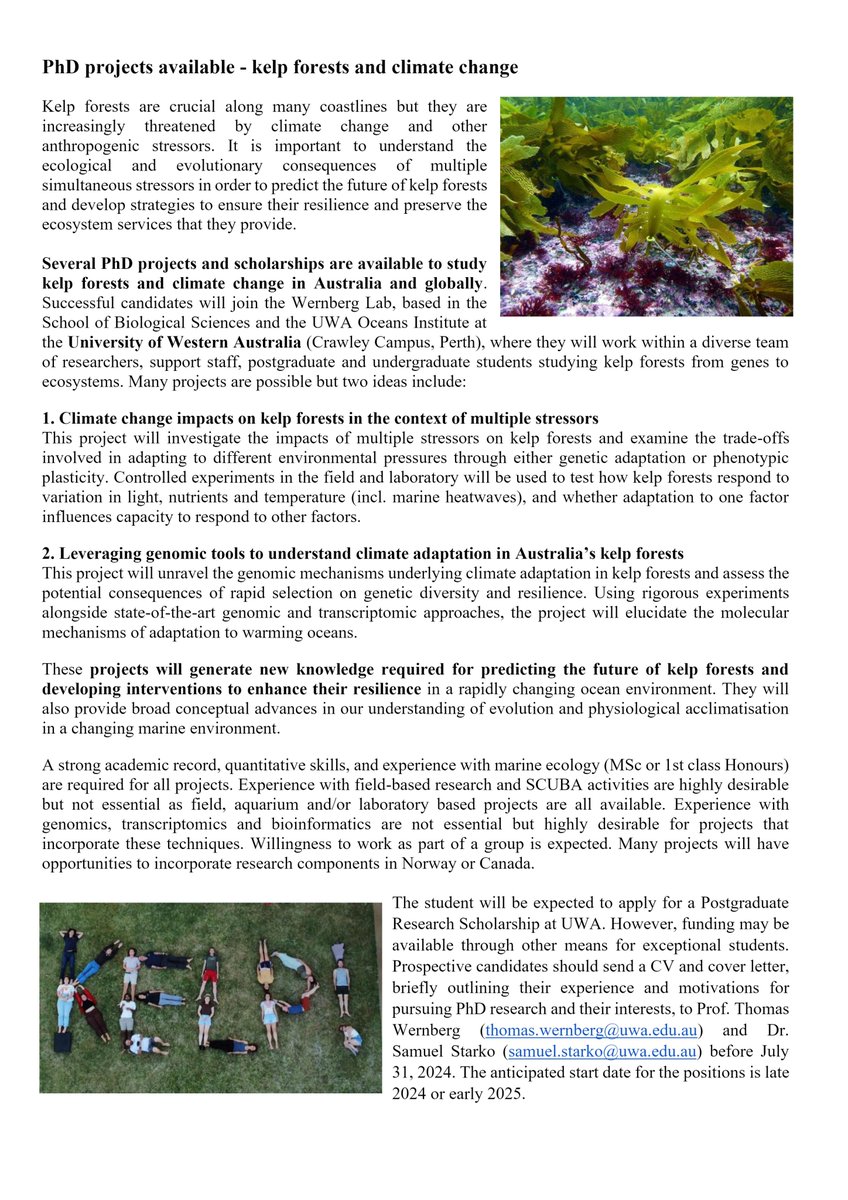
While these are options for PhD projects, there may be other opportunities available in our lab group. So if you are interested in kelp forest ecology, climate change, tropicalisation or blue carbon but these projects don't speak to you, please still reach out!
Join us at @uwaoceans in beautiful Perth, Australia!
@twernberg and I are looking for PhD students to study #kelp#forests and #climatechange. Applications due July 31! Both domestic and international students are encouraged to apply.
Please share widely :)
Our research topic on the Impacts of Climate Change on Seaweeds has launched. Led by myself, @cohblain@SamStarko@MaggieDJohnson@denisaquatic. If you work in this area, please feel free to submit to Frontiers in Marine Science's Global Change section: https://t.co/ZlJ0ouOp9X
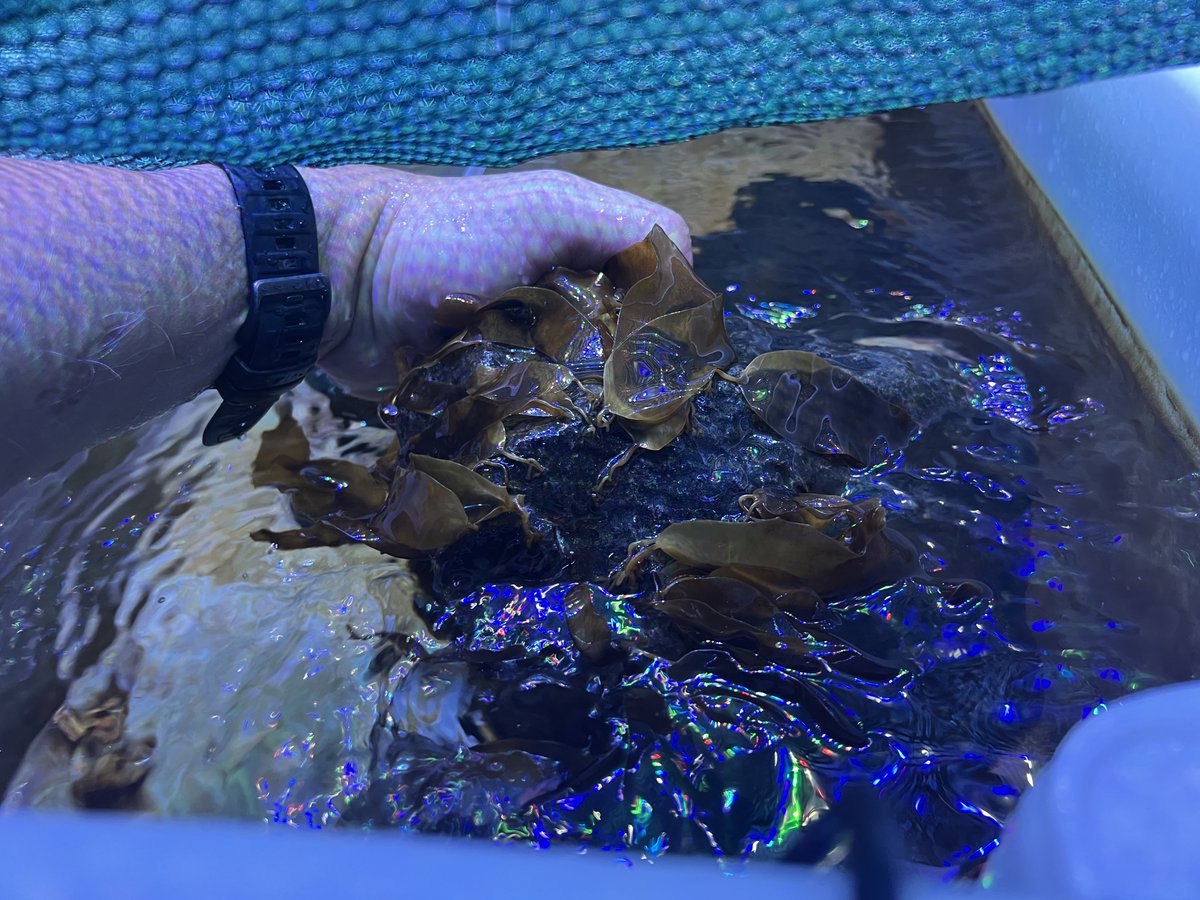
🌿🌿🐠How do we restore marine forests at ecologically-meaningful scales?
In our new article we discuss current challenges and emerging solutions from 25 projects around the world
https://t.co/vkttoT541Q #greengravel#kelp#restoration#30by30