PhD candidate in Neuroscience at the University of Minnesota studying Visual Snow Syndrome. Artist/🫖 lover/ 🌱 and 🦔 mom. Green chile with every meal. she/her
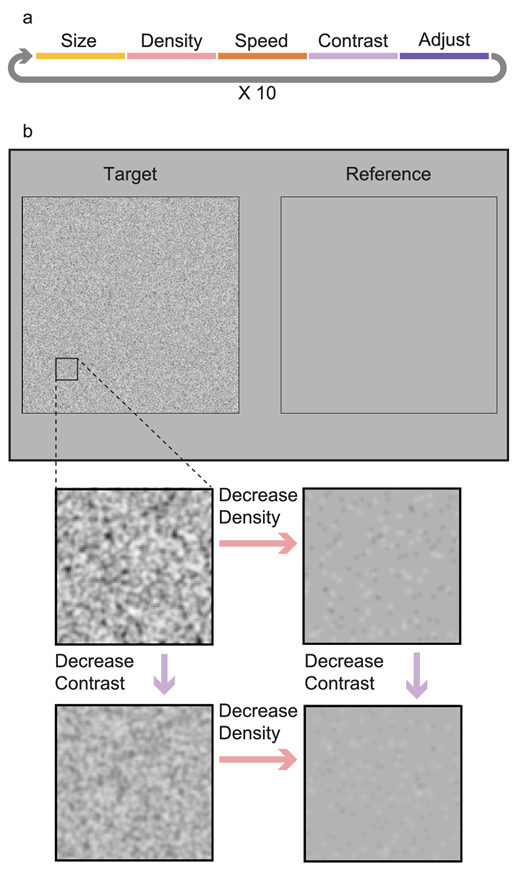
Samantha Montoya et al. @Sam_A_Montoya@UMNeurosci ask, What does visual snow look like? Quantification by matching a simulation, https://t.co/ASVwjFhuXm.
@Sarah_Mulloy Thanks!! There aren’t extras at the moment, but if there’s enough interest I’d definitely make another batch of them. I’m hoping to have an art booth at SFN!
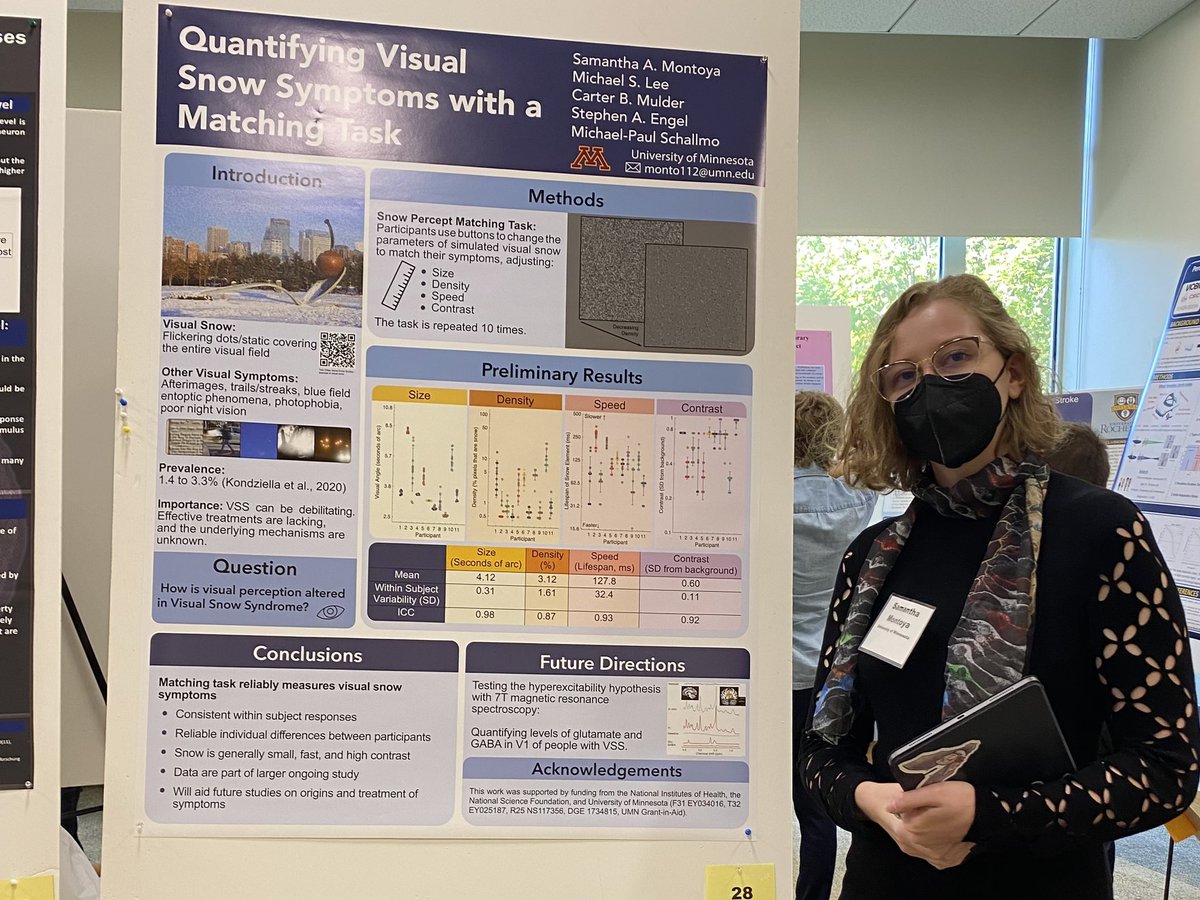
It was so much fun to present our ongoing research on Visual Snow Syndrome at the Optica Fall Vision Meeting in Rochester New York! Hearing about everyone else’s vision science research reminds me why this is such an exciting field to be a part of. #opticafallvisionmeeting
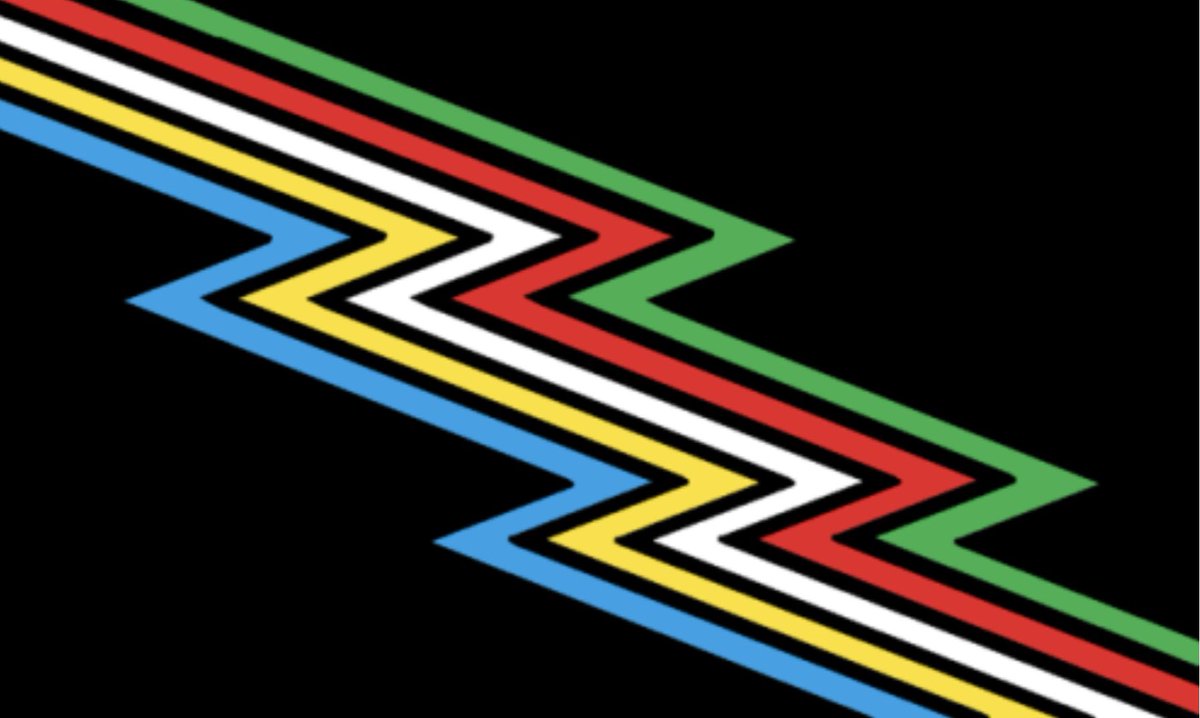
The zigzag represents how people with disabilities navigate obstacles in creative ways and the parallel lines symbolize solidarity within the disability community.
Designed by Ann Magill.
(4/4)
Each stripe represents a different type is disability: blue for mental illness, yellow for cognitive and intellectual disabilities, white for invisible and undiagnosed disabilities, red for physical disabilities, and green for sensory perception disabilities.
(3/4)
This year’s Neuroscience Coloring Book was featured at the University of Minnesota’s Driven campaign Celebration. Huge thanks to all the researchers who submitted images that inspired the illustrations!