Join us at @MayoClinicPath for advanced training in Renal Pathology. World-class faculty, cutting-edge diagnostics, and high-volume cases await you.
🔗 https://t.co/V0z3F6BhcY
#renalpath#pathology#meded#MayoClinic
Dr. Sandra Taler of Mayo Clinic present an excellent update on “Hypertension Management Using the 2025 AHA/ACC Blood Pressure Guideline” at the 16th Serbian Diaspora Medical Conference in Belgrade, Serbia 🇷🇸
Dr. Hatem Amer from Mayo Clinic present an excellent talk on “Management of Kidney Transplant Rejection” at the 16th Serbian Diaspora Medical Conference in Belgrade, Serbia
@h4amer
Congratulations to our Renal Pathology Fellow, Dory @ArevaloDory , on graduation! 🎓 What an outstanding and fantastic year at Mayo Clinic Rochester @MayoClinicPath@MayoClinicNeph . Your dedication, curiosity, and contributions have made a lasting impact. Grateful for the exceptional learning environment, outstanding faculty, and collaborative culture that make this training experience so special. Wishing you continued success in the next chapter of your career! #RenalPathology #MayoClinic #Graduation @MPAlexanderMD https://t.co/PNFA4GftoB
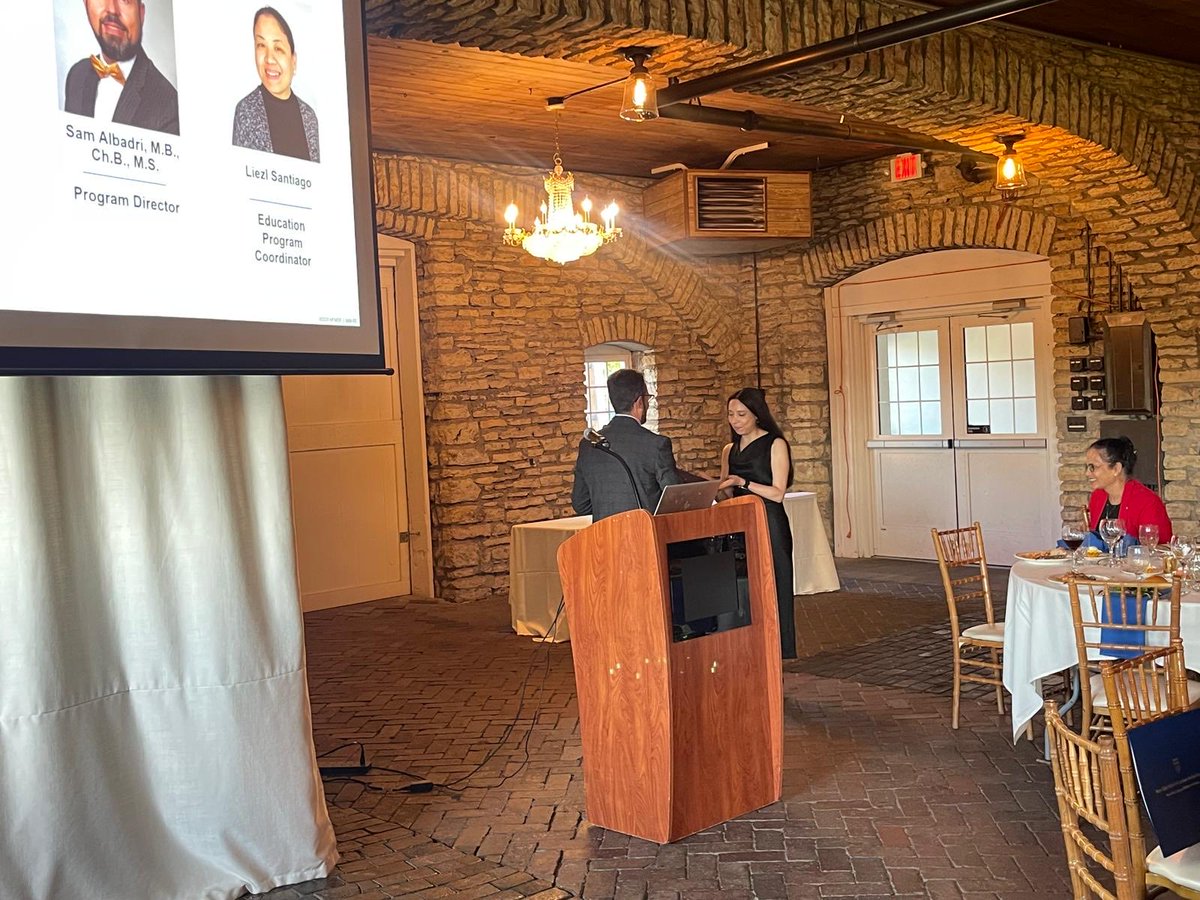
Don't miss this important session, Friday June 12 on Fundamentals of Renal Transplant Pathology by fantastic @MayoClinicNeph faculty:
Speaker:@sam_albadri
Moderator:@AttiehRose
Time Zones and Meeting Details below in shared post below: ⬇️
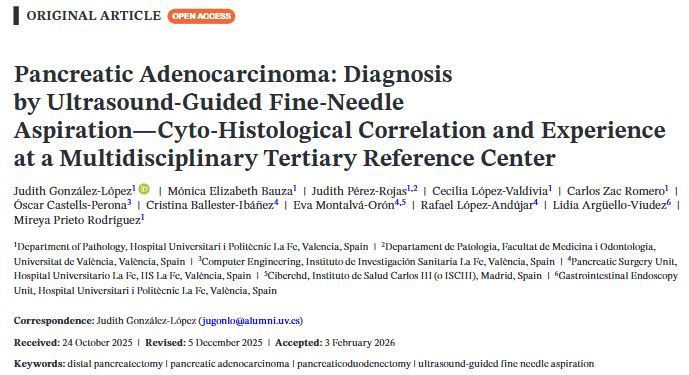
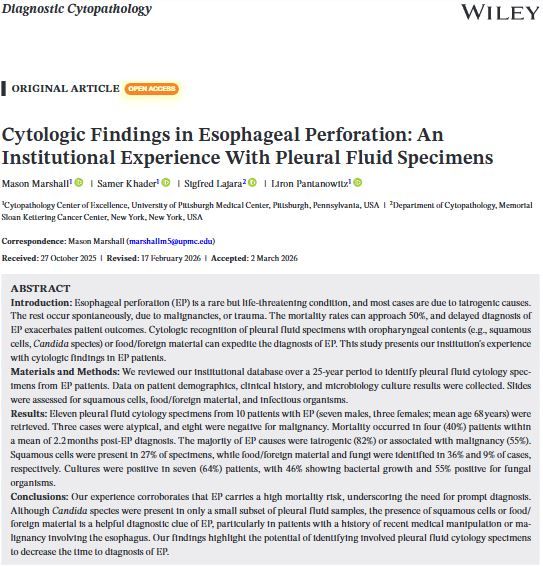
Open Access June 2026 issue of @DiagnosticCyto
Pancreatic Adenocarcinoma: Diagnosis by Ultrasound-Guided Fine-Needle Aspiration Cyto-Histological Correlation and Experience at a Multidisciplinary Tertiary Reference Center @aakasharmand
https://t.co/o5e6l4eoUD
@JZRenalPath We do have KM55 staining available here, although I’m not a strong proponent of using it routinely. I’ll review our cases and follow up with any relevant findings. Thank you.
@JZRenalPath Yes, that makes sense, that’s the challenging aspect. I’ve encountered rare cases where patients with MGUS (IgA lambda) identified on serum studies also demonstrate concordant IgA lambda deposition on immunofluorescence.
Distinguishing IgA nephropathy (IgAN) or PGNMID (IgA λ) from infection-related IgA-dominant GN (IgA-IRGN) relies on integrating IF, EM, LM, and clinical context, as overlap can be significant. IgA-IRGN typically shows IgA-dominant or co-dominant staining with strong C3, but unlike PGNMID it ispolyclonal (both κ and λ present), helping exclude monoclonality. On LM, IgA-IRGN often demonstrates adiffuse endocapillary proliferative and exudative pattern with numerous neutrophils, whereas IgAN is more mesangial and PGNMID more often shows MPGN-like features. EM is particularly helpful: IgA-IRGN characteristically has subepithelial “hump-like” deposits, often with additional subendothelial deposits, while IgAN is mainly mesangial and PGNMID shows more diffuse mesangial and subendothelial deposits without classic humps. Clinically, IgA-IRGN occurs in the setting of active or recent infection (commonly staphylococcal), older or diabetic patients, and often low complement levels, whereas IgAN lacks an infectious trigger and PGNMID is associated with monoclonal gammopathy. KM55 may be positive in IgAN but is often negative in IgA-IRGN, though this is not entirely specific. In practice, polyclonality + exudative GN + subepithelial humps + infection strongly supports IgA-IRGN, whilemonoclonality points to PGNMID, and mesangial-predominant polyclonal deposits favor IgAN.