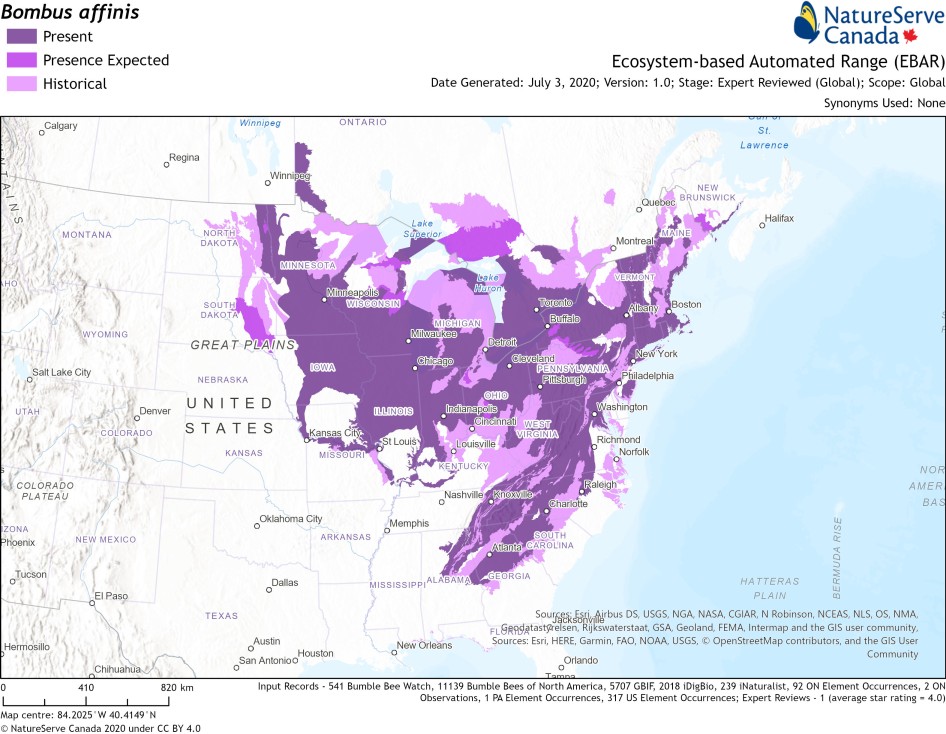
Excited to be working with NatureServe Canada to develop Ecosystem-based Automated Range Maps for multiple species across N.America! 🐝 🐜 🕷🐌🦋🐛🌱🐢🐍🐟🦇 #EBAR#NSCanada#datatechnician#data
NatureServe Canada is developing a series of Ecosystem-based Automated Range maps (EBAR) for everything from moths to marmots! The 1st of these open-access maps are now available online as PDFs or as geospatial data packages with metadata. Download now: https://t.co/zFdkb7UYmZ
Thrilled to share some news! 🎉🎉 I'll be speaking at Biodiversity Without Boundaries 2024 Conference on Apr 08 - 11, 2024. I would love to see you there! - via #Whova Event Platform
https://t.co/1ncCH4r3FX #
Fighting climate change is wildly popular but most Americans don't know that: A new study finds support for climate action is underestimated by nearly every sector of American society https://t.co/4FABIc7wcu
We are excited to launch our new website and registry of #KBAs in Canada! Information about 70+ KBAs of global or national significance is now ready to explore from our new website, with much more to come. Learn more about unique sites across Canada here: https://t.co/aoOqMoPHBF
We are excited to launch the new KBA Canada Registry, a new and improved website for #KBAs in Canada!! Learn more below about the sites that are essential for the survival of wildlife and ecosystems - in Canada and the world. 🌼🐦🐟🐍🐺
https://t.co/aoOqMoPHBF
2/2 Canada’s leadership in developing a national #KBA standard has been a flagship collaborative effort applauded internationally by the @IUCN.
Read more: https://t.co/YNxSDkba0n
#ProtectNature#KBA#biodiversity
Over the past two weeks, some of the greatest minds in conservation convened to discuss challenges, celebrate successes, collaborate on new initiatives, and plan for the future. Thank you to all who attended #BWB 2021, to the speakers, & to everyone who helped make it a success!
The pandemic's job losses have hit women particularly hard, and a new report from RBC says the effects could be potentially long-lasting. https://t.co/7t54MYbxKh
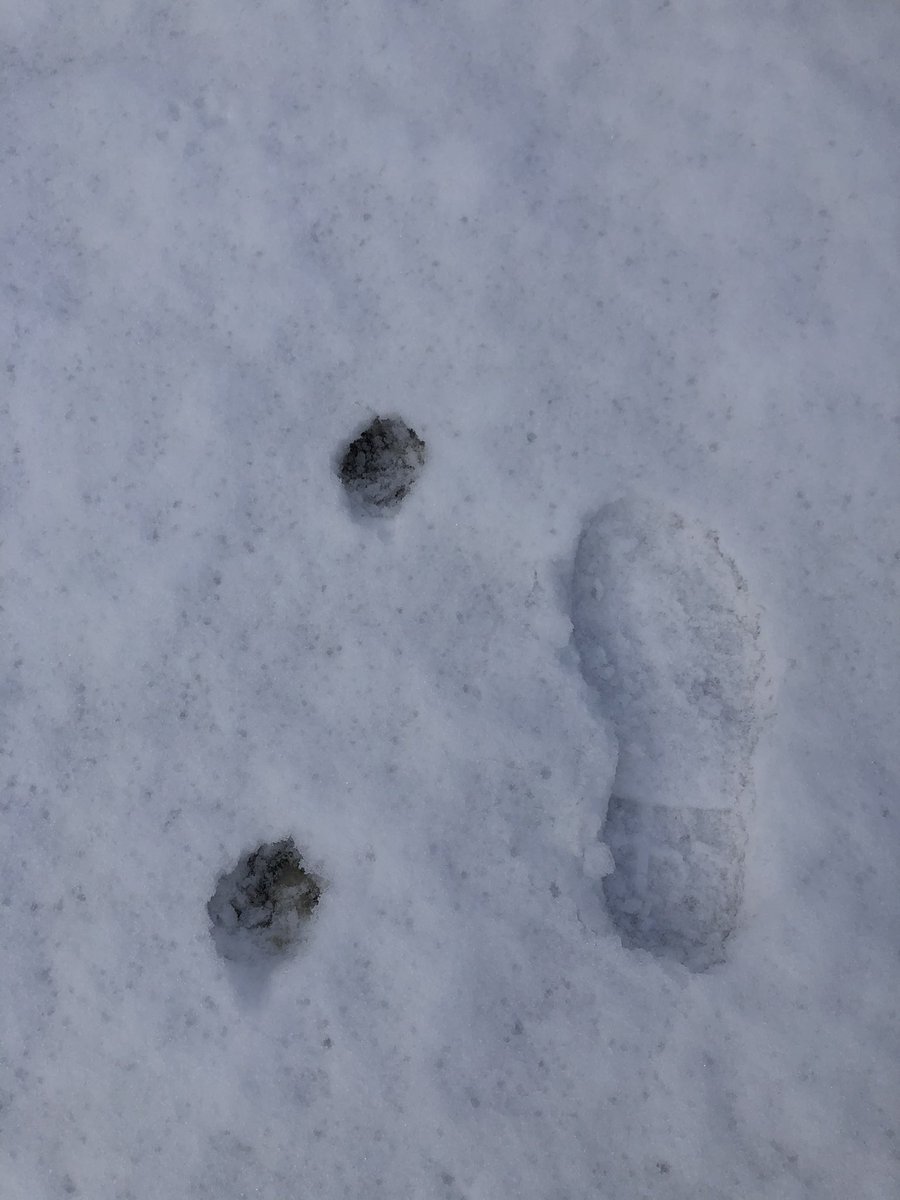
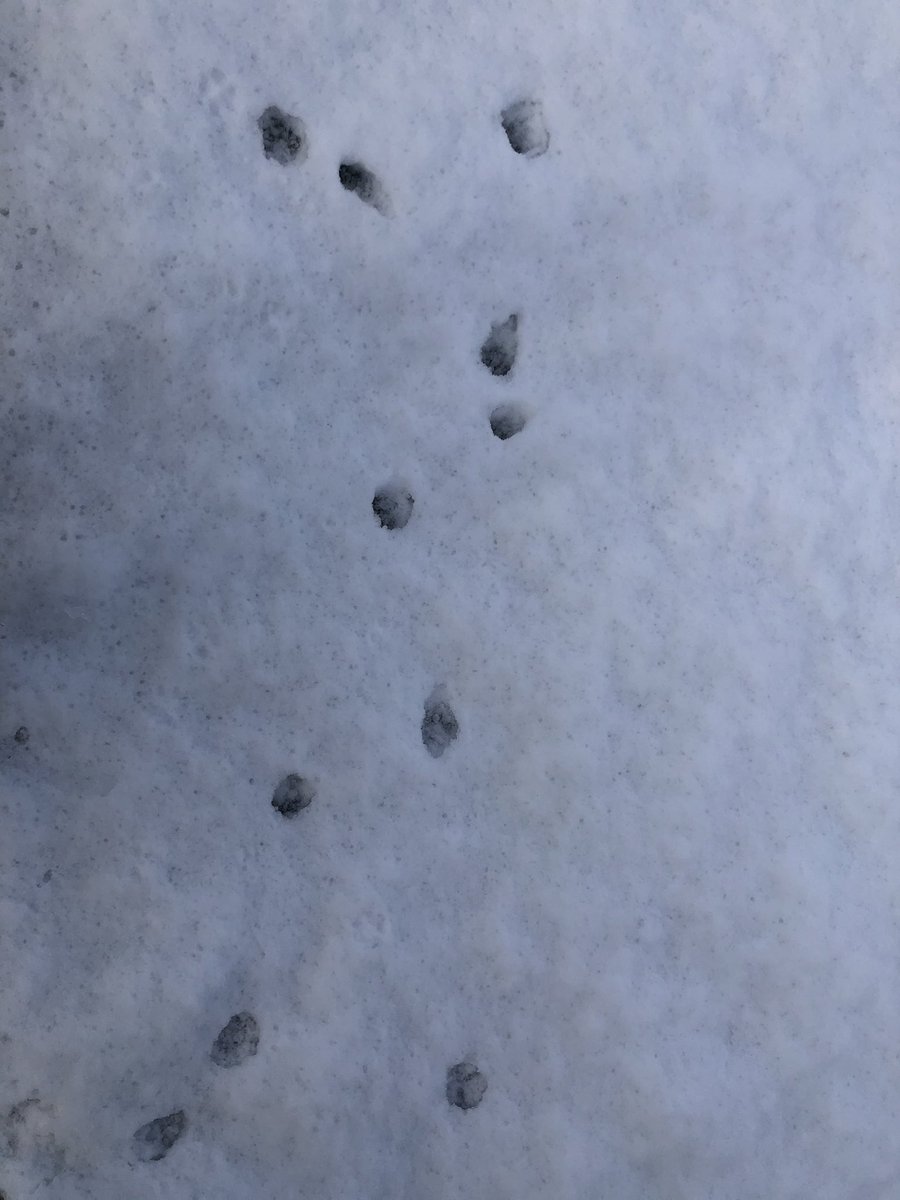
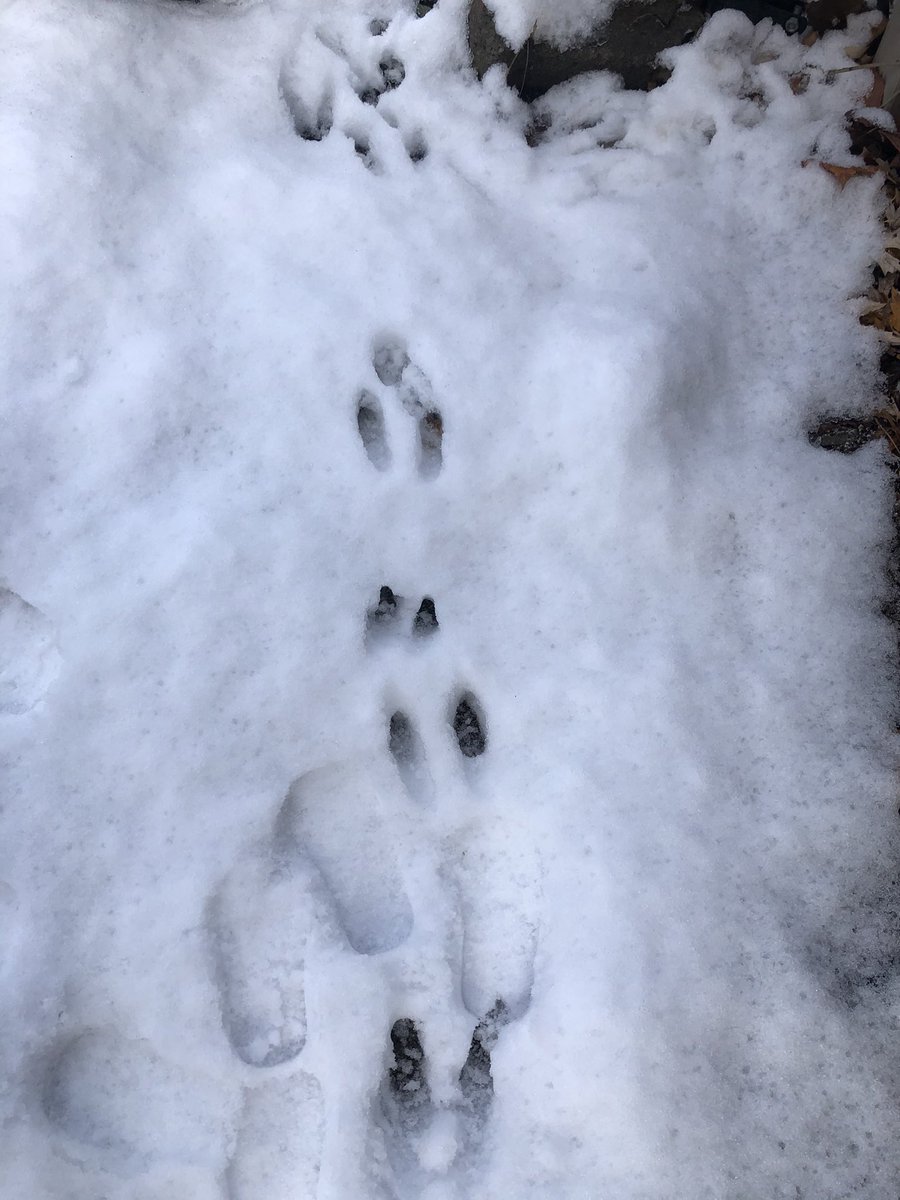
Found some interesting tracks in my backyard this morning. Some are from an eastern cottontail, others from my toddler. But what could the other ones be? They look too big to be a cat 🤔 Maybe fox? 🦊
1/2 @natureserve Canada is developing a series of Ecosystem-based Automated Range maps (EBAR) for everything from moths to marmots! The 1st of these open-access maps are available online as PDFs or as geospatial data packages with metadata. Download now: https://t.co/S1AL77enbo
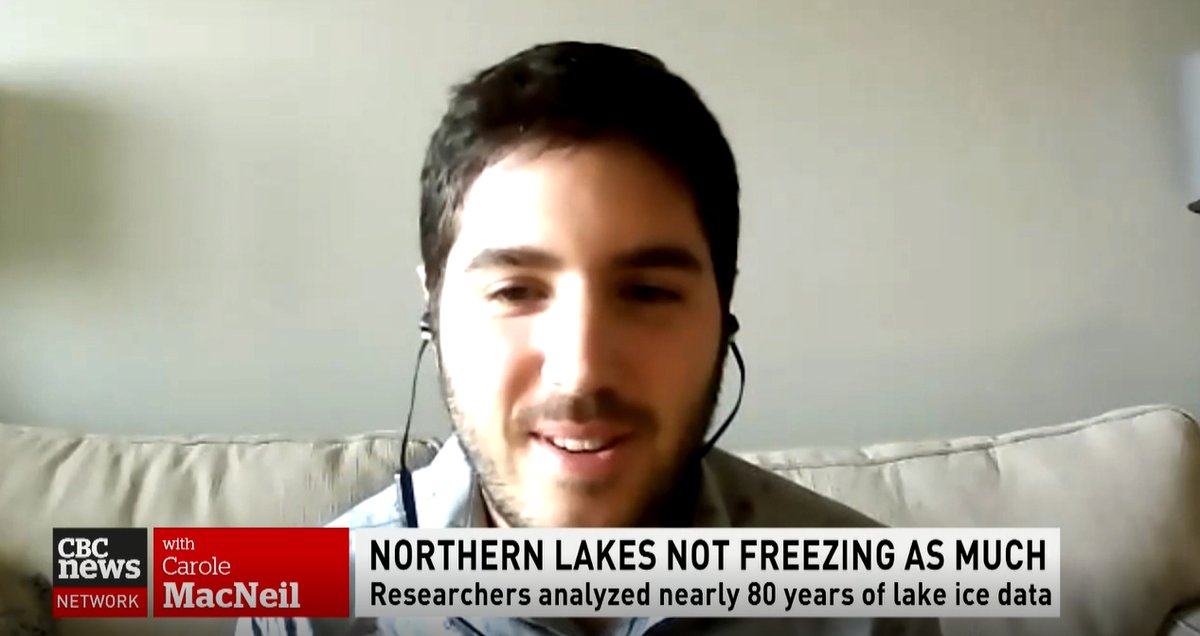
Remember those ice hockey games on the frozen lake? That may become a thing of the past. @YorkUScience researcher @EcoFilazzola tells @CBCNews’s @JWagstaffe about his research on how warming air temperatures are affecting whether lakes are freezing over or not
QUESTION: As the childcare/homeschooling burden falls mostly on mothers and the pandemic is lasting longer than expected, many women are being forced to quit their jobs. What can employers/governments do to prevent this? How can we support parents during Covid?
River plumes in Lake Michigan are productive, popular hotspots for nearshore fishes, especially rainbow smelt, spottail shiner, and white sucker. #GreatLakesSci
https://t.co/k7joYkSJkx
Tomorrow, NatureServe's Director of Spatial Analysis, Regan Smyth, will be giving a virtual lunchtime talk with the @NCBotGarden about the importance of including plants in conservation decision-making. Registration is free, so follow the link to sign up! https://t.co/qHhgcSVUsi
"In parenting there’s this ‘Mom is better at it’ narrative. So kids go to Mom.The more they rely on Mom the better Mom gets at it and Dad doesn’t have to. There's a name for this: learned helplessness. Men learn not to know because they just don’t have to.”https://t.co/k8SPOtYrFg