I collect & document North Korean photos, uniforms, badges, etc.
Everything I post is original & from my collection.
Please give a follow to support my work.
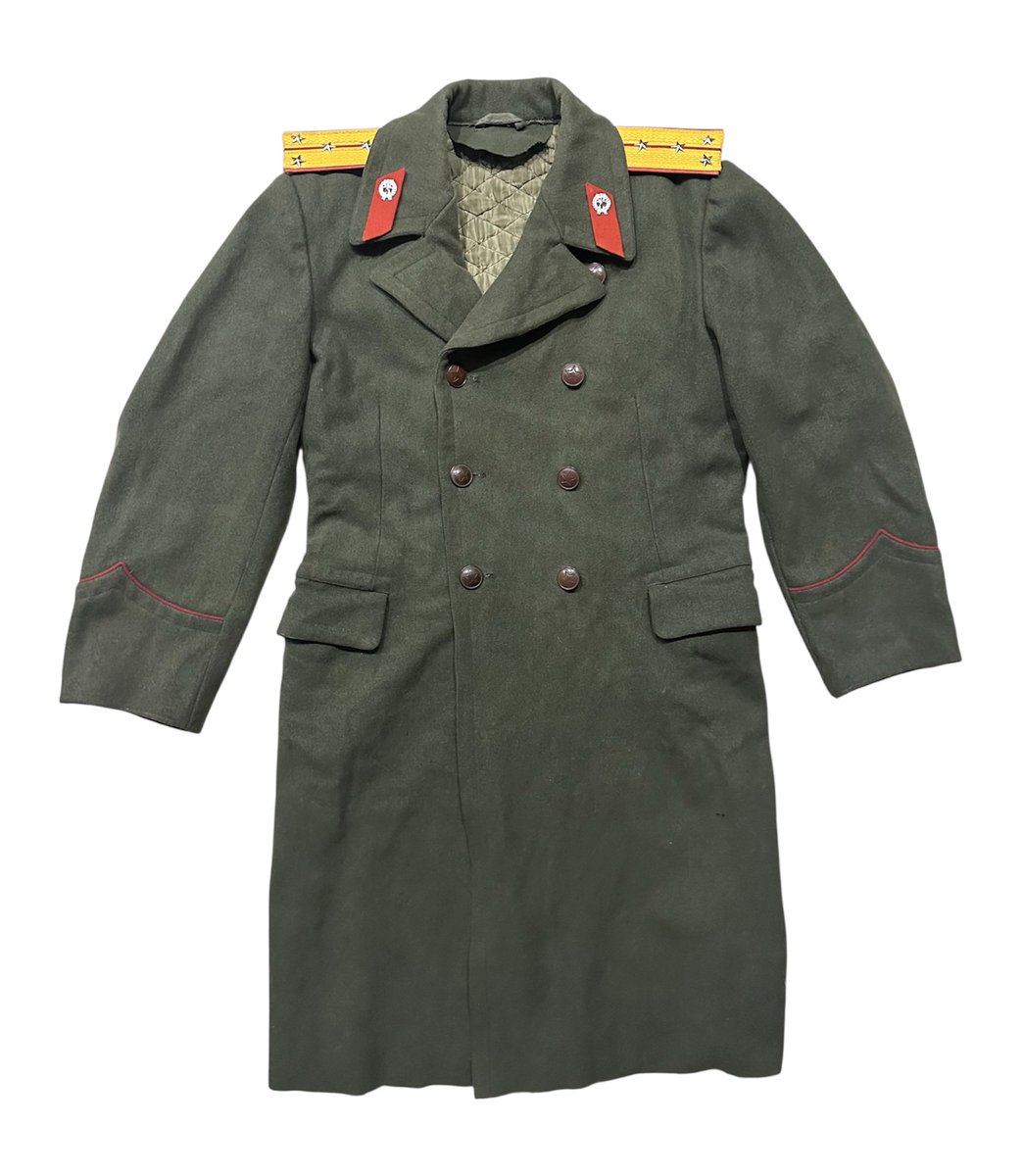
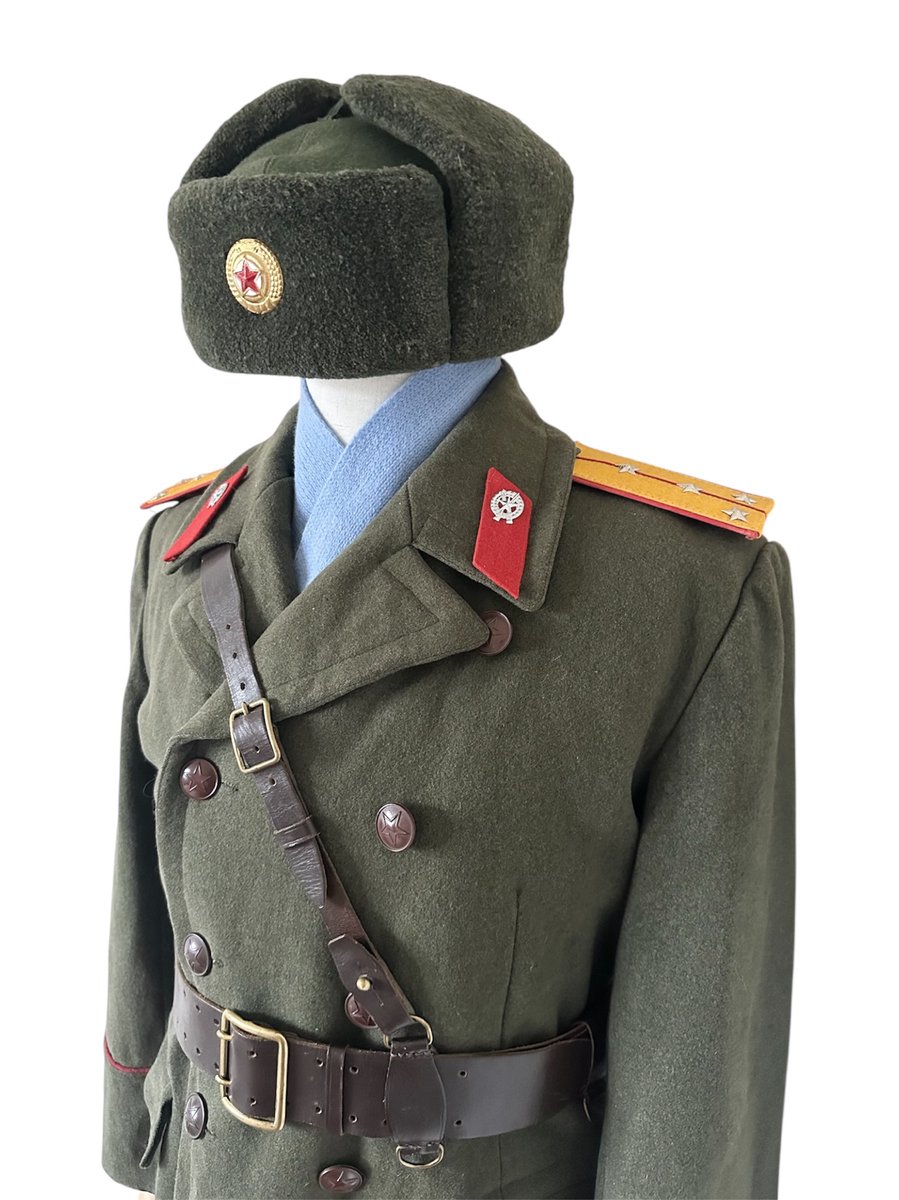
🇰🇵 Korean People's Army Infantry Senior Captain's Overcoat (1984)
Original 1984 produced Korean People’s Army overcoat for a Senior Captain (대위) of the infantry branch. The distinctive red arrow shaped piping exclusive to the Korean People’s Army can be observed on the sleeves.
The construction of this coat is quite sturdy and similar in quality to Soviet overcoats of the time, using heavy wool as the material and the interior being half-lined. This coat style is still in use by the Korean People’s Army today, with this darker green shade commonly seen worn by guards at Panmunjom. This display also includes a blue scarf, commonly observed worn by officers with their overcoats, and a 1984 produced ushanka.
The last photo shows Korean People’s Army officers in the late 1980s wearing this coat paired with ushankas.
🇰🇵 Korean People's Army Ushanka (2010s)
Original and unissued Korean People's Army ushanka likely manufactured in the 2010s, sized 56 cm.
The materials and craftsmanship is entirely different from the older models from the 1980s, with the most important feature being the fixed earflaps which cannot be brought down. There is also a plastic band inside the ushanka to help retain its shape. The material itself is also interesting as it uses faux wool fabric more akin to velvet fabric. The interior is very plain with a faux leather sweat patch on the top with a fabric sweatband, while the size was simply marked with a written "6". It is quite obvious that these newer ushankas were designed with appearance being a priority rather than practicality.
The cockade on this ushanka is an original two-piece plastic cockade with a raised star design formerly common on headgear produced in the 2000s to early 2010s.
The last image was taken on December 30th 2009 at Panmunjom which shows a similarly fixed earflap ushanka used by Korean People's Army soldiers.
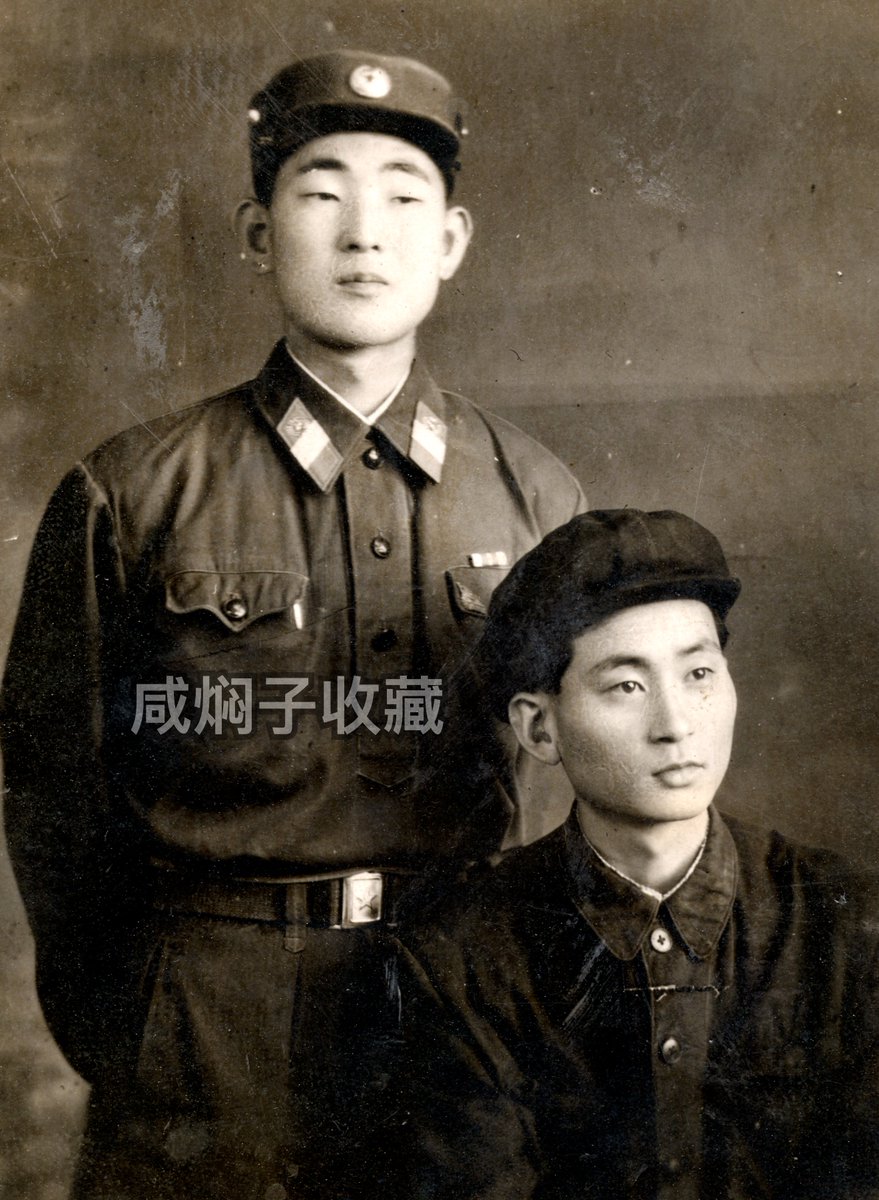
🇰🇵 Korean People's Army Staff Sergeant's Portrait w/ Friend (1970s)
Original undated studio portrait of an unnamed Staff Sergeant of the Korean People's Army with a friend or family member.
Based upon the uniform details such as the large cockade and lack of portrait badges, it is likely that this photo was taken in the 1970s. It is interesting to see that there is also a Military Merit Medal ribbon worn on the uniform.
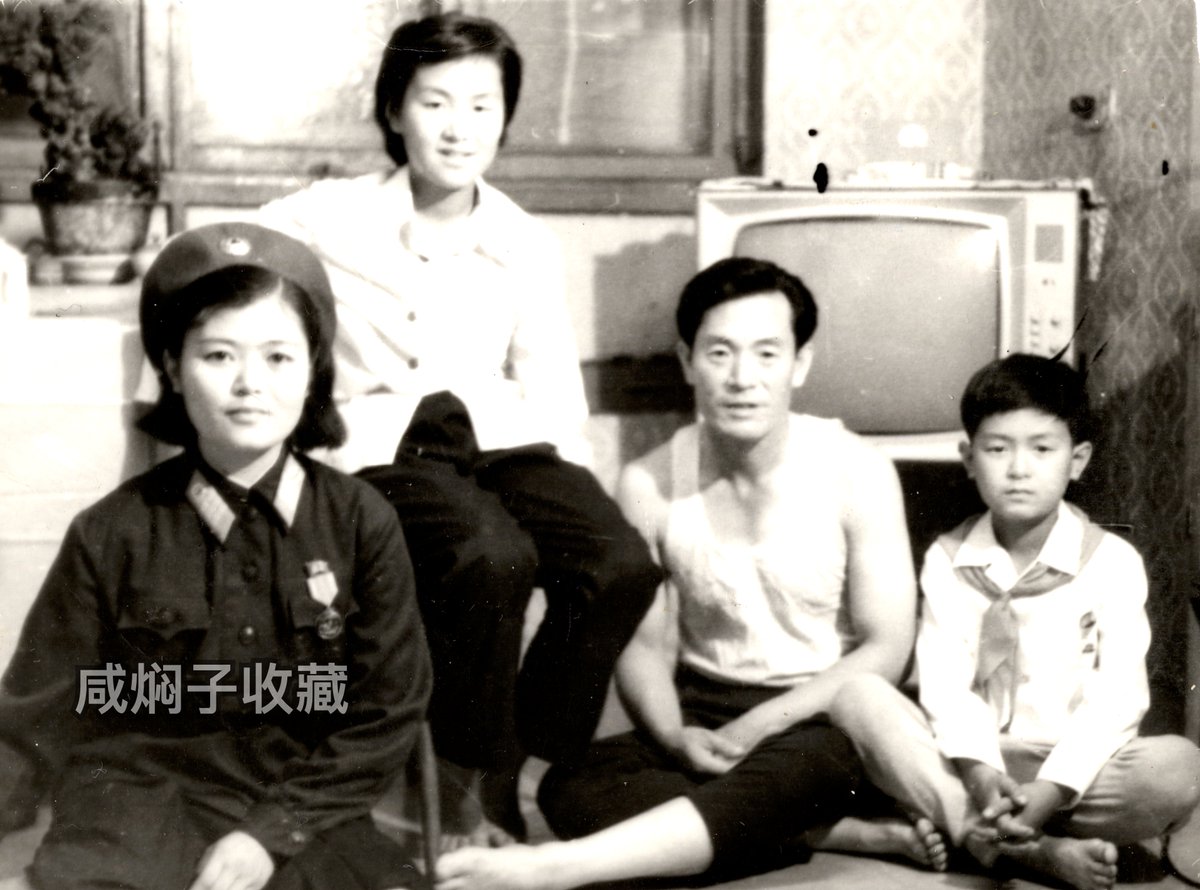
🇰🇵 Female Korean People's Army Sergeant's Family Photo (1980s)
Original undated photograph of an unnamed female Sergeant of the Korean People's Army with her family taken in their family home, likely in the late 1980s or 1990s.
It is interesting to note that the female soldier is wearing a redesigned Military Merit Medal with a flag shaped portrait badge of Kim Il Sung wearing the people's suit.
🇰🇵 Korean People's Army 2nd Lieutenant's Wedding Portrait (1956)
Original postwar wedding portrait of an unnamed Second Lieutenant of the Korean People's Army in his service uniform with his wife and presumably children, taken at an unknown photo studio dated December 2nd 1956.
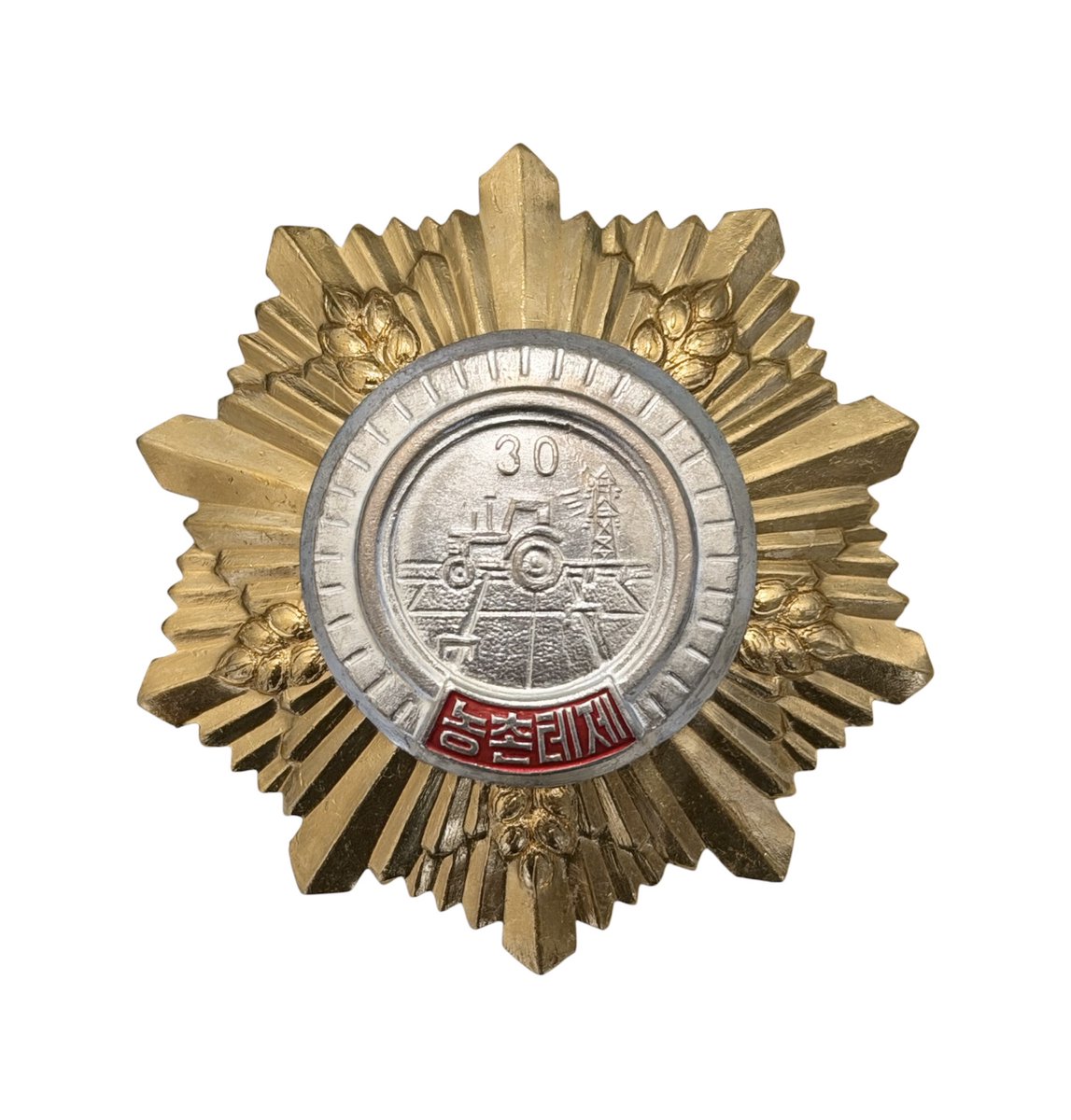
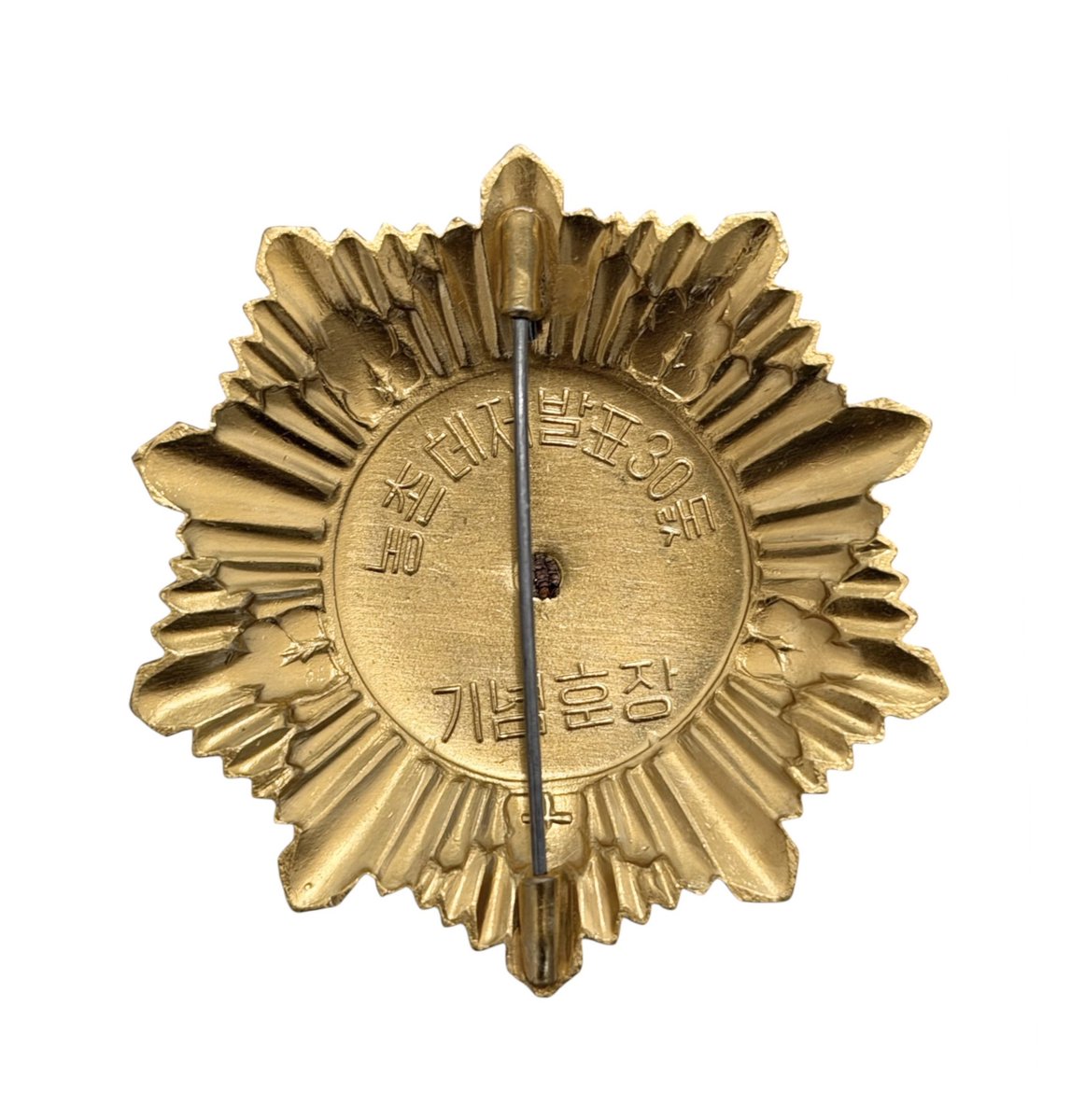
🇰🇵 Order of Agricultural District Theses Publication 30th Anniversary Commemoration (1994)
Original Order of Agricultural District Theses Publication 30th Anniversary Commemoration established on January 5th 1994 to commemorate the 30th year anniversary for Kim Il Sung's publication "Theses on the Socialist Rural Question in Our Country".
This award was bestowed to "those who have enthusiastically followed the party's guidelines and the great leader's orders, and workers in agriculture who are successful in the fruitful struggle to realise the socialist agricultural theses".
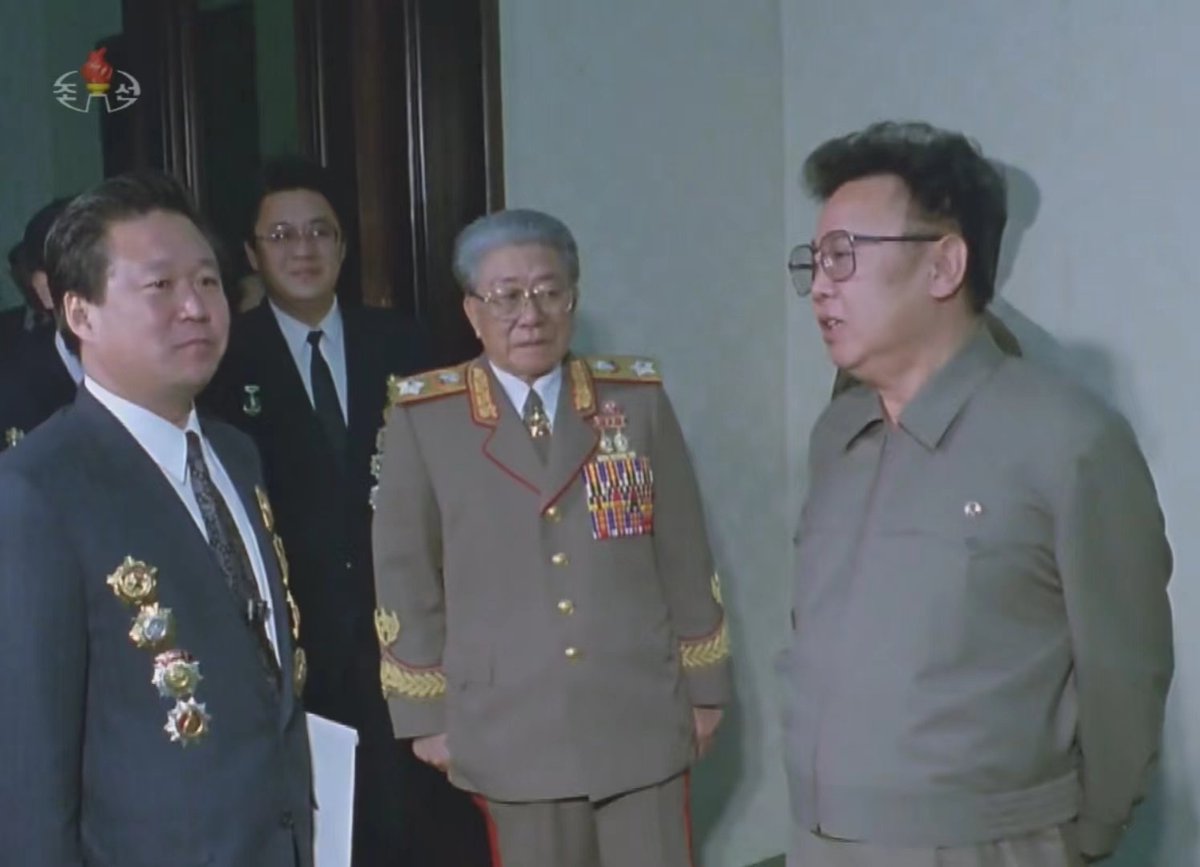
The last photo shows this award worn by the man on the left, second from top on his chest.
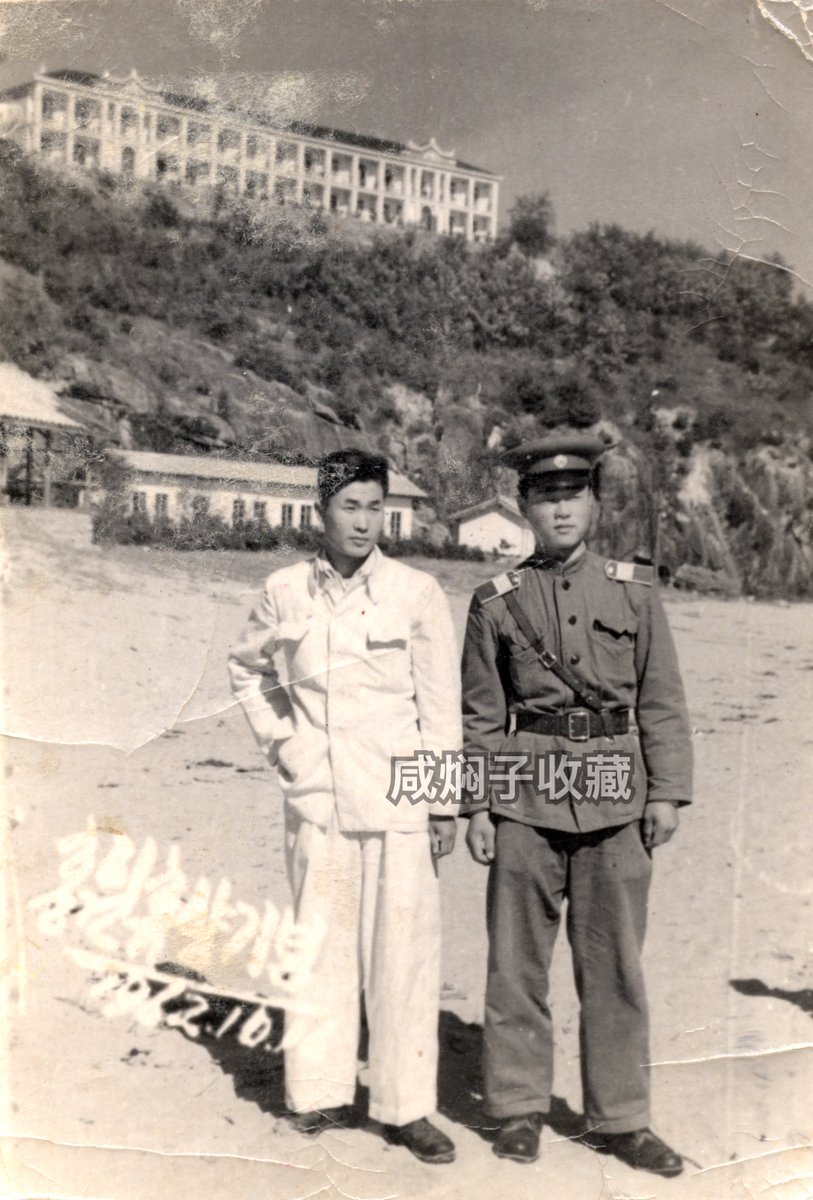
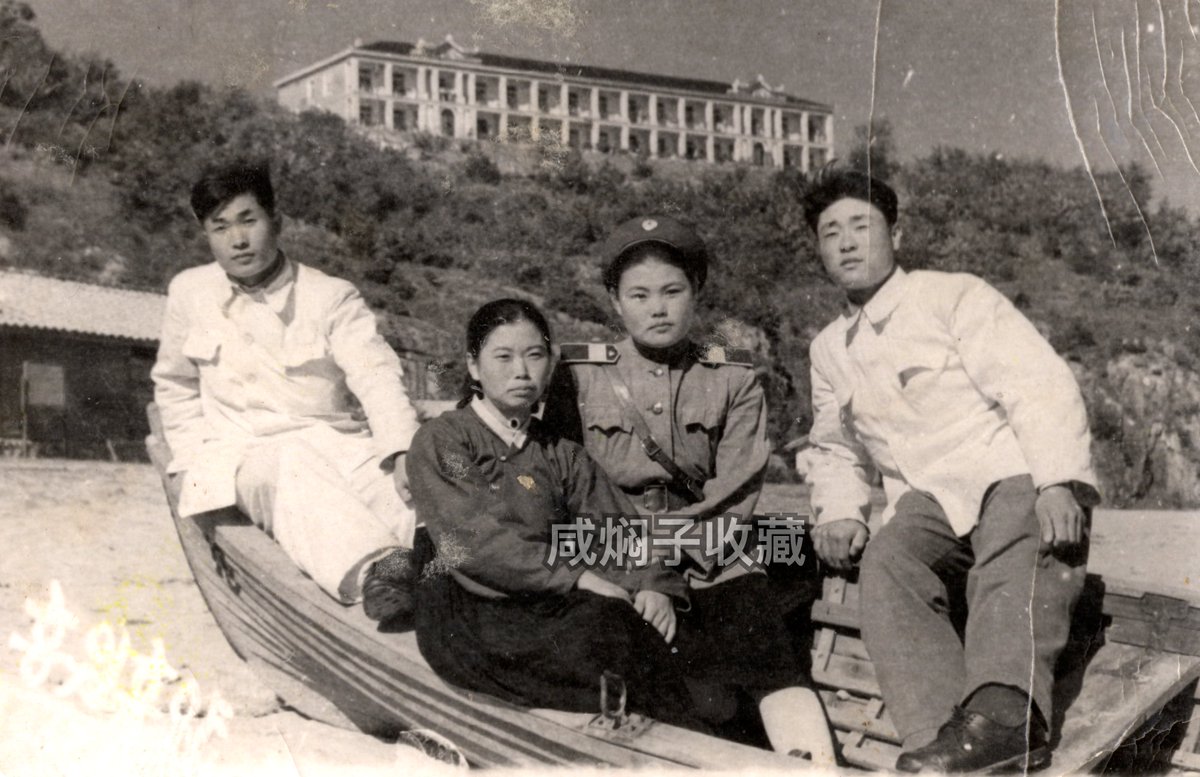
🇰🇵 Hongwon Resort Commemorative Photos (1962)
Two original private group photos commemorating a visit to a resort in Hongwon County, South Hamgyong Province, dated October 16th 1962.
It is interesting to note the female and male Social Security officers posing with the visitors in the photos.
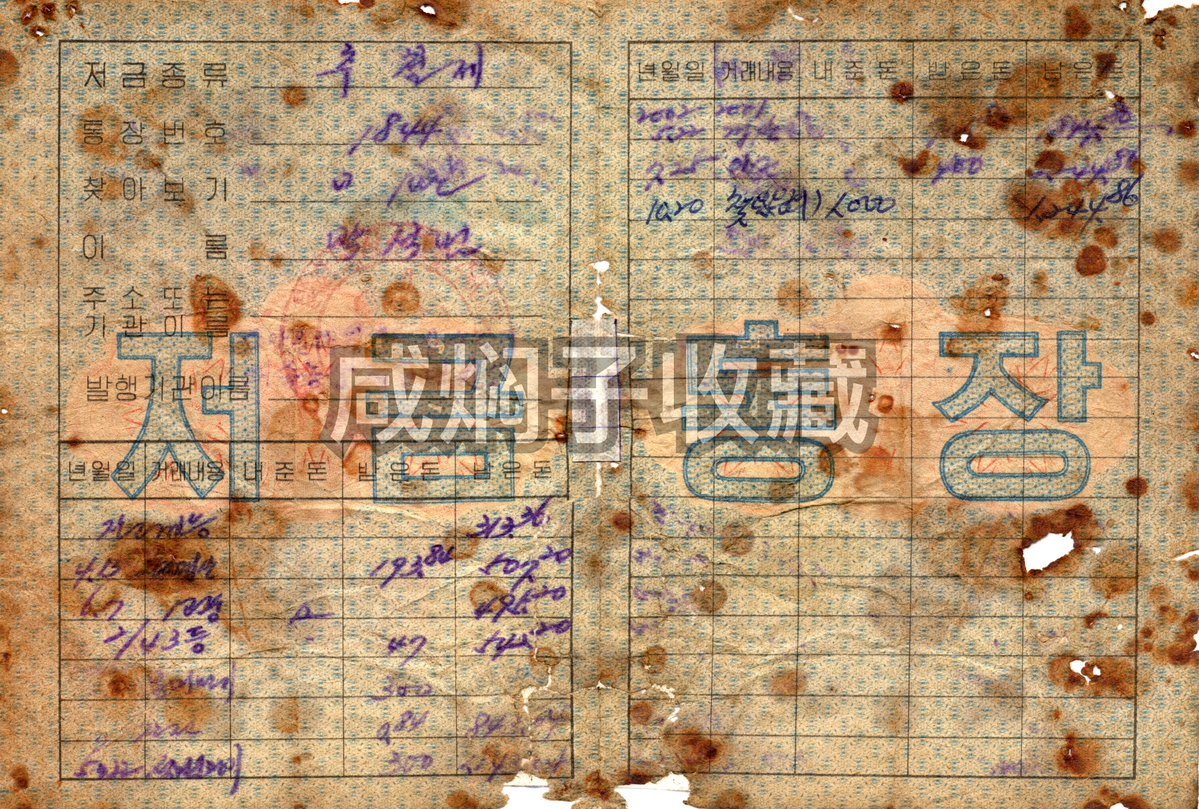
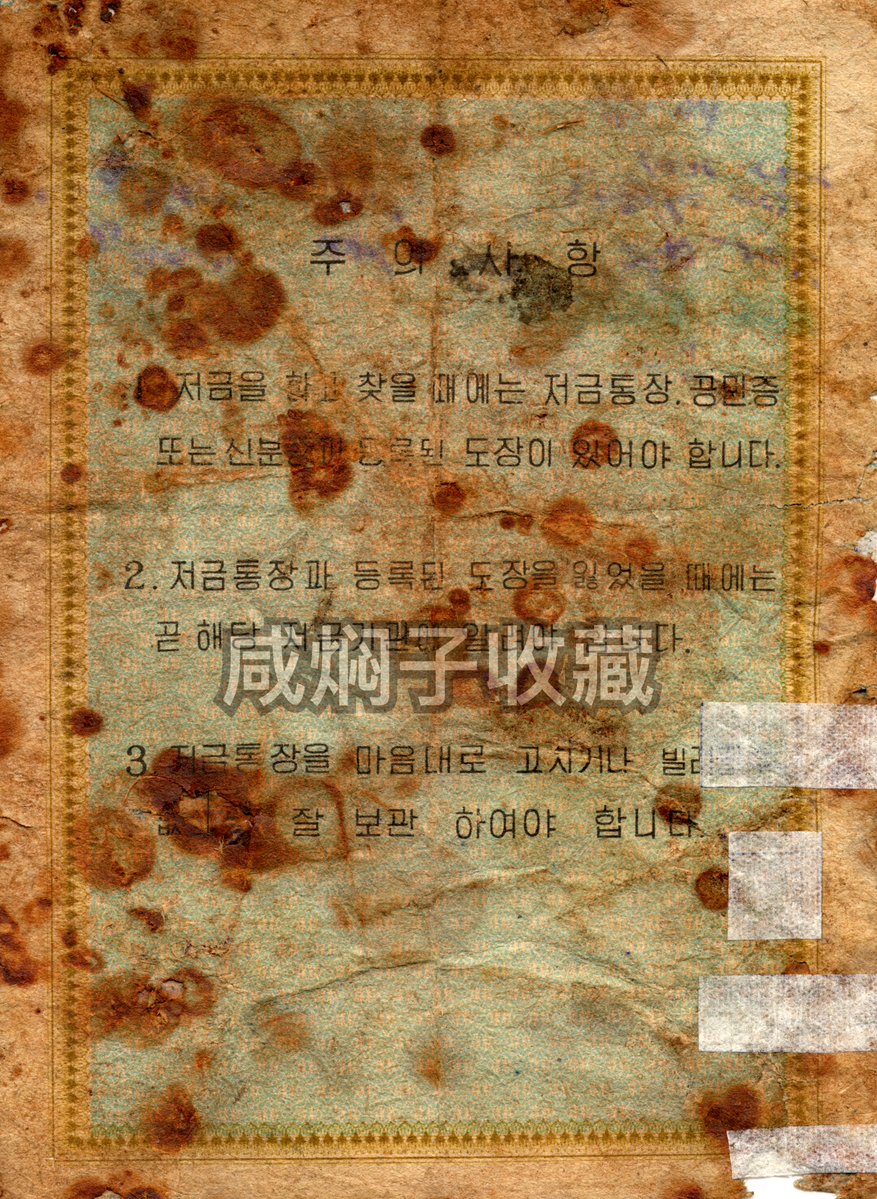
🇰🇵 DPRK Central Bank Personal Savings Passbook (2002)
Original savings passbook issued by the Central Bank of the DPRK belonging to a man named Park Seokbom (박석범).
Based upon the legible information inside the booklet, Park Seokbom's account was a recommended installment savings account dated to what appears to be 2002. Unfortunately, the stamp of the exact institution that issued this booklet is illegible. It is interesting to see that the booklet still uses "Three Great Revolutions" imagery and the "Speed Battle" slogan.
To my knowledge, this should be the only known example of a North Korean passbook out here, but if anyone else has an example I would be very interested in seeing it.
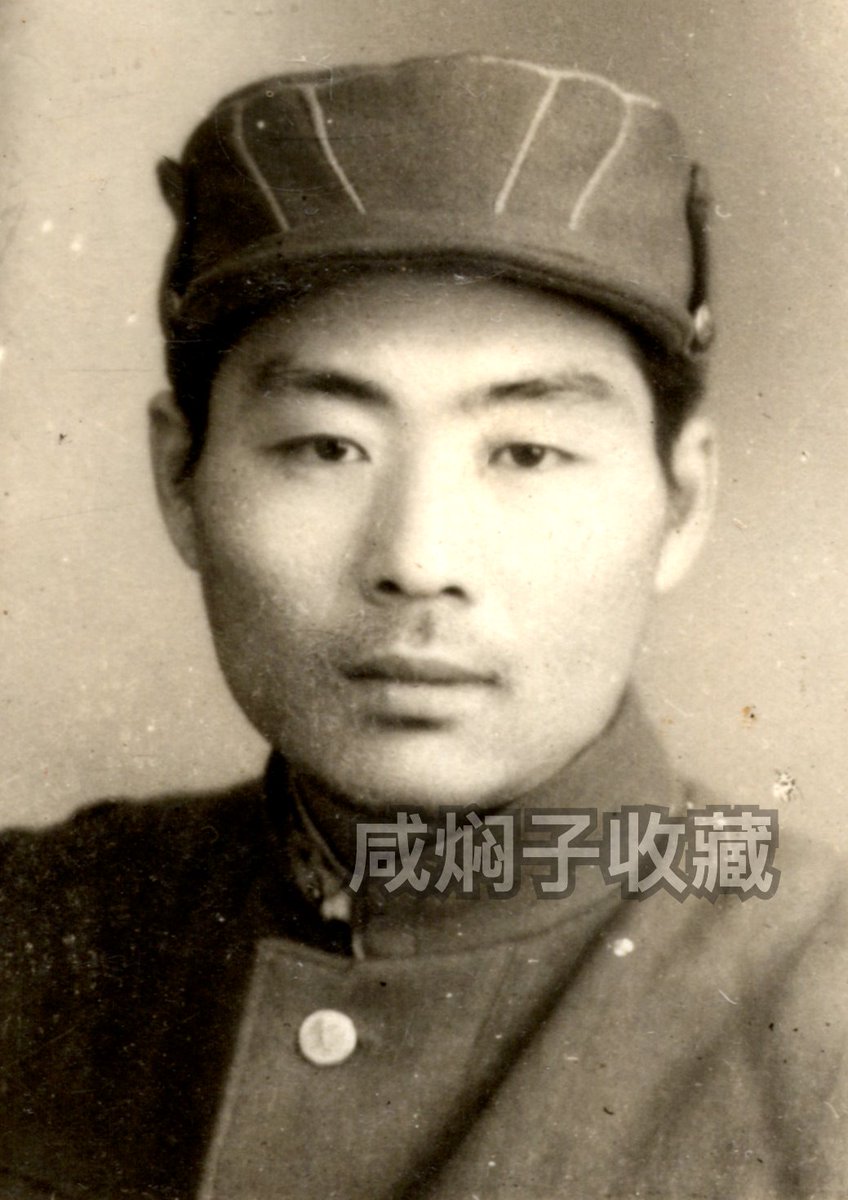
🇨🇳🇰🇵 People's Volunteer Army Officer's Portrait Photo (1950s)
Original undated wartime portrait photograph of Chinese People's Volunteer Army officer Wang Jinggao (王敬高) wearing a Korean People's Army officer's service uniform without insignia.
Many Chinese officers and soldiers of the People's Volunteer Army wore Korean People's Army uniforms during the early stages of the war, though this practice gradually faded as the war progressed. This photo was likely taken between the early to mid stages of the war.
🇰🇵 Korean People's Army Private 1st Class' Portrait (1980s)
Original undated studio portrait of an unnamed Private 1st Class of the Korean People's Army, taken in the 1980s.
He appears to be part of the Korean People's Army's signal troops judging by his branch insignia.
🇨🇳 People's Liberation Army Soldier's Photo w/ Tank (1960s)
Original undated photograph of an unnamed soldier of the People's Liberation Army, likely taken in the late 1960s judging by the overcoat and what appears to be the Type 65 cockade.
Interestingly he stands on top of a Soviet built SU-76M self propelled gun with People's Liberation Army insignia. The People's Republic of China received a total of 960 SU-76M from the Soviet Union as military aid between November 1951 and January 1955.
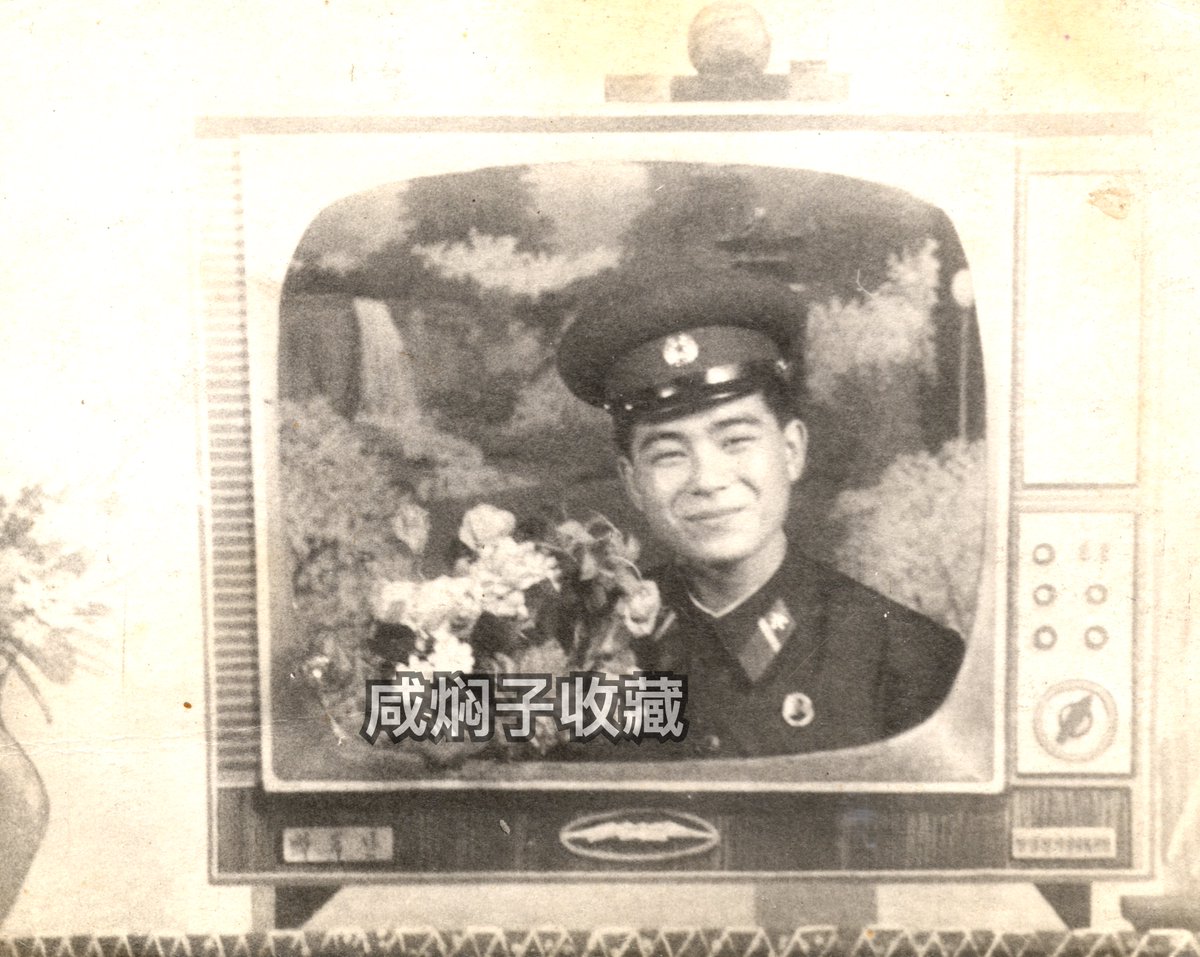
🇰🇵 Korean People's Army Captain's Portrait (1950s)
Original undated portrait photo of an unnamed Captain of the Korean People's Army in his wartime service uniform.
🇰🇵 Korean People's Army Sergeant's Family Photo (1979)
Original studio portrait of an unnamed Sergeant (상급병사) of the Korean People’s Army with his family. The photo is dated March 15th 1979 and was taken in Hamhung.
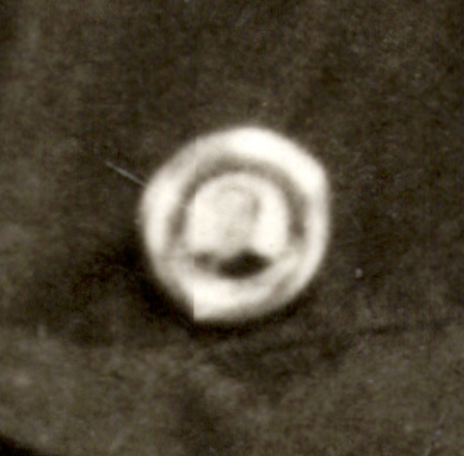
The single breasted coat is interesting as this design does not appear to have been issued to soldiers anymore after the 1980s. Even more intriguing is the portrait badge worn by the soldier’s father, which appears to be a design not documented before. I have not observed portrait badges of this design in any other photographs or collections. One possibility is that it is a standard wreathed circular Kim Il Sung portrait badge that has been wrapped in cloth or mounted onto a cloth rosette. However, such personal modifications or decorations to portrait badges are unprecedented.
If anyone has any more information about this portrait badge, please let me know.
🇰🇵 Korean People's Army Air Force Academy's Graduating Class' Portrait (1954)
Original postwar commemorative photo of an unnamed Korean People's Army Air Force academy's second graduating class, taken on March 21st 1954.
Though the original photo came in substantially damaged, much of the uniform details of the soldiers and officers are still visible. An interesting variety of uniforms can be observed, from the telogreika to the summer kitels.
Many officers do not appear to have the upper wing insignia on their hats, which is something that also appears in many other photos I've posted before. This makes me wonder if there is a distinction between air force servicemen without wings and wings.
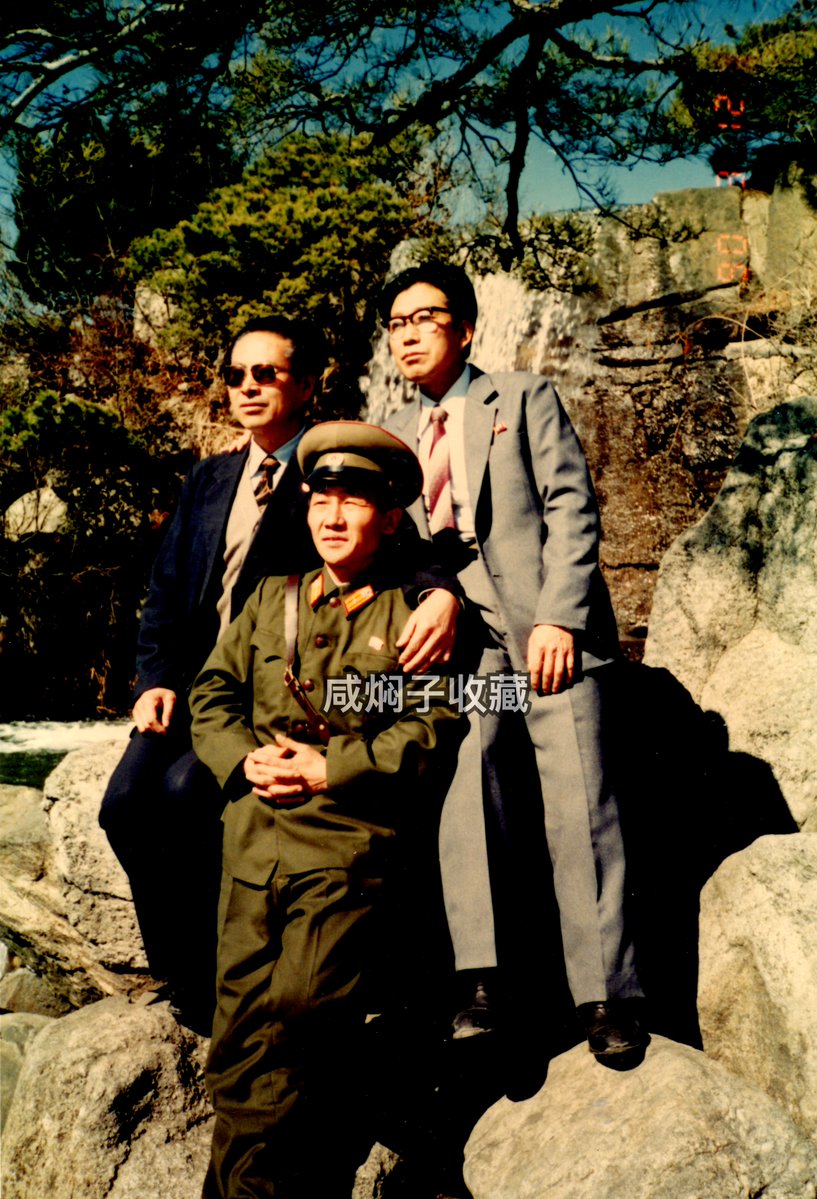
🇰🇵 Korean People's Army Major's Photo (1990)
Original colour photo of an unnamed Major of the Korean People's Army with two other unidentified men, dated March 12th 1990.
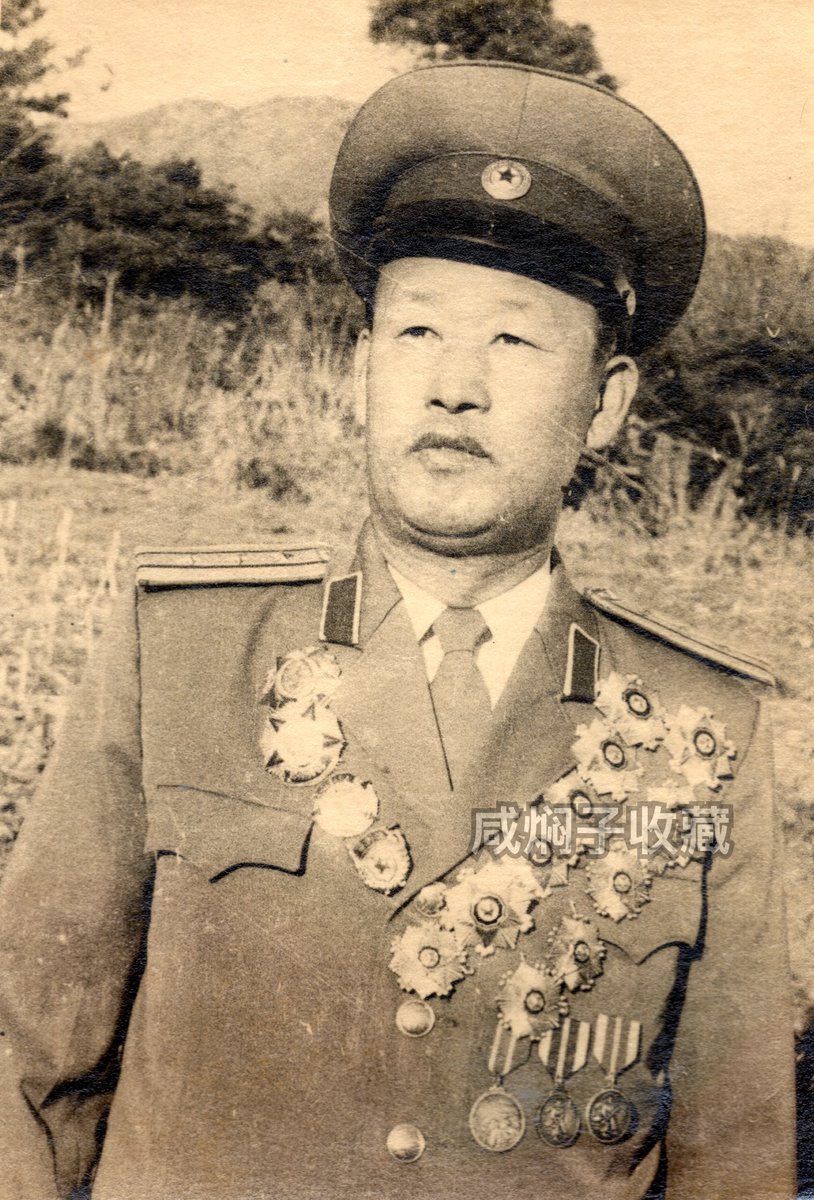
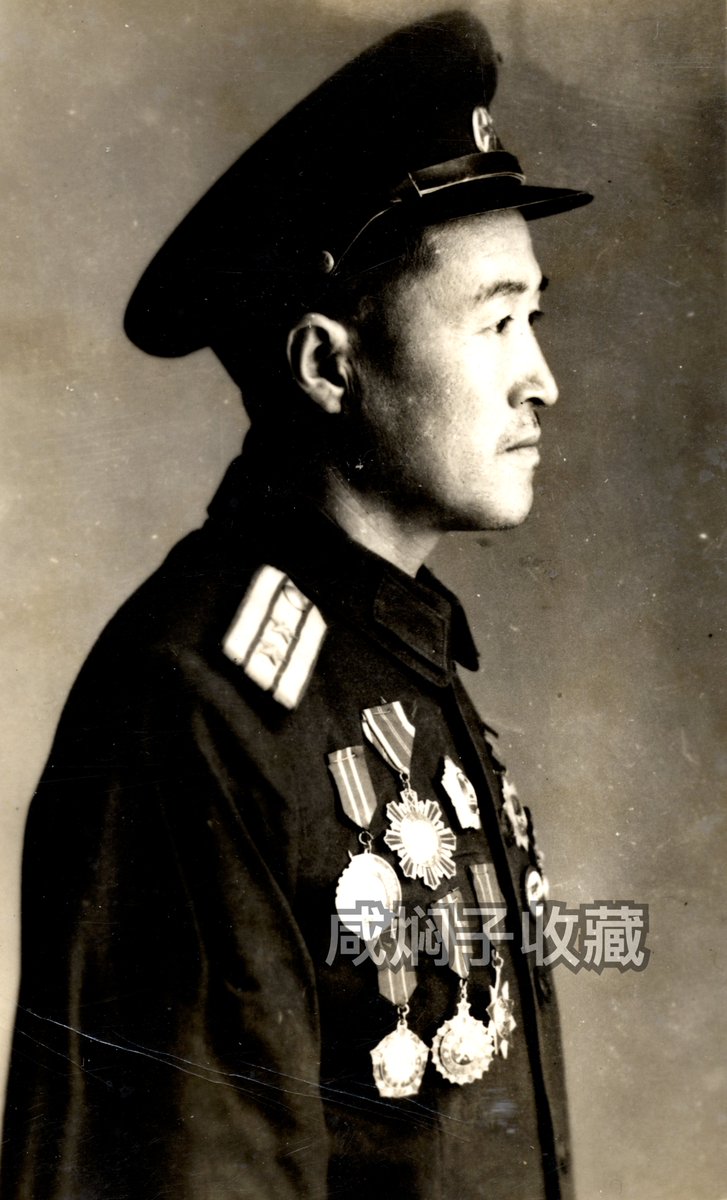
🇰🇵 Korean People's Army Artillery Colonel's Portraits (1980s)
Two original undated studio portrait photos of an unnamed Artillery Colonel of the Korean People's Army.
A particularly interesting detail is the change in the medals and orders between the two photos. In the early 1980s, the North Korean government ordered the replacement of earlier solid silver medals and orders with newer silver-plated copper variants, allowing for a reform of the awards and medal system as well as allowing for valuable metals to be recycled. This transition can be clearly observed between the two photos.
Based on these details, it is reasonable to assume that the first photo was taken in the late 1970s or early 1980s, while the second photo was likely taken in the mid to late 1980s.
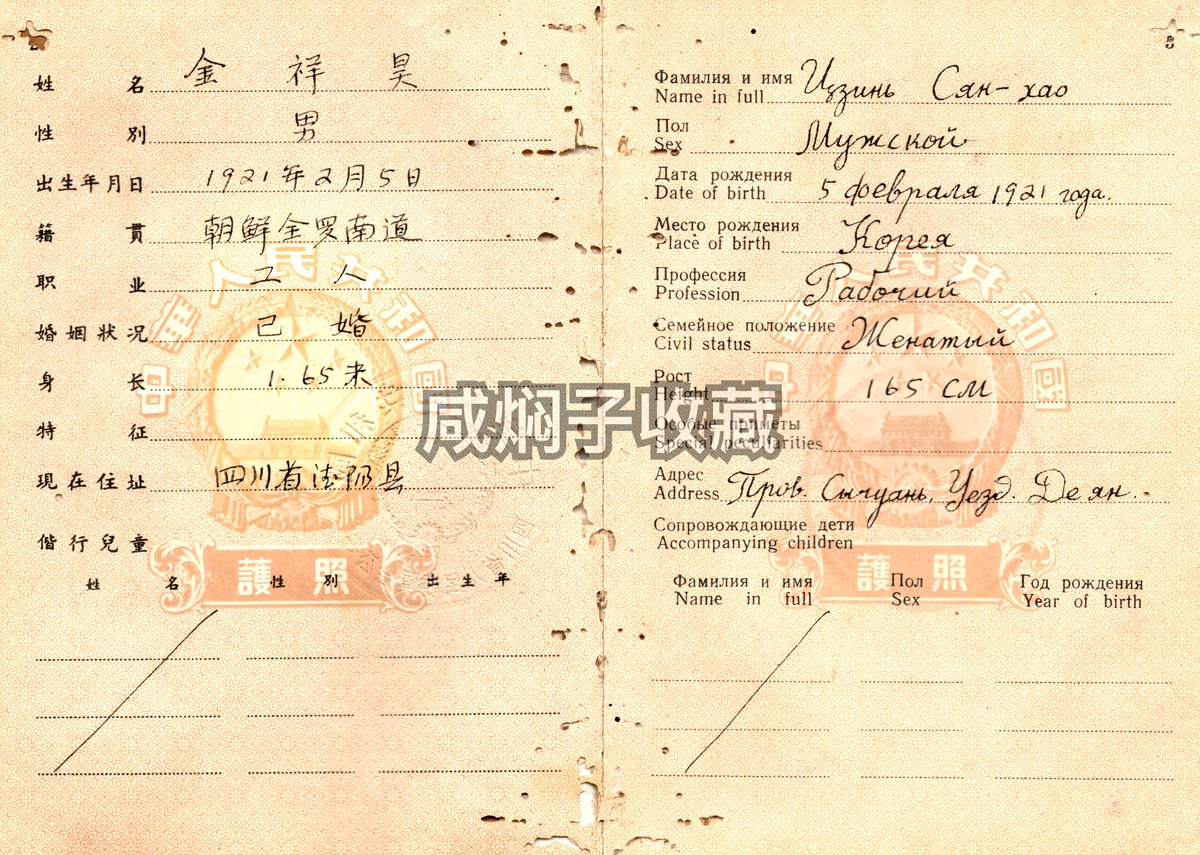
🇨🇳 People's Republic of China Type 55 Passport for a Korean Man (1962)
Original civil edition Type 55 passport from the People's Republic of China issued on December 20th 1963 to a Korean man named Kim Sangho (김상호 / 金祥昊), born in South Korea's South Jeolla Province, but resided in Chengdu.
Most fascinating detail is that he has a visa to North Korea, allowing him to enter the country from the Chinese city of Andong (now known as Dandong) before March 20th of 1964.
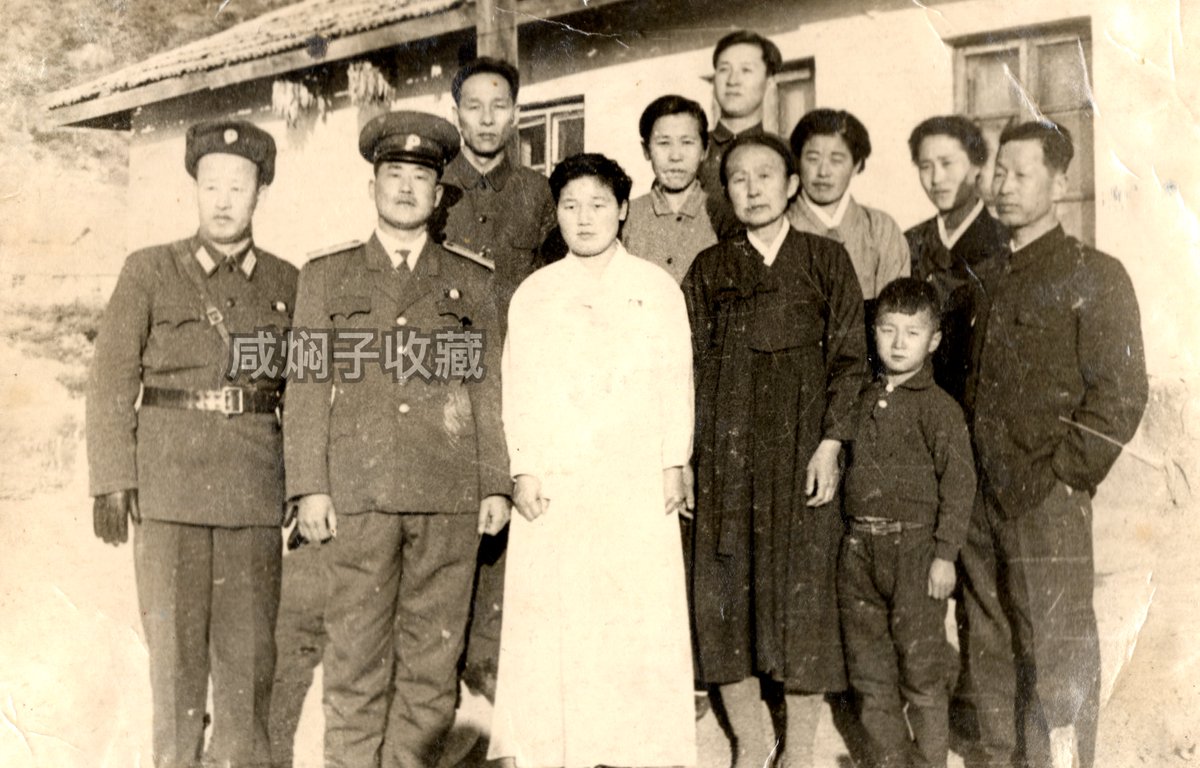
🇰🇵 Korean People's Army Colonel's Portrait Set (1980s)
Original set of three undated portrait photos of an unnamed Colonel of the Korean People’s Army, taken throughout the 1970s to the 1980s.
The first photo was taken when he was still a Lieutenant Colonel while wearing the older style dress uniform. In the second photo, he has been promoted to Colonel and is wearing a newer style dress uniform along with a few additional medals. Even more interesting are the Guards Badge and Red Flag Company (3 Times) Badge he is wearing. The third photo shows him (far left) with his family, where he is wearing a rare long rectangular Kim Il Sung portrait badge and a regular service uniform.
🇨🇳 People's Liberation Army Hero Bao Renchuan's Portrait Photos (1950s)
Two original undated portrait photographs of People’s Liberation Army war hero Bao Renchuan (鲍仁川), wearing a Type 55 uniform with the rank of Lieutenant Colonel (中校), taken in the late 1950s or early 1960s.
Bao Renchuan was born in 1923 in Yugezhuang Village, Laiyang County (now Laiyang City), Shandong Province. He enlisted in a plainclothes unit of the Fifth Detachment of the Eighth Route Army in 1941 and fought against Japanese forces, joining the Chinese Communist Party in July 1942.
Bao Renchuan was declared a national war hero for his actions during the Liaoshen Campaign in Northeast China in October 1948. At the time, he served as Deputy Battalion Commander of the 1st Battalion, 34th Regiment, 12th Division, 4th Column of the Northeast Field Army. During the fierce defence of Tashan, he led his unit against repeated assaults by Nationalist Chinese forces from the elite 95th Division, who had overwhelming firepower using aircraft, artillery, and naval bombardments. After each day’s fighting, he personally directed nighttime repairs to the defensive fortifications.
On one occasion, Bao Renchuan led thirteen soldiers in a counterattack against the remnants of an enemy regiment, killing its commanding officer, destroying the artillery positions of two enemy companies, and forcing the remaining enemy troops to surrender.
After six days and nights of continuous combat, Bao Renchuan successfully defended Tashan. For his actions, he earned the moniker “Hero of Tashan,” was awarded a company banner titled “Steadfast as Mount Ta,” and saw the 34th Regiment receive the honorary title “Hero Company of Tashan.” Reportedly, only 21 soldiers of the 34th Regiment remained alive at the end of the battle. Following Tashan, he continued to fight in the campaigns of Northern China and Central-Southern China.
Throughout his service during the War of Resistance and the Chinese Civil War, Bao Renchuan received a total of nine meritorious commendations, a Medal of Mao Zedong, two Hero Medals, two Labour Medals, a Valiant Hardship Medal, a Medal of Independence and Freedom, a 3rd Class Order of Liberation, and numerous campaign medals. The majority of these awards were from the Northeast Democratic United Forces, later reorganized as the Fourth Field Army. In September 1950, he attended the National Conference of Combat Heroes, where he was received by Chairman Mao Zedong and other senior leaders.
After the Chinese Civil War, Bao Renchuan continued his military career quietly, though he was occasionally quoted in newspapers praising the achievements of the People’s Volunteer Army in Korea. He retired in 1977 and was resettled at the Laiyang Military Retirees’ Sanatorium. During his retirement, he reportedly spoke little of his wartime achievements and passed away on September 6th 1981.