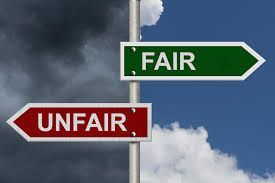
Fairness is an operational metric. A reporting gap can become a trust gap-especially when pay, recognition, or performance ties to data. We fixed what was broken, validated it, and made the system match reality. People won't forget when it feels unfair. Protect the signal.
Busy work is a tax. I challenged "we've always done it": Why? Who's it for? What outcome changes? If we stop, who notices? That removed noise and created space for high-value work. Eliminating work can be as valuable as completing it.
"What, so what, now what" is my update rule: 1) What happened 2) So what changed 3) Now what decision/action is needed. Leaders don't need more words-they need decision support. Meetings get shorter, alignment faster, and ownership clearer.
Promotions are a lagging metric of leadership. Development can't be optional, so we made it real work: consistent 1:1s, a steady growth cadence, and clear expectations. Outcome: 9 promotions and leaders with stronger ownership. Build leaders who can deliver without you.
Taking back ownership: a compliance workflow sat outside the business-fine, but slow to improve. We brought it in-house with clear standards and training. Result: faster turnaround and cleaner accountability at scale. Outsourcing can save effort, but it can cost ownership.
The "97%" lesson: people didn't fail-systems were vague. We rebuilt a program's operating system: clear owners, cadence, standards, and a simple scoreboard. Result: 97% completion without heroics. Clarity isn't micromanagement; it respects time and protects outcomes.
Simplifying complexity is the most scalable leadership skill. When work spans thousands of locations, every extra step and unclear handoff multiplies. Fewer steps. Clear owners. Better defaults. Cleaner decisions. Sometimes transformation is one less step, repeated at scale.
Community impact and operational impact aren't separate. Strategy only works when it fits the humans executing it. If it looks great in a deck but fails in the field, it's not a good strategy. Design for real life, not ideal conditions.
Best change-leadership move: listen first. Start with questions, surface real constraints, define success together. When people feel heard, resistance drops-and execution speeds up.
Cross-functional work isn't about being nice-it's about being useful. My biggest wins came from aligning ops, tech, finance, supply chain, field, and partners fast, removing blockers, and keeping the outcome shared. Influence is earned by making it easier for others to win.
Leading in ambiguity: when the org is changing, people don't need hype-they need clarity. I anchor on basics: what we own, what success looks like, who our partners are, and what cadence keeps us aligned. The leader's job is to turn uncertainty into a plan.
If you can't measure value, you're guessing. I pushed for ROI discipline: invest in what works, not what's always been done. You don't need perfect measurement-just consistent: track what you can, standardize reports, compare outcomes, and decide better next month.
Hard lesson: speed can create mistakes that cost trust. Early on, I moved fast and shipped work that wasn't polished enough. Since then: high-stakes work gets a quality gate. Every time. No exceptions. Moving fast matters. Moving fast without discipline is expensive.
Leadership shows up when nobody's watching. For part of this year, decisions couldn't wait for approval; direction and priorities had to be set. Lesson: autonomy isn't freedom; it's responsibility. If you outsource ownership, you become the traffic jam.
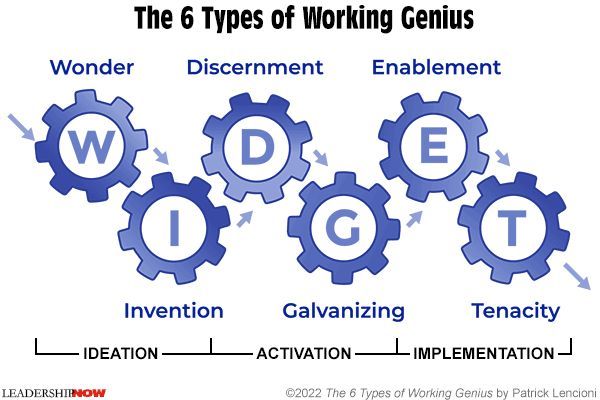
Best team upgrade: a shared language. We learned a strengths framework to cut friction: what energizes you, what drains you, and how to pair work. Communication got cleaner, feedback easier, and collaboration faster. Tools aren't the point. Clarity is.
Development needs a rhythm, like the work. With scope shifts and 32 direct reports this year, we made growth systematic: regular check-ins, dedicated development talks, same cadence regardless of the org chart. Talent growth isn't extra-it's how you scale impact.
Recognition isn't fluff-it's a signal. We traded hundreds of recognitions and earned dozens of nominations because appreciation became a leadership habit, not a quarterly event. Call out the behaviors worth repeating in real time. Culture is built in moments, not meetings.
Crisis leadership isn't about doing more-it's about staying calm. In a multi-week disaster response, it is best to slow decisions just enough to create clarity: owners, needed calls, acceptable risks, and non-negotiables. People remember how you made them feel. Calm is contagious
A remodel, like choreography, requires coordination. In 2025, the remodels required more than 1,400 on-site days. Effective communication and clear roles are vital to preventing failures caused by small misalignments that impact customers and teams.