If you don't know anything about SUI, read this and don't play with this giant in the room....Sui is a Layer-1 blockchain built for speed, cheap transactions, and apps that feel closer to Web2 than classic crypto. It launched mainnet in May 2023 and was created by Mysten Labs, a team of former Meta engineers who worked on Diem and the Move language.7205d0
Forbes
The name comes from the Japanese word for water — the idea is a network that flows: high throughput, low latency, and assets that move without waiting in a single global line.
SUI Blockchain: Pioneering a New Era in Blockchain Technology - The Blockchain Academy
How Sui is different
Most blockchains treat the world as accounts (your address has a balance). Sui treats the world as objects.
An NFT, a coin pile, a game item, or a DeFi position can be its own object with an owner and rules.
If two transactions touch different owned objects, validators can process them in parallel. No need for the whole network to agree on a total order first.
Transactions that touch shared objects (like a public AMM pool) still go through consensus.
That split is the core trick. Simple transfers and many game/NFT actions can settle extremely fast; only the contentious stuff pays the full consensus cost.a9e2a3
docs.sui
Sui: Reimagining Blockchain Architecture | by pawankumargali | Level Up Coding
Smart contracts are written in Sui Move, a resource-oriented language designed so assets are harder to accidentally duplicate, lose, or drain via classic Solidity-style bugs.
Consensus has evolved (Narwhal/Bullshark, then Mysticeti). The practical result for users is sub-second finality and very low, relatively stable fees. The network uses delegated proof-of-stake: you stake SUI with validators who produce and finalize transactions in ~24-hour epochs.87da7c
Ledger
The SUI token
SUI is the native coin. Maximum supply is 10 billion. It is used for:
Gas (transaction and storage fees)
Staking (secure the network, earn rewards)
Liquidity inside apps
Governance (protocol decisions)
Storage has a distinctive design: you pay upfront to store data on-chain; part of that fee can be rebated if you later delete the object. A small slice stays locked in a storage fund so future validators stay paid for old data.733280
docs.sui
This is not financial advice. Token price, unlocks, and staking yields change.
Get started in 15 minutes
1. Get a wallet
Popular Sui-native options:
Slush — official wallet from Mysten Labs (the old Sui Wallet, now mobile + browser). Supports zkLogin (sign in with Google/Apple instead of only a seed phrase).
Suiet — open-source, Sui-first browser wallet.
Nightly / Backpack — good if you also use other chains.
Ledger — hardware wallet for larger amounts.
Create the wallet, write down the recovery phrase offline, and never paste it into a website. zkLogin is convenient but you should still understand how recovery works for that product.
Official starting point: https://t.co/AJe7t6NJ9j
2. Get SUI
Buy on a major exchange (Binance, Coinbase, OKX, Kraken, etc.) and withdraw on the Sui network to your wallet address.
Or use in-wallet on-ramps (MoonPay, Transak, Banxa, Coinbase Pay) where available.
If you already have assets on Ethereum or elsewhere, use a bridge (Sui’s own bridge is the usual recommendation for ETH ↔ Sui).
Always double-check the network. Sending SUI on the wrong chain can lose funds.
3. Do something on-chain
Once you have a little SUI for gas:
Stake from the wallet to a validator (research commission and performance first).
Swap or provide liquidity on Sui DeFi (DeepBook is the native CLOB).
Mint or trade NFTs, try games, or use SuiNS names.
Explore sponsored / gasless flows some apps offer so new users don’t need SUI on day one.
Explorer to verify txs: Suivision or similar Sui explorers.
Practical tips
Fees are tiny compared with Ethereum L1, but still keep a small SUI buffer for gas.
Bookmark official sites. Fake “Sui airdrop” and wallet-connect phishing is common.
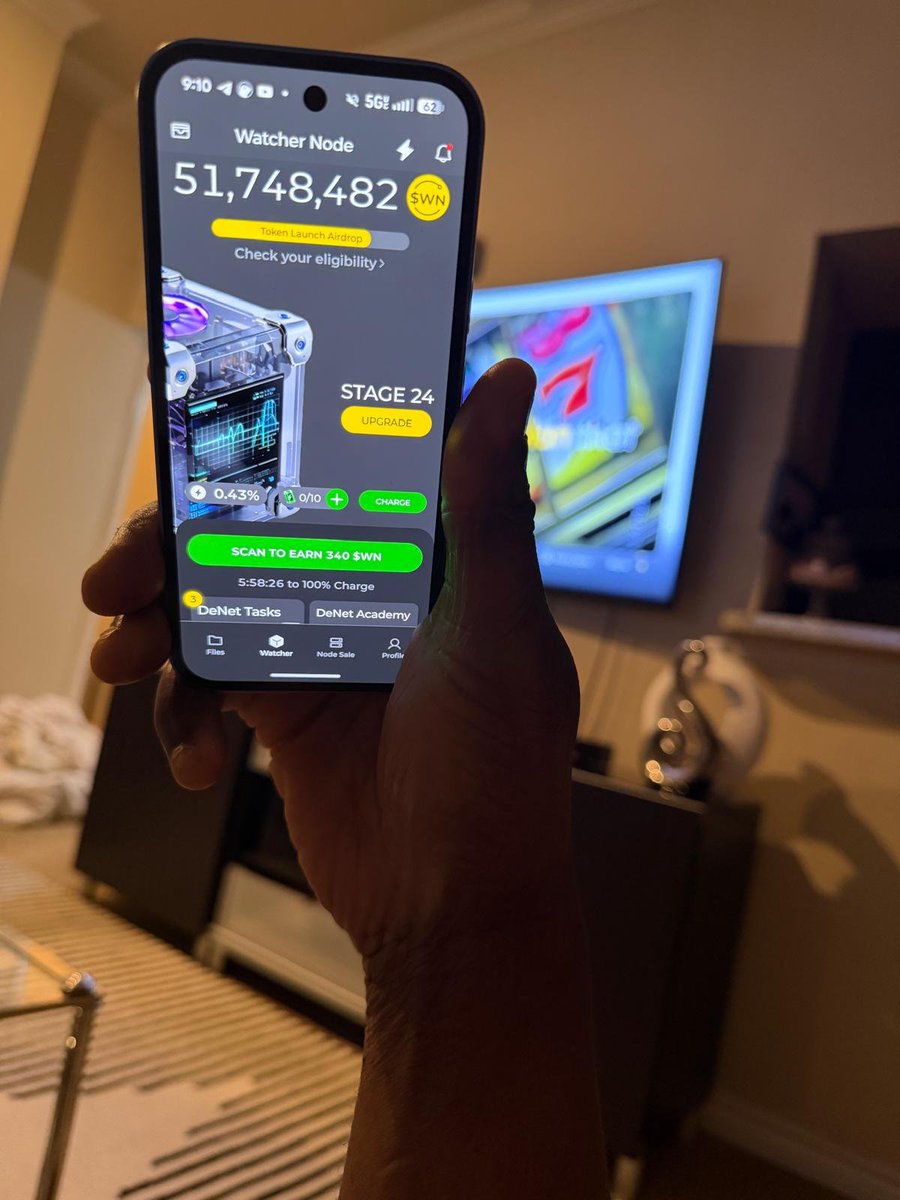
One week after DeNet Storage Protocol v4 went live, the decentralized storage economy is already in motion 🔥
Here are the results from the first week:
🔸 250+ storage customers have uploaded data
🔸 Over 1 TB of data is stored across the network
🔸 Datakeepers earned $170+ from real storage activity
🔸 Distributors generated $500+ in commissions in July
But the launch is only the beginning.
As DeNet moves into the next phase, every participant has a role to play - from securing the network and providing storage capacity to bringing new users and businesses into the ecosystem.
Read the full update to see what’s happening now and how you can participate 👇
🔗 https://t.co/UAcEPCqtfx