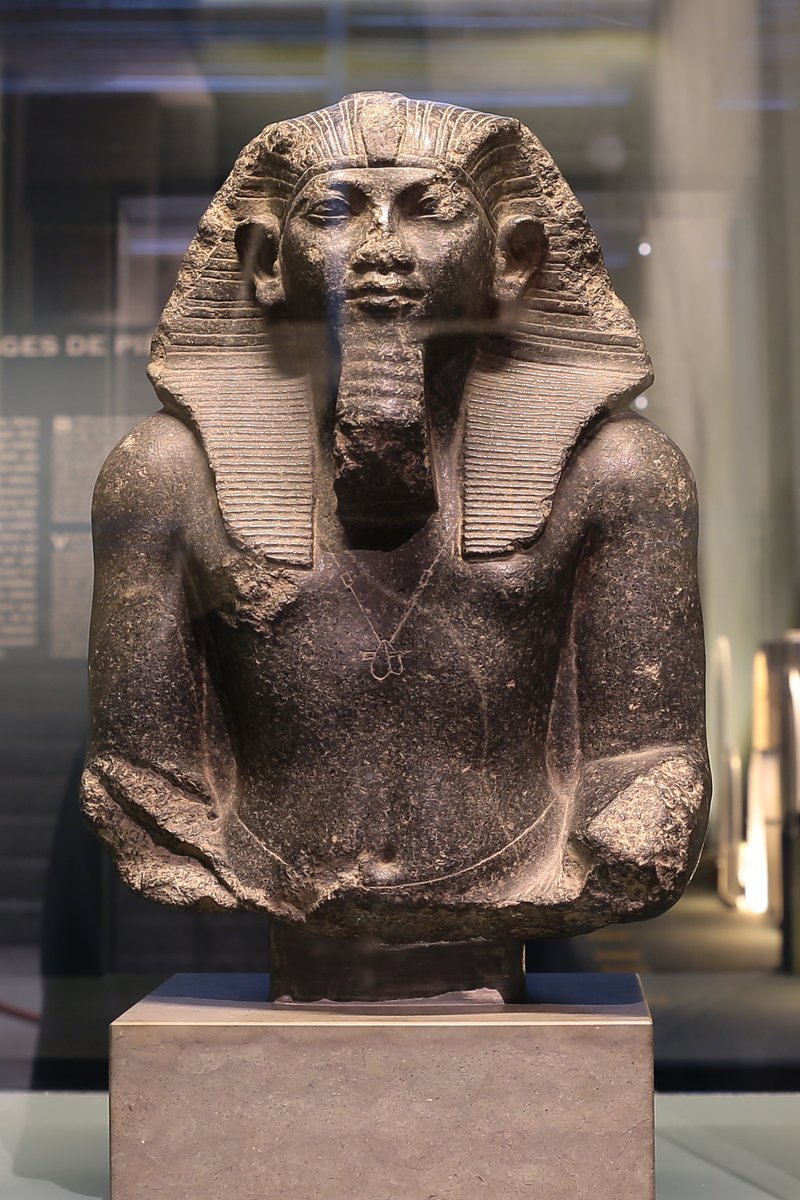
Sundiata Keita was born in 1217 to King Naré Maghann Konaté who was a ruler of the Mandinka people and his wife Sogolon Condé.
From birth, Sundiata was a cripple and suffers hunchback which made him a subject of ridicule. For this reason, he was always in the Palace and very close with his mother.
When his father's Kingdom and Palace were conquered by King Soumaoro Kanté of Sosso, many people were killed, but he was spared because of his physical conditions. However, Sundiata was determined to revenge this invation and eventually offer justice to his people who have been treated with Injustice by the Sosso invation.
He eventually succeeded; Sundiata purposively travelled to the plain of Siby (var: Sibi), where he formed a brotherhood in order to liberate his country and people from the powerful Sosso king.
Eventually, at The Battle of Kirina, Sundiata and his allies defeated the Sosso king, and he formed and became the first Emperor of the Mali Empire which became more powerful and prominent than the Kingdom of his father.
Although Sundiata Keita was born a cripple and with hunchback, he became one of the greatest kings and warriors the African continent has ever seen.
Like Sundiata, you and I should not allow anything to be an obstacle on our way to take back Africa and rebuild our lost glory to honour the memories of our ancestors and give them justice.
African history is beautiful. Do not die without knowing yourself or passing on this beauty to the next generations.
✊🏿 This is Pan-Africanism - a movement built on one powerful idea:
Black people, everywhere, are stronger together 🔥
Meet the minds and voices who shaped that vision.
👉🏿 What does Pan-Africanism mean to YOU today?
🖤 If this inspires you:
✔️ Drop a like
✔️ Tag someone who needs to see this
✔️ Share to keep the legacy alive
Let’s not just remember history, let’s continue it.
#100african #proudtobeblack #panafricanism #blackhistory #blackpower #AfricanUnity #BlackExcellence
Before European colonialism, numerous African writing systems existed across the continent, including the ancient Egyptian systems of hieroglyphs, hieratic, and demotic; the Berber Tifinagh; the Ge'ez script in Ethiopia; and Nsibidi in West Africa. Other systems include Meroitic, Vai, Shumom, Kikakui, and N'ko, among others, demonstrating a rich and diverse history of writing and communication in pre-colonial Africa.
"Malcolm X represented African manhood and Black masculinity...Malcolm X was a man who reclaimed his own African essence and took a stand in spite the fact that he stood in the shadow of death."
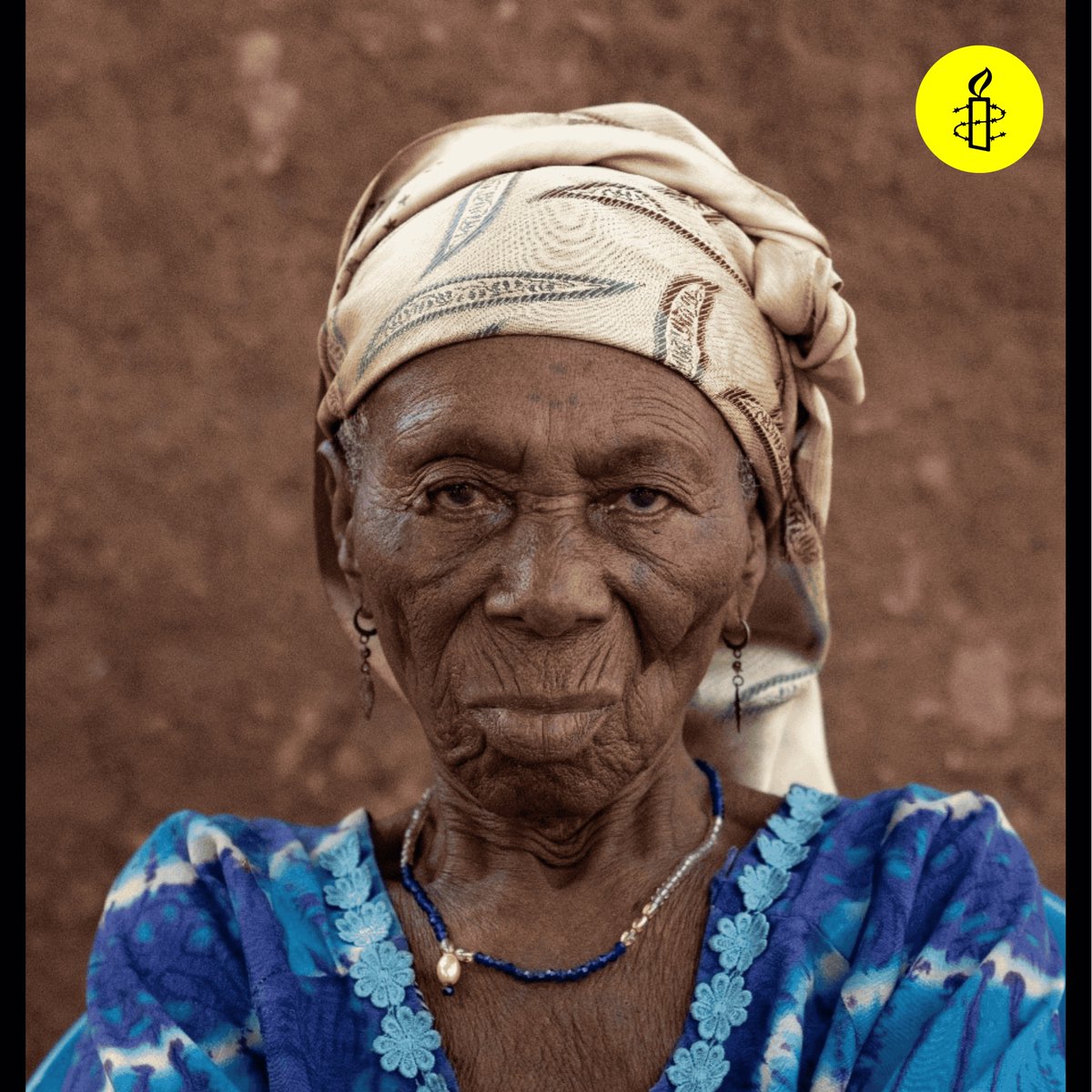
In Northern Ghana, hundreds of women accused of witchcraft live in exile.
Their voices are at the center of the exhibition 'Ghana: Branded for Life'. As many of them say: “I’m not a witch.”
Explore their stories and experiences through this virtual exhibition.
AFRICAN HISTORY
A MUST READ!!!
Africa was ahead of Europe and the rest of the world in Medicine. A cesarean section that professional doctors and midwives study for at university level and higher institutions of learning were part of African practices on the continent with an impressive 100% survival rate before the colonialists invaded Africa.
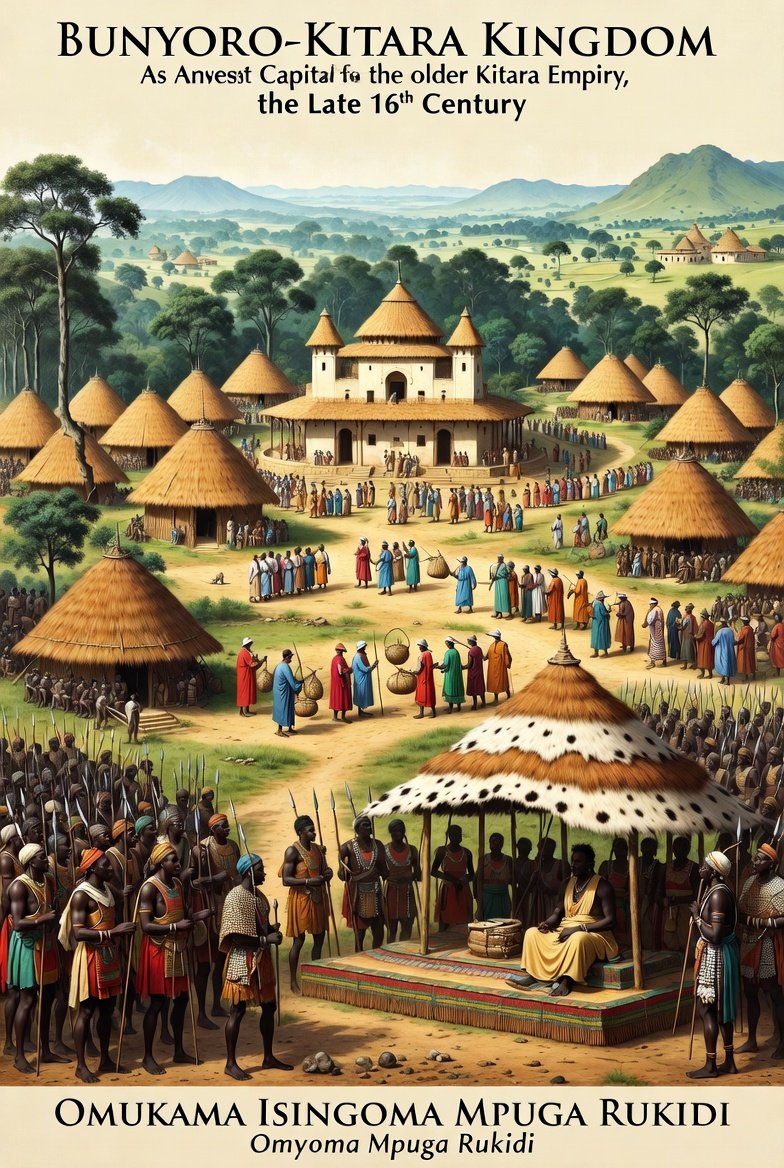
In 1879 a Scottish medical student and missionary Robert W Felkin witnessed a successful C section in Kahura, Bunyoro Kingdom in Western Uganda. The patient was a 20 year old mother. The surgeon cleaned hands and the woman's abdomen with banana wine for anti sepsis, she was sedated and a midline incision from above the pubis to below the umbilicus cutting through the abdominal wall and uterus. Amniotic fluid was drained, the baby and placenta removed. Bleeding was contained with hot iron/ rods, uterus massaged to contract and abdominal wound closed using iron pins and dressed with herbal root paste. Both mother and child survived in this operation a stunning indication of how Africans had advanced medicine and iron working skills. This medical knowledge has been passed down for generations and had been a custom among the natives in the Bunyoro Kingdom since the inception of the kingdom. The Bunyoro Kitara Empire traces its root to around 1000AD after the Batembuzi reign. It was a vast kingdom that covered huge parts of Uganda, eastern Congo, western Kenya, northern Tanzania, Burundi and Rwanda. Indigenous Africans had an informal educational system that ensured knowledge was kept and passed on effectively.
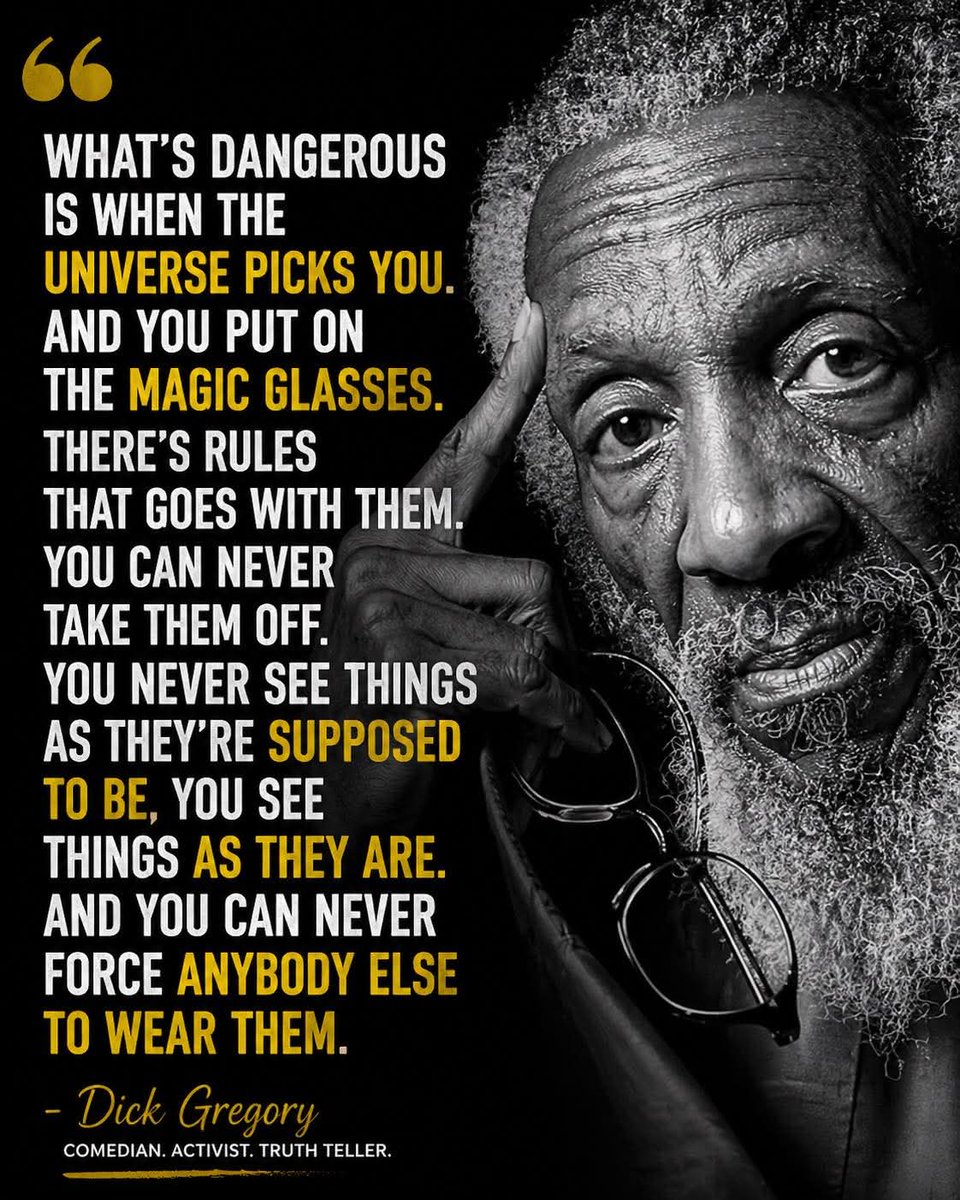
"No one intends to let African people, program themselves, support themselves, clothe themselves, feed themselves, school themselves, no place on the face of this earth."