Delhi, 650 years ago:
India was under foreign Muslim rule and Sharia.
An old Brahmin decided to fight back.
He publicly performed Ghar Wapsi of thousands of Muslim men and women.
When this news came to Sultan Firoz Tughlaq, he offered two choices to the Brahman.
1) Islam.
2) Death by burning.
The Brahman chose death. He was burned to death in broad daylight. Even when his body was burning before his very eyes, he did not utter a cry. He had no fear and no regrets. Such was his dedication for the nation and dharma.
Today, the descendants of this Brahman are classified by Indian state as "oppressors" and systematically discriminated. Descendants of Firoz Shah, on the other hand, are classified as "oppressed" and given doles, freebies and reservations
In all Hindu literature, starting from 11h century to 20th century, from Kashmir to Kanyakumari, Muslim rulers were equated to Asuras and Rakshasas.
This idiot here claims hatred towards Mughals is colonial construct.
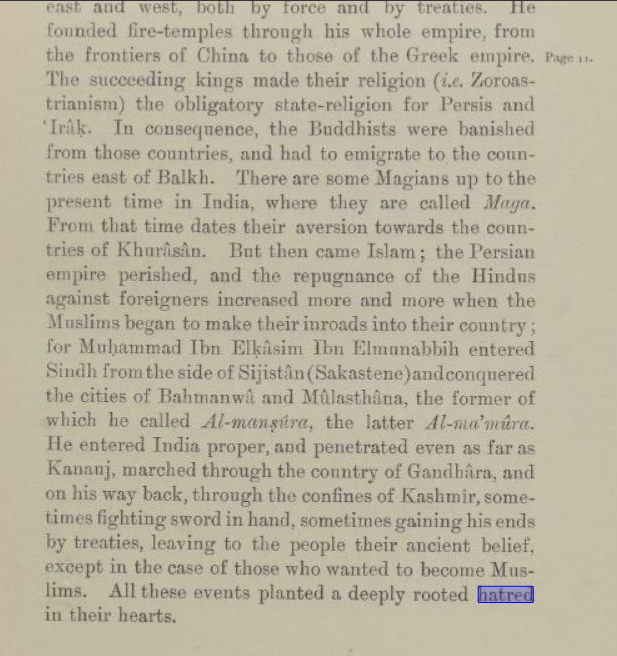
Here is Alberuni in 11th century saying Hindus carried "deeply rooted hatred against Muslims in their hearts" because Mahmud Ghanzavi "utterly destroyed India"
@Indic_Arya_LM@Pratham86718126 @KarPritam39929 @Shaurya3858d @_piyushchavda15 @Jijith_NR@SR1_aryan@shreyask10x@Rig Absolutely not. Vedic mantras do not mention any historical person or place. The word Rāma means one who gives joy, or pleasing, or dark (in some sense) etc.
√रम् क्रीडायाम्।
There was no Islam when Aryabhatta was composing Raghvamsa
There was No Christianity when Kautilya was writing Arthashastra
There was no Buddhism when Patanjali was composing his Yoga Shastra.
We are a continuous civilization from time immemorial, Starting From Vedas .
Bina parhe kuch bhi bol do.
Vagdevi is present in Vedas. In fact there are 57 names of Vagdevi there.
The famous Devi Sukta (10
125) in Rigveda is about Vagdevi.
For example in Rigveda -
8.100.10
8.100.11
1.24.15
9.111.1
5.41.19
And many other places.
आखिर हिन्दुओ की आस्था कब तक टारगेट होते रहेगी, हिंदुओं को अपने सिख भाइयों से सीखना चाहिए की कैसे इन जैसे लोगों की लंका लगाई जाती है... यदि सहते रहोगे तो यह आगे भी ऐसा करते रहेंगे, इसीलिए यदि खुद को हिंदू मानते हो तो इस व्यक्ति का इतना विरोध करो कि इस वामपंथी नशेड़ी @dhruv_rathee को भारत में बैन किया जाए... @narendramodi
You are mistaken. Both ‘pati’ (पति) and ‘patnī’ (पत्नी) mean “owner”, “possessor”, “master/mistress” or “ruler”. The word ‘patnī’ (पत्नी) is the feminine form of ‘pati’ (पति), and not the opposite. Hence, the word ‘patnī’ (पत्नी) does not mean “a slave”.
The word ‘pati’ (पति) literally means “a protector”, from the root √‘pā’ (पा). As a masculine word, it means both “a master, owner, possessor, lord, ruler” and “a husband” (Monier-Williams Sanskrit-English Dictionary).
It may come as a surprise to many, but ‘pati’ (पति) is also a feminine word. As a feminine word, ‘pati’ (पति) means “a female possessor, mistress”, i.e. a female owner or ruler (Monier-Williams Sanskrit-English Dictionary).
When used at the end of compounds, the word ‘pati’ (पति) is gender-neutral, i.e, it can indicate both a masculine and feminine owner. For example, a female leader of a village can be called both a ‘grāmapati’ (ग्रामपति) and a ‘grāmapatnī’ (ग्रामपत्नी) in Sanskrit.
The feminine word ‘patnī’ (पत्नी) means both “a female possessor, mistress” and “a wife” (Monier-Williams Sanskrit-English Dictionary).
Just like we have words like ‘adhipati’ (अधिपति), which means “a ruler, commander, regent, king”, there are words like ‘adhipatnī’ (अधिपत्नी), which means “a female sovereign or ruler” (Monier-Williams Sanskrit-English Dictionary).
Another example: ‘gṛhapati’ (गृहपति) means “the master or owner of a house” and similarly ‘gṛhapatnī’ (गृहपत्नी) means “the mistress or owner of a house” (Monier-Williams Sanskrit-English Dictionary).
Most people don't know how structured Sanskrit Grammar is
Let's take a small example -
वन्दे meaning "I worship"
How would we Derive this using Sanskrit Vyakaran?
We take वदिँ root [ भूवादयो धातवः १.३.१]
1. We give इत् nomenclature to anunasika sound
→ वदिँ [ उपदेशेऽजनुनासिक इत् १.३.२]
2. इत् is removed
→ वद् [ तस्य लोपः १.३.९]
3. न् comes in between because of root ending in न्
→ वन्द् [ इदितो नुम् धातोः ७.१.५८]
4. लट् is added for present tense
→ वन्द् + लँट् [ वर्तमाने लट् ३.२.१२३]
5. Anunasika get's इत् nomenclature
→ वन्द् + लँट् [ उपदेशेऽजनुनासिक इत् १.३.२]
6. ट् gets इत् nomenclature
→ वन्द् + लँट् [ हलन्त्यम् १.३.३]
7. इत् is removed
→ वन्द् + ल् [ तस्य लोपः १.३.९]
8. The suffixes added will be from Atmanepada
→ वन्द् + ल् [ अनुदात्तङित आत्मनेपदम् १.३.१२]
9. इट् suffix is added due to it being Atmanepada, singular first person
→ वन्द् + इट् [ तिप्तस्झिसिप्थस्थमिब्वस्मस् तातांझथासाथांध्वमिड्वहिमहिङ् ३.४.७८]
10. ट् gets इत् nomenclature
→ वन्द् + इट् [ हलन्त्यम् १.३.३]
11. इत् is removed
→ वन्द् + इ [ तस्य लोपः १.३.९]
12. Suffix get Sarvadhatuka name
→ वन्द् + इ [ तिङ्शित्सार्वधातुकम् ३.४.११३]
13. शप् gets added in between root and suffix
→ वन्द् + शप् + इ [ कर्तरि शप् ३.१.६८]
14. प् gets इत् name
→ वन्द् + शप् + इ [ हलन्त्यम् १.३.३]
15. श् gets इत् name
→ वन्द् + शप् + इ [ लशक्वतद्धिते १.३.८]
16. इत् gets removed
→ वन्द् + अ + इ [ तस्य लोपः १.३.९]
17. Gets Sarvadhatuka name
→ वन्द् + अ + इ [ तिङ्शित्सार्वधातुकम् ३.४.११३]
18. इ convers to ए
→ वन्द् + अ + ए [ टित आत्मनेपदानां टेरे ३.४.७९]
19. अपित् Sarvadhatuka works like ङित्
→ वन्द् + अ + ए [ सार्वधातुकमपित् १.२.४]
20. Anga of Suffic defined
→ वन्द् + अ + ए [ यस्मात् प्रत्ययविधिस्तदादि प्रत्ययेऽङ्गम् १.४.१३]
21. Defined as a Pada
→ वन्द् + अ + ए [ सुप्तिङन्तं पदम् १.४.१४]
22. अ+ए here results in ए because it's not at the end of pada
→ वन्द् + ए [ अतो गुणे ६.१.९७]
23. न् converted to anuswara
→ वंद् + ए [ नश्चापदान्तस्य झलि ८.३.२४]
24 anuswara converted to parasavarna
→ वन्द् + ए [ अनुस्वारस्य ययि परसवर्णः ८.४.५८]
→ वन्दे
The word is now derived from its root which means "I worship" in present tense.
Similarly this roots apply to thousands of roots and suffixes to create millions of words.
Panini was a genius who created this beautiful system.
वेद, दर्शन (या दर्शनकार) आदि को अक्सर ऐसे प्रतीकात्मक रूपों में दिखाया जाता है, जिसमें उनपर किसी जीव का मुख लगा होता है। जैसे कि– सामवेद को अश्व-मुख, योग को सर्प-मुख, निरुक्त को बगुला-मुख, पुराण को शुक(तोता)-मुख दिखाया जाता है। ये मुख उस शास्त्र की.. (१/४)
(जैसे– निरुत्त के रचनाकार सारस के मुख वाले थे), जबकि ये सच नहीं है।
किसी मनुष्य पर जीव-जंतु का सिर दर्शाना प्रतीकात्मक ही है, जो कि स्थापत्य में ऐसा ही है, जैसा भाषा में "नरसिंह" आदि शब्दों का होना। जो दर्शाते हैं कि.. (३/४)
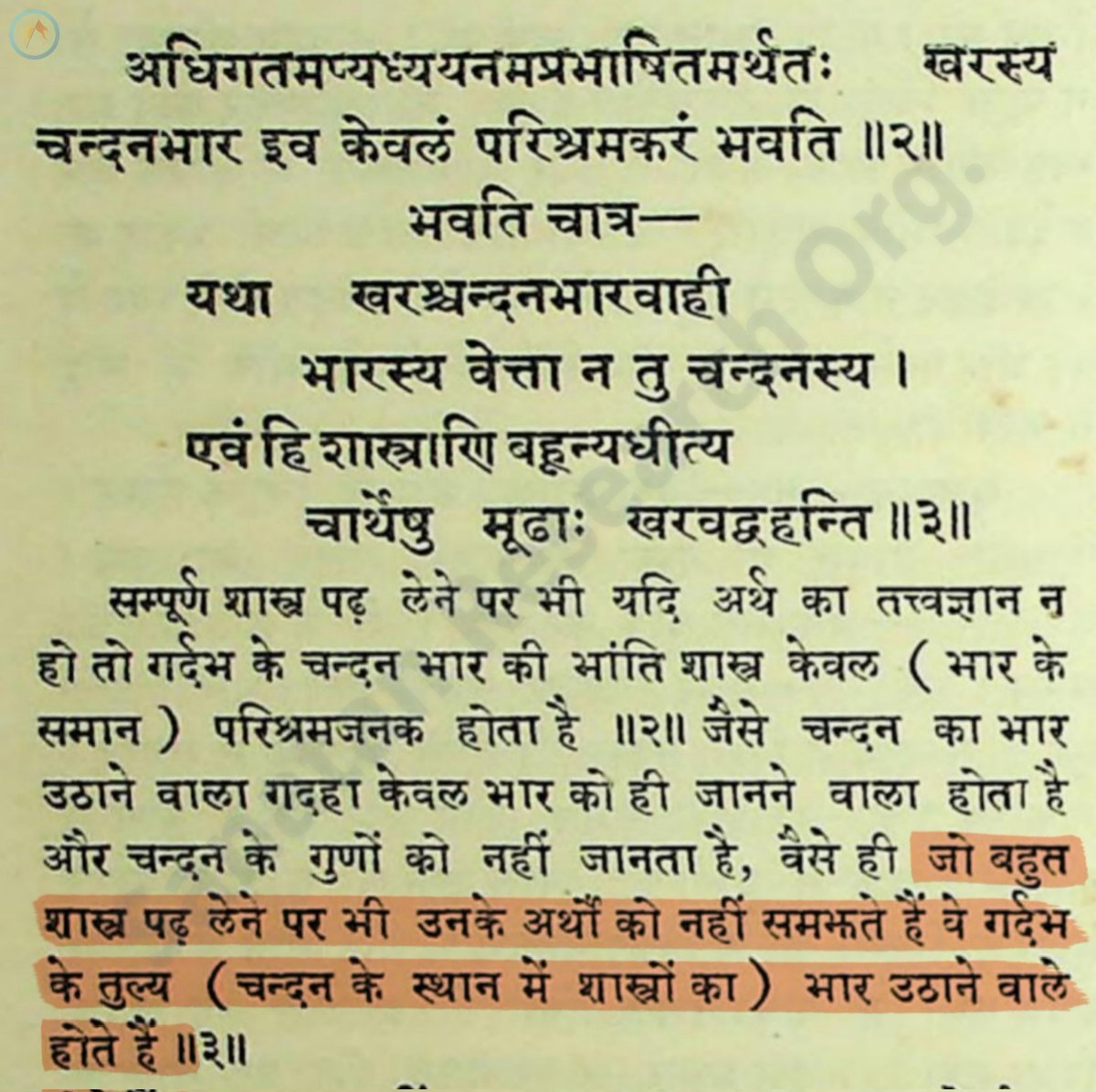
People who memorize the scriptures without understanding them are like a donkey. Donkey that bears the load of sandalwood but has no idea of its value. (Sushruta Samhita)
Read some Sanskrit poetry composed by Chhatrapati Sambhaji maharaj
He was a Dharmic king, and certainly studied dharmashastras
He refused to convert to Islam even when he was tortured by Aurangzeb, because in his own words-
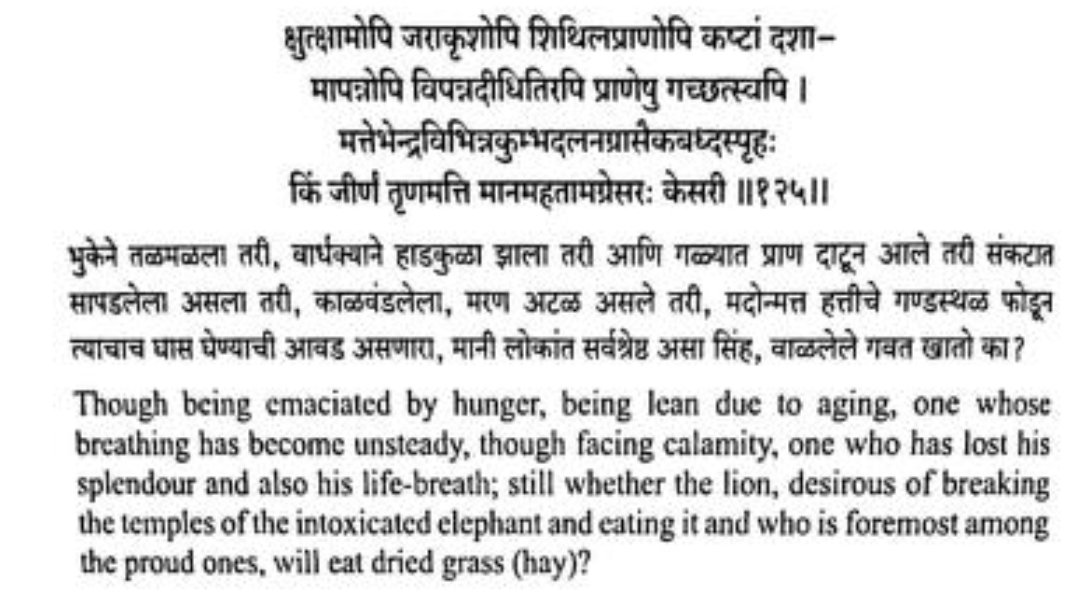
"A Lion will never eat grass even when desperate"
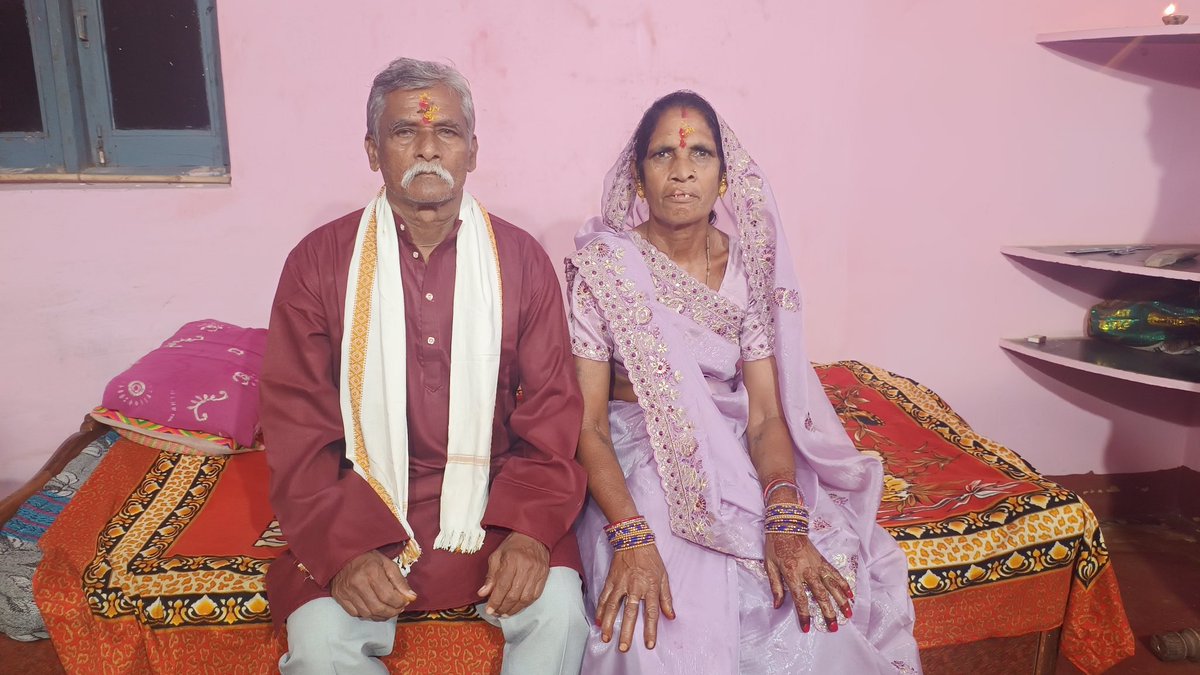
मेरे चैनल के एक व्यूअर मोहित जी के दादा-दादी प्रयागराज में मिल नहीं रहे। उन्होंने 1920 एवम् अन्य नंबरों पर शिकायत लिखा दी है। हालाँकि वहाँ से संतोषजनक उत्तर नहीं मिला।
@prayagraj_pol एवम् संबद्ध संस्थाओं से अनुरोध है कि यदि वो घायल हैं, तो फोटो से पहचान कर के निम्नलिखित नंबर पर सूचित कर दें।
Pitamber Singh Sinha
Bhuneshwari Bai Sinha
Dadaji's number - 73545 63682
Mohit’s number - 6260913053
आप में से कोई अन्य जानकारी दे सके तो कृपा होगी।