People don't get smoking-related diseases from nicotine itself. They get them from the tar and toxic chemicals released when tobacco is burned. Understanding the difference is key to smarter regulation and better public health 🚭#TobaccoHarmReduction#Nicotine#Smoking
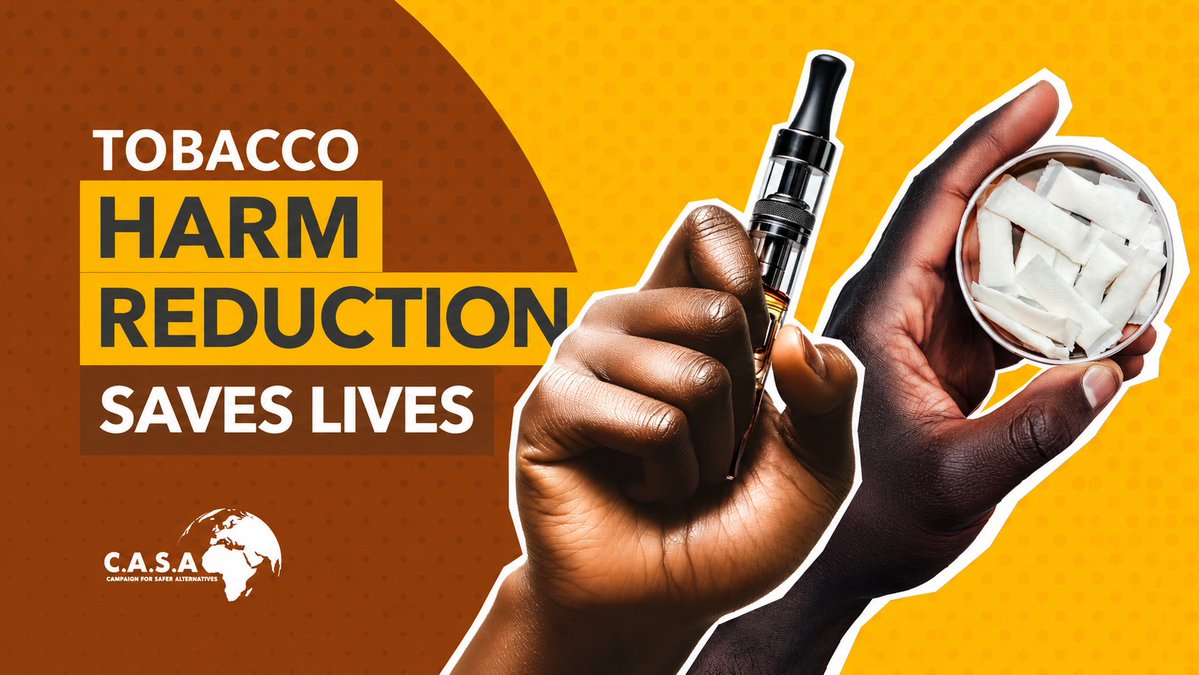
Harm reduction isn’t about promoting smoking. It’s about reducing the damage it causes. Giving adult smokers access to lower risk alternatives can save lives while supporting those who want to quit. Evidence matters 🚭#HarmReduction#Nicotine#PublicHealth
Banning or restricting nicotine pouches won’t make nicotine disappear.
It risks pushing adults back to cigarettes - the most dangerous product on the market.
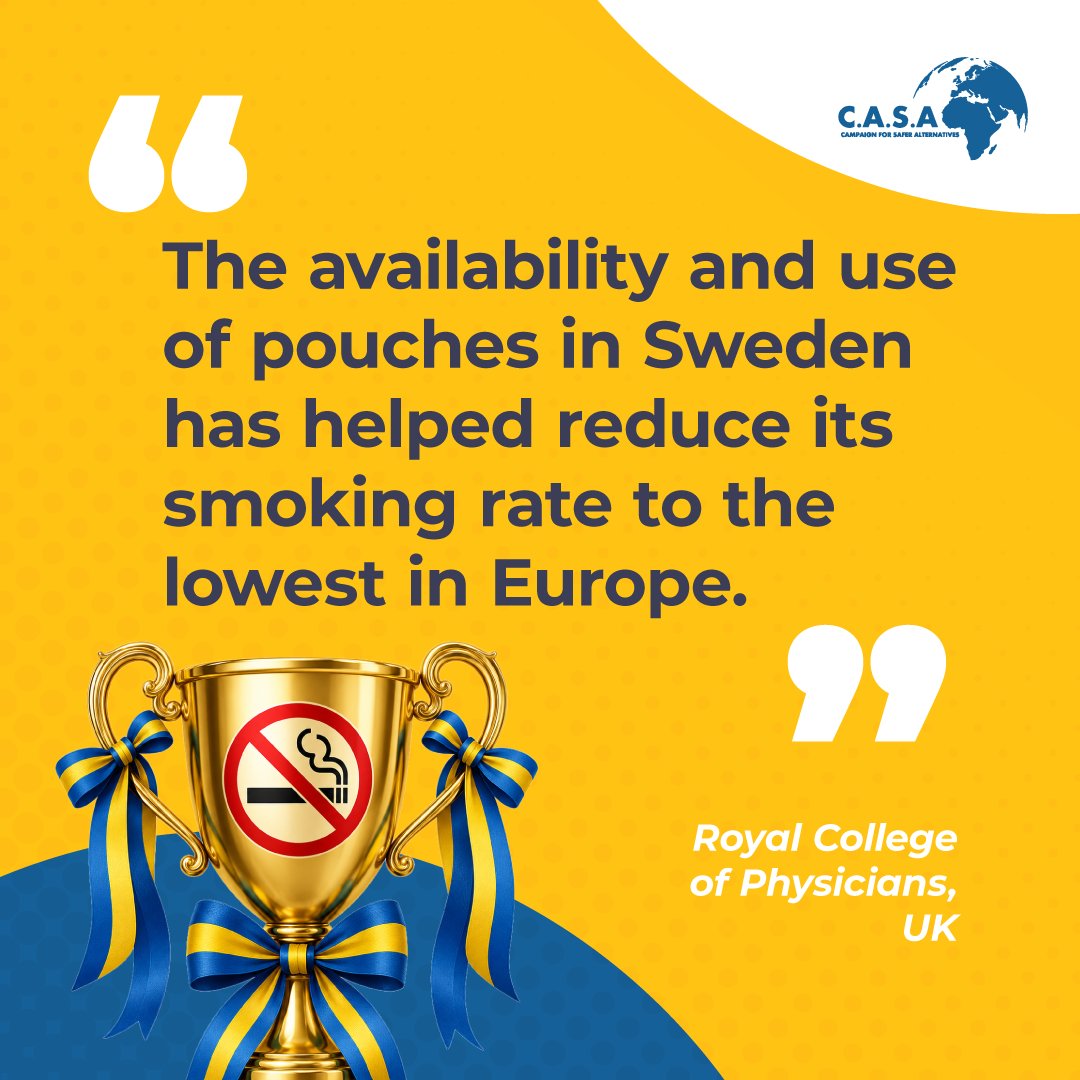
Sweden proves that smart regulation saves lives. Prohibition protects smoking 🚭 #NicotinePouches#Nicotine
Nicotine isn't what makes smoking deadly. The greatest harm comes from tar and toxic chemicals released when tobacco burns. Understanding this is essential for regulating less harmful nicotine products based on science, not misconceptions 🚭#TobaccoControl#Nicotine #HarmReduction
Kenyan lawmakers should ask themselves one question: if the FDA, after one of the most thorough scientific reviews conducted anywhere in the world, has concluded that smokers should be told the truth about lower-risk alternatives, why should Kenyan law make that harder?
Kenya can protect young people and help adult smokers quit combustible cigarettes. These goals are not mutually exclusive. Smart regulation should focus on preventing youth access while ensuring adults who smoke have access to lower-risk alternatives #NicotinePouches#Vapes #HarmReduction
Nicotine is addictive, but it is not the primary cause of smoking-related cancers. The overwhelming harm comes from the toxic chemicals produced by burning tobacco. Evidence-based policies should distinguish between combustible cigarettes and lower-risk nicotine alternatives.
As countries around the world embrace tobacco harm reduction and see smoking rates fall, African policymakers must not be left behind. Science, not fear, should guide regulation 🚭#TobaccoHarmReduction #PublicHealthAfrica
“Governments can make efforts to decrease youth use and enforce robust age verification systems while still allowing adult smokers access to regulated lower-risk alternatives.This is not a contradiction. It is what evidence-based regulation looks like.”
Kenya’s smoking rates remain far higher than Sweden’s because Sweden adopted smarter nicotine policies, separating combustible cigarettes from less harmful nicotine alternatives. Access, affordability, and accurate risk communication helped Sweden become smoke-free. Kenya can learn from this harm reduction approach #Nicotine #Policy #THR
On #InternationalHarmReductionDay, we recognize that saving lives must come before ideology.
Tobacco Harm Reduction gives millions of smokers access to safer nicotine alternatives, reducing disease and offering a real pathway away from combustible tobacco.
#THR is not the enemy of public health. It is one of its greatest opportunities. #HarmReductionDay
🚨A new study in @Nature says the world can turn smoke-free by 2040, BUT only if safer nicotine alternatives are embraced.
The research warns progress will stall without harm reduction.
🇸🇪Sweden proves safer alternatives help smokers quit.
🇪🇺EU restrictions risk delaying the end of smoking by decades.
Read more: https://t.co/WX2yyc8fdH
#Sweden has become the world’s first smoke-free country, with daily smoking at just 3.7%. They achieved this through accessibility, affordability, and availability of safer nicotine alternatives that gave smokers real choices. Legislators worldwide should emulate this pragmatic model to achieve faster declines in smoking and better public health outcomes 🚭
#TBT 🎥 In this clip from a past ATHRF conference, Dr. Kgosi Letlape highlights how many African countries fail to conduct their own research on safer nicotine alternatives, unlike other countries in the West, and instead overly rely on the WHO.
Relying on our own research is critical because African populations, markets, and health systems are unique. Without local evidence, policies risk being ineffective or even harmful. Africa must start generating its own data and solutions.
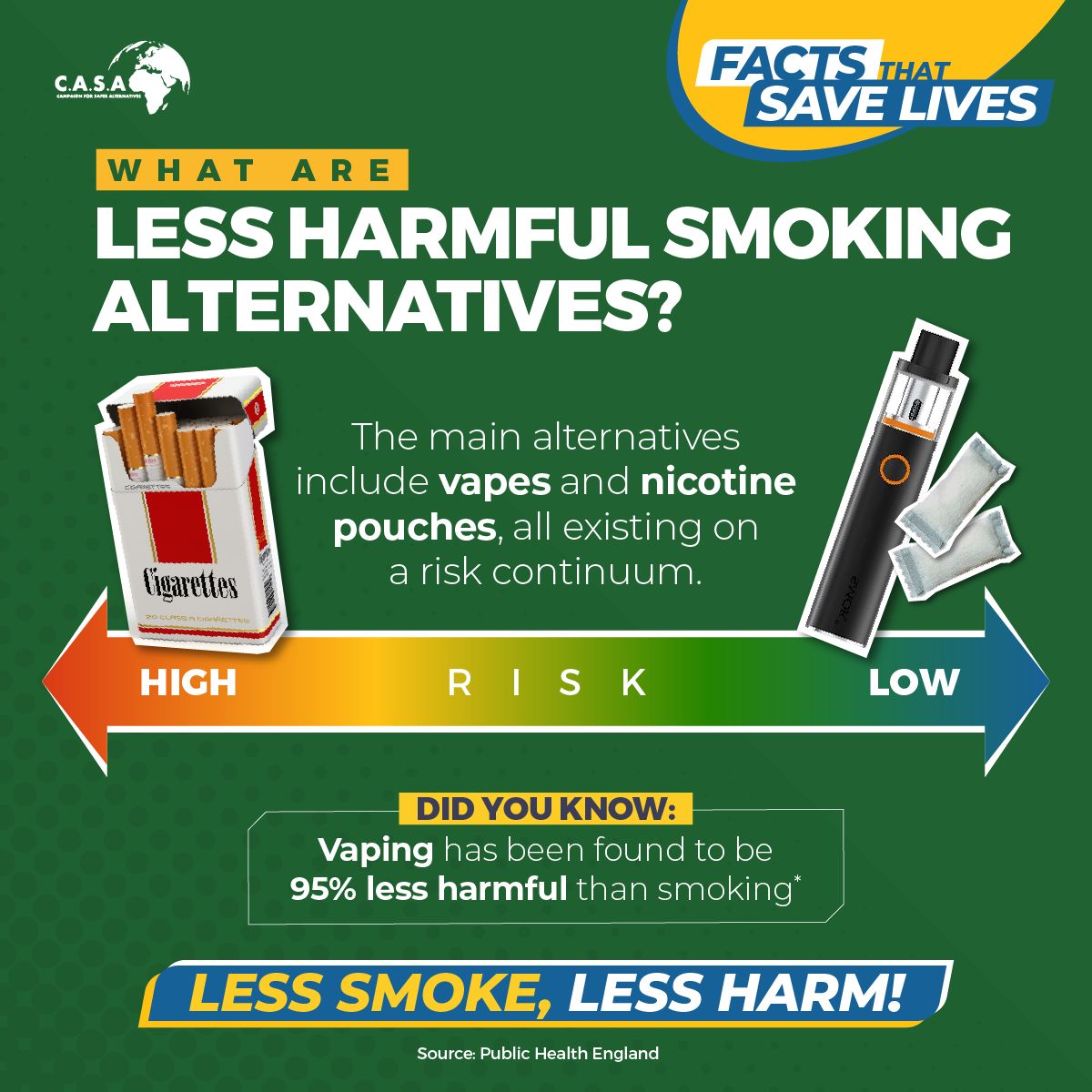
Safer nicotine products are alternatives like patches, gums, pouches, and vapes that deliver nicotine without burning tobacco. They matter because millions of smokers need realistic, lower-risk options to cut harm and move away from cigarettes #SaferAlternatives
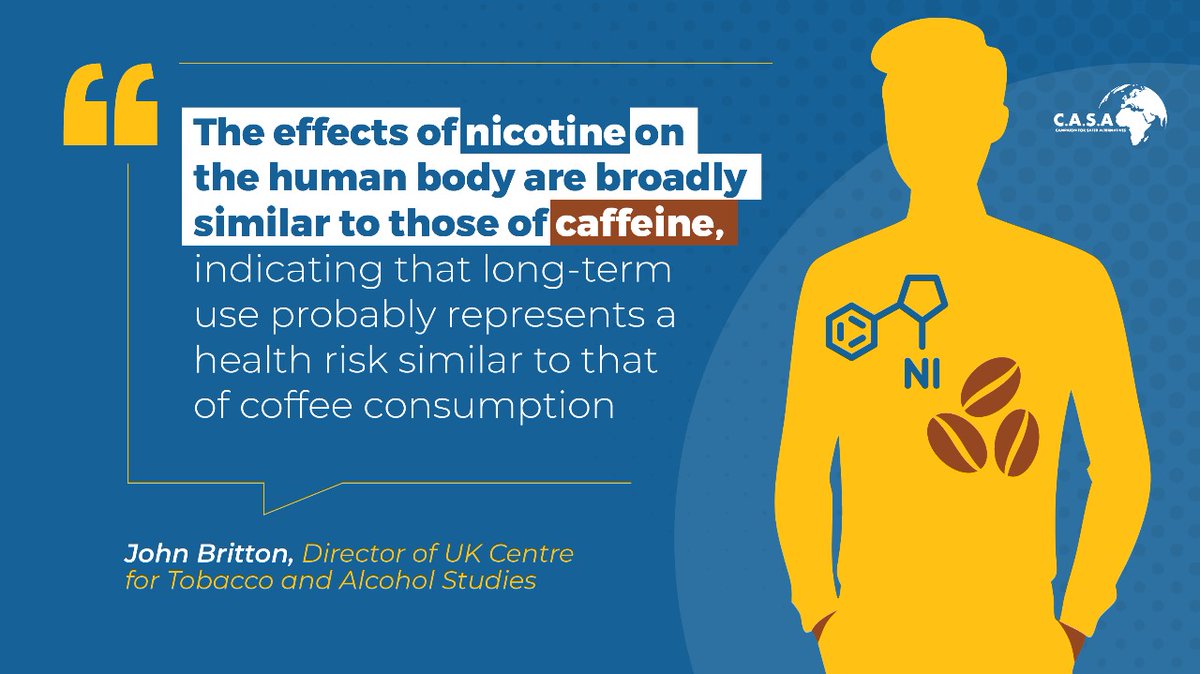
Nicotine is often blamed for the harms of smoking, but it’s not the main culprit. Like caffeine, it’s a stimulant with relatively low risk when separated from combustion.
It’s the smoke, not the nicotine, that kills. #THR#HarmReduction#Nicotine
Overtaxing nicotine products doesn’t eliminate demand, it pushes it underground. We are already seeing this with illegal shisha flooding the market, unregulated, untested, and dangerous. Smart taxation protects consumers, overtaxation fuels illicit trade and public health risks
Research by the Royal Society for Public Health shows a key point: nicotine ≠ the main harm.
Like caffeine, it’s a stimulant, but the real danger comes from combustion, not nicotine itself.
That’s why safer alternatives matter https://t.co/dSGW4lAksR #THR#HarmReduction