The Fraying Bonds of Peace by William Mulligan
Explains how economic interdependence could paradoxically sustain peace in Europe before 1914 while also creating the conditions for war.
https://t.co/KyiR9Gw11C
#diplomatichistory
Rejecting the great-man narrative centered on Friedrich List, our essay of the week reconstructs neo-mercantilism as a polycentric ideology, one that generated distinct versions in Latin America, Africa, and Asia.
With Eric Helleiner in @SynesisIdeas
https://t.co/NVACZoYV2L
Forthcoming: “A newly discovered firsthand account of the Hiroshima bombing and its aftermath from one of the survivors—bringing unprecedented immediacy to our understanding of this world-changing event.”: https://t.co/ShYKwsnqhE
The Cambridge Handbook of the League of Nations and International Law by Haakon A. Ikonomou, Karin van Leeuwen and Morten Rasmussen
This Handbook combines law and history to offer a new analysis of the League of Nations and international law
📚 https://t.co/odlG7pqmry
#internationallaw
'Austria-Hungary’s wartime experience is thus recast. No longer the last gasps of a dying empire, but a crucial period of transition and transformation that shaped Europe’s 20th century.'
https://t.co/aZ2ySadAzE
Very grateful to @emanuela_grama, @GHarward, Irina Livezeanu, Mihaela Serban for their reviews of my book "Justice and Restitution in Post-Nazi Romania: Rebuilding Jewish Lives and Communities, 1944-1950" published recently in Journal of Romanian Studies! https://t.co/IBYeiSH0zr
Wolfgang Koeppen’s “trilogy of failure,” written from 1951 to 1954, is a sprawling, polyphonic portrait of a physically and morally shattered country. https://t.co/OTVRQ0BLKH
Book for review in Ab Imperio: Stephen F. Jones. The First Social Democracy: The Democratic Republic of Georgia, 1918–1921. Cambridge, MA: Harvard University Press, 2026. 416 pp., ill. Index. ISBN: 978-0-674-04623-8. Please follow the link https://t.co/Lim9o41Pjs
Very excited to publish my article “Geneva’s Environment and the League of Nations” in the new issue of Geschichte und Gesellschaft!
https://t.co/OjMXecZ0v5
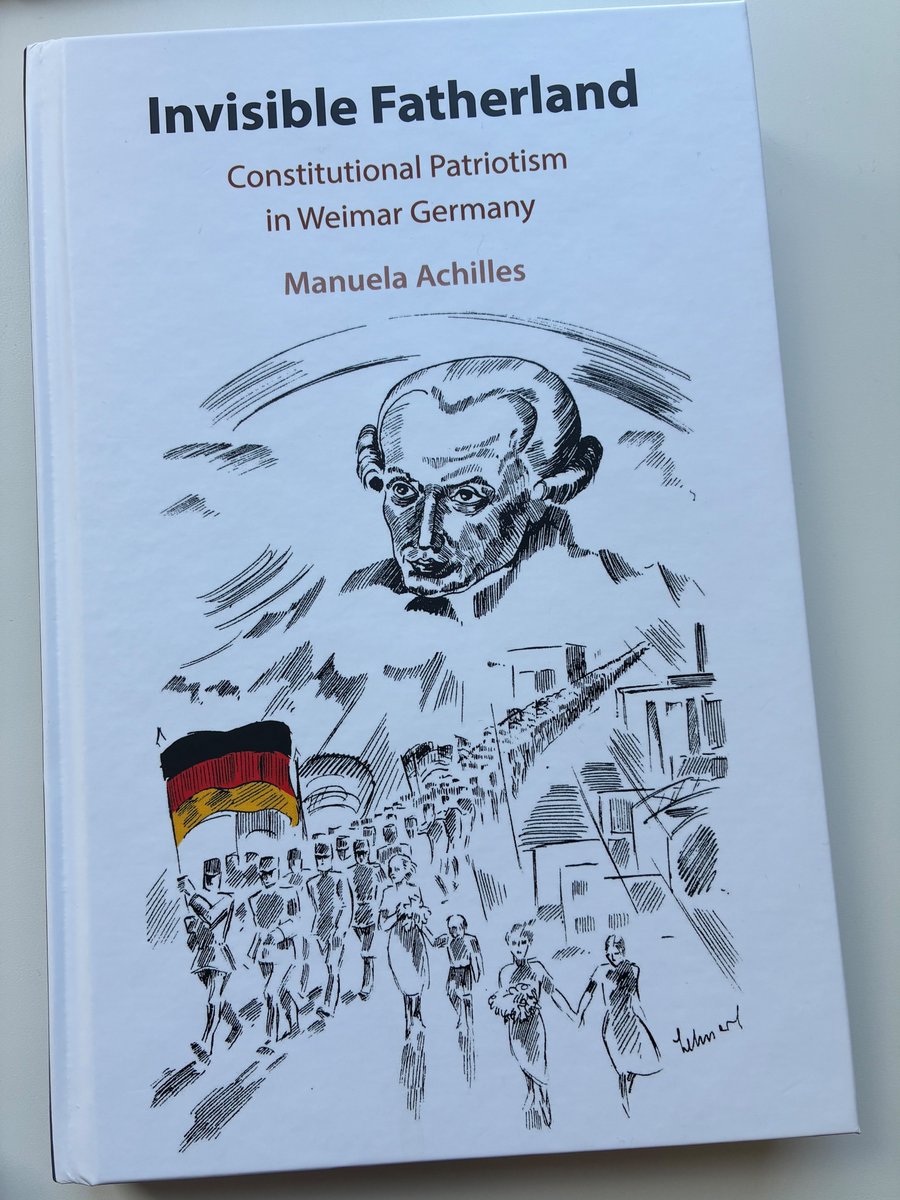
1/3 🇩🇪 We often forget that Weimar Germany survived longer than did the 3rd Reich. Many of the answers as to why Weimar survived so long can be found in a great new book by Manuela Achilles: ‘Invisible Fatherland: Constitutional Patriotism in Weimar Germany’ (CUP)
'[O]pens up a research field that has not yet been examined in sufficient detail and thereby offers genuine scholarly added value.'
'[G]oes well beyond the traditional narratives of combatants.'
Discover the book 👉 https://t.co/TLAt8uQ7JT
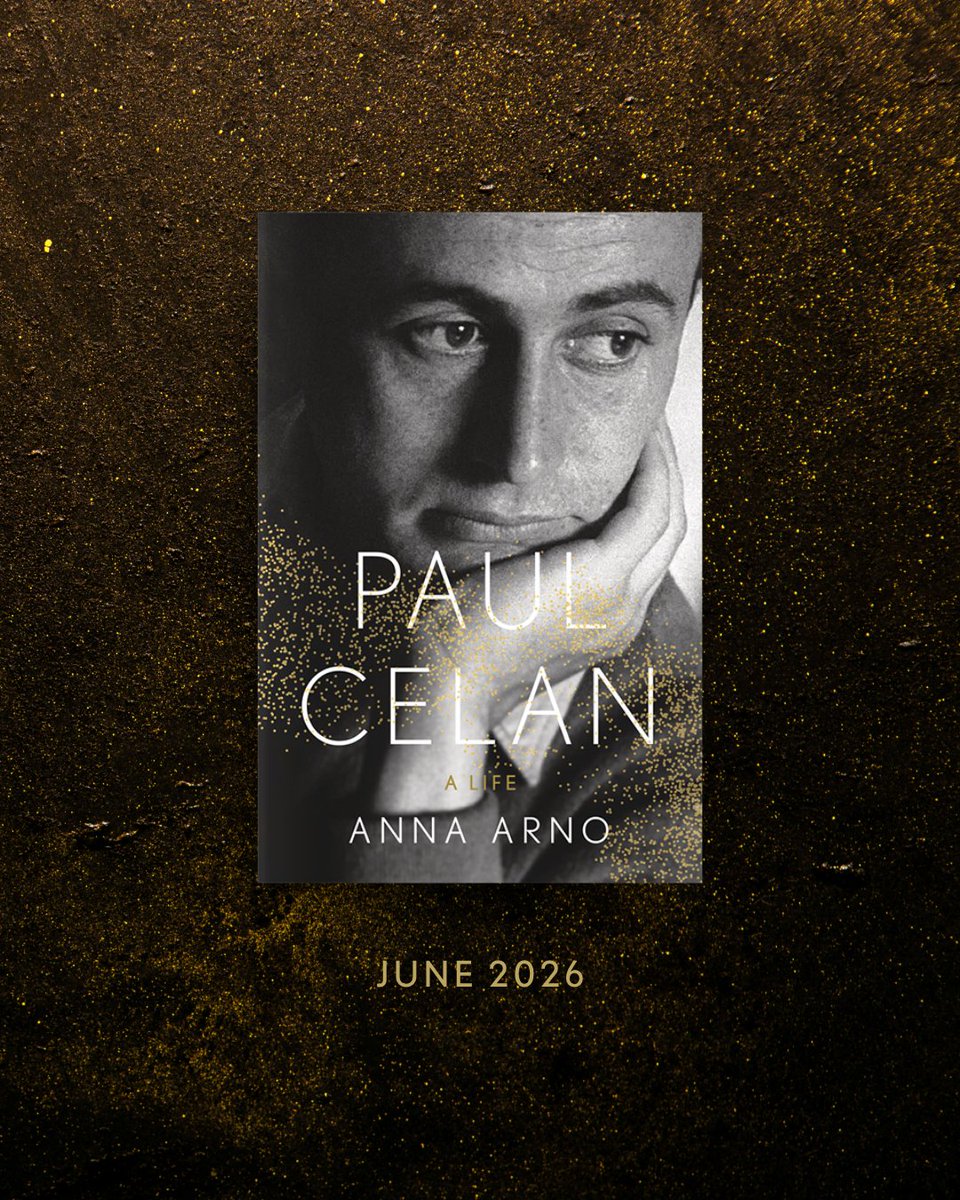
Paul Celan has been called the greatest German‑language poet of the twentieth century.
Though much has been written about his contributions to poetics and Holocaust literature, very little has been written about Celan himself.
Until now.
Paul Celan: A Life by Anna Arno is a luminous, groundbreaking biography of the poet, drawing on a range of archival sources and new research.
For Poetry Month, in a new Q&A on our website, Arno reflects on her first encounter with Celan’s work, the ethical and emotional challenges of writing about his life, and the multilingual world that shaped his imagination: https://t.co/sIqmWvrFXp
Coming June 9.
Liberty, Solidarity and Community by @LaurentWARL
Examines how European countries have coped with the challenge of industrial capitalism and the rise of superpowers since 1945.
📘 https://t.co/oAipsg42ME
#econhist
Heute vor 30 Jahren ist Hans Blumenberg gestorben. Für ihn hatte jede Epoche ihre eigene Wirklichkeit, die durch das Studium ihrer Metaphern entschlüsselt werden kann. https://t.co/K3imZ8sdZD










![BloomsburyHist's tweet photo. '[O]pens up a research field that has not yet been examined in sufficient detail and thereby offers genuine scholarly added value.'
'[G]oes well beyond the traditional narratives of combatants.'
Discover the book 👉 https://t.co/TLAt8uQ7JT https://t.co/t1s1ewECjO](https://pbs.twimg.com/media/HFh2s1aXoAAfb4G.jpg)


